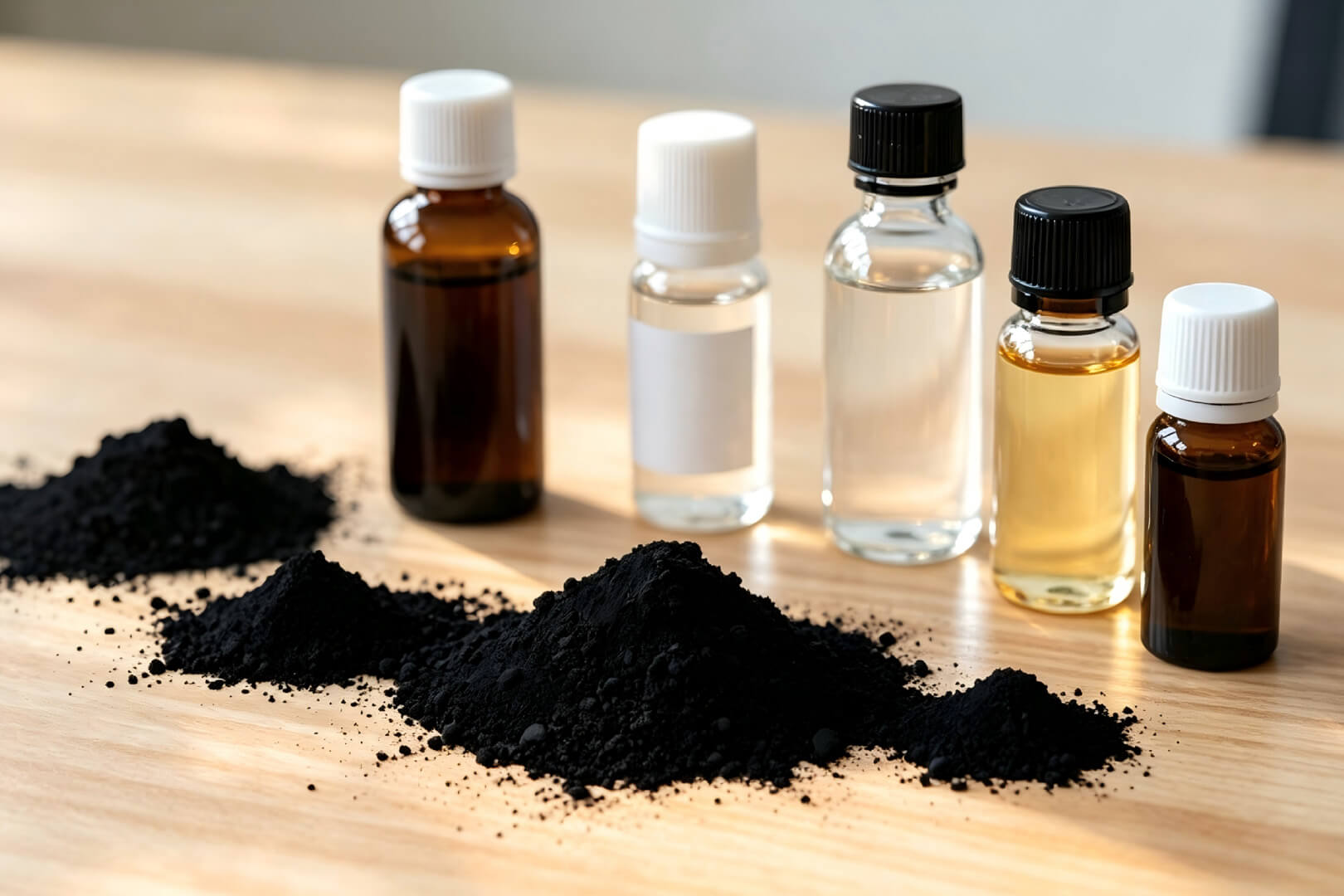
Vulcanized silicone rubber is the crosslinked elastomer produced when a silicone polymer system is cured. In high-consistency rubber (HCR), also called heat-cured rubber or HTV silicone rubber, the starting point is normally a high-molecular-weight solid silicone gum or base that is compounded with reinforcing filler, cure chemistry and application-specific additives. Eata Silicon supplies raw-material building blocks for customers developing silicone rubber compounds, cable insulation, electrical components, molded elastomers, extruded profiles and other high-performance silicone systems.
From Silicone Gum to a Vulcanized Elastomer Network
Solid HCR silicone rubber uses long-chain, high-molecular-weight polymers. Before cure, the formulation remains a workable compound; after crosslinking, the polymer chains are tied into a three-dimensional elastic network. Public technical guidance from major silicone producers describes the uncured system in the same practical way: polymer plus crosslinker, fillers and selected additives. Reinforcing silica is especially important because it helps convert a soft silicone polymer into a mechanically useful elastomer.
Two cure routes dominate HCR/HTV compounding. Organic peroxides generate radicals that crosslink the silicone polymer at elevated temperature. Platinum-catalyzed addition cure instead reacts Si–H groups with vinyl groups by hydrosilylation. Each route changes what the buyer needs to specify, including the gum chemistry, catalyst or peroxide package, crosslinker level, inhibitor strategy, filler treatment and contamination controls.
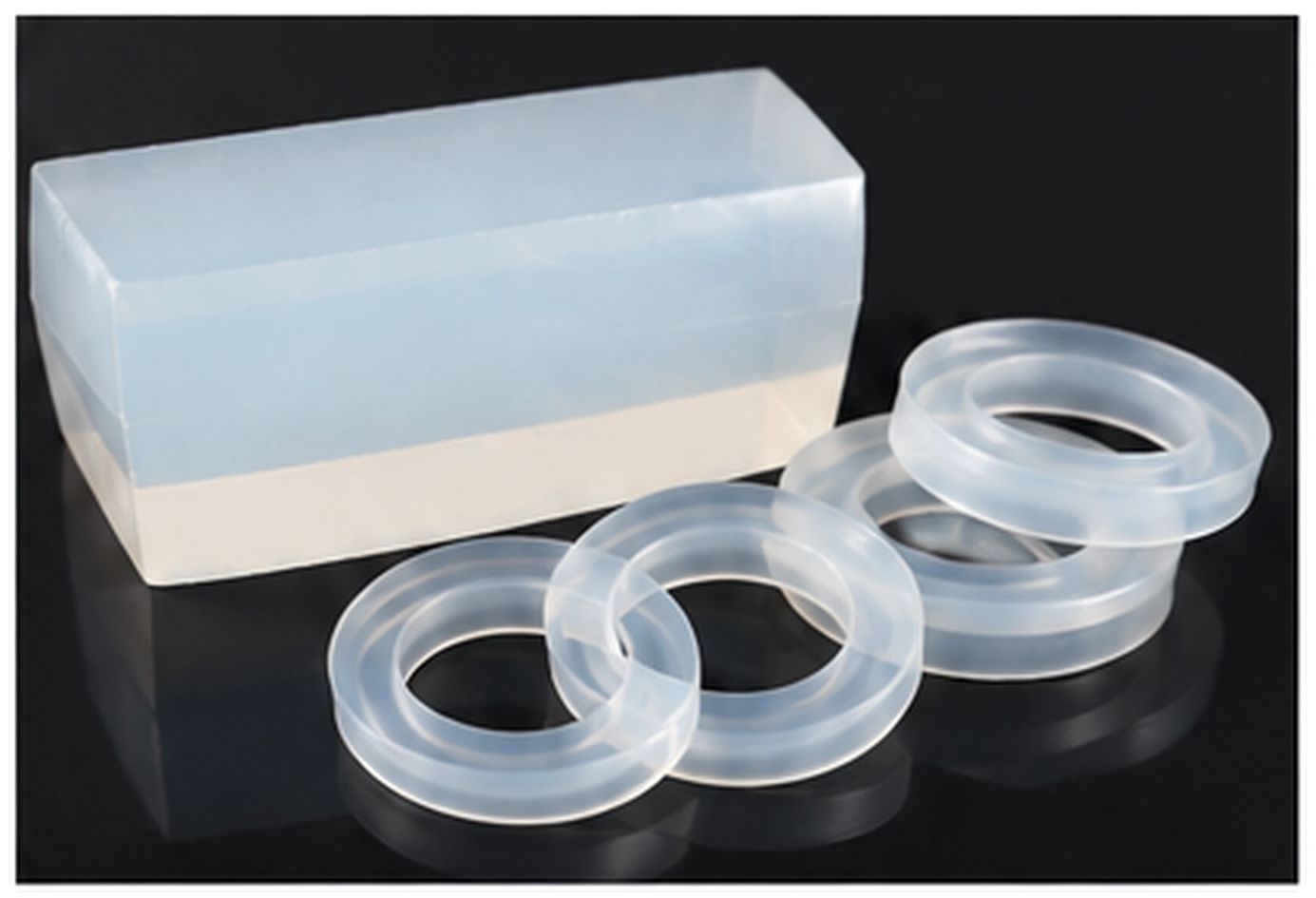 Fig. 1. Molded silicone forms illustrate the finished elastomer shapes that begin with carefully selected gum, filler and cure components.
Raw Material Families for Vulcanized Silicone Rubber
| Raw Material Family |
Role in the Compound |
Key Buying Variables |
| VMQ / methyl-vinyl silicone gum |
Primary high-molecular-weight base polymer for many HCR/HTV compounds. |
Vinyl content, molecular range or gum plasticity, volatile profile, cleanliness, color. |
| PDMS / dimethyl silicone gum |
Silicone gum base or modifier for activated-cure and specialty rubber formulations. |
Molecular range, gum consistency, residual volatiles, end-group chemistry. |
| PVMQ / phenyl-modified silicone gum |
Specialty silicone backbone used when a formulation needs a different low-temperature, optical or compatibility profile. |
Phenyl level, vinyl functionality, molecular range, cure compatibility. |
| FVMQ / fluorosilicone gum |
Specialty base polymer for formulations that need improved resistance to hydrocarbon or solvent exposure. |
Fluoro content, vinyl functionality, gum consistency, filler and cure compatibility. |
| HCR silicone base / millable rubber base |
Pre-filled or partially compounded solid silicone base used as the platform for final compounding. |
Base hardness potential, filler system, processability, tear target, cure route. |
| Fumed / pyrogenic silica |
Main reinforcing filler for many silicone elastomers; strongly influences strength and rheology. |
BET surface area, hydrophilic or hydrophobic surface, structure, dispersion, thickening behavior. |
| Precipitated silica or mineral filler |
Reinforcement, extension or property adjustment depending on formulation. |
Particle size, surface treatment, moisture, purity, loading, electrical impact. |
| Peroxide curing agent |
Radical crosslinking package for peroxide-cure HCR/HTV systems. |
Peroxide chemistry, active content, carrier, cure profile, surface-cure behavior. |
| Platinum catalyst masterbatch |
Catalyst component for addition-cure silicone rubber. |
Pt concentration, carrier, dispersion, inhibitor compatibility, contamination sensitivity. |
| Hydride / Si–H crosslinker |
Reactive partner for vinyl-functional silicone in platinum-catalyzed networks. |
Hydrogen content, functionality, viscosity, molecular architecture, Si–H:vinyl balance. |
| Cure inhibitor / process-control additive |
Provides latency and processing window in addition-cure formulations. |
Inhibitor type, use level, catalyst compatibility, target cure profile. |
| Heat-stabilizer or functional additive masterbatch |
Used to adjust high-temperature durability, processing or other targeted properties. |
Active chemistry, loading, dispersion, color, interaction with cure system. |
| Pigment / color masterbatch |
Color control for molded, extruded or cable compounds. |
Heat stability, dispersion, opacity, electrical effect, cure compatibility. |
| Ceramifying or mineral filler system |
Project-specific filler package for safety-cable or high-temperature protective concepts. |
Residue formation, filler distribution, extrusion behavior, electrical and mechanical balance. |
Representative Products
| Representative Product / Family |
Keywords |
Technical Context |
| Vinyl gum, 0.2–0.3% vinylmethylsiloxane |
methyl vinyl silicone rubber; VMQ gum; vinyl silicone gum; silicone gum for HCR |
Gelest lists a vinyl gum in this range as a base polymer for activated-cure specialty silicone rubbers; an example family CAS is 67762-94-1. |
| High-vinyl silicone gum |
high vinyl VMQ; vinyl-rich silicone gum; HCR modifier |
Used to adjust reactive-site concentration and network design in activated-cure silicone formulations. |
| Phenyl silicone gum |
PVMQ gum; phenyl methyl vinyl silicone rubber; low-temperature silicone gum |
Phenyl substitution changes the silicone backbone profile and is evaluated for specialty elastomer formulations. |
| Fluorosilicone gum |
FVMQ gum; fluorosilicone rubber base; trifluoropropyl silicone gum |
Fluorinated silicone polymers are evaluated when greater solvent or hydrocarbon resistance is required. |
| Reinforcing fumed silica |
pyrogenic silica for silicone rubber; HCR reinforcing silica; hydrophobic fumed silica |
A core reinforcing filler for silicone rubber; surface treatment and structure strongly affect compound rheology and processing. |
| HCR / HTV silicone rubber base |
millable silicone rubber; high consistency rubber base; heat-cured rubber base |
Solid silicone base for milling, extrusion, molding, calendaring and final compounding. |
| Peroxide cure package |
silicone rubber vulcanizing agent; peroxide curing agent for HCR; HTV cure agent |
Used where radical crosslinking is selected for the compound and process. |
| Platinum addition-cure package |
platinum catalyst for silicone rubber; Pt HCR catalyst masterbatch; hydrosilylation catalyst |
Used with vinyl-functional polymer and Si–H crosslinker in addition-cure systems. |
| Si–H crosslinker |
hydride silicone crosslinker; methylhydrogen silicone; silicone hydride for addition cure |
Provides hydride functionality that reacts with vinyl groups during platinum-catalyzed cure. |
| Ceramifiable silicone compound ingredients |
ceramifying silicone filler; safety cable silicone rubber; fire-survival cable silicone |
Mineral/filler systems can be developed to support protective residue formation in cable applications. |
Peroxide Cure or Platinum Addition Cure?
| Cure Route |
Crosslinking Logic |
Typical Evaluation Context |
What to Specify |
| Peroxide cure |
Organic peroxide forms reactive radicals that crosslink the silicone polymer. |
General HCR molding and extrusion, standard industrial compounds, formulations where peroxide processing is already established. |
Peroxide chemistry and active content; gum vinyl level; filler system; cure temperature/time; oxygen exposure at the surface; post-cure objective when relevant. |
| Platinum addition cure |
Si–H groups react with vinyl groups in a platinum-catalyzed hydrosilylation network. |
Fast heat-cure systems, clean-surface compounds, specialized electrical or high-performance HCR formulations. |
Vinyl and Si–H equivalents; catalyst level; inhibitor; filler treatment; amine/sulfur contamination risk; cure window and processing sequence. |
The cure package should be treated as part of the raw-material design rather than as an afterthought. A base that mills well with one filler can behave very differently after the catalyst, peroxide, pigment or stabilizer is introduced. For this reason, Eata Silicon recommends defining the complete formulation direction before comparing silicone gums solely by nominal vinyl content or appearance.
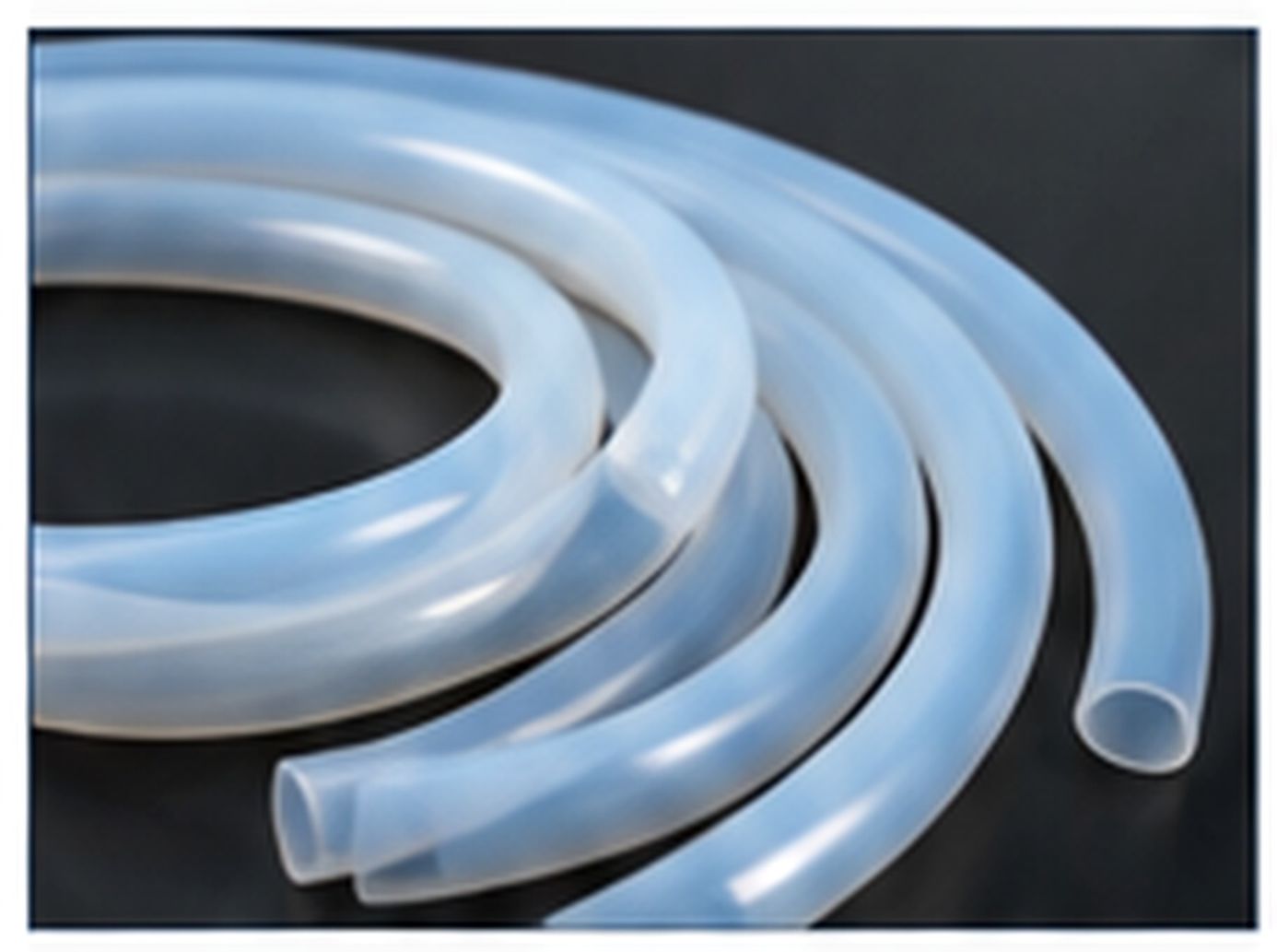 Fig. 2. Extruded tubing is a useful process benchmark because compound flow, surface quality, cure rate and dimensional stability all have to work together.
What Should Be Defined Before Choosing an HCR/HTV Raw Material?
- Processing route: extrusion, compression molding, transfer molding, injection molding, calendaring or another conversion method.
- Base-polymer architecture: VMQ, phenyl-modified PVMQ, fluorosilicone FVMQ or another silicone backbone; terminal and pendant vinyl functionality when relevant.
- Filler strategy: fumed silica surface treatment and BET area, precipitated silica, quartz or mineral fillers, plus any structure-control or processing aids.
- Cure chemistry: peroxide or platinum addition cure; crosslinker, catalyst and inhibitor requirements; mixing sequence and contamination limits.
- Mechanical target: hardness, tensile strength, elongation, tear strength, rebound, compression set, fatigue and long-term elastic recovery.
- Electrical target: dielectric behavior, volume resistivity, tracking/erosion resistance, conductivity or semiconductive behavior when the application requires it.
- Thermal and environmental target: continuous temperature exposure, heat aging, ozone/weathering, oils, fuels, solvents, humidity or other media relevant to the finished component.
- Special function: flame retardance, ceramifying behavior, low-volatiles, transparency, pigmentation, anti-static properties, adhesion or other project-specific performance.
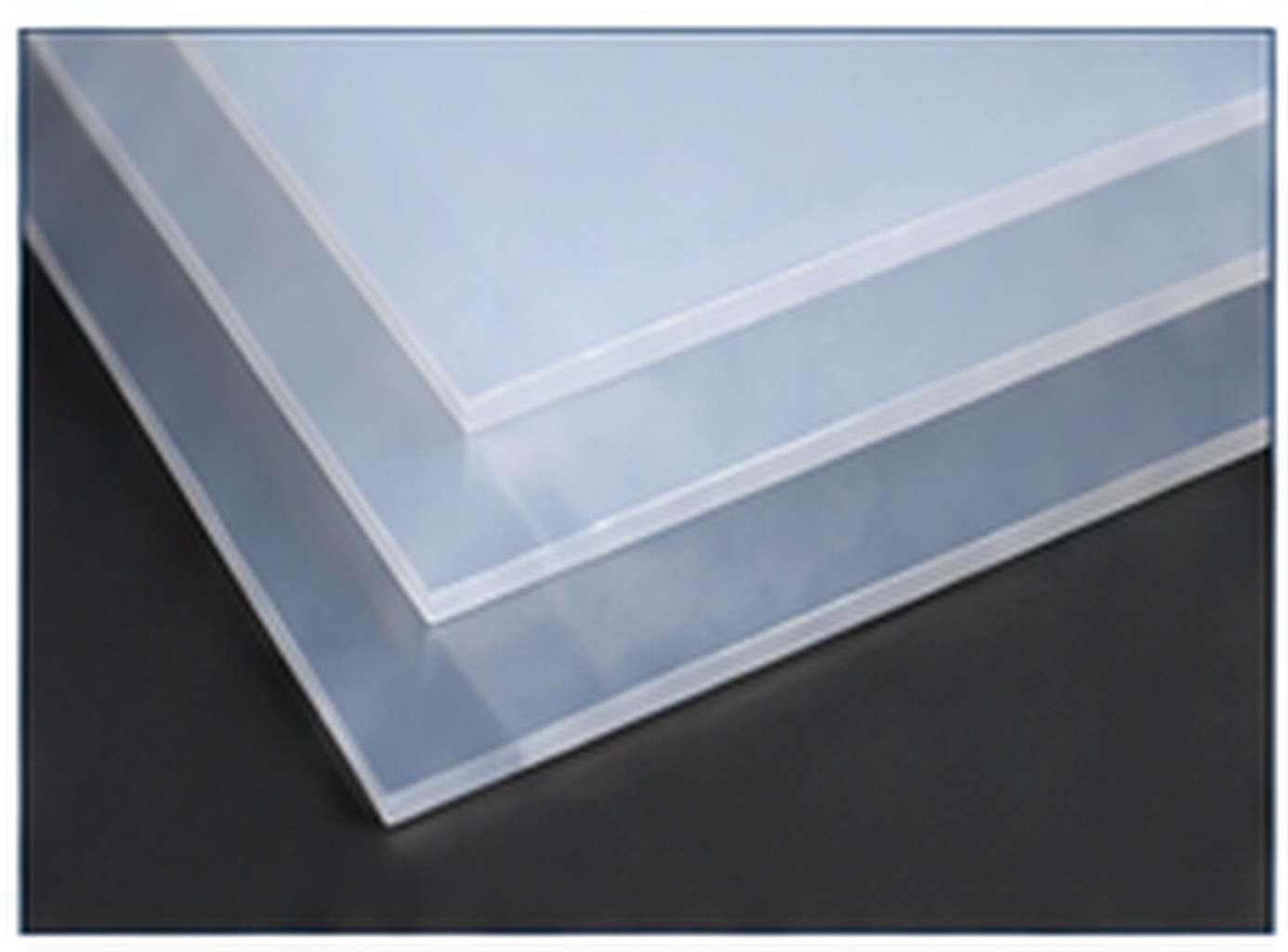 Fig. 3. Uniform silicone sheet is a practical reference for calendaring and molding programs where thickness control and surface consistency matter.
Energy and Electrical Applications
Silicone rubber is widely used where flexible insulation, sealing and long-term environmental resistance are needed around electrical and energy systems. The raw-material package should be matched to the final qualification route, because cable insulation, high-voltage components and sealing parts place very different demands on the same base chemistry.
| Application Area |
How Vulcanized Silicone Rubber Is Used |
Raw-Material Priorities |
| High-voltage EV and charging cables |
Extrudable HCR/HTV insulation with heat resistance, flexibility and electrical performance. |
Extrusion behavior, cure route, tear/elongation, pigment system, dielectric properties, heat aging. |
| Safety and fire-survival cables |
Ceramifying silicone compounds that can form a protective mineral-rich residue under severe heat. |
Filler system, residue behavior, extrusion speed, mechanical integrity, electrical insulation after thermal exposure. |
| High-voltage insulators and accessories |
Silicone rubber for insulation components where wet electrical behavior and tracking/erosion resistance can matter. |
Filler package, surface behavior, dielectric strength, volume resistivity, hardness, molding process. |
| Battery and energy-storage sealing |
Gaskets, boots, seals and vibration-isolation parts around enclosures, busbar interfaces and pack structures. |
Compression set, hardness, tear strength, thermal aging, fluid exposure, molding or extrusion route. |
| Power electronics protection |
Flexible dielectric seals, boots, barriers and protective molded parts around power modules and connectors. |
Electrical insulation, temperature cycling, dimensional stability, contamination/volatile limits, cure chemistry. |
| Renewable-energy electrical hardware |
Weather-resistant profiles, cable seals, protective sleeves and molded elastomer components. |
UV/ozone exposure, water resistance, compression behavior, extrusion/molding stability and color requirements. |
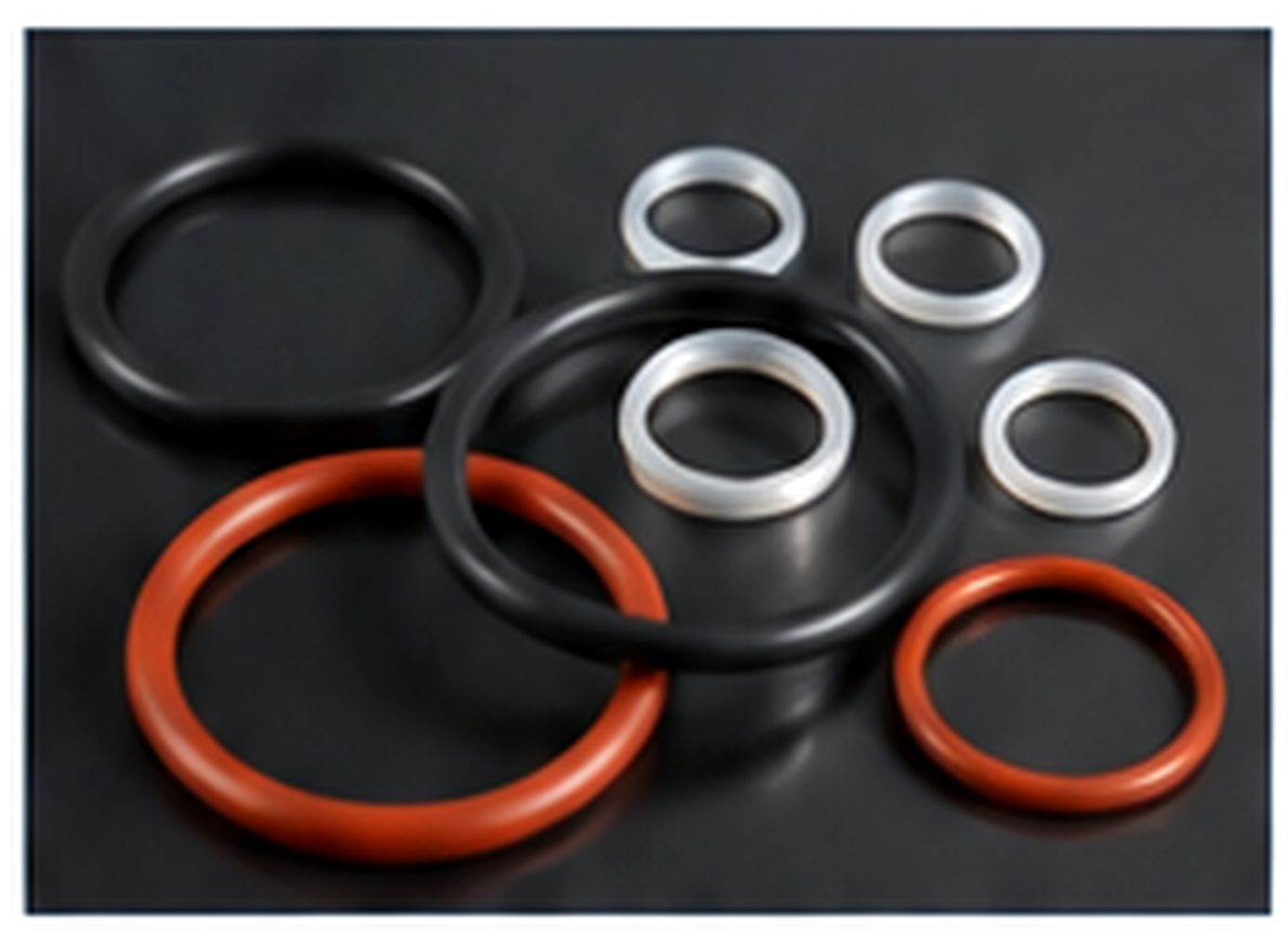 Fig. 4. Molded ring geometries show why hardness, tear resistance and compression behavior need to be designed into the compound before cure.
Processing Routes Supported by HCR / HTV Compounds
Extrusion
Cable insulation, tubing, cords and continuous profiles require a compound that feeds consistently, holds the intended cross-section and cures without excessive distortion. Gum molecular range, silica structure, processing aid, pigment package and cure chemistry all influence the extrusion window.
Compression and Transfer Molding
Molded seals, boots, diaphragms, gaskets and technical parts place emphasis on flow into the cavity, release, tear strength, flash control and compression performance. A compound selected only for nominal hardness may miss these processing variables.
Injection Molding
Solid silicone rubber can also be injection molded with equipment configured for high-consistency compounds. The formulation must balance feed behavior, cure speed, mold filling and demolding while avoiding premature crosslinking in the material path.
Calendaring and Sheeting
Sheet and supported-fabric applications require thickness uniformity, good roll-mill handling and stable cure behavior across a broad surface. Filler dispersion and structure control are especially visible in this process.
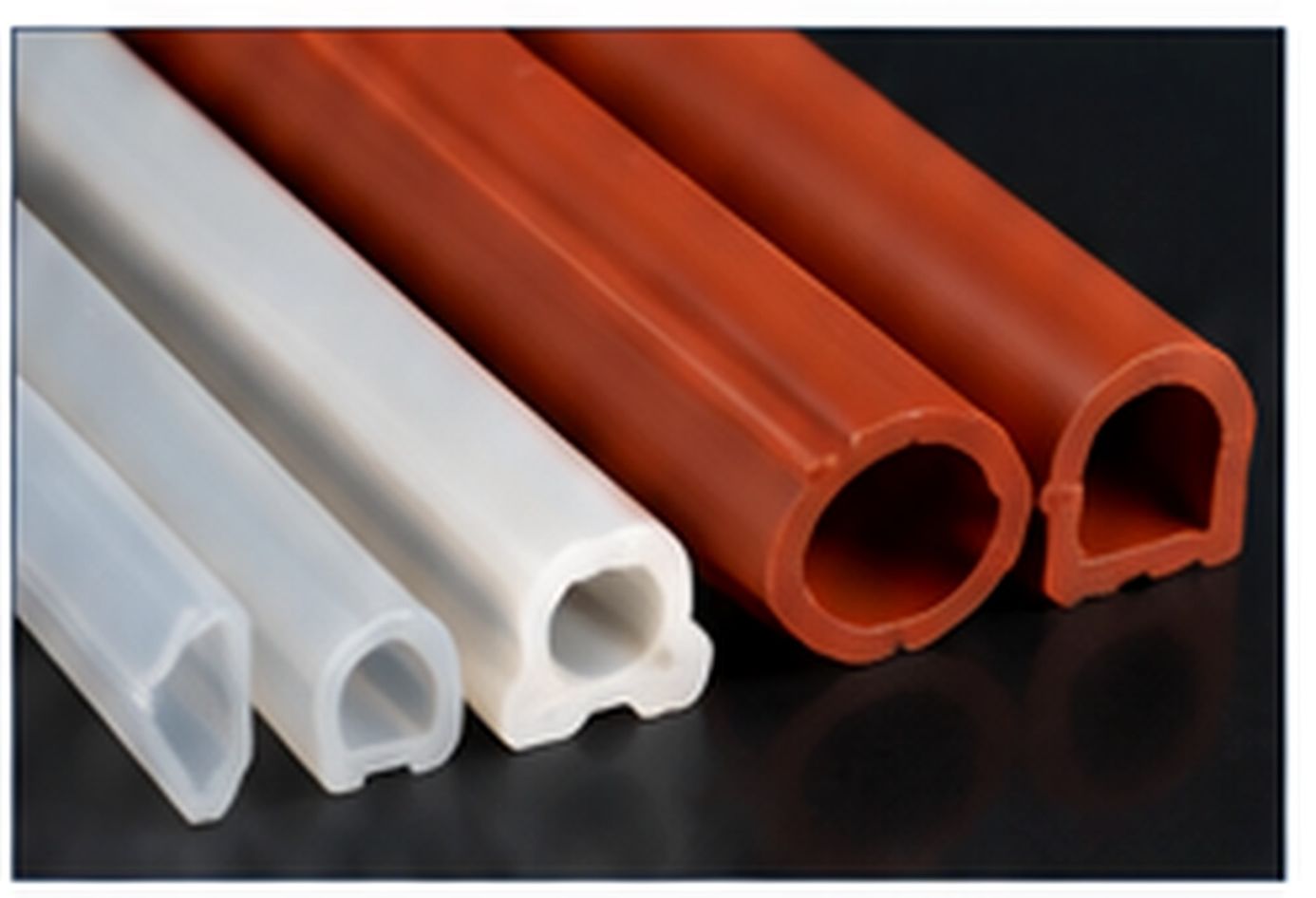 Fig. 5. Custom extruded cross-sections highlight the need to tune HCR/HTV raw materials for die swell, surface quality, cure response and end-use geometry.
Why Source Vulcanized Silicone Rubber Raw Materials from Eata Silicon?
- Formulation-oriented sourcing: the discussion starts with the cure route, processing method and finished-property targets instead of treating every HCR grade as interchangeable.
- Broad raw-material coverage: silicone gums, specialty polymers, reinforcing silica, crosslinkers, catalysts, inhibitors, pigments and functional additive packages can be evaluated within one technical sourcing workflow.
- Specification-led comparison: vinyl content, filler treatment, volatile profile, cure behavior, mechanical requirements and electrical targets can be aligned before material selection.
- Energy-material context: cable insulation, high-voltage components, battery sealing and other electrical applications can be discussed using the performance variables that matter to those systems.
When a standard gum, filler or cure package does not fit the intended processing window, Eata Silicon can evaluate a customized raw-material route. Customization may focus on silicone gum chemistry or vinyl level, phenyl or fluorinated modification, reinforcing silica selection, filler loading, cure-package design, heat-stabilizer or pigment masterbatch, low-volatiles targets, electrical performance, ceramifying behavior, hardness window or other application-specific specifications.
Send us the compound you are trying to build and the properties that matter most. We can review the requirement at the raw-material level and discuss a standard option, a related material family or a custom specification for your formulation program.
For Research or Industrial Raw Materials, Not For Personal Medical Use!