Silicon is a foundational raw material for modern manufacturing, materials science and energy technologies. Eata Silicon supplies elemental silicon in practical physical forms that help buyers match the material to the way it will be charged, blended, reacted, milled, dispersed or further refined.
Our Silicon Raw Materials range focuses on three frequently requested formats—silicon lumps, silicon granules and silicon powder. Rather than forcing one form into every process, customers can select a format based on handling, surface area, batching method and downstream application requirements, then discuss the purity, size range and packaging that best fit the project.
Product Range
Silicon Lumps
Bulk pieces for charging, alloying and further processing
Silicon Granules
Smaller particulate form for measured feeding and material preparation
Silicon Powder
Fine-particle form for blending, reaction and advanced material research
Choose the Silicon Form That Fits Your Process
Physical form is more than a presentation choice. Larger pieces are convenient when a process needs bulk feedstock; granules can simplify controlled addition and smaller-batch handling; and powder offers much greater surface area for blending, reaction or particle-based material development. The best choice depends on the equipment, target chemistry and the specification required by the end use.
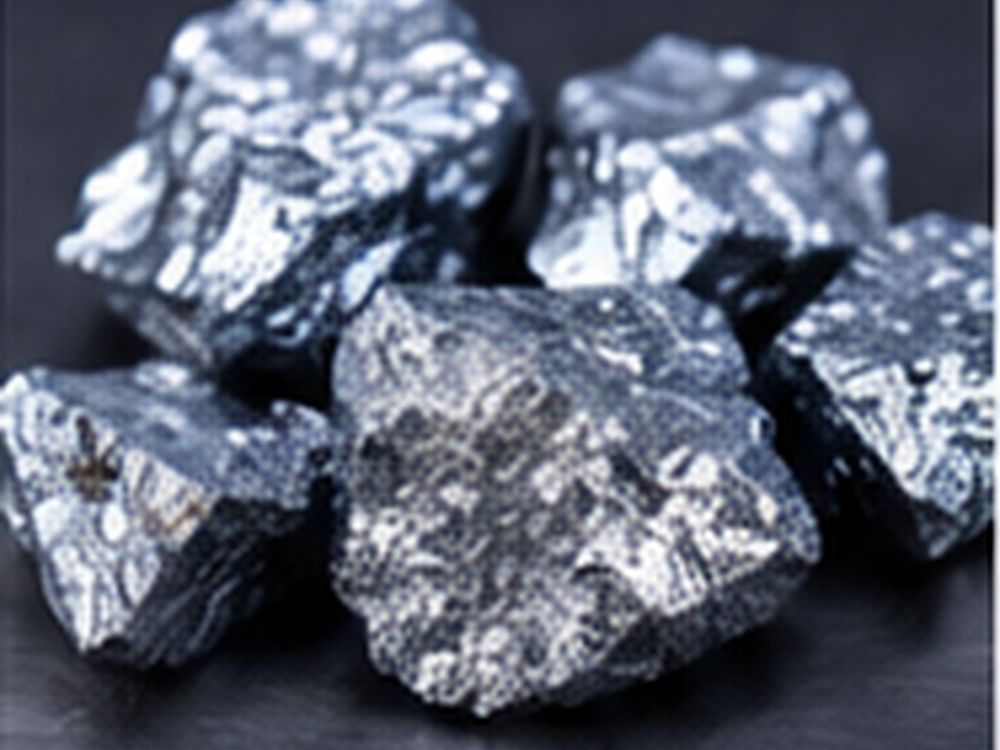 Metallic silicon lumps in a clean product-focused composition.
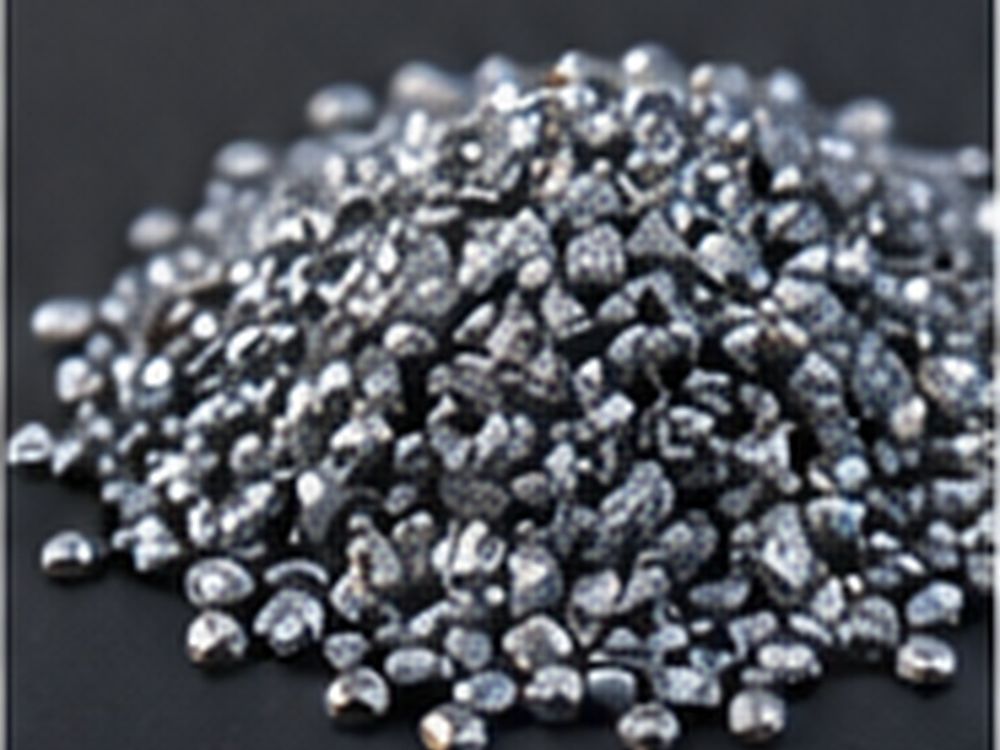 Silicon granules shown as a free-flowing particulate form.
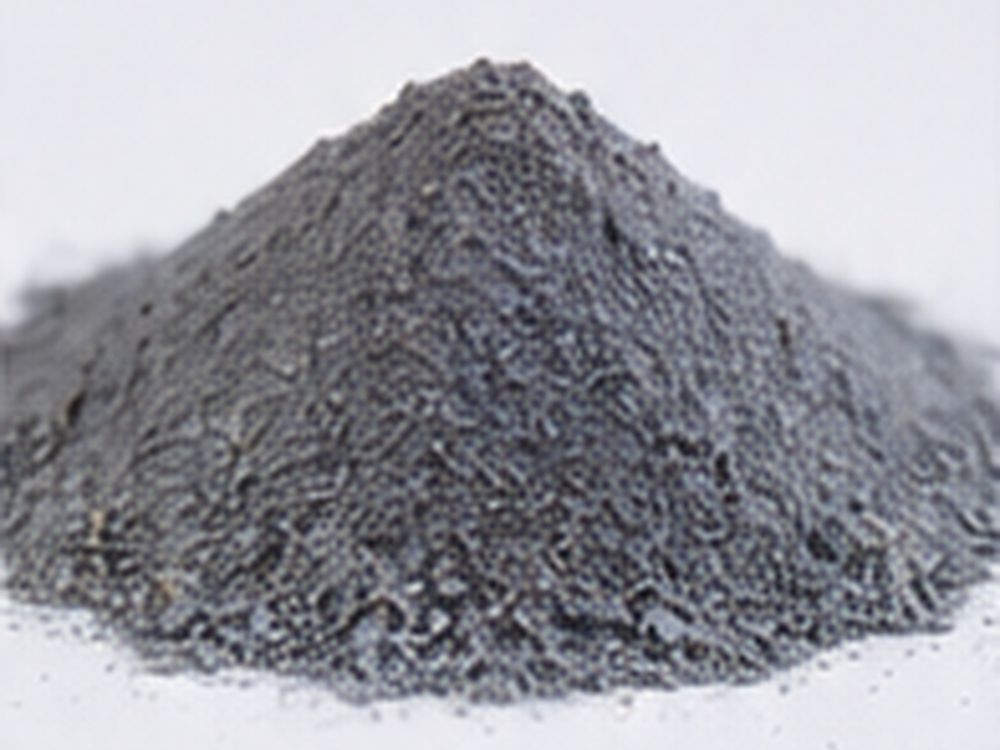 Fine silicon powder presented for particle-based material applications.
Silicon Raw Material Forms at a Glance
| Product |
Process Advantage |
Typical Application Directions |
Useful RFQ Details |
| Silicon Lumps |
Bulk format; straightforward charging and handling in processes that use larger feed pieces. |
Aluminum alloying, metallurgical processing, downstream refining, ceramics and other bulk-material operations. |
Target purity or grade, approximate piece size, quantity, packaging preference. |
| Silicon Granules |
Smaller size can support controlled additions, more even distribution and convenient lab or production batching. |
Alloy preparation, silicon-based chemical synthesis, materials development, controlled feeding and blending. |
Purity, granule size or distribution, batch quantity, process method, packaging preference. |
| Silicon Powder |
High surface-area form suited to mixing, reaction, dispersion and particle-based formulation work. |
Energy-storage research, materials science, ceramics/composites, synthesis, coating/deposition research where a matching grade is required. |
Purity, particle-size target, morphology expectations, application, quantity, packaging preference. |
Silicon lumps are the largest form in this category and are a practical option when the material will be charged into a furnace, introduced as bulk feedstock, or further processed into smaller sizes or higher-purity material. Silicon metal is widely used as an alloying input for aluminum and as a raw material for downstream silicon-based chemicals; it can also be further refined into higher-purity silicon for photovoltaic and electronic applications.
Silicon granules sit between lumps and powder in particle size. They can be easier to meter, blend and distribute than larger pieces while remaining more straightforward to handle than very fine powder. This makes granules useful for controlled additions, laboratory batching, alloy preparation and many material-development workflows.
Silicon powder is chosen when particle-scale behavior matters. Compared with larger forms, powder provides greater surface area and can be incorporated into blends, composite systems, reaction routes and other materials-processing workflows. High-purity silicon powders are also sold commercially for advanced research and deposition-related applications.
Silicon is actively investigated as an anode material for lithium-ion batteries, making silicon powder a relevant search category for energy-storage R&D. The required particle size, morphology, surface condition and purity can vary significantly by formulation, so application-specific specification is important.
Where Silicon Raw Materials Fit in Modern Industry
Elemental silicon links traditional industrial processing with advanced energy and electronic materials. The same element can enter very different value chains, but the required grade and physical form are not interchangeable. Common directions include:
- Photovoltaic and solar-material supply chains: Silicon metal can serve as an upstream raw material that is further purified into polysilicon for solar applications. Buyers working in this chain should specify the exact grade and processing stage they require.
- Aluminum alloys and metallurgy: Silicon is a widely used alloying element in aluminum, where it influences processing behavior and final alloy performance. Lumps or granules may be selected according to furnace and batching practice.
- Silicon-based chemical production: Industrial silicon is an important starting material for silicone chemistry and other silicon-derived compounds. Granule or powder form may be preferred when reaction or feed behavior benefits from smaller particle size.
- Energy-storage materials research: Silicon-based anodes remain an active research and development area for lithium-ion batteries. Powder specifications should be matched closely to the electrode formulation and experimental method.
- Ceramics, refractories and composites: Silicon is used in materials pathways associated with silicon carbide, silicon nitride and other high-temperature or structural material systems. Purity and particle size should be chosen for the intended reaction or processing route.
- Semiconductor and deposition research: High-purity silicon is available commercially in multiple forms for electronic, thin-film and materials-science work. These applications generally require tighter specification than ordinary industrial silicon.
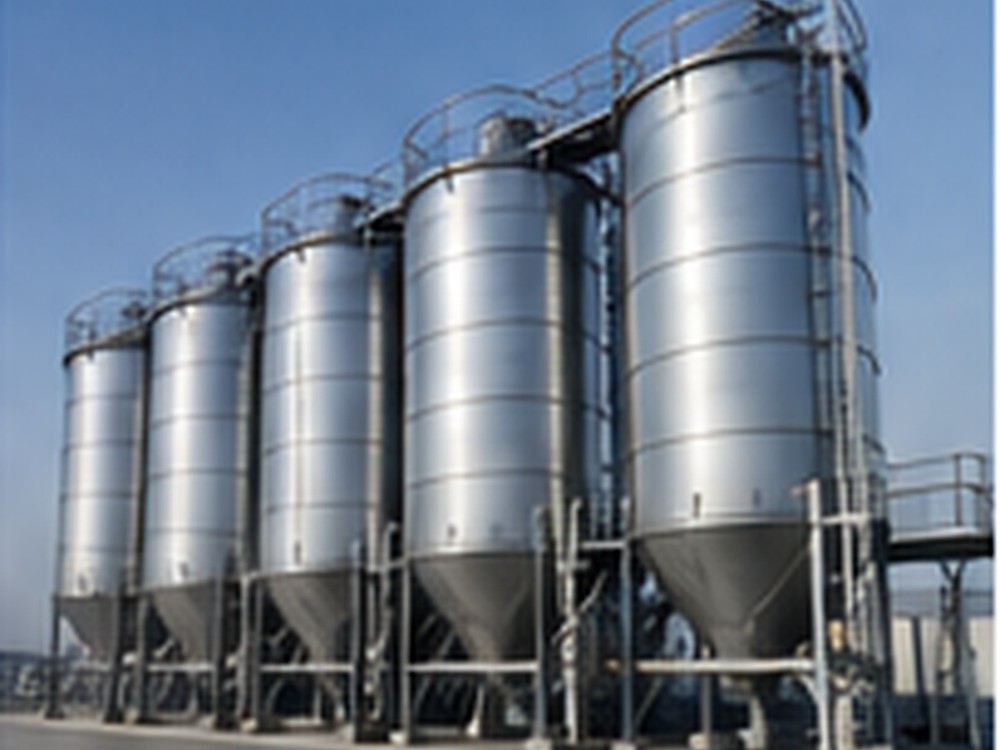 Bulk material-handling infrastructure representing industrial silicon processing environments.
What to Define Before You Buy Silicon Raw Material
A precise request usually leads to a more useful product recommendation than a generic request for "high-purity silicon." Before asking for a quotation, consider the factors below:
- Physical form: Lumps, granules or powder, selected according to charging, feeding, blending, reaction or downstream processing.
- Purity or grade: State the level required by the application rather than assuming every process needs the same specification.
- Size requirement: For lumps and granules, provide the desired size range. For powder, provide a particle-size target or distribution when it is critical to the process.
- Intended application: Tell us whether the silicon is for alloying, chemical processing, photovoltaic development, energy-storage research, ceramics, deposition work or another material system.
- Quantity and packaging: Share the amount and packaging preference so the specification discussion reflects how the material will actually be handled and used.
Why Source Silicon Raw Materials from Eata Silicon?
Eata Silicon is built around material selection rather than a one-size-fits-all product description. Our silicon raw material category gives customers a clear starting point—lumps, granules or powder—then allows the inquiry to move toward the specification that matters for the application.
- Three core forms in one category: Compare silicon lumps, silicon granules and silicon powder without searching across unrelated product families.
- Application-focused specification: Your target process can guide the discussion around form, purity and size instead of relying on generic marketing claims.
- Customizable material options: Purity range, piece or particle size, and packaging can be discussed according to project requirements and technical feasibility.
- Suitable for both development and production-oriented workflows: The category supports customers evaluating silicon for material research as well as industrial processing and manufacturing applications.
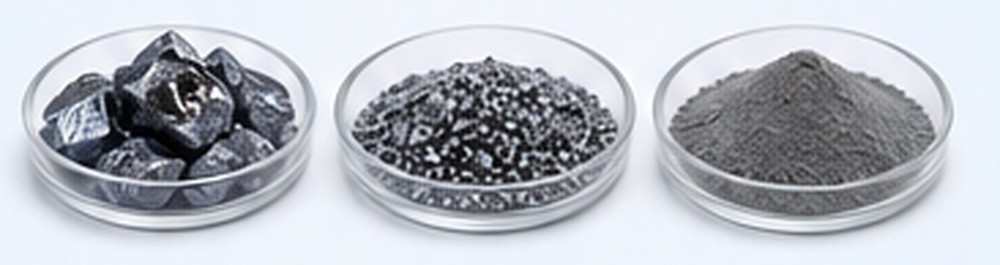 Three silicon forms displayed side by side for specification comparison.
Custom Silicon Raw Materials
Need a silicon specification that is not shown in the standard range?
Send Eata Silicon your target form, purity or grade, size requirement, intended application, quantity and packaging preference. We can review the request and discuss a customized silicon raw material option that fits your process.
For Research or Industrial Raw Materials, Not For Personal Medical Use!