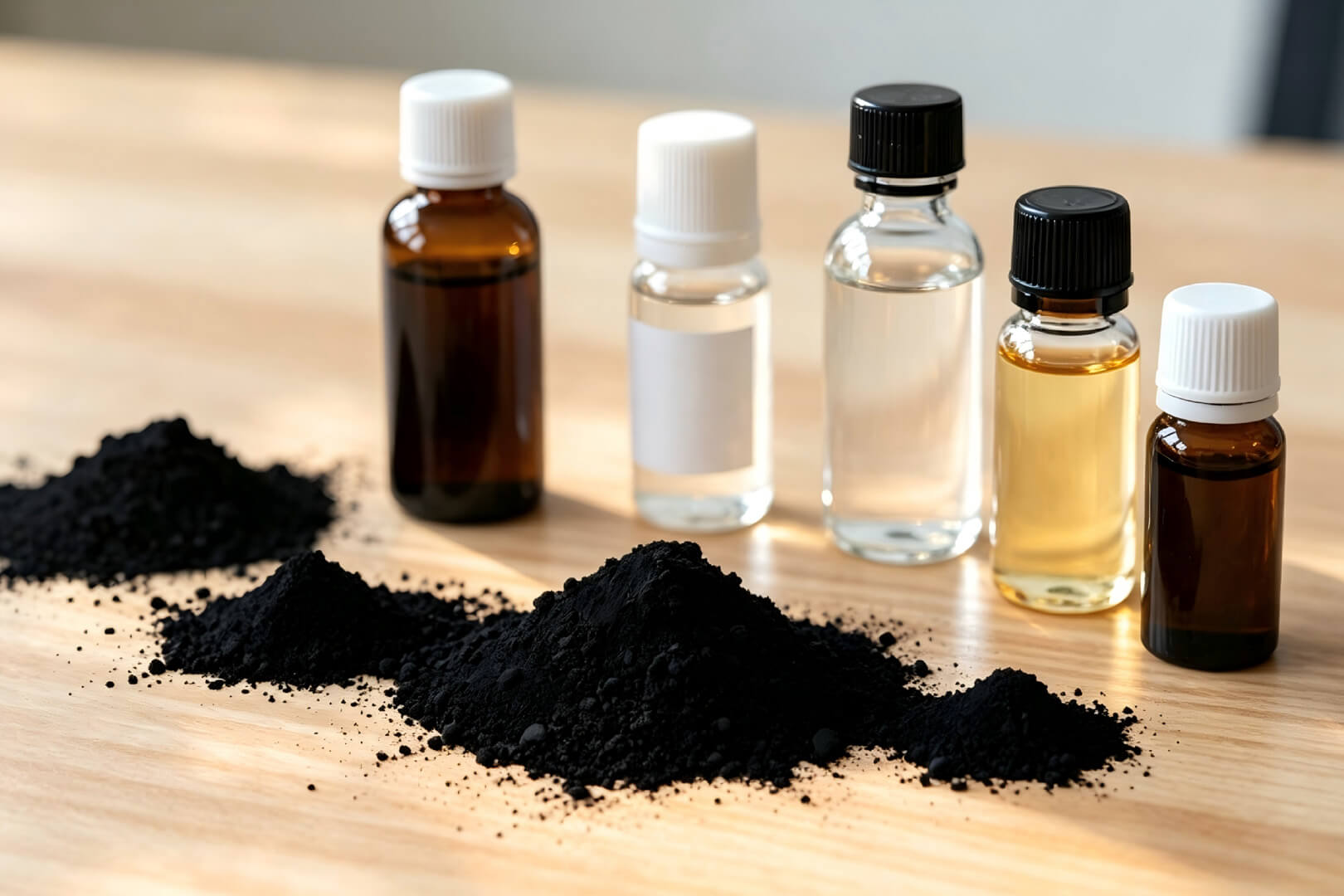
Silicone-based wetting agents are surface-active organosilicon materials used when a liquid formulation must spread cleanly across difficult substrates, cover low-surface-energy surfaces or level without beading and crawling. Their siloxane-rich structure can provide strong surface-tension reduction, while polyether or other organic modification is used to tune compatibility with the surrounding formulation.
Eata Silicon supports sourcing and formulation matching for silicone wetting agent raw materials used in coatings, inks, adhesives, sealants, functional polymer systems and specialty industrial processes. Material selection can be aligned with the liquid medium, resin chemistry, active content, viscosity, carrier system, ionic character, foam profile, slip and recoatability requirements, plus the substrate or filler that needs to be wetted.
Why Wetting Performance Matters
Wetting is an interfacial problem. A liquid generally spreads more easily when its surface tension is at or below the surface energy of the substrate. When the mismatch is too large, a formulation may pull back into droplets, leave uncovered areas, form craters or show uneven leveling. This is especially relevant for waterborne systems and for substrates such as plastics, coated metals and other low-energy or contaminated surfaces.
Silicone-based surface additives are widely used because the siloxane segment can lower surface tension efficiently. The organic portion of the molecule then helps balance solubility, mobility, foam behavior and compatibility with the resin or carrier phase. The best grade is therefore not simply the one that gives the lowest surface tension; it is the one that gives enough wetting without creating unwanted slip, foam stabilization, intercoat problems or surface defects.
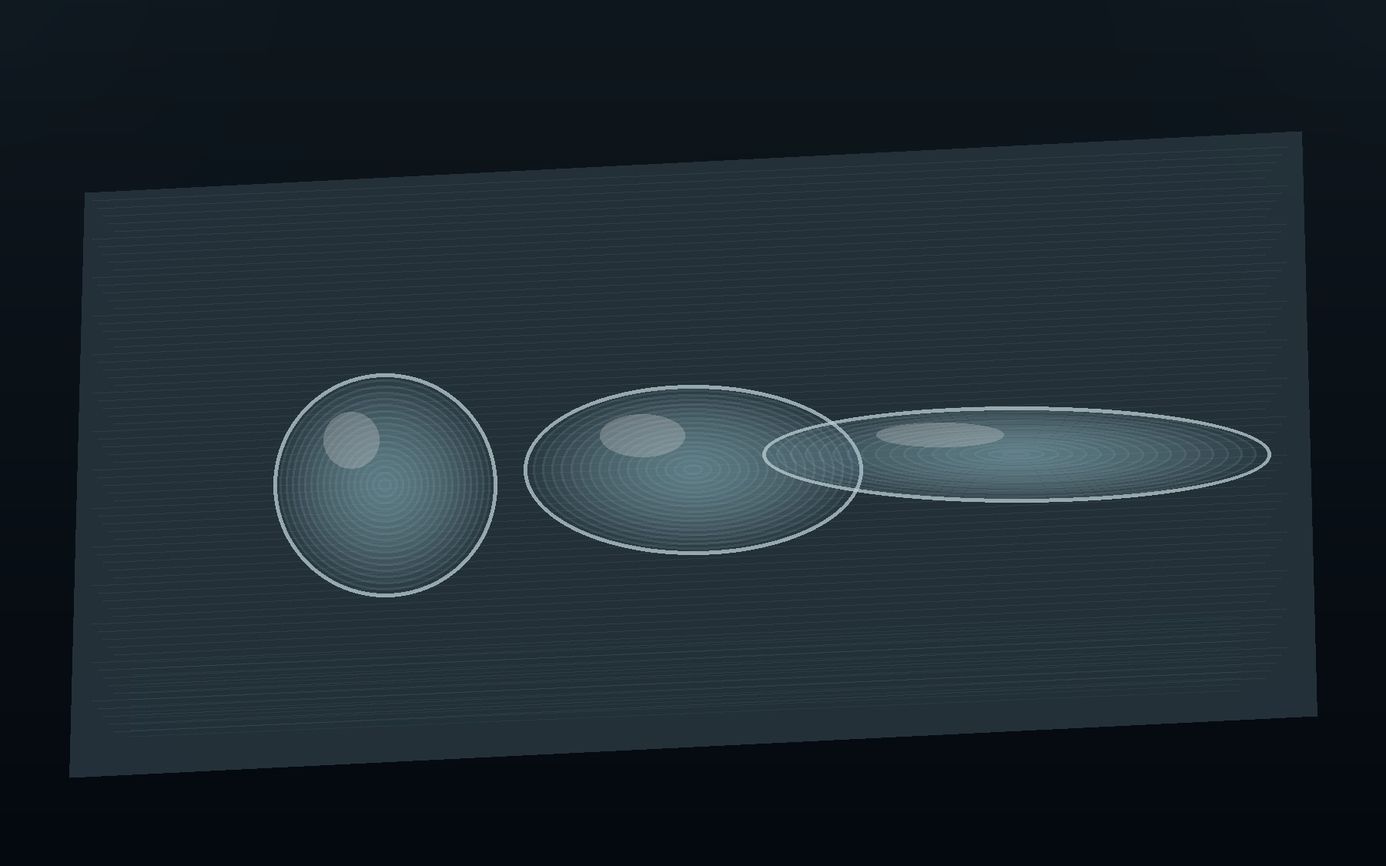 Illustrative progression from a compact droplet to a wider, lower-profile liquid film on a coated surface.
Formulation principle
Evaluate wetting together with leveling, foam, slip and recoatability. A highly active surface additive can solve one interfacial problem while shifting another, so practical selection should be based on the complete coating, ink, adhesive or polymer system.
Core Silicone Wetting Agent Raw-Material Families
| Raw-Material Family |
Typical Chemistry |
Primary Formulation Role |
Common System Fit |
Keywords |
| Polyether-modified siloxanes |
Siloxane backbone with polyether modification |
Broad substrate wetting, surface-tension reduction, leveling and anti-crater support |
Waterborne, solventborne and radiation-curable coatings; inks; selected adhesive systems |
polyether modified siloxane wetting agent; silicone polyether surfactant |
| Trisiloxane polyethers / organosilicone superspreaders |
Low-molecular siloxane architecture combined with polyether functionality |
Very rapid spreading and strong aqueous surface-tension reduction on difficult surfaces |
Aqueous industrial formulations and processes requiring fast coverage |
trisiloxane surfactant; organosilicone superwetting agent; superspreader |
| Silicone glycol surfactants |
Silicone-organic surfactant structure, often supplied as an active specialty fluid |
Wetting plus leveling, slip or mar-resistance effects depending on structure |
Waterborne, solventborne, solvent-free and energy-curable coating systems |
silicone glycol surfactant; silicone surface additive; silicone leveling additive |
| Siloxane-based gemini surfactants |
Siloxane surface-active structure designed around paired surfactant functionality |
Substrate wetting with crater control and, in selected grades, a balanced foam profile |
Broad industrial coating formulations |
siloxane gemini surfactant; silicone crater control additive |
| Hydrophobic polyether siloxane wetting / dispersing agents |
Polyether siloxane tuned for hydrophobic interaction and particle wetting |
Wetting of substrates plus improved incorporation or surface treatment of fillers |
Filled polymers, masterbatches, compounds, cable-related materials and specialty laminates |
polyether siloxane wetting and dispersing agent; filler wetting additive |
| Silicone-acrylate / silicone-polyether acrylic hybrids |
Silicone-containing or silicone/polyether-modified acrylate copolymer |
Controlled surface-tension reduction, leveling, slip and recoatability balance |
Solventborne and high-/medium-solids industrial coatings, depending on grade |
silicone acrylate surface additive; silicone leveling and wetting additive |
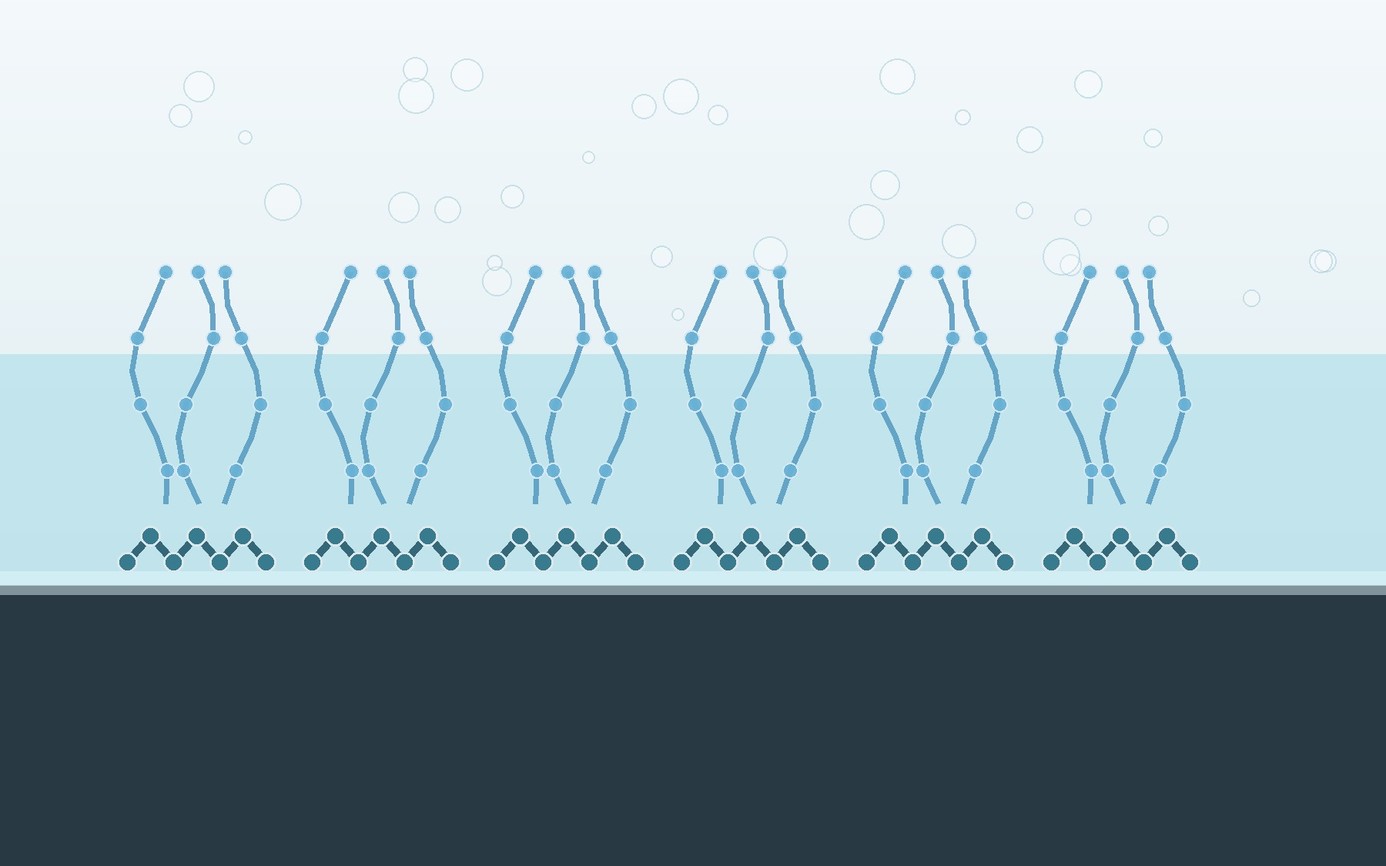 Conceptual view of surface-active siloxane/polyether structures orienting near a liquid-solid interface.
How to Select the Right Silicone-Based Wetting Agent
Commercial silicone wetting additives differ substantially in structure and behavior. Some are 100% active fluids; others are supplied in a carrier. Some prioritize rapid dynamic wetting, while others are designed to balance wetting with leveling, slip, crater prevention, foam control or recoatability. A useful technical inquiry should define the application before narrowing the chemistry.
| Selection Variable |
Why It Matters |
| Formulation medium |
Waterborne, solventborne, solvent-free, high-solids or radiation-curable systems place different demands on compatibility and mobility. |
| Resin / binder chemistry |
Acrylic, epoxy, polyurethane, polyester and other resin systems can respond differently to the same surface additive. |
| Substrate surface |
Identify metal, glass, polymer film, PP/PE, coated surface, composite or another low-energy surface that must be wetted. |
| Static vs. dynamic wetting |
Fast spray, printing, roll coating and other high-speed processes may require rapid dynamic surface-tension reduction, not only a low equilibrium value. |
| Active content and carrier |
100% active materials and diluted grades can differ in handling, incorporation and dosage control. |
| Foam tendency |
Certain silicone surfactants can stabilize foam, while other structures are chosen specifically for lower foam or even some defoaming contribution. |
| Slip and surface feel |
Some silicone additives strongly increase slip; others are selected when wetting is needed with minimal slip change. |
| Recoatability / intercoat adhesion |
Surface migration can affect subsequent coating steps, so multilayer processes should be screened for intercoat performance. |
| Filler or pigment interaction |
If the goal includes particle wetting or dispersion, specify filler type, loading, particle size and polymer or carrier matrix. |
| Process conditions |
Mixing shear, temperature, application speed, cure route and film thickness can change the practical response of a wetting additive. |
Performance Benefits in Industrial Formulations
- Improved substrate wetting on low-surface-energy or otherwise difficult surfaces, helping liquid films spread more continuously.
- Lower surface tension in waterborne and other liquid systems, supporting coverage and reducing beading or crawling.
- Better leveling and crater control when the selected additive is designed to influence coating-surface flow.
- Faster spreading for high-speed application processes when dynamic wetting is the critical parameter.
- Compatibility across multiple formulation types when the siloxane and organic segments are matched to the resin and carrier phase.
- Optional secondary effects such as slip, gloss, mar resistance, foam behavior or filler wetting, depending on the specific silicone architecture.
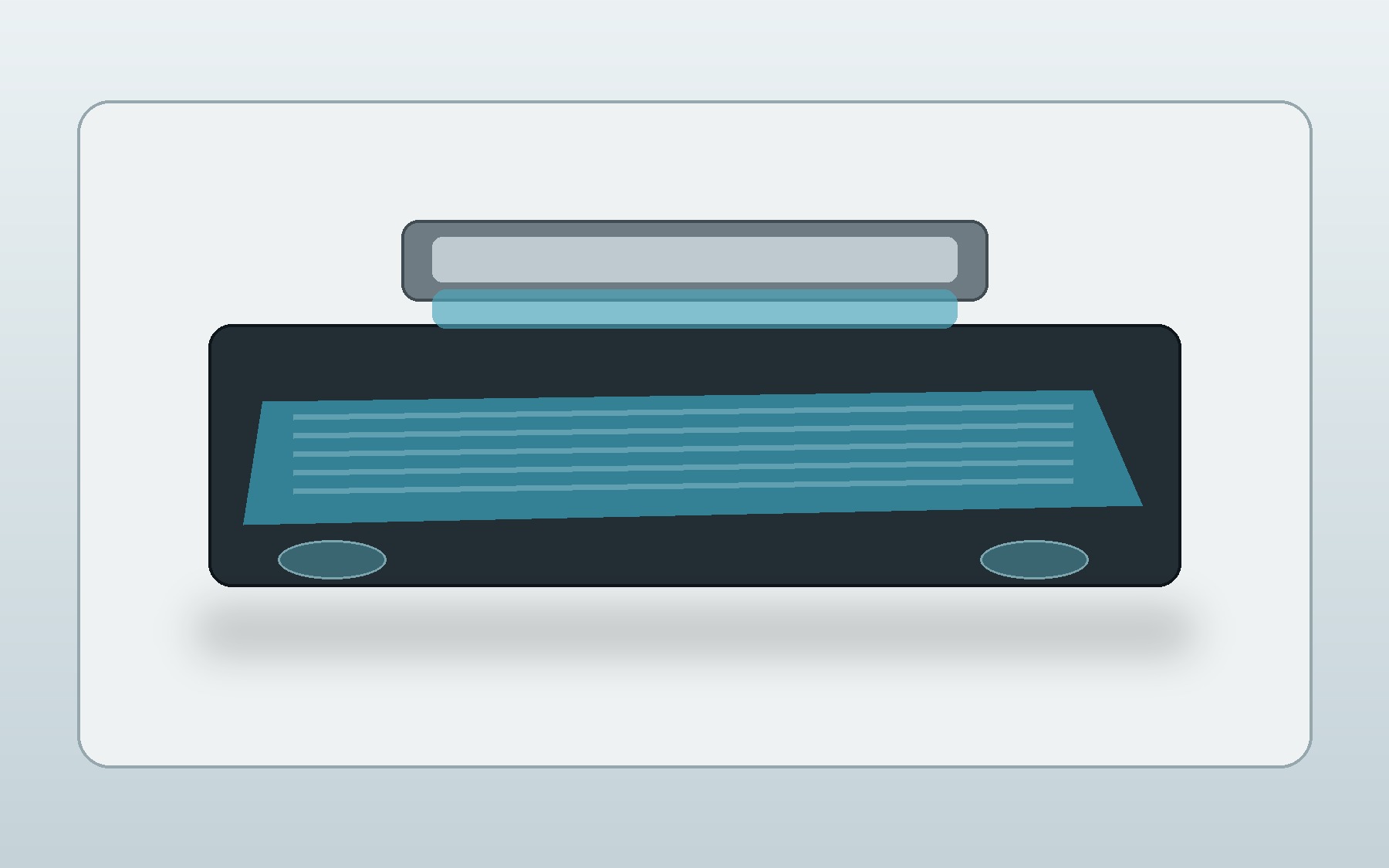 A smooth, continuous liquid layer illustrates the goal of controlled wetting during coating application.
Application Areas for Silicone Wetting Agent Raw Materials
Industrial and Protective Coatings
Silicone-containing surface additives are used in waterborne, solventborne, solvent-free and radiation-curable coatings to reduce surface tension, improve substrate wetting and support leveling. They can be particularly useful where the coating must cover plastic, coated metal or another relatively low-energy surface. For protective and functional coating programs, the formulation team should also check intercoat adhesion, slip and crater behavior rather than judging wetting alone.
Printing Inks and Functional Printing
Inks applied to polymer films, coated sheets and other nonporous surfaces often need rapid wetting before the liquid has much time to equilibrate. Silicone polyether and related surface additives can be evaluated for dynamic spreading, leveling and defect reduction in waterborne, solventborne or UV-curable ink systems. Inkjet and other fast application processes may place special emphasis on dynamic surface tension and foam control.
Adhesives, Sealants and Lamination
A wetting additive can help an adhesive film contact a difficult substrate more uniformly before curing or drying. Polyether siloxanes are used commercially in adhesive, label, tape and laminating applications where improved spreading is needed. Selection should consider the adhesive chemistry and whether the final bond requires a tightly controlled balance between surface activity and adhesion.
Filled Polymers, Masterbatches and Cable-Related Compounds
Some polyether siloxanes are designed not only for substrate wetting but also for particle wetting and dispersion. These materials can assist the incorporation or surface treatment of fillers and flame-retardant particles in polymer compounds. In cable and other filled polymer systems, the additive should be matched to the host resin, filler chemistry, loading and compounding route.
Electronics and Energy-Related Surface Systems
Siloxane-based wetting additives are also represented in supplier portfolios for electronics coatings and broader industrial surface-treatment markets. In energy-related manufacturing, the same wetting principles can be relevant to protective coatings, insulating or encapsulation-related surface layers, coated metal parts, polymer components and specialty adhesives. The material should be qualified in the actual formulation because electrical, adhesion, contamination and cure requirements vary widely between projects.
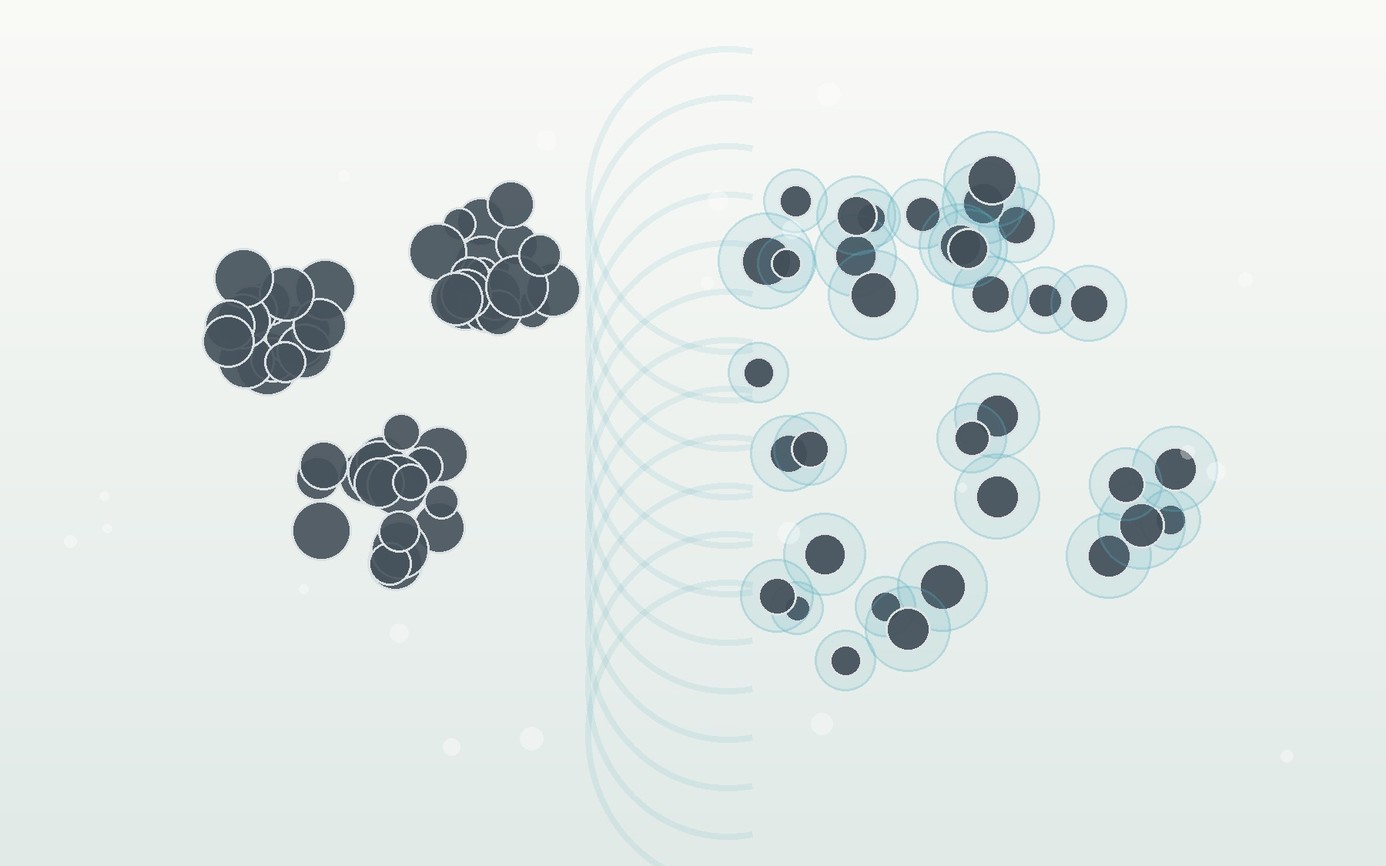 Particle wetting can help convert compact agglomerates into a more uniformly distributed filler population within a formulation.
Related Products
| Products |
Description |
| Silicone-based wetting agent |
Broad term for organosilicon additives used to lower surface tension and improve substrate wetting. |
| Silicone wetting additive for coatings |
Application-led search for silicone surface additives used in industrial paint and coating formulations. |
| Polyether modified siloxane |
Common chemistry description for silicone polyether wetting and leveling additives. |
| Silicone polyether surfactant |
Search term for amphiphilic silicone-organic surfactants used in aqueous and mixed formulation systems. |
| Trisiloxane surfactant |
Low-molecular organosilicone surfactant family associated with strong spreading and superwetting behavior. |
| Organosilicone superspreader |
Performance-led term for highly active silicone surfactants used when rapid spreading is required. |
| Silicone substrate wetting agent |
Term used when the main target is coverage of difficult, low-energy or contaminated substrates. |
| Silicone leveling additive |
Overlapping product category where wetting, flow, leveling and surface defect control are combined. |
| Silicone additive for waterborne coatings |
Search term for silicone surface additives compatible with aqueous coating systems. |
| Silicone additive for UV coatings |
Search term for silicone polyether or related surface additives used in radiation-curable formulations. |
| Silicone wetting agent for adhesives |
Application term for wetting difficult substrates in adhesive, label, tape and lamination systems. |
| Silicone wetting and dispersing agent |
Term used where substrate wetting and particle/filler wetting are both relevant. |
 Conceptual coated industrial components represent wetting and film-control needs in energy and electrical material systems.
Different formulations need different interfacial behavior. Eata Silicon can discuss customized raw-material targets around siloxane architecture, polyether or other organic modification, active content, carrier system, viscosity, compatibility, surface-tension performance, foam profile, slip balance, filler interaction and project-specific analytical requirements.
For a new development, share the substrate or filler, formulation medium, resin chemistry, process route and the performance variables that matter most. We can use those details to evaluate an appropriate silicone wetting agent family, a related surface additive or a customized material specification for further qualification.
Discuss your formulation with Eata Silicon
Send the application, resin or polymer system, substrate or filler type, and the wetting or surface-control problem you need to solve. A specification-based inquiry gives both purchasing and formulation teams a clearer path to material comparison and quotation.
For Research or Industrial Raw Materials, Not For Personal Medical Use!