Phenyl silicone resins are selected when a formulation must combine the durable siloxane framework of silicone chemistry with a practical balance of high-temperature performance, weatherability, electrical insulation and film integrity. By adjusting phenyl and methyl substitution, network structure and reactive functionality, formulators can tune how the resin works with pigments, fillers, organic binders and downstream curing processes.
Eata Silicon supports phenyl-functional resin projects around the actual use case rather than a generic resin name. The available product family includes methyl phenyl silicone resin solutions for heat-resistant coatings, hydroxyl-functional phenyl resins for engineering-polymer modification, high-temperature phenyl resin binders, and epoxy-modified phenyl-methyl systems for coating and insulation development.
What Are Phenyl Silicone Resins?
Silicone resins are branched or network-forming organosilicon materials built around Si-O-Si bonds. In methyl/phenyl grades, organic groups attached to silicon include both methyl and phenyl substituents. The relative balance of these groups, together with the resin architecture and residual reactive groups, influences compatibility, film hardness, flexibility, cure behavior and response to repeated thermal exposure.
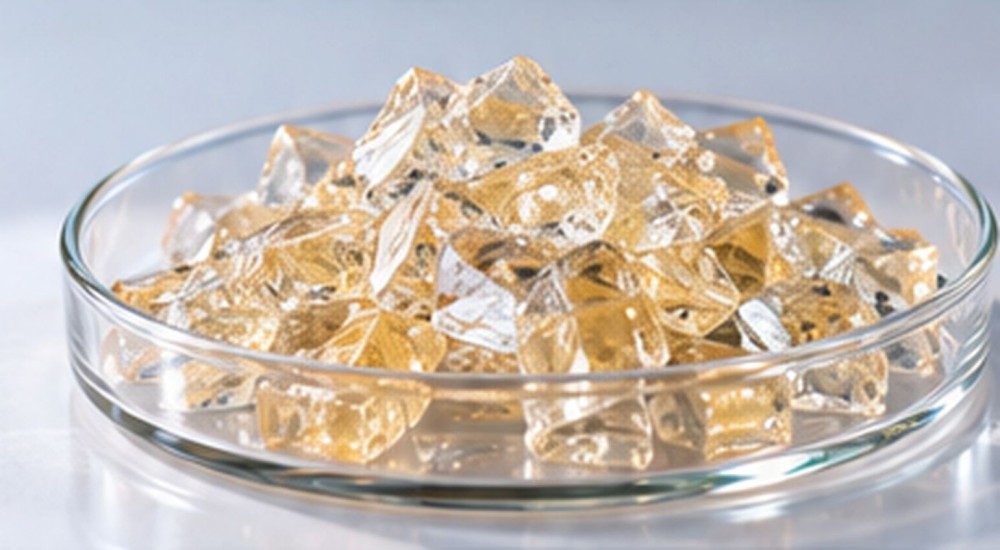 Representative visual of a solid phenyl-modified silicone resin form; supplied appearance is grade-specific.
What Phenyl Functionality Brings to Formulation Design
High-temperature binder potential
Methyl/phenyl silicone resin families are widely used as binders in heat-resistant paints. The usable temperature window must still be validated in the complete coating system.
Organic-resin compatibility
Phenyl-containing structures are often considered when a silicone resin must work with selected epoxy, polyester, acrylic, alkyd or other organic-resin components. Compatibility remains grade- and formulation-specific.
Hardness versus flexibility
Commercial methyl/phenyl ranges span flexible, medium-hard and high-hardness film profiles, allowing the binder choice to follow the expected thermal cycling and mechanical demand.
Electrical insulation
Methylphenyl silicone resin solutions have established use in insulating varnishes, flexible mica systems and coil impregnation, including Class H insulation applications.
Weatherability and protective performance
Phenyl/methyl resin modifiers are used to improve heat and weather resistance in selected organic coatings and powder-polyester systems.
Multiple processing routes
Industry examples include room-temperature-drying, heat-cured, organic-solvent, solvent-free and reactive resin technologies, giving formulators several paths to the desired processing window.
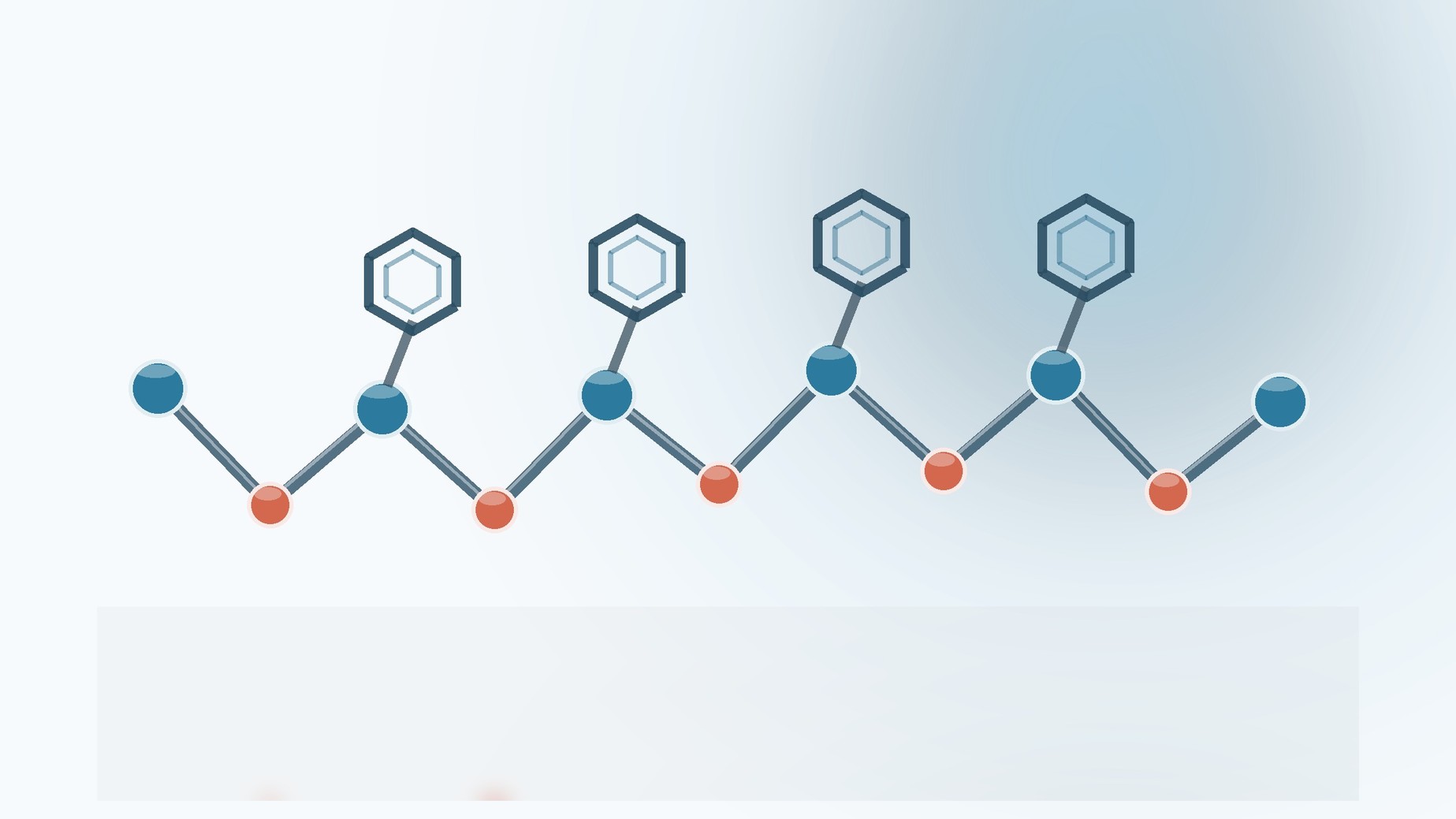 Phenyl substituents can be incorporated into a siloxane-based resin architecture to tune resin behavior.
Representative Phenyl Silicone Resin Products
| Products |
Keywords |
Typical Application Focus |
| Phenyl-Functional Silicone Resin for Polymer Modification |
Phenyl-functional silicone resin; specification is grade-specific. |
Formulated polymer and resin systems; starting point when the project is defined primarily by phenyl functionality. |
| Hydroxyl-Functional Phenyl Silicone Resin for High-Temperature Polymer Modification |
Silanol-functional phenyl resin. Source record states <3% weight loss after aging at 250 °C for 72 h. |
High-temperature modification and flame-retardant formulation support for PET, PA66, polycarbonate and related engineering polymers. |
| Ambient-Drying Methyl Phenyl Silicone Resin, 50% Solids |
Xylene-borne; 50 ± 2% solids; Ford No. 4 cup 15-35 s at 25 °C; surface dry 20-30 min on tinplate at 25 °C. |
Heat-resistant coatings, non-bake high-temperature coatings and Class H electrical insulating coatings. |
| High-Temperature Phenyl Silicone Resin for 700 °C Coating Systems |
Phenyl silicone resin binder intended for coating systems specified up to 700 °C. |
High-temperature protective coatings and heat-resistant industrial finishes. |
| High-Temperature Methyl Phenyl Silicone Resin Solution, 50% Solids, 60-200 mPa·s |
Xylene / n-butanol solution; 50 ± 2% solids; 60-200 mPa·s at 25 °C; phenyl:methyl ratio 0.8:1.0. |
High-temperature coatings, ambient-drying heat-resistant coatings, Class H insulation and refractory protective coatings for metal. |
| Epoxy-Modified Phenyl Methyl Silicone Resin, 50% Solids |
Xylene-borne; 50 ± 2% solids; Ford No. 4 cup 20-60 s at 25 °C. |
High-temperature and weather-resistant coatings, internal anticorrosion coatings and Class H insulating coatings. |
 Liquid resin grades can be selected around solids, viscosity, solvent package and cure route.
Applications in Energy and High-Performance Industry
High-Temperature Protective Coatings
Heat-resistant paint is one of the most established uses of methyl/phenyl silicone resins. Public technical data for commercial methyl/phenyl grades shows product choices ranging from room-temperature-drying lacquer binders to flexible, medium-hard and high-hardness heat-cured resins. Eata Silicon source records likewise include ambient-drying 50% solids methyl phenyl resin, a high-temperature phenyl binder for coating systems specified up to 700 °C, and a 50% solids methyl phenyl resin solution for high-temperature and refractory protective coatings.
For real equipment, the resin is only one part of the coating system. Pigment chemistry, inorganic filler package, film thickness, substrate, pretreatment, cure schedule and heating atmosphere can materially change the result. This is especially important for exhaust components, furnace hardware, heat exchangers, high-temperature metal housings and other assets that see thermal cycling rather than one static temperature.
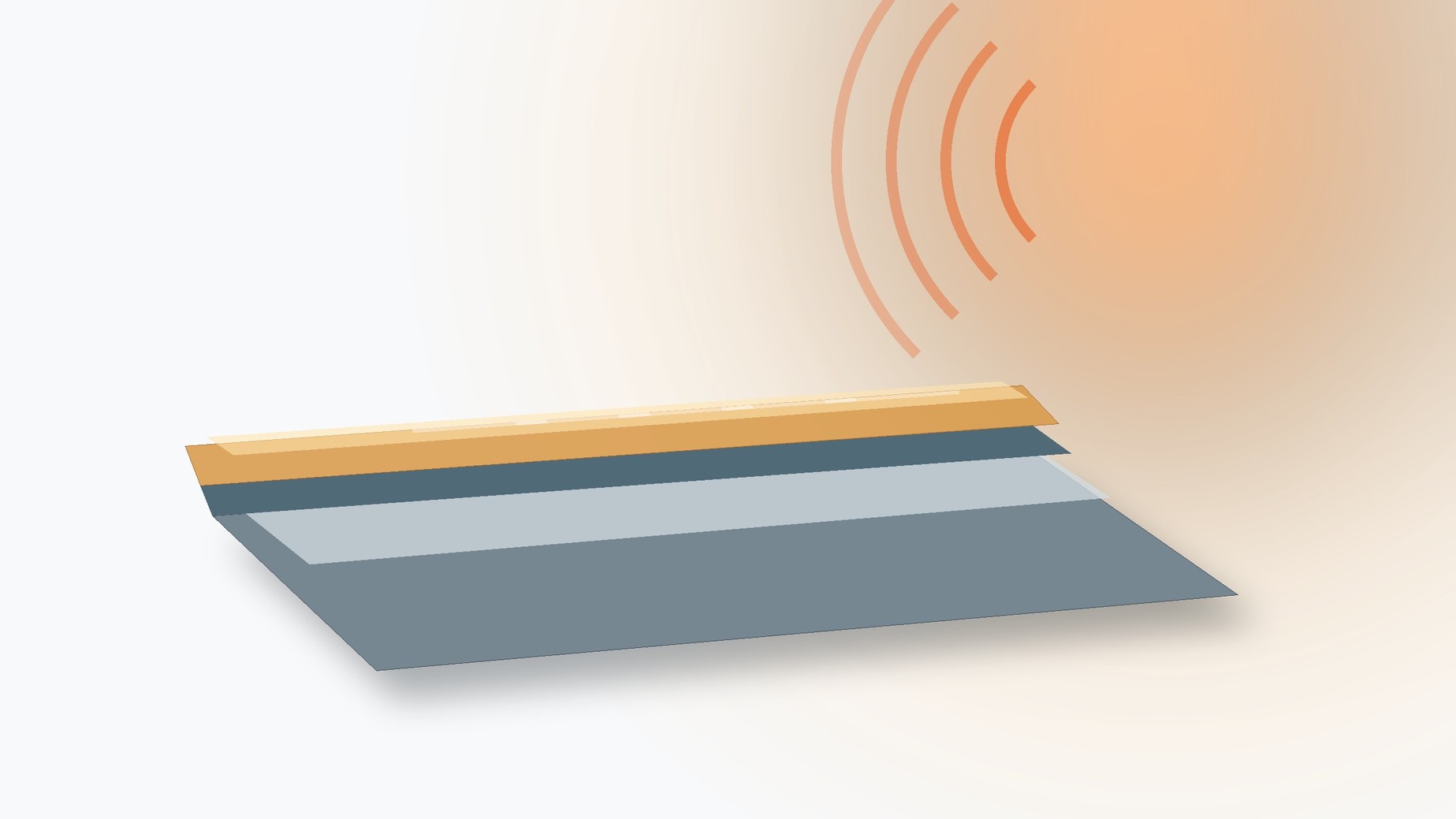 High-temperature coating performance is engineered through the binder, pigment/filler package, substrate and cure schedule.
Electrical Insulation, Coil Impregnation and Mica Systems
Methylphenyl silicone resin solutions also have a long record in electrical insulation. Public manufacturer literature describes methylphenyl resin used for flexible mica and glass-mica tapes and sheets, with application by dipping, brushing or spraying, as well as consideration for coil impregnation. In the Eata Silicon product-source records, ambient-drying and high-temperature methyl phenyl resin grades are specifically positioned for Class H insulating coatings.
Selection for motors, transformers, coils and other power equipment should be tied to the final insulation system: resin viscosity during impregnation, solvent release, cure conditions, bond to mica or conductor insulation, thermal class, film build and the required electrical test methods.
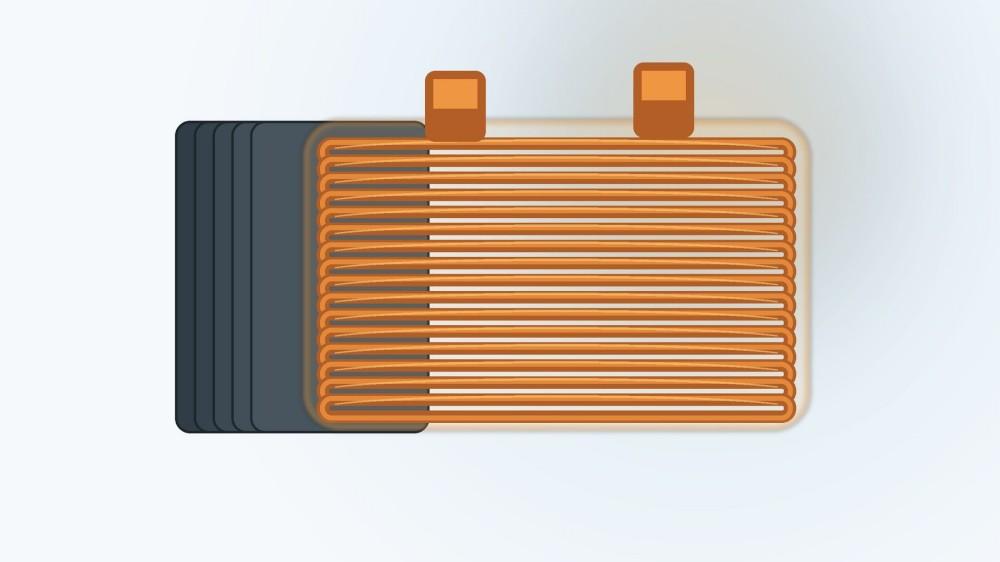 Methyl phenyl silicone resin systems are used in electrical insulation and coil-impregnation applications.
Polymer and Organic-Resin Modification
Phenyl functionality is also useful when the silicone component must integrate with an organic polymer system rather than act only as a standalone coating binder. Public resin portfolios include methyl/phenyl modifiers for organic coating resins and ethoxy-functional phenyl/methyl silicone resin designed to modify powder polyester. Eata Silicon product data includes a general phenyl-functional resin for polymer modification and a hydroxyl-functional phenyl resin for high-temperature modification of engineering resins such as PET, PA66 and polycarbonate.
For powder coatings and hybrid binders, discuss the base polymer, processing temperature, reaction route, catalyst, target gel time, storage stability and desired balance of heat resistance, appearance and flexibility before fixing a resin grade.
Protective Coating Systems Around Power Electronics
Power-electronics assemblies can place several demands on the resin system at the same time: thermal aging, insulation, adhesion to mixed substrates, moisture exposure and compatibility with the manufacturing process. Phenyl silicone resin may be evaluated as a binder or modifier where its chemistry matches the coating architecture, but the finished assembly should be qualified against its actual voltage, temperature and environmental requirements.
 Protective coating and insulation projects around power electronics require grade-specific thermal and electrical qualification.
Related Phenyl Silicone Resin Products
- Methyl Phenyl Silicone Resin
- Phenyl Methyl Silicone Resin
- High-Temperature Silicone Resin Binder
- Heat-Resistant Silicone Resin for Paints
- Ambient-Drying Methyl Phenyl Silicone Resin
- Phenyl Silicone Resin Solution, 50% Solids
- Hydroxyl-Functional / Silanol-Functional Phenyl Silicone Resin
- Phenyl Silicone Resin for Class H Insulation
- Phenyl Silicone Resin for Coil Impregnation
- Phenyl Silicone Resin for Polymer Modification
- Epoxy-Modified Phenyl Methyl Silicone Resin
- Phenyl/Methyl Silicone Resin for Polyester Powder Coating
- Solvent-Free Methoxy-Functional Phenyl-Methyl Resin Intermediate
When a standard grade is not the right fit, Eata Silicon can evaluate customized phenyl silicone resin requirements. A project may focus on methyl/phenyl balance, hydroxyl or alkoxy functionality, epoxy modification, target solids, viscosity window, solvent system or solvent-free format, cure behavior, film hardness and flexibility, thermal residue, selected impurity limits, analytical acceptance criteria or packaging configuration. Feasibility is reviewed project by project against the intended process and end-use requirements.
Discuss Your Phenyl Silicone Resin Requirement
Send the closest reference resin, application, substrate or base polymer, continuous and peak temperature, cure route, viscosity and solids targets, electrical or coating test requirements, expected quantity and packaging preference. Eata Silicon can review a standard grade, a related phenyl-functional material or a project-specific specification.
For Research or Industrial Raw Materials, Not For Personal Medical Use!