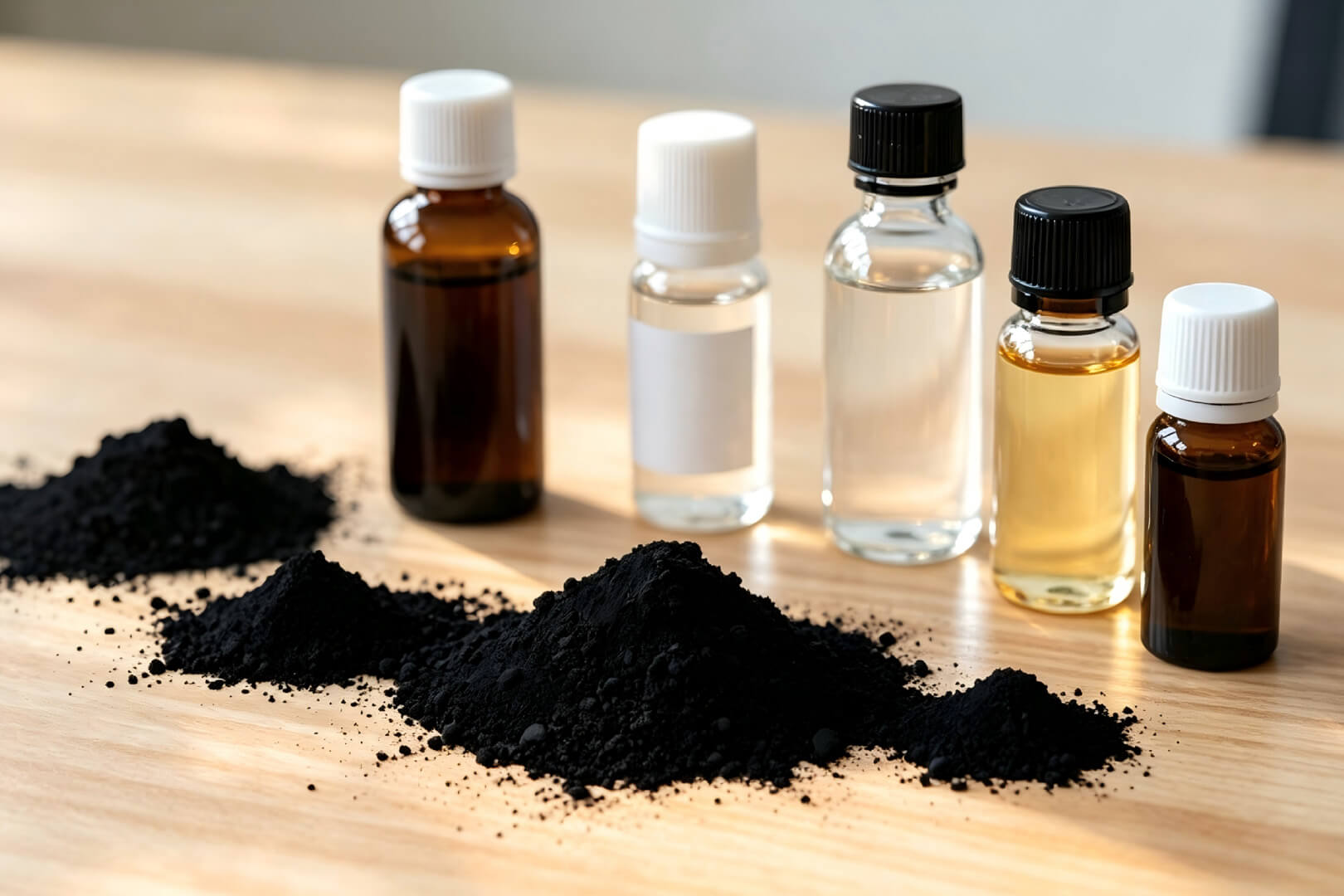
Most bonds between an organic resin and an inorganic world fail for the same simple reason: the two chemistries refuse to talk to each other. Nitrogen-containing silane monomers are the translators. The amino, ureido, or isocyanato group at one end of the molecule reacts straight into epoxy, polyurethane, phenolic, or polyamide chemistry, while the trialkoxysilyl group at the other end anchors covalently to glass, silica, metal oxides, and mineral fillers. One small molecule, two native languages — and a permanent bridge across the interface.
Eata Silicon manufactures and stocks the full nitrogen-functional range, from the industry-standard KH-550 aminopropylsilane through diamino, ureido, and isocyanato specialties, in industrial and high-purity grades. Below you will find how the coupling mechanism works, which nitrogen group suits which resin system, and the specification points worth fixing before you order.
Browse Our Products
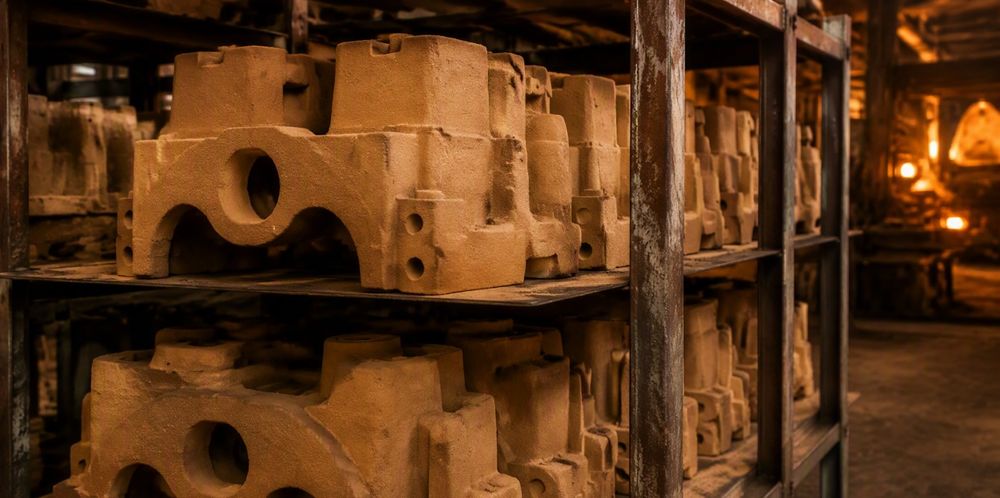 Resin-bonded sand cores owe their strength to a fraction of a percent of aminosilane bridging binder and grain.
A Molecule With Two Hands
The coupling sequence repeats everywhere these monomers are used. In the presence of moisture, the alkoxy groups hydrolyze to silanols and condense onto the hydroxyl-rich surface of glass fiber, silica flour, aluminum, or pigment particles, locking the molecule down through siloxane bonds. The nitrogen group, now standing on the substrate, does the opposite job: it co-reacts with the resin during cure — with epoxides, isocyanates, phenolic methylols, or carboxyl groups — so the polymer matrix ends up chemically stitched to the reinforcement rather than merely touching it.
Aminosilanes are unusually cooperative reagents. Where most alkoxysilanes want acid catalysis to hydrolyze, the amino group is basic enough to catalyze its own hydrolysis, and grades like KH-792 remain genuinely soluble and stable in water at pH 9–10 — a rarity among silanes, and the reason aminosilanes can be applied from simple aqueous baths. Formulation practice is equally forgiving: typical dosage runs 0.5–2.0 wt % on filler weight, or 0.1–1.0 wt % on resin, with pre-hydrolysis at pH 4–5 under dilute acetic acid where a stable treating solution is needed.
Choosing the nitrogen group is the real formulation decision:
| Nitrogen Function |
Representatives (CAS) |
Where It Excels |
| Primary amino |
KH-550 (919-30-2), KH-540 (13822-56-5) |
The universal coupling pair — epoxy, phenolic, PU, PA, PBT; filler and glass-fiber treatment |
| Primary amino, difunctional |
KH-902 (3179-76-8) |
Lower crosslink density for flexible interfaces; cold-cure foundry resins with long shelf life |
| Diamino |
KH-792 (1760-24-3), KH-602 (3069-29-2) |
Extra reactivity and water solubility — sealant primers, foundry binders, RTV adhesion |
| Secondary aromatic amino |
N-Phenyl grade (3068-76-6) |
High-temperature aging resistance in glass-reinforced phenolics; SPU modification |
| Ureido |
3-Ureidopropyltriethoxysilane (23779-32-0) |
Mild, low-color adhesion promotion for epoxy adhesives and coatings |
| Isocyanato |
ICPTES (24801-88-5) |
Reacts with any active hydrogen — the end-capping reagent behind MS and SPUR hybrid polymers |
 Inside every composite blade: glass fabric, epoxy, and an invisible aminosilane layer keeping them bonded through decades of flexing.
Composites: The Adhesion You Never See
Glass fiber leaves the furnace with a sizing bath, and aminosilane is almost always in it. The reason shows up in the test data: mineral-filled phenolics, epoxies, polyamides, PBT, and polycarbonates coupled with KH-550 keep their flexural, compressive, and interlaminar shear strengths after humidity exposure that strips uncoupled laminates, and their wet electrical properties stay intact — critical for insulation duty. The same monomer improves filler wetting and dispersion, so compounds process at lower viscosity with fewer dry spots to start a delamination.
The specialty grades earn their premium at the extremes. N-Phenyl-3-aminopropyltrimethoxysilane substitutes for standard aminosilanes where glass-reinforced phenolics must survive elevated-temperature aging, the aromatic amine stabilizing the interface long after an aliphatic one would degrade. Difunctional KH-902 trades crosslink density for a more forgiving, flexible interphase. It is no accident that amino silanes form the leading product segment of the silane coupling agent market at roughly 28 % of demand — within a global coupling-agent business estimated at USD 1.35 billion in 2026 and projected to grow at about 6 % annually toward USD 2.2 billion by 2034.
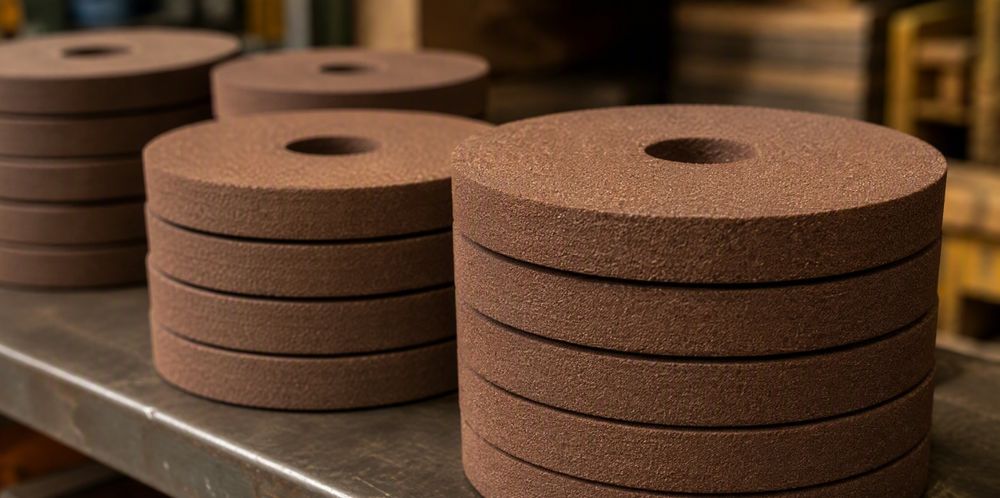 Phenolic-bonded abrasives hold their grit — and their water resistance — thanks to aminosilane built into the binder.
Foundry, Abrasives, and Insulation Wool
Foundries buy aminosilanes by the drum because the economics are direct. In shell-molding and resin-coated-sand work, KH-792 strengthens the phenolic binder's grip on each sand grain: cores come out stronger and smoother, castings finish cleaner, and the resin itself can be dosed lower — while the silane simultaneously cuts high-temperature gas evolution that otherwise blows pinholes into the casting. Cold-curing phenolic and furan systems call for the difunctional KH-902 instead, prized there for preserving flexural strength with a notably long usable shelf life.
Two quieter outlets complete the picture. Grinding-wheel makers add the same monomers to phenolic bonds to keep abrasive grit anchored and the wheel water-resistant through wet grinding. And in glass-wool and mineral-wool insulation, a small aminosilane addition to the phenolic binder gives the finished mat its moisture resistance and its ability to spring back after compression in the pack — the difference between insulation that arrives fluffy and insulation that arrives flat.
Representative Products at a Glance
| Product |
CAS No. |
Nitrogen Group |
Typical Role |
| 3-Aminopropyltriethoxysilane (KH-550) |
919-30-2 |
Primary amino |
Universal coupling agent for epoxy, phenolic, PA, PBT systems |
| 3-Aminopropyltrimethoxysilane (KH-540) |
13822-56-5 |
Primary amino |
Fast-hydrolyzing grade; HFFR cable fillers, primers |
| 3-Aminopropylmethyldiethoxysilane (KH-902) |
3179-76-8 |
Primary amino (di) |
Flexible coupling layer; cold-cure foundry resins |
| N-(2-Aminoethyl)-3-aminopropyltrimethoxysilane (KH-792) |
1760-24-3 |
Diamino |
Foundry sand binders; water-soluble sealant adhesion promoter |
| N-(2-Aminoethyl)-3-aminopropylmethyldimethoxysilane (KH-602) |
3069-29-2 |
Diamino (di) |
RTV and hybrid-sealant adhesion promoter |
| N-(2-Aminoethyl)-3-aminopropyltriethoxysilane |
5089-72-5 |
Diamino, ethoxy |
Slower-curing diamino for extended open time |
| N-Phenyl-3-aminopropyltrimethoxysilane |
3068-76-6 |
Aromatic amino |
Heat-aging-resistant phenolic composites; SPU synthesis |
| Bis[3-(triethoxysilyl)propyl]amine |
13497-18-2 |
Secondary dipodal |
Moisture-cure adhesives; up to six bonds per molecule |
| 3-Ureidopropyltriethoxysilane |
23779-32-0 |
Ureido |
Low-color adhesion promoter for epoxy adhesives |
| 3-Isocyanatopropyltriethoxysilane (ICPTES) |
24801-88-5 |
Isocyanato |
MS/SPUR polymer end-capping; PU sealant crosslinker |
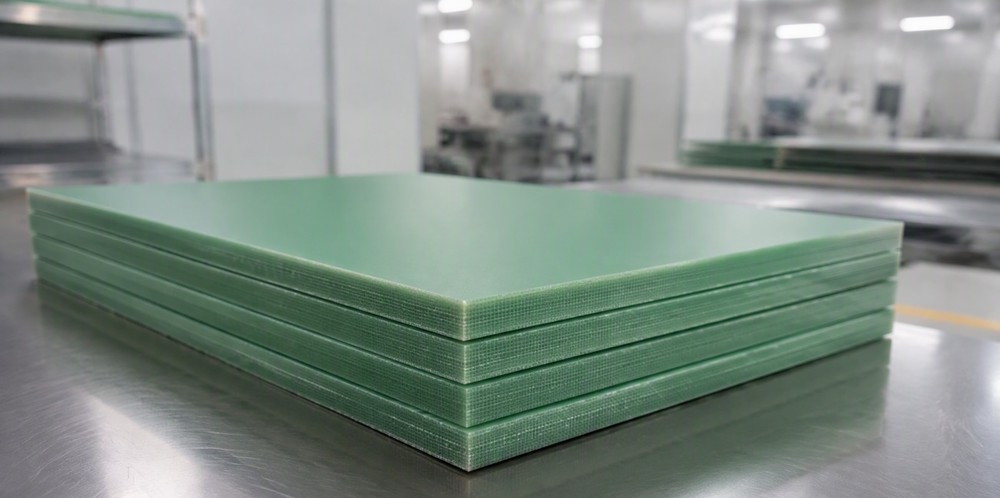 Copper-clad laminates stack glass cloth and epoxy into the backbone of electronics — the interface between them is silane chemistry.
Electronics, Cables, and Hybrid Sealants
Every epoxy-glass laminate in a printed circuit board begins life as glass fabric finished with a silane, and amino grades remain standard for epoxy-compatible finishes. The same chemistry keeps halogen-free flame-retardant cable compounds processable: KH-540 pretreats the aluminum and magnesium hydroxide filler loadings that HFFR formulations depend on, restoring the dispersion and mechanical strength that untreated mineral filler would destroy.
Isocyanatosilane plays a different, synthetic role. Its –NCO group snaps onto the hydroxyl ends of polyether or polyurethane prepolymers, leaving a trialkoxysilyl terminus behind — which is precisely how silane-modified MS and SPUR polymers are made. One molecule of ICPTES per chain end converts a hydroxyl polymer into a moisture-curable, isocyanate-free sealant resin, and smaller doses serve as crosslinkers and adhesion promoters inside one-part urethane and hybrid formulations. Handling this grade demands respect: it is a moisture-sensitive, toxic-by-skin-contact liquid shipped under strict packaging, and our documentation covers the requirements in full.
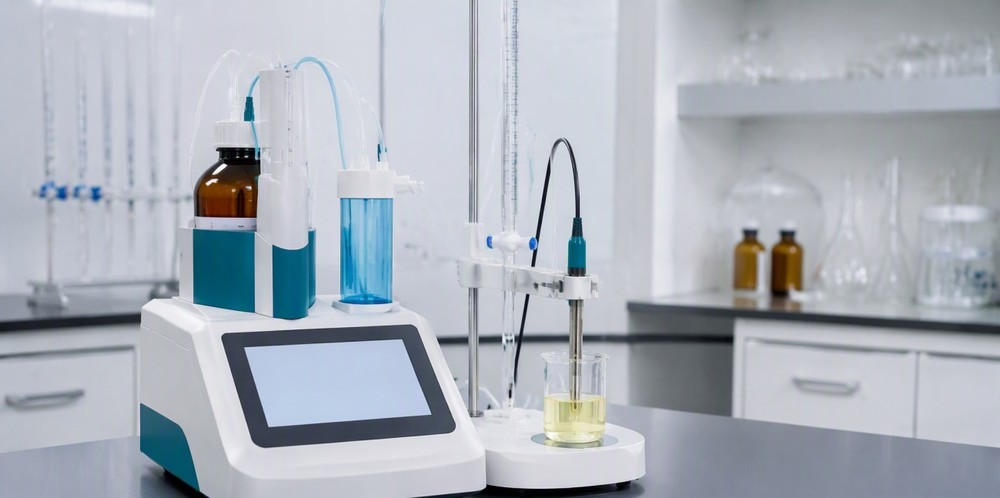 Amine value, assay, moisture — every nitrogen-functional lot is titrated and chromatographed before release.
Analytical Control From Kettle to Drum
Nitrogen functionality adds an extra dimension to quality control, so our release panel goes beyond the standard silane checks:
- Assay by GC — 97–99 % minimum depending on grade, with the diamino content of KH-792 and isomer profile of specialty amines reported individually.
- Amine value by potentiometric titration, confirming that the nitrogen group itself — the part you are paying for — is present at full strength.
- Moisture by Karl Fischer titration; amino grades self-catalyze, so water discipline in storage matters even more than with alkyl silanes.
- Density and refractive index inside narrow windows — KH-550 at 0.951 ± 0.005 g/cm³ with nD 1.4225 ± 0.005, KH-540 at 1.016 ± 0.005 with nD 1.4230 ± 0.005, as published examples.
- Color on the Pt-Co scale, since yellowing in an aminosilane signals oxidation and directly foreshadows discoloration in clear coatings and sealants.
Packaging and Logistics
Primary aminosilanes are alkaline, skin-sensitizing liquids and travel as Class 8 corrosives — KH-550 ships as UN 2735, Packing Group III — while the isocyanato grade moves under its own toxic-liquid provisions. Standard packs are 25 kg pails and 180–200 kg tight-head drums in plastic or steel, with 950–1,000 kg IBCs for volume users; isocyanatosilane is additionally nitrogen-blanketed and sealed against atmospheric moisture. Stored cool, dry, and sealed, amino grades hold a twelve-month shelf life; opened containers should be consumed promptly.
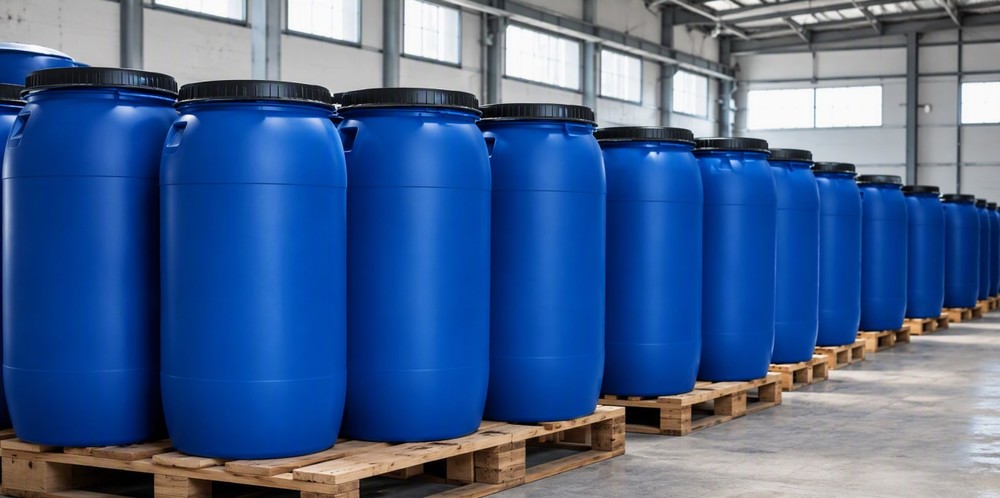 Sealed tight-head drums and IBCs keep aminosilanes dry and carbonate-free from our filling line to your dosing station.
How to Specify Nitrogen-Containing Silane Monomers
- Name the nitrogen function and the CAS number — amino, diamino, ureido, and isocyanato grades are not interchangeable.
- Choose methoxy for speed or ethoxy for a slower, lower-odor hydrolysis; ask us if your line cannot tolerate methanol release.
- State assay, amine value, and color limits together — all three drift when an aminosilane ages.
- Tell us the resin system (epoxy, phenolic, PU, PA) and the substrate (glass, metal, mineral filler) so the coupling pair is matched, not guessed.
- For aqueous application, ask about pre-hydrolyzed or water-stable grades and their working pH window.
- For MS/SPUR synthesis, specify ICPTES purity and moisture — ppm-level water in the end-capper shows up as gel in the reactor.
Catalog grades cover most needs; the rest is our custom work. Eata Silicon synthesizes uncommon amino-silane structures and oligomeric diamino blends, produces methoxy/ethoxy variants of a given nitrogen function, pre-hydrolyzes monomers into ready-to-use aqueous coupling solutions, and purifies isocyanatosilane to reactor-grade dryness for polymer producers. Evaluation samples, private-label packaging, and lot-reserved recurring supply are standard parts of the conversation.
Describe the interface you are trying to bond — resin, substrate, and process — and our team will come back with the monomer, the data sheet, and a quotation.
For Research or Industrial Raw Materials, Not For Personal Medical Use!