Flame-retardant silicone rubber is selected when a component must stay flexible and electrically insulating while also meeting a defined flammability objective. Dedicated formulations build on the heat resistance, cold flexibility and weatherability associated with silicone elastomers, then balance those properties with the additives, fillers and cure system needed for the target part and process.
Eata Silicon supports specification-led sourcing of flame-retardant silicone rubber raw materials and compounds for molding, extrusion, electrical insulation, sealing and related industrial development. Instead of treating every flame-resistant silicone as interchangeable, we focus the inquiry on the flammability target, Shore A hardness, processing route, mechanical requirements and electrical performance that matter in the finished part.
Why Flame-Retardant Silicone Rubber Is Different
The phrase "flame-retardant silicone rubber" describes a performance category rather than one universal grade. Published commercial products span low- and higher-hardness compounds, molding and extrusion grades, electrical-insulation materials, halogen-free formulations, and one- or two-component liquid systems. Their fire-test classifications also vary by product, which is why the correct grade should be chosen against the actual test requirement instead of relying only on the material name.
- Controlled flame behavior: formulations can be developed around a defined flame-resistance or self-extinguishing target, with the applicable test method confirmed for the selected grade.
- Electrical insulation: silicone rubber is widely used in insulating molded parts, sleeves, cable-related components and electronic assemblies because electrical properties remain stable across broad operating conditions.
- Heat and cold performance: silicone elastomers retain flexibility across temperatures that can make many conventional organic rubbers soften, harden or become brittle.
- Mechanical design freedom: hardness, tensile behavior, elongation and tear resistance can be balanced for soft seals, flexible sleeves or more rigid molded insulating parts.
- Environmental durability: weather, ozone and moisture resistance are important for components that must remain elastomeric during long-term outdoor or equipment exposure.
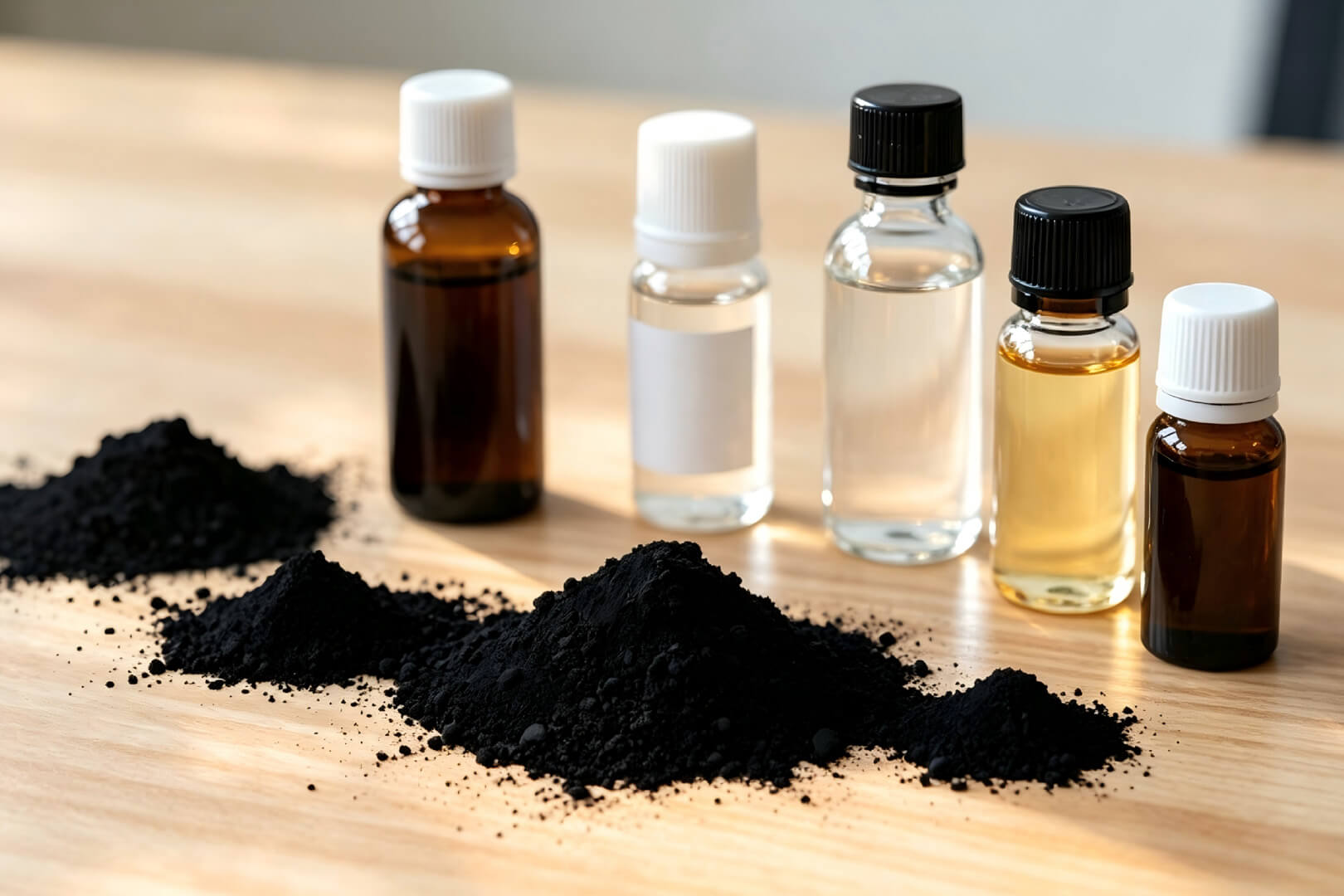
 Fig. 1. Uncured high-consistency silicone compound shown as a process-ready raw material for molding or compounding.
Representative Products
| Product Direction |
Keywords |
Typical Development Focus |
| Flame-retardant HCR / HTV molding compound |
flame retardant silicone rubber compound; HCR flame retardant silicone; HTV silicone rubber |
Molded gaskets, lamp-holder parts, caps, seals and electrical insulators. |
| Low-hardness flame-retardant silicone |
low hardness flame retardant silicone rubber; soft flame resistant silicone |
Flexible sealing, cushioning, vibration isolation and soft insulating components. |
| Medium-to-high hardness molding grades |
50 Shore A silicone; 60 Shore A flame retardant silicone; 70 Shore A silicone rubber |
Dimensionally stable molded electrical and appliance components, rings and protective parts. |
| Wire and cable extrusion grades |
flame retardant silicone wire insulation; silicone cable compound; high dielectric silicone rubber |
Extruded sleeves, profiles, tubing and insulation where flame and electrical targets are specified. |
| Halogen-free formulation directions |
halogen free flame retardant silicone rubber; halogen-free silicone compound |
Projects that specify a halogen-free flame-retardant formulation strategy. |
| Flame-retardant RTV and liquid systems |
flame retardant RTV silicone; UL 94 V-0 silicone sealant; flame resistant potting silicone |
Electronic fixing, sealing, potting and assembly applications requiring a flowable or room-temperature-cure format. |
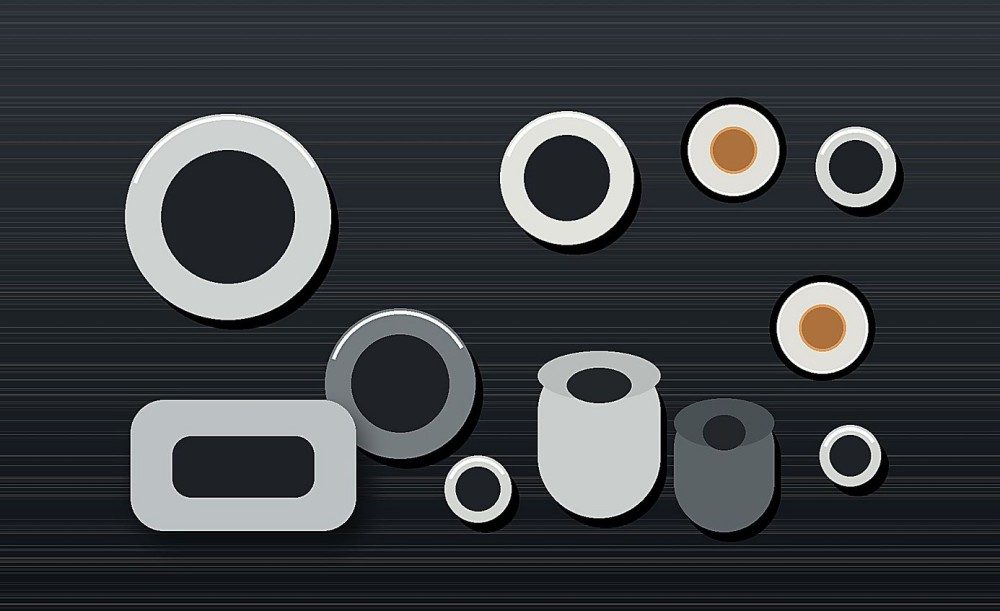 Fig. 2. Molded seals and insulating shapes represent common flame-retardant silicone rubber component directions.
How to Specify the Right Grade
A useful quotation request should define the finished component and the qualification target, not only the phrase "flame-retardant silicone." Published supplier data shows grades with different flame classifications, hardness levels and process routes, so the selection should be built around the exact design window.
| Selection Factor |
What to Define |
Why It Matters |
| Flammability target |
Test method or classification required, sample thickness, finished-part geometry and any color requirement. |
A rating applies to a tested material and condition; do not assume every flame-retardant silicone grade has the same classification. |
| Hardness |
Target Shore A or an acceptable range. |
Changes compression, sealing force, flexibility and dimensional stability. |
| Processing route |
Compression molding, transfer molding, injection molding, extrusion, tubing/profile production, or RTV/liquid application. |
The polymer form, rheology and cure system must suit the equipment and part geometry. |
| Cure chemistry |
Peroxide cure, addition cure, condensation cure or another specified route where applicable. |
Affects processing, post-cure needs, byproducts, adhesion and electrical or mechanical performance. |
| Mechanical properties |
Tensile strength, elongation, tear strength, compression set and rebound requirements. |
Prevents a flame target from being achieved at the expense of durability or sealing behavior. |
| Electrical properties |
Dielectric strength, volume resistivity, permittivity or other insulation data needed by the design. |
Critical for wire, cable, connectors, caps, sleeves and molded electrical components. |
| Thermal environment |
Continuous and peak temperature, heat cycling, nearby heat-generating components and thermal-conductivity needs. |
Temperature influences cure choice, aging behavior and the balance between flexibility and insulation. |
| Color and additives |
White, gray, black or pigmentable grade; reinforcing filler, thermal filler or other functional package. |
Color and additive changes can affect processing and may require confirmation of final flame and physical properties. |
| Volatiles and cleanliness |
Any low-volatility, low-outgassing or sensitive-contact requirement. |
Important for selected electronic assemblies and enclosed systems. |
Important specification point
Do not copy a V-0, V-1, FV-0 or other flame result from a different silicone grade into your own product specification. If a specific classification is mandatory, include the test method and specimen conditions in the inquiry so the material and final validation plan can be aligned.
 Fig. 3. Extrusion-focused silicone compounds can be developed for profiles, sleeves and insulation geometries.
Where These Materials Are Used
| Application Area |
Typical Material Role |
| Electrical and electronic components |
Flame-retardant gaskets, insulating caps, sleeves, lamp-holder parts, connector protection, module fixing and flexible seals. |
| Wire, cable and extrusion |
Insulation, sleeving, tubing and profiles where dielectric behavior, heat resistance and controlled flammability are evaluated together. |
| Power and energy equipment |
Insulating boots, connector seals, protective elastomer parts and heat-exposed components where the final system specification calls for silicone insulation plus a defined flame-performance target. |
| Industrial sealing and equipment |
Gaskets, O-rings, bellows, flexible barriers and molded parts exposed to heat, ozone, vibration or repeated compression. |
| Appliance and electrical hardware |
Molded rubber parts that benefit from electrical insulation, heat resistance and an appropriate flammability classification. |
| Thermal-management assemblies |
Selected flame-retardant silicone materials are also used in thermally conductive sheets, caps, tubing and interface parts for heat-generating electronics; thermal conductivity must be specified separately from flame performance. |
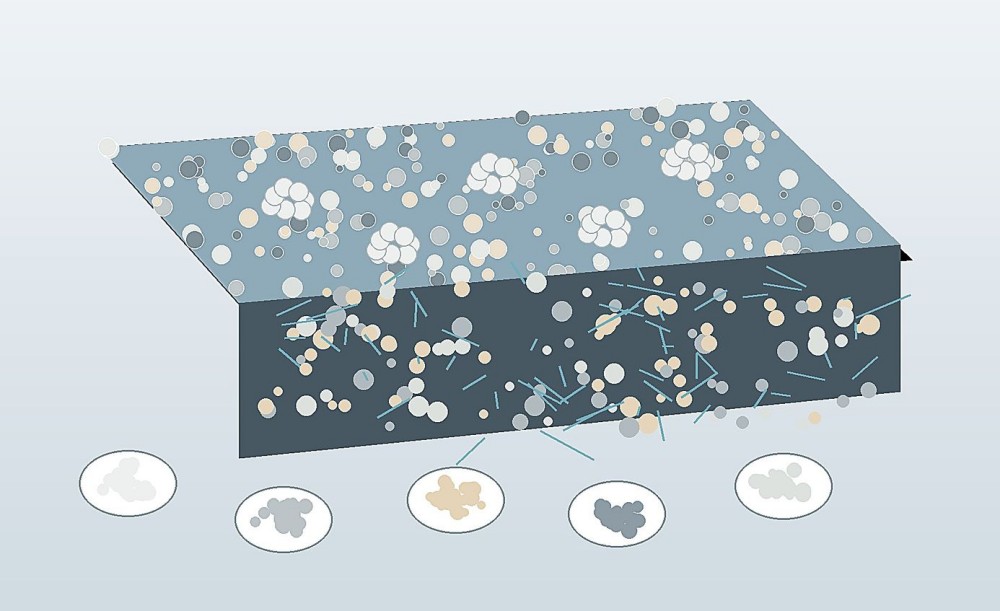 Fig. 4. Flame performance, mechanics and electrical behavior depend on the complete silicone-filler-additive formulation.
Flame Retardancy Is a Formulation Balance
A useful flame-retardant silicone formulation has to do more than slow burning. The base silicone, reinforcing silica, flame-retardant package, pigment, processing aid and cure chemistry form one system. Increasing filler or additive content can change density, plasticity, hardness, tear behavior, elongation, extrusion surface quality or electrical properties, so a formulation should be optimized around the complete performance target.
This is especially important for electrical insulation. A compound may need to combine flame performance with high dielectric strength, stable volume resistivity, flexibility after thermal aging and enough tear resistance to survive installation. Wire and cable grades add another processing requirement: the compound must extrude cleanly and maintain the intended geometry at practical line conditions.
For molded gaskets and protective parts, compression behavior and hardness often become more important. Soft grades can improve conformability around irregular surfaces, while harder compounds can provide better shape retention and assembly control. There is no single hardness that is best for every flame-retardant application.
Why Source Flame-Retardant Silicone Rubber from Eata Silicon?
- Application-first material matching: start from the finished part, processing route and qualification target instead of choosing only by a familiar material name.
- Specification-driven discussion: hardness, cure route, mechanical properties, electrical insulation, flame target, color and physical form can be reviewed together.
- Support across multiple silicone formats: inquiries can cover high-consistency molding compounds, extrusion-focused materials and related liquid or RTV flame-retardant systems where appropriate.
- Keyword-to-specification support: if your project begins with a broad search such as "V-0 silicone rubber" or "flame retardant cable silicone," we can help convert the search term into the technical fields needed for a meaningful quotation.
- Customization pathway: non-standard requirements can be evaluated around formulation, hardness, filler package, color, cure chemistry, selected electrical or mechanical targets and packaging, subject to technical feasibility and verification.
 Fig. 5. Electrical and power assemblies often require flexible insulation that combines heat tolerance with controlled flammability.
When a standard grade does not fit the processing window or finished-part target, Eata Silicon can evaluate a customized material request. Potential customization directions include Shore A hardness, physical form, cure chemistry, reinforcing and functional filler package, color, selected mechanical or electrical targets, low-volatility requirements where relevant, and packaging configuration.
For projects with a mandatory flame classification, the target should be treated as a validation requirement rather than a marketing label. Share the intended test method, specimen thickness, color, cure conditions and end-use geometry so the formulation discussion can be built around the actual qualification route.
Start your inquiry with the performance target
Send Eata Silicon the part application, molding or extrusion method, target flame test, Shore A hardness, electrical and mechanical requirements, operating temperature, quantity and any reference grade. We will review a standard material direction or a custom formulation pathway for your project.
For Research or Industrial Raw Materials, Not For Personal Medical Use!