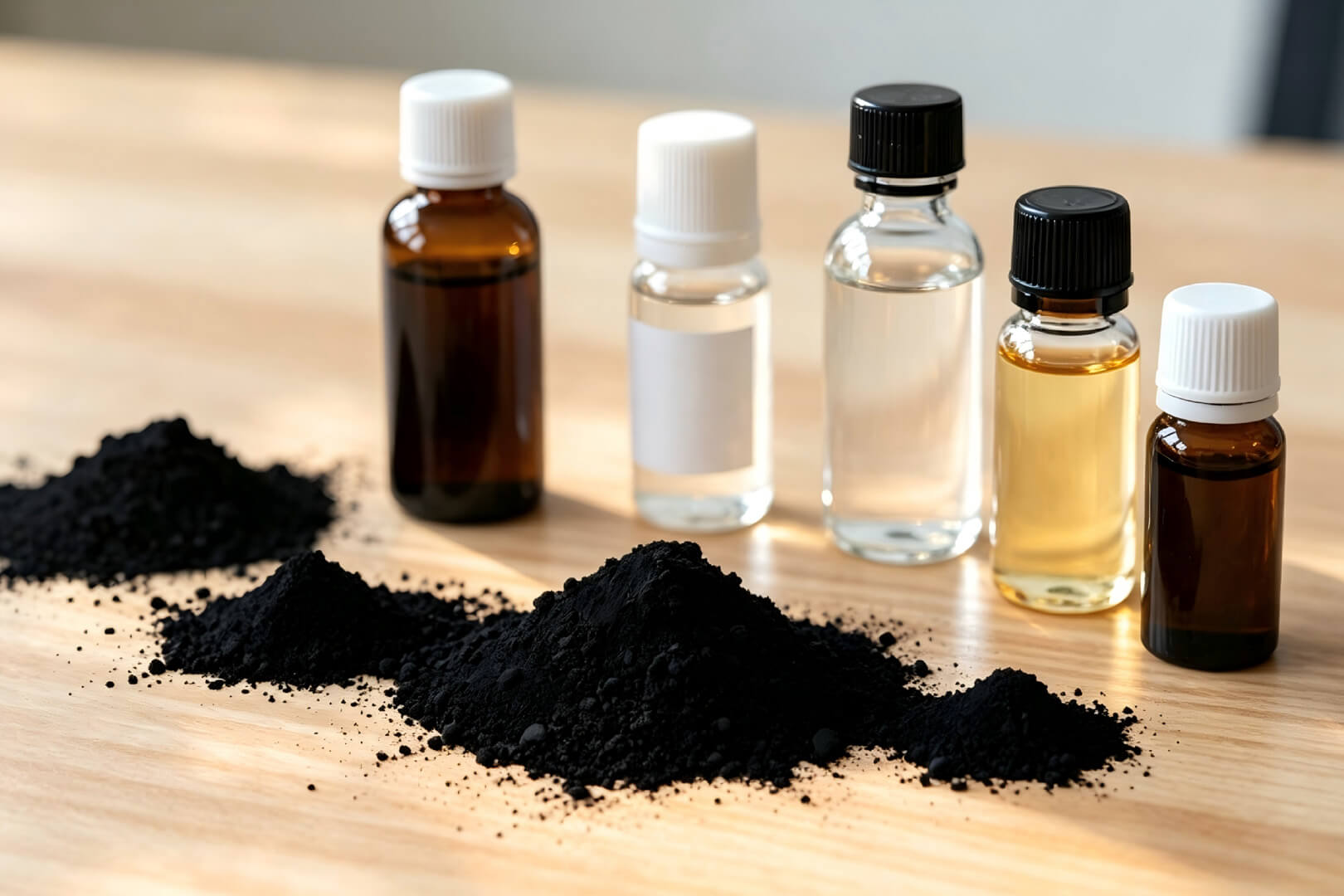
Clean release begins at a microscopic interface. When resin, rubber, thermoplastic or composite material contacts a mold or process surface, small changes in wetting, friction and interfacial adhesion can determine whether the part releases cleanly or leaves sticking, tearing, fouling or surface transfer.
Eata Silicon supplies silicone release-agent raw materials for external mold release, release emulsions, semi-permanent surface treatments and release-coating formulations. Material selection can be matched to molding substrate, process temperature, desired release life, transfer limits, application method and downstream requirements such as painting, printing or bonding.
Release Starts at the Interface
Silicone is widely used in release technology because its low surface tension helps it spread across fine mold details, while its siloxane backbone provides useful thermal stability and chemical inertness for many industrial processes. Commercial release products are available as neat fluids, emulsions, solvent-carried systems, bake-on materials and sprays; the best format depends on how the release layer is applied and how long it needs to remain effective.
- Surface separation. A continuous, low-energy film can reduce the extraction force needed to separate a molded part from the tool.
- Cleaner molds and parts. Release chemistry can reduce sticking and mold fouling, helping preserve surface detail during repeated molding.
- Formulation control. Viscosity, modification chemistry and carrier influence coverage, lubrication, transfer and the ease of application.
- Downstream compatibility. Modified silicone fluids are especially useful when post-molding paintability or printing is more important than maximum release strength alone.
 Figure 1. A thin, continuous silicone layer helps separate molded material from a metal tool while minimizing localized buildup.
Choose by Release Mechanism, Not Just by Product Name
| Release approach |
How it works |
Typical silicone direction |
Key questions |
| External fluid or emulsion |
Applied to the mold before or during production to create a thin separation layer. |
PDMS fluids, modified silicone fluids, silicone emulsions. |
Application method, dilution, transfer, residue, cycle frequency. |
| Semi-permanent / multi-release |
Builds a more persistent surface layer so one treatment can support multiple demolding cycles. |
Modified silicone systems, composite release formulations, bake-on or film-forming release products. |
Mold preparation, cure/film formation, release cycles, cleanup, surface quality. |
| Permanent release coating |
Cures into an anchored film on a substrate such as paper, polymer film or process web. |
Solventless, emulsion, solvent-based or UV-curable release-coating silicones. |
Substrate anchorage, coat weight, cure route, target release force, migration. |
| Internal release additive |
Added to the molding formulation and designed to reach the part/tool interface during processing. |
Silicone-based internal-release or slip additives selected for the polymer matrix. |
Compatibility, migration rate, bulk properties, surface treatment after molding. |
Representative Eata Silicon Product Directions
The following directions combine Eata Silicon portfolio records with established release-agent chemistry. Exact values depend on the selected grade and test method, so specification confirmation should be part of the RFQ.
| Product direction |
Representative form / specification |
Performance focus |
Typical sourcing keywords |
| Alkyl-Modified Silicone Mold-Release Fluid Family |
Light to pale-yellow transparent liquids; listed viscosity profiles span approximately 600–4,500 mm²/s. |
Lubricity, release, hydrophobicity, compatibility and improved printability/paintability for selected grades. |
alkyl modified silicone release fluid; paintable mold release silicone; silicone mold release oil |
| Composite Mold-Release Agent Family |
Low-viscosity profiles; current records include 2–5% active content, <20 to 30 cP at 25°C and heat-resistance ratings of 320–400°C depending on profile. |
Low release force, solvent resistance, repeat release and low transfer for composite molding. |
composite mold release agent; high-temperature silicone release; multi-release mold agent |
| General-Purpose / High-Boiling Silicone Release Fluid |
Silicone fluid raw-material direction; grade-specific viscosity and volatility can be matched to the formulation. |
Hydrophobic surface treatment, release, lubrication and related industrial surface-control functions. |
high boiling silicone oil; silicone release fluid; PDMS mold release raw material |
| Silicone Release Emulsion |
Water-dispersible silicone system; specify active content, base-fluid viscosity, dilution behavior and emulsion stability. |
Convenient water-based application, uniform coverage and controllable film deposition. |
silicone release emulsion; waterborne mold release; dimethyl silicone emulsion |
| Neat Dimethyl Silicone Fluid (PDMS) |
100% silicone-fluid direction with viscosity selected for spread, film persistence and processing needs. |
General mold release, lubrication and surface separation where water or solvent carriers are not desired. |
PDMS mold release; dimethicone release fluid; silicone fluid parting agent |
| Release-Coating Silicone Raw Materials |
Solventless, emulsion, solvent-based or UV-curable system directions for paper and film substrates. |
Anchored cured film with controlled release against adhesives or tacky process materials. |
silicone release coating; release liner silicone; solventless release silicone; emulsion release coating |
Two Practical Application Routes
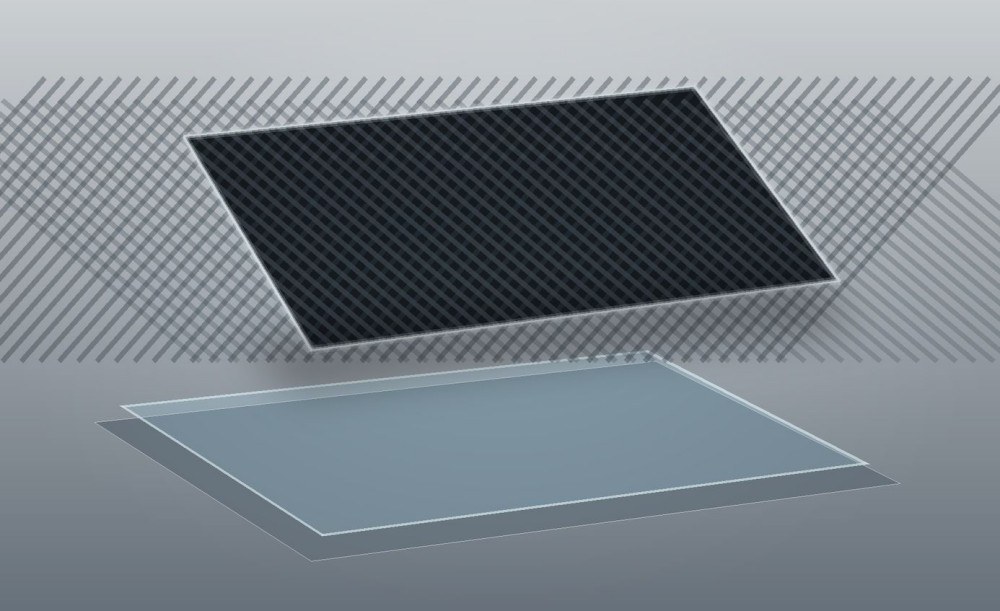 Figure 2. Composite demolding benefits from a stable low-friction barrier that supports clean surfaces and repeatable part removal.
 Figure 3. Waterborne silicone emulsions provide a practical route for applying release chemistry as a thin, controllable film.
Where Each Silicone Release Direction Fits
A release system is most useful when the material family is matched to the substrate and the downstream process. The table below is a starting point for technical discussion rather than a universal formula.
| Process / substrate |
Material directions to compare |
Selection priorities |
| Epoxy, polyester and composite tooling |
Composite release formulation; modified silicone fluid; semi-permanent silicone system. |
Repeated release, low transfer, mold cleanliness, surface finish, temperature exposure. |
| Rubber and elastomer molding |
Dimethyl silicone emulsion; neat silicone fluid; heat-resistant modified silicone. |
Release force, mold fouling, temperature, part appearance, frequency of application. |
| Thermoplastic molding and extrusion |
Silicone fluid, silicone emulsion or polymer-compatible internal release direction. |
Part ejection, slip, residue, paintability/bondability and effect on the polymer surface. |
| Metal processing / die-cast tooling |
Heat-resistant silicone release direction or silicone-containing formulated release system. |
Thermal stability, film persistence, wetting of tool geometry, residue control. |
| Parts that will be painted, printed or bonded |
Long-chain alkyl-modified or other low-transfer / paintable silicone release grades. |
Surface transfer, recoatability, printability, adhesion after cleaning or pretreatment. |
| Paper and polymer release liners |
Addition-cure solventless, emulsion, solvent or UV release-coating systems. |
Anchorage, cure window, coat weight, release force, migration and substrate compatibility. |
Waterborne, Neat Fluid or Cured Release Film?
Delivery form changes more than handling. It determines how the active silicone reaches the surface, how easily a thin film can be controlled and whether the release layer is temporary or permanently anchored.
- Waterborne emulsions. Emulsions disperse silicone in water and can be diluted for spray, wipe or other application methods. Base-fluid viscosity, active content, particle stability and wetting should be reviewed together.
- 100% active fluids. Neat silicone fluids avoid a carrier and are useful when water or solvent is undesirable. Viscosity strongly influences spreading, film thickness and persistence.
- Solvent-based systems. Solvent-carried systems can provide fast wetting and thin films, but the solvent package must be compatible with the substrate, process and plant requirements.
- Cured release coatings. Release-liner systems are designed to cure on paper or film, so catalyst, crosslinker, anchorage and cure conditions become as important as the base silicone polymer.
 Figure 4. Cured silicone release coatings are selected for anchorage, coat weight, cure route and target release force on paper or film.
Surface Transfer, Paintability and Bonding After Demolding
Maximum release strength is not always the correct target. A highly mobile silicone film can make demolding easy but may also leave enough surface residue to interfere with paint, ink, adhesive bonding or secondary coating. When downstream surface treatment matters, low-transfer behavior and paintability should be treated as primary specifications rather than afterthoughts.
Long-chain alkyl-modified silicone fluids are one established direction for release applications that also need improved paintability or printability. Commercial examples from major silicone producers show that modified silicone chemistry can shift the balance between lubrication, release and post-molding surface acceptance. Final qualification should still be performed on the actual mold, molded material, cleaning sequence and coating or adhesive system.
 Figure 5. For rubber and thermoplastic molding, the release package must balance easy ejection with residue, transfer and downstream surface requirements.
Why Source Release-Agent Raw Materials from Eata Silicon
- Application-first matching. The discussion can start from molded material, mold surface, temperature, release frequency and downstream surface requirements instead of forcing every project into one generic silicone fluid.
- Multiple silicone directions. Projects can be evaluated across dimethyl silicone fluids, modified silicone fluids, emulsions, composite release formulations and release-coating raw-material directions.
- Specification-led comparison. Viscosity, active content, modification route, carrier, transfer behavior, temperature resistance and film persistence can be aligned before a grade is shortlisted.
- Energy and industrial context. Release materials can be discussed for composite components, rubber seals, polymer parts, insulated or encapsulated components, tooling and process films used in industrial manufacturing.
Frequently Asked Questions
What is the difference between a silicone mold-release agent and a silicone release coating?
A mold-release agent is typically applied to the tool to reduce adhesion during molding. A release coating is cured or film-formed on a backing substrate such as paper or polymer film and is designed to provide controlled release against an adhesive or tacky material.
When should I use a silicone emulsion instead of a neat silicone fluid?
An emulsion is useful when water-based application and easy dilution are important. A neat fluid is useful when a carrier is undesirable or when a higher-active silicone film is preferred. The final choice also depends on viscosity, application method, mold temperature and residue tolerance.
Can a silicone release agent be used when the molded part will be painted or bonded later?
Yes, but grade selection is critical. Modified or low-transfer release chemistries should be considered, and the finished part should be qualified with the actual cleaning, painting, printing or adhesive-bonding process.
What is an internal release agent?
An internal release agent is incorporated into the molding compound rather than applied only to the mold. It must be compatible enough to process with the matrix while still reaching the interface sufficiently to support release.
Can Eata Silicon support customized release-agent raw materials?
Yes. Custom discussions can cover base silicone chemistry, alkyl or other modification, viscosity, active content, carrier system, heat-resistance target, transfer level, film persistence, emulsion form and agreed analytical specifications.
Standard release grades are a practical starting point, but molding and coating lines often need a narrower balance of release strength, persistence, residue, paintability, viscosity and application behavior. Eata Silicon can review customized silicone release-agent raw materials around base-fluid viscosity, long-chain alkyl or other functional modification, active content, waterborne or neat-fluid delivery, temperature target, transfer control, repeated-release performance and application-specific analytical limits.
Send your molded material, mold surface, operating temperature, application method, desired release cycles and any post-molding painting, printing or bonding requirements. We can use those conditions to narrow the most suitable silicone release chemistry for your formulation or process.
Build the release system around the surface result you need. Contact Eata Silicon with your target process and critical specifications to begin material matching and quotation.
For Research or Industrial Raw Materials, Not For Personal Medical Use!