Silicone fluid intermediates are liquid or flowable polysiloxanes selected for what they can react into next. Their value is defined not only by viscosity, but also by terminal or pendant functionality, functional-group concentration, molecular range and the impurity profile that accompanies the polymer. These variables determine whether a fluid is suited to condensation chemistry, hydrosilylation, radical or UV curing, resin modification, surface interaction or another downstream route.
Eata Silicon supports specification-led sourcing of functional silicone fluids for material development and manufacturing programs. Depending on the project, the chemistry may include silanol-, vinyl-, hydride-, amino-, epoxy-, carbinol-, methacrylate/acrylate-, alkoxy- or mercapto-functional polysiloxanes. Starting from the intended reaction and application makes it easier to select the right architecture and avoid comparing products on viscosity alone.
Start with Functionality, Not Just Viscosity
Commercial silicone fluids can look similar because many are clear liquids based on a PDMS backbone. Reactivity changes the picture completely. A silanol-terminated PDMS is designed for condensation chemistry; a vinyl-terminated PDMS is commonly paired with Si-H chemistry for addition cure; and a carbinol- or methacrylate-functional silicone can be incorporated into very different organic polymer or radiation-curable systems. The purchasing specification should therefore begin with the functional group and reaction route, then narrow the viscosity and molecular window.
 Fig. 1. Controlled flow behavior is an important processing variable when selecting a functional silicone-fluid intermediate.
| Functional Group |
Typical Downstream Role |
Key Buying Variables |
| Silanol / Si–OH |
Condensation and moisture-cure chemistry |
OH content, viscosity, molecular range, water and volatile profile |
| Vinyl |
Hydrosilylation / addition cure with Si–H |
Vinyl content or equivalent, viscosity, inhibitor/catalyst compatibility |
| Hydride / Si–H |
Crosslinking, chain extension and further functionalization |
Hydrogen content, viscosity, molecular weight, Si–H distribution |
| Amine |
Reactive resin modification and interfacial chemistry |
Amine value/equivalent, terminal vs pendant placement, viscosity |
| Epoxy |
Reactive resin modification and network incorporation |
Epoxy equivalent, functionality distribution, viscosity |
| Carbinol / organic –OH |
Polyurethane and polyester incorporation |
OH value/equivalent, spacer structure, molecular range |
| Methacrylate / Acrylate |
Free-radical and UV-curable systems |
Functional equivalent, inhibitor level, viscosity and cure compatibility |
| Alkoxy |
Hydrolyzable, moisture-reactive and sol-gel routes |
Alkoxy content, hydrolysis behavior, viscosity, moisture control |
| Mercapto |
Thiol-ene UV or thermal cure |
Thiol content/equivalent, viscosity and functional-group placement |
Representative Products
| Representative Product |
Related Search Terms |
CAS / ID |
Technical Context |
| Silanol-terminated PDMS |
Hydroxy-terminated silicone fluid; α,ω-dihydroxy PDMS |
70131-67-8 (common family CAS) |
Condensation-reactive intermediate for RTV, sealant and filler-treatment chemistry |
| Vinyl-terminated PDMS |
Vinyl silicone fluid; divinyl-terminated PDMS |
68083-19-2 |
Base polymer/intermediate for platinum-catalyzed addition-cure silicone systems |
| Hydride-terminated PDMS |
Si-H terminated silicone fluid |
70900-21-9 |
Chain extension, hydrosilylation and synthesis of further functional silicones |
| Hydride-functional silicone |
Polymethylhydrogensiloxane; PMHS; methylhydrogen silicone fluid |
Grade dependent |
Si-H crosslinking and reactive silicone formulation |
| Aminopropyl-functional PDMS |
Amine-terminated PDMS; amino silicone fluid |
Family dependent |
Reactive modification, polymer incorporation and interfacial chemistry |
| Epoxy-functional PDMS |
Epoxy-terminated silicone; glycidoxypropyl-functional silicone |
102782-97-8 (example) |
Reactive resin modification and hybrid-network development |
| Carbinol-terminated PDMS |
Hydroxylalkyl-terminated silicone; organic-OH silicone fluid |
156327-07-0 (example family) |
Polyurethane/polyester-compatible reactive silicone intermediate |
| Methacrylate/Acrylate PDMS |
Methacrylate-terminated silicone; acrylic-functional silicone |
Grade dependent |
Radical and UV-curable silicone-containing formulations |
| Alkoxy-terminated PDMS |
Methoxy- or ethoxy-terminated silicone polymer |
Family dependent |
Hydrolyzable, moisture-reactive and sol-gel-related chemistry |
| Mercapto-functional silicone |
Thiol-functional silicone fluid |
Family dependent |
Thiol-ene UV/thermal cure and specialty reactive systems |
How the Main Silicone Fluid Intermediate Families Behave
Silanol-Terminated PDMS: Condensation-Ready Silicone Backbones
Terminal silanol groups make PDMS susceptible to condensation under suitable acid- or base-catalyzed conditions. This is why silanol-terminated fluids are core intermediates for many room-temperature-vulcanizing silicone systems. Lower-viscosity grades can also be used in filler treatment and structure-control work, while higher-molecular-weight grades provide more silicone backbone before final network formation. When comparing grades, OH content and viscosity should be reviewed together rather than separately.
Vinyl- and Hydride-Functional PDMS: Build the Addition-Cure Pair
Vinyl-terminated PDMS is widely used as a reactive base family in two-part addition-cure silicone elastomers. Hydride-terminated PDMS and other Si-H functional fluids provide the complementary hydrosilylation chemistry. The ratio of reactive equivalents, the location of Si-H groups and the molecular weight of each component influence network architecture, so procurement typically needs vinyl content or equivalent, hydrogen content and viscosity—not only a generic polymer name.
 Fig. 2. Clear functional silicone liquids are typically qualified by chemistry, analytical profile and flow properties rather than appearance alone.
 Fig. 3. Drop formation illustrates the metering behavior that can change as silicone-fluid viscosity and molecular range are adjusted.
Amino, Epoxy and Carbinol Functional Fluids: Connect Silicone to Organic Resins
Reactive organic groups expand the role of silicone fluids beyond classic silicone-only cure systems. Amine-functional silicones can be incorporated into resin and interface chemistry; epoxy-functional silicones bring epoxy reactivity into a flexible siloxane segment; and carbinol-functional PDMS provides organic hydroxyl groups that can participate in polyurethane and polyester chemistry. For these families, equivalent weight, group placement and molecular range can be more meaningful than a single viscosity value.
Methacrylate, Acrylate, Alkoxy and Mercapto Fluids: Specialty Cure Routes
Methacrylate- and acrylate-functional silicones are used where free-radical or UV curing is required. Mercapto-functional silicones support thiol-ene cure routes, while methoxy- or ethoxy-terminated PDMS introduces hydrolyzable functionality for moisture-reactive or sol-gel-related systems. These products are often highly formulation-specific, so an inquiry should identify the target cure mechanism, resin platform and functional-group equivalent as early as possible.
What to Put on a Silicone Fluid Intermediate RFQ
- Functional architecture: terminal, pendant, monofunctional, difunctional or mixed functionality; include the target structure when available.
- Viscosity at a defined temperature: normally reported at 25 °C; a range is usually more useful than a single nominal value during initial matching.
- Functional-group content: OH, vinyl, Si-H, amine, epoxy, methacrylate/acrylate, mercapto or another equivalent/value that defines reactivity.
- Molecular information: molecular-weight range or distribution when network design, diffusion or volatility depends on chain length.
- Volatile and cyclic profile: set limits for low-molecular siloxanes or total volatiles when they affect the process or end material.
- Critical impurities: water, color, acid/base residues, catalyst residues, ionic contaminants or other project-specific limits when relevant.
- Compatibility and process conditions: resin, filler, catalyst, solvent, mixing temperature, cure route and substrate information help screen candidates faster.
- Analytical acceptance: specify the data you need, such as viscosity, titration, FTIR, NMR, GC/GPC or other agreed methods.
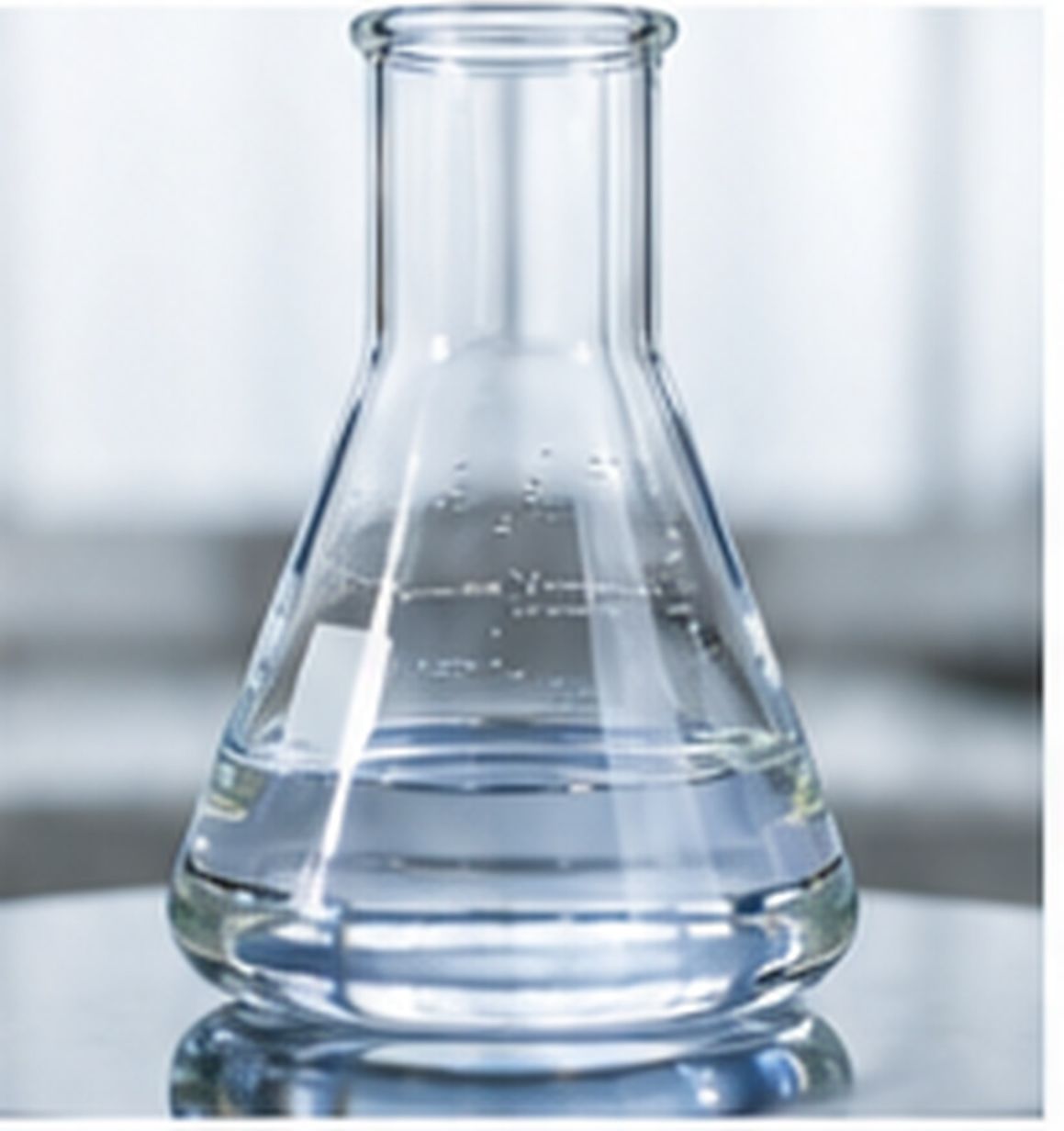 Fig. 4. A silicone-fluid intermediate should be evaluated against the formulation target with defined analytical and rheological criteria.
Where Silicone Fluid Intermediates Fit in Advanced Materials
| Application Area |
Role of the Intermediate |
| Silicone elastomers and gels |
Vinyl-, hydride- and silanol-functional fluids can provide reactive backbone, crosslinking or chain-extension chemistry for silicone networks. |
| Electrical and electronic materials |
Reactive silicones are used in the development of encapsulants, dielectric coatings, gels and protective formulations where flexible silicone networks are required. |
| Energy equipment bonding and sealing |
Functional silicone intermediates can be evaluated for sealant, adhesive, potting and protective systems used around power electronics, photovoltaic assemblies, batteries and cable components. |
| Industrial coatings and finishes |
Reactive silicone intermediates can modify coating systems where heat resistance, weatherability, moisture resistance or resin compatibility is part of the formulation objective. |
| Composite and filler modification |
Low-viscosity silanol and other functional silicones can be used in filler treatment, interface control and hybrid polymer development. |
| Specialty resin modification |
Epoxy-, amino-, carbinol-, methacrylate- and other functional polysiloxanes introduce silicone segments into organic polymer networks. |
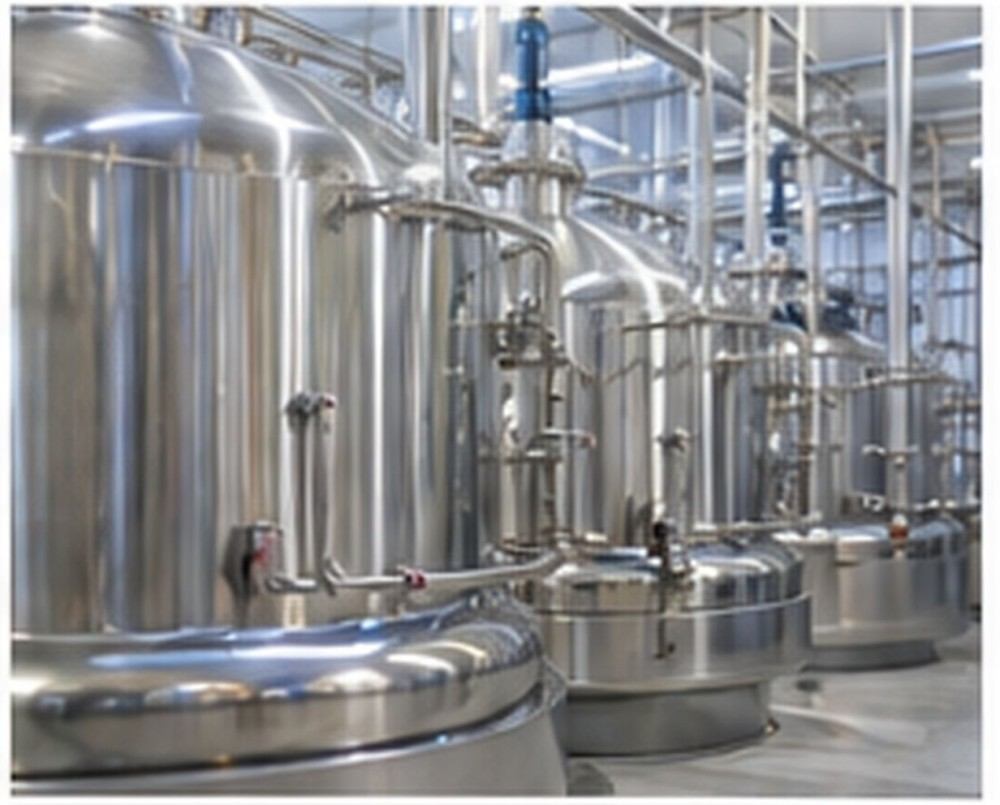 Fig. 5. Liquid organosilicon raw materials can be handled in closed processing systems where cleanliness and process control are important.
A Quick Chemistry-to-Application Selection Guide
| Development Target |
Intermediate Family to Evaluate |
First Specifications to Discuss |
| Condensation-cure silicone / RTV |
Silanol-terminated PDMS |
OH content, viscosity, water/volatile profile, compatible crosslinker/catalyst |
| Addition-cure elastomer or gel |
Vinyl-terminated PDMS + hydride PDMS / Si-H fluid |
Vinyl:hydride equivalents, viscosity, catalyst and inhibitor compatibility |
| Polyurethane or polyester hybrid |
Carbinol-functional PDMS |
OH value/equivalent, spacer chemistry, molecular range |
| UV / radical-curable silicone modification |
Methacrylate- or acrylate-functional PDMS |
Functional equivalent, inhibitor, viscosity, cure package |
| Thiol-ene cure |
Mercapto-functional silicone |
Thiol content, ene partner, cure conditions |
| Reactive resin / interface modification |
Amino- or epoxy-functional silicone |
Equivalent weight, functionality placement, resin compatibility |
| Moisture-reactive / hydrolyzable route |
Alkoxy-terminated PDMS |
Alkoxy functionality, hydrolysis behavior, moisture handling |
Why Buyers Use a Specification-Led Approach
- Reaction-first matching: start from the cure or synthesis route, then select terminal/pendant functionality and polymer architecture.
- Viscosity with context: review flow behavior together with molecular range and reactive-group concentration.
- Qualification-ready discussion: define which impurities, volatiles and analytical methods matter before comparing grades.
- Application-aware selection: a fluid that works in an RTV compound may not be the best match for a UV resin, coating or electronic encapsulant.
- Custom specification pathway: when an off-the-shelf range is not suitable, functionality, viscosity, molecular range and impurity limits can be discussed as customization targets.
Custom Silicone Fluid Intermediate Development
Share your target functionality, viscosity or molecular range, critical impurity limits, downstream chemistry and qualification requirements. Eata Silicon can evaluate a standard product, a related analogue or a project-specific silicone fluid specification for your formulation.
For Research or Industrial Raw Materials, Not For Personal Medical Use!