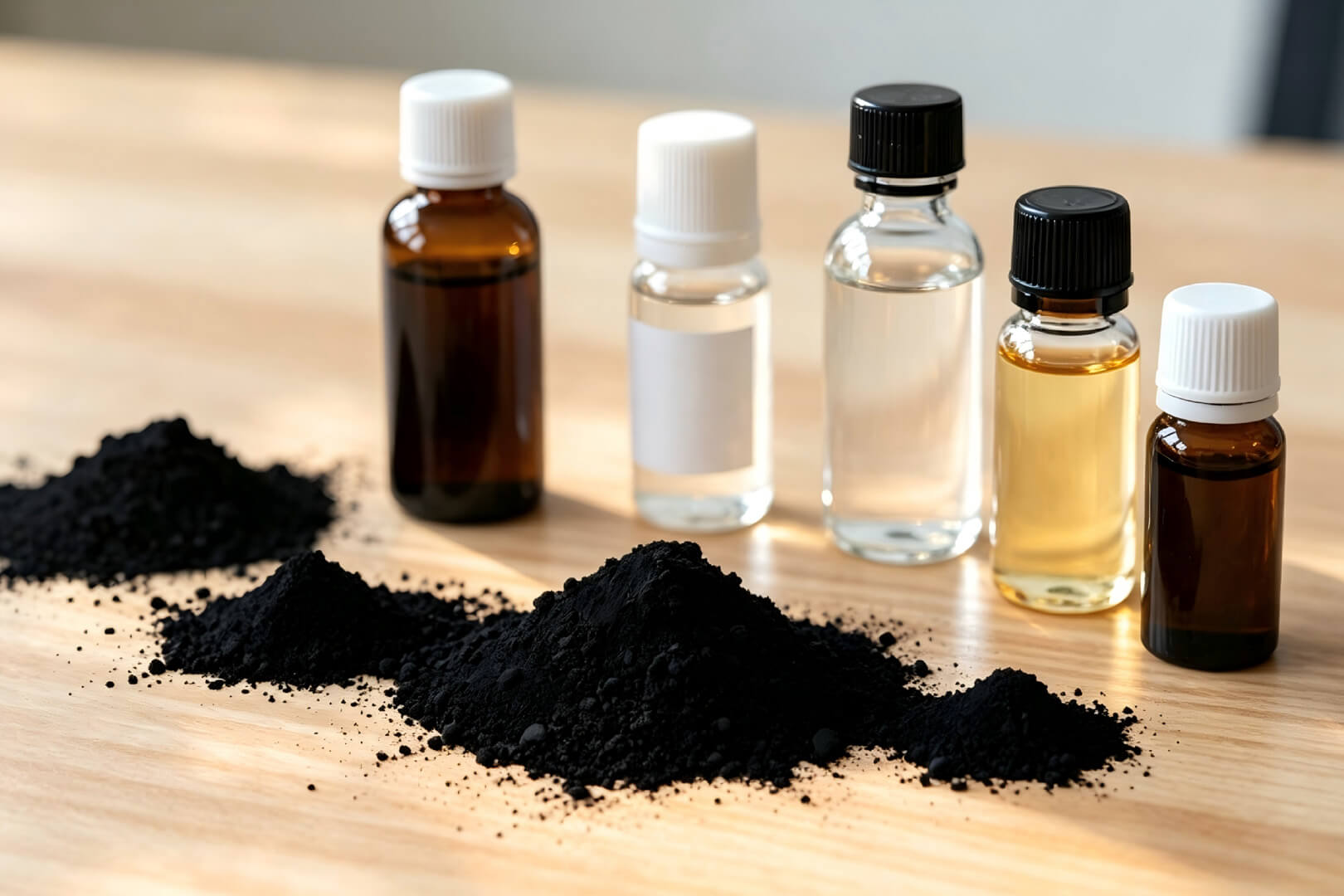
Reactive silicone fluids are polydimethylsiloxane and related organosilicon fluids that carry chemical groups able to take part in curing, coupling or further synthesis. By selecting terminal or pendant groups such as silanol/hydroxyl, vinyl or Si-H, formulators can keep the characteristic silicone backbone while adding a controlled reaction path. This makes reactive silicone oils valuable raw materials for silicone elastomers, sealants, release systems, hydrophobic treatments, specialty coatings and polymer modification.
Eata Silicon supports technical teams in matching functional group, viscosity and reactive-group content to the actual process. Our current product families include hydroxyl-terminated PDMS/dimethiconol fluids, methylhydrogen silicone fluids, hydrogen-terminated PDMS and vinyl-terminated PDMS in multiple grades, with specification review available for project-specific requirements.
What Defines a Reactive Silicone Fluid?
The difference between a reactive silicone fluid and a general-purpose silicone fluid is the presence of functional groups that can participate in a chemical transformation. Technical supplier literature commonly groups reactive silicones by functionality, including vinyl, hydride/Si-H and silanol systems, together with other organofunctional families such as amino, epoxy, mercapto, carboxyl, carbinol and acrylate derivatives. The reaction path depends on the specific functional group, its position on the polymer, its concentration and the catalyst or crosslinker used in the formulation.
- Hydroxyl- or silanol-terminated PDMS: suited to condensation chemistry, reactive intermediates, structure control and sealant or elastomer formulation.
- Vinyl-terminated PDMS: a key reactive base polymer for addition-cure systems and hydrosilylation with Si-H functional silicones.
- Hydrogen-functional silicone fluids: used as crosslinkers or reactive intermediates; hydrogen level and molecular architecture influence reaction density and processing behavior.
- Terminal-hydrogen PDMS: useful when Si-H functionality is required at the chain ends for hydrosilylation or downstream functionalization.
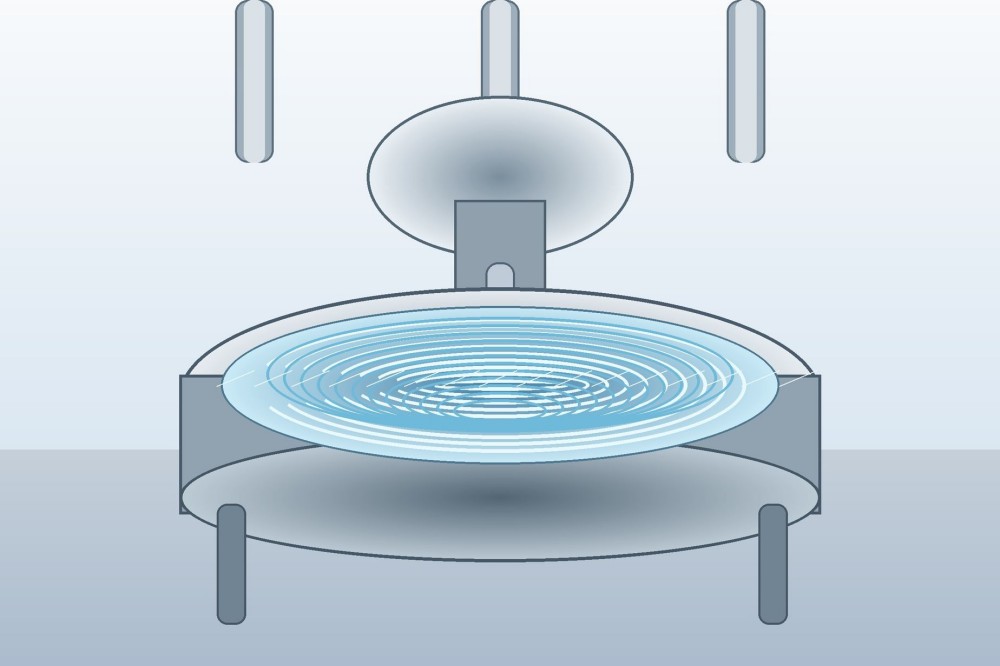 Fig. 1. Controlled blending of clear reactive silicone fluid in a precision mixing system.
Representative Reactive Silicone Fluid Products
| Product family |
Reactive functionality |
Selected listed data |
Typical industrial use |
| Hydroxyl-Terminated Dimethiconol Fluid, 25-100,000 mPa.s |
Terminal hydroxyl / silanol |
Viscosity: 25-100,000 mPa.s at 25 C; hydroxyl content commonly 0.5-3% by listed grade |
Condensation-cure sealants and mold rubber, release-paper systems, insulating formulations, silicone-rubber structure control |
| High-Hydrogen Silicone Reactive Fluid, >=1.55% |
Si-H / methylhydrogen silicone |
Viscosity: 15-40 mm2/s at 25 C; hydrogen content >=1.55% |
Crosslinking, hydrophobic treatment, waterproofing, release and surface modification |
| Low-Hydrogen Silicone Reactive Fluid, 0.18-0.75% |
Controlled Si-H functionality |
Viscosity: 80-120 mm2/s at 25 C; listed hydrogen levels: 0.18%, 0.36%, 0.50% and 0.75% |
Controlled crosslinking, silicone modification, surface-treatment and process-aid intermediates |
| Vinyl-Terminated PDMS Reactive Fluid Family, 0.7-165,000 mPa.s |
Terminal vinyl |
CAS 68083-19-2; broad listed viscosity range; vinyl content varies by grade |
Addition-cure silicone systems, elastomer property adjustment, resin and polymer modification |
| Hydrogen-Terminated Polydimethylsiloxane Reactive Fluid |
Terminal Si-H |
Terminal-hydrogen PDMS architecture; grade details available for specification review |
Hydrosilylation intermediate, modified silicone synthesis and silicone-polyether block-copolymer intermediates |
How Functional Chemistry Changes the Formulation Path
Reactive silicone fluids are not interchangeable simply because their viscosities look similar. The functional group determines the reaction mechanism, while functionality level, molecular weight and catalyst choice help set the practical processing window.
| Chemistry |
Typical reaction path |
Why formulators use it |
| Silanol / hydroxyl PDMS |
Condensation with suitable crosslinkers or functional silanes |
Builds silicone networks for sealants, elastomers, coatings and reactive intermediates |
| Vinyl PDMS + Si-H silicone |
Hydrosilylation / addition cure, typically catalyst-assisted |
Produces crosslinked silicone networks without relying on condensation by-products |
| Hydride silicone + silanol |
Dehydrogenative coupling under suitable catalysis |
Supports crosslinking and water-repellent treatment concepts |
| Terminal Si-H PDMS + unsaturated functionality |
Hydrosilylation to introduce new end groups or blocks |
Useful for synthesis of functional silicone intermediates and block copolymers |
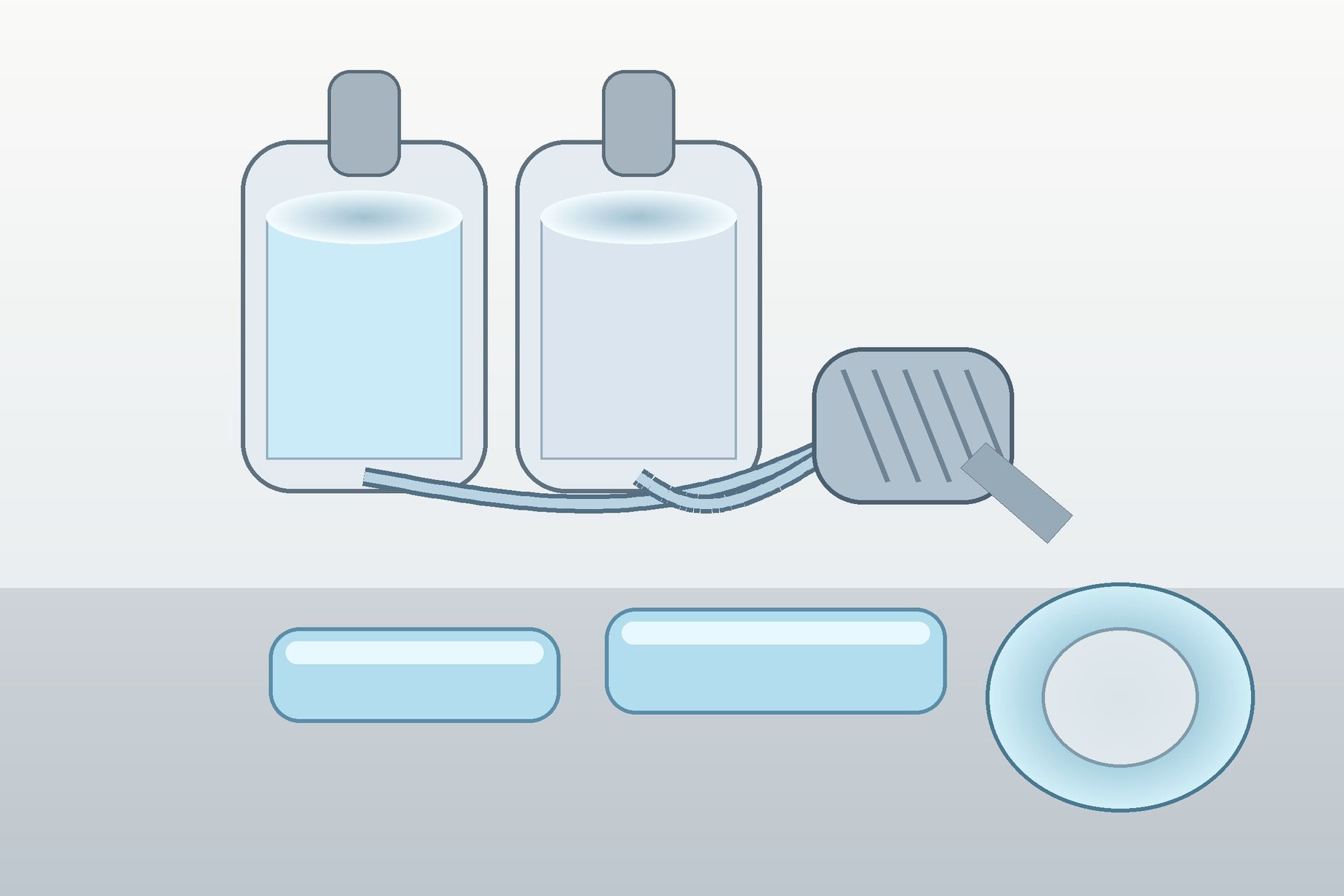 Fig. 2. Addition-cure silicone formulation and cured test specimens.
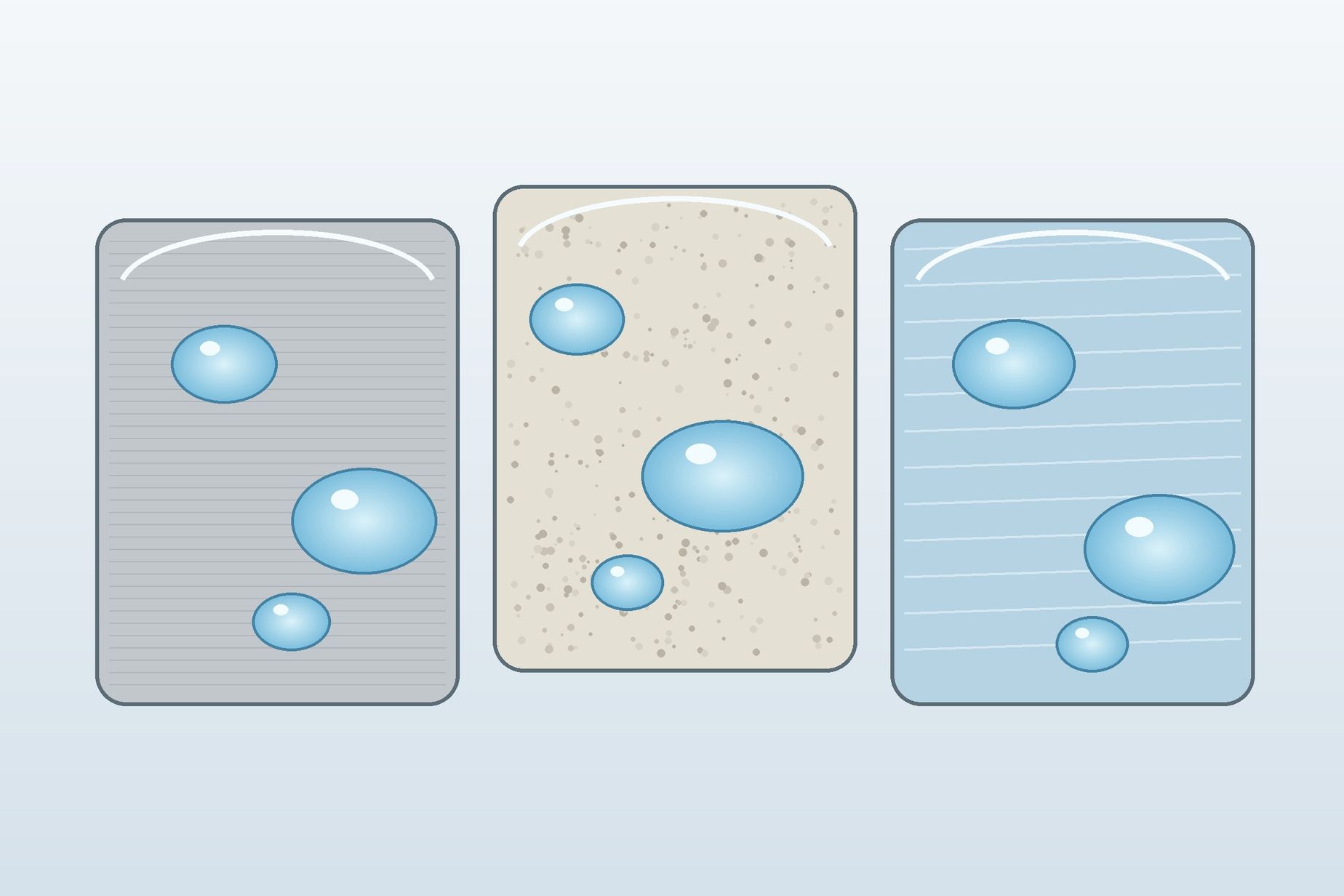 Fig. 3. Water-beading performance after silicone-based hydrophobic surface treatment.
Where Reactive Silicone Fluids Add Value
Silicone Elastomers and Addition-Cure Systems
Vinyl-functional base fluids and Si-H functional crosslinkers form one of the most established reactive silicone pairings. By selecting viscosity, vinyl content and hydride level, formulators can tune processing behavior and the network architecture required for elastomer, gel and specialty silicone systems.
Sealants and Condensation-Cure Formulations
Hydroxyl-terminated PDMS is a core reactive fluid family for condensation systems. Its silanol end groups make it suitable as a base polymer or reactive intermediate where moisture- or crosslinker-driven network formation is required.
Release Coatings and Anti-Stick Surfaces
Reactive vinyl/hydride silicone systems are widely used in release-coating technology because crosslinking converts a fluid coating into a durable low-surface-energy layer. Hydrogen-functional silicones are also used in anti-stick and protective surface-treatment formulations.
Hydrophobic Treatment and Surface Modification
Methylhydrogen silicone fluids can provide reactive Si-H functionality for hydrophobic treatment of mineral, ceramic, glass, textile-like industrial substrates and powders when used with an appropriate process and catalyst.
Resin and Polymer Modification
Vinyl-terminated and other functional silicone fluids can be incorporated into polymer-development routes where the target is improved flexibility, surface slip, release, weathering behavior or silicone character in the finished material.
Functional Silicone Intermediates
Terminal-hydrogen PDMS and other reactive fluids can serve as synthesis intermediates for hydrosilylation, silicone-polyether chemistry and tailored end-functional silicones.
 Fig. 4. Reactive silicone release coating applied through a roll-to-roll process.
 Fig. 5. Translucent silicone joint illustrating sealant and bonding applications.
How to Specify a Reactive Silicone Fluid
A useful RFQ starts with the reaction you need, not only a broad product name. Sharing the following information helps narrow the right grade quickly and reduces the risk of comparing materials with different functionality levels.
- Functional group and position: terminal hydroxyl, terminal vinyl, side-chain Si-H, terminal Si-H or another required architecture.
- Viscosity at the relevant test temperature, including any acceptable operating range.
- Reactive-group content or equivalent weight: hydroxyl content, hydrogen content, vinyl content or another measurable functionality target.
- Molecular-weight range where it affects mixing, cure, mobility or final polymer properties.
- Reaction or cure route, including catalyst system, crosslinker type and expected process temperature.
- Substrate or co-reactant compatibility, especially for coatings, release systems, resin modification and surface treatment.
- Critical analytical controls such as color, volatile content, water or other impurity limits when they matter to the formulation.
- Preferred packaging and project quantity so the requested specification can be reviewed in the correct manufacturing context.
Selection tip: two fluids with the same viscosity can behave very differently if their functional-group content, end-group placement or molecular architecture is different.
When a standard grade does not match your formulation, Eata Silicon can evaluate customized reactive silicone fluid requests. Depending on technical feasibility, the discussion can focus on functional-group type, viscosity, hydrogen/vinyl/hydroxyl level, molecular-weight range, selected analytical controls and packaging.
For a productive quotation request, send the target chemistry or closest reference product, intended application, reaction route, critical specification limits and required quantity. We can then review a standard grade, a close functional alternative or a customized specification.
Discuss your Reactive Silicone Fluids requirement with Eata Silicon - share the functionality, viscosity and application targets that matter to your process.
| Catalog Number |
Product Name |
Order |
Quantity |
|
SFP-0068 |
Hydroxyl-Terminated Dimethiconol Fluid, 25–100,000 mPa·s
|
Inquiry
|
|
|
SFP-0069 |
High-Hydrogen Silicone Reactive Fluid, ≥1.55% Si-H
|
Inquiry
|
|
|
SFP-0070 |
Low-Hydrogen Silicone Reactive Fluid, 0.18–0.75% Si-H
|
Inquiry
|
|
|
SFP-0071 |
Industrial Hydroxyl-Terminated PDMS Reactive Fluid, 25–100,000 mPa·s
|
Inquiry
|
|
|
SFP-0072 |
Vinyl-Terminated PDMS Reactive Fluid Family, 0.7–165,000 mPa·s
|
Inquiry
|
|
|
SFP-0073 |
Hydrogen-Terminated Polydimethylsiloxane Reactive Fluid
|
Inquiry
|
|
|
SFP-0074 |
Methyl High-Hydrogen Silicone Fluid, 1.55–1.65% Hydrogen
|
Inquiry
|
|
|
SFP-0075 |
Vinyl-Terminated Silicone Fluid for Addition-Cure Modification
|
Inquiry
|
|
|
SFP-0076 |
Phenyl Vinyl Silicone Fluid, 400–6,000 mPa·s
|
Inquiry
|
|
|
SFP-0077 |
Mono-Terminal Hydrogen Silicone Fluid, 0.01–0.055% Si–H
|
Inquiry
|
|
For Research or Industrial Raw Materials, Not For Personal Medical Use!