A silicone film-forming agent does more than lower surface tension. It is a resin, oligomer, reactive intermediate or formulated silicone phase that can dry or cure into a continuous organosiloxane-rich layer. In industrial coatings, that film may be designed for heat resistance, weatherability, water repellency, electrical insulation, release performance, surface protection or a controlled balance of hardness and flexibility.
Eata Silicon supports silicone film-forming raw materials for high-temperature coatings, electrical insulating varnishes, protective and anti-corrosion systems, waterborne coatings and sealants, hard-coat development, resin modification and selected release-coating processes. Material selection can be built around resin chemistry, cure method, nonvolatile content, carrier, viscosity, film hardness, flexibility, adhesion, thermal exposure, weathering and compatibility with the rest of the formulation.
The best film-forming grade depends on how the film is created and what it must survive after cure. A room-temperature drying resin for an insulating varnish, a heat-cured phenyl-methyl binder for thermal protection, a reactive intermediate for a silicone-organic hybrid and a waterborne silicone co-binder all sit under the same broad search term, but they are not interchangeable.
What Counts as a Silicone Film-Forming Agent?
Silicone coating technology includes both film-forming materials and surface-active additives. Keeping those roles separate is important when a buyer is specifying the main binder rather than a flow, leveling or slip additive.
- Straight silicone resins. High-molecular-weight, three-dimensional siloxane resins can serve as the primary film former. Commercial families include methyl and methyl/phenyl structures with film hardness ranging from hard to more flexible grades.
- Silicone oligomers. Lower-molecular-weight network-forming materials can be used alone, as reactive diluents or as modifiers for organic resins. Their functionality and cure route strongly influence film hardness, crack resistance and adhesion.
- Reactive silicone intermediates. Alkoxy- or other reactive siloxane intermediates can be used to build silicone-rich binders or modify epoxy, polyester and other organic resin systems when heat, weathering or durability needs to be raised.
- Waterborne silicone binders and film-forming emulsions. Silicone resin emulsions and film-forming silicone emulsions can operate as sole binders or co-binders in selected waterborne coatings and sealants, depending on formulation design.
- Release-coating silicone systems. Solventless, solvent-based, emulsion and UV-curable silicone coating families form cured low-surface-energy films on paper or polymer substrates for industrial release applications.
Film former vs. surface modifier
A silicone flow, wetting or leveling additive may migrate to the coating surface and change slip, gloss or defect behavior without becoming the primary continuous film. When the project needs a true binder, specify that the silicone material must form or co-form the cured film.
 Figure 1. Silicone resin binders are widely evaluated where a continuous protective film must remain useful under demanding thermal exposure.
Silicone Film-Forming Raw Material Families
| Raw Material Family |
Keywords |
Typical Form |
Film Role |
Key Selection Variables |
| Methyl Silicone Resins |
methyl silicone resin; heat-resistant silicone varnish resin; silicone coating binder |
Solution, solid flake/powder or 100% resin, depending on grade |
Primary binder for hard heat- and weather-resistant films |
Cure mode; solids; solvent; film hardness; adhesion; thermal exposure |
| Methyl/Phenyl Silicone Resins |
phenyl methyl silicone resin; methyl phenyl silicone resin; electrical insulation silicone resin |
Solvent solution, solid or solvent-free grades |
Primary binder or co-binder where heat resistance, flexibility and organic-resin compatibility must be balanced |
Phenyl content; hardness/flexibility; cure schedule; resin compatibility; color retention |
| Hydroxyl-Functional Silicone Resins |
hydroxyl silicone resin; silicone flake resin; silicone resin for powder coatings |
Solid flake/powder or solution |
Binder/co-binder for powder and liquid coatings |
Hydroxyl functionality; softening behavior; cure partner; VOC strategy; weatherability |
| Alkoxy-Functional Silicone Resins / Reactive Intermediates |
alkoxy silicone resin; reactive siloxane binder; silicone resin intermediate |
Solvent-free or low-viscosity reactive liquid |
Binder or modifier for room-temperature and heat-cure systems, including silicone-organic hybrids |
Alkoxy functionality; catalyst; viscosity; cure byproduct; substrate and resin compatibility |
| Silicone Oligomers / Silsesquioxane-Type Film Formers |
silicone oligomer coating resin; alkoxy siloxane oligomer; T-unit silicone resin |
Low-molecular-weight liquid or 100% solids |
Thin hard film former, reactive diluent or resin modifier |
Functionality; cure route; film thickness; crack resistance; flexibility; adhesion |
| Waterborne Silicone Resin Emulsions |
waterborne silicone binder; silicone film-forming emulsion; silicone resin dispersion |
Waterborne emulsion or dispersion |
Binder/co-binder for waterborne coatings and sealants |
Nonvolatile content; ionic character; pH; film formation; water uptake; UV and thermal target |
| Organic-Resin-Modified Silicone Resins |
silicone-modified epoxy resin; silicone polyester resin; silicone alkyd resin |
Solution or reactive resin |
Hybrid binder designed to combine silicone heat/weathering performance with organic-resin properties |
Base resin; cure chemistry; crosslinker; adhesion; corrosion resistance; gloss/flexibility |
| Silicone Release-Coating Film Formers |
solventless silicone release coating; emulsion silicone release coating; UV-cure silicone release |
Solventless, solvent, emulsion or UV-curable system |
Cured low-surface-energy film on paper, film and manufacturing liners |
Substrate; cure route; coat weight; release level; anchorage; line conditions |
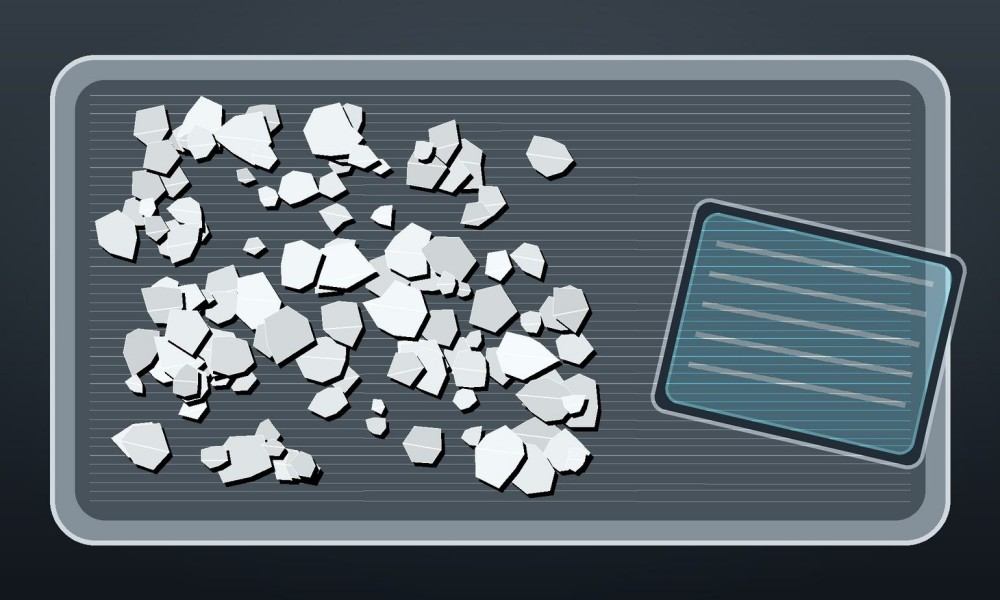 Figure 2. Solid silicone-resin flakes and coated test coupons represent two common sourcing formats: raw binder material and the cured film it is designed to create.
Hardness, Flexibility and Film Integrity
Film hardness is not a single ranking from better to worse. A hard coating can be useful for abrasion resistance and high-temperature dimensional stability, while a more flexible film may be preferred on thin metal, coils, moving parts or substrates that expand and contract. Silicone resin families are available across that range, and phenyl substitution, organic-resin modification, molecular architecture and cure conditions can all shift the final behavior.
| Performance Target |
Material Directions to Compare |
Questions to Resolve Before Selection |
| Hard, heat-resistant film |
Methyl silicone resin; high-hardness methyl/phenyl resin; selected silicone oligomers |
Check cure schedule, film thickness, thermal cycling, pigment/filler package and substrate adhesion. |
| Flexible heat-resistant film |
Flexible methyl/phenyl silicone resin; silicone-organic hybrid |
Check bend/crack resistance, thermal cycling, adhesion and compatibility with co-resins. |
| Waterborne flexible protection |
Film-forming silicone emulsion or silicone resin emulsion used as binder/co-binder |
Check minimum film formation, water uptake, UV exposure, substrate wetting and organic-latex compatibility. |
| Low-VOC or solvent-free route |
Solid resin, 100% active resin, reactive alkoxy resin or solventless cure system |
Check processing viscosity, cure chemistry, film build and equipment constraints. |
| Thin hard protective coat |
Silicone oligomer or reactive resin designed for thin films |
Check cure catalyst, crack resistance, surface preparation and required film thickness. |
High-Temperature and Protective Coatings
Silicone resins are established binders for high-temperature and protective coating systems because the siloxane network can retain useful film properties under heat, weathering and moisture exposure that challenge many purely organic binders. Straight methyl and methyl/phenyl resins are common starting points, while reactive silicone intermediates and silicone-modified organic resins expand the design space when adhesion, impact resistance, corrosion protection or processing flexibility must be balanced with thermal performance.
Typical projects include protective coatings on heat-exposed metal equipment, thermal processing hardware, exhaust and heat-shield components, industrial ovens, energy-system housings and other surfaces that see repeated temperature cycling. The required temperature profile should always be evaluated together with pigment choice, substrate preparation, film thickness and cure schedule because the binder is only one part of the final coating.
- For a straight silicone topcoat, compare methyl versus methyl/phenyl resin chemistry, film hardness, cure temperature, solids and compatible pigments or fillers.
- For anti-corrosion systems, consider silicone-organic hybrids or reactive silicone intermediates when the design needs stronger adhesion and corrosion resistance below a silicone-rich heat-resistant finish.
- For low-VOC formulation work, evaluate solid flake resins, 100% active binders, low-viscosity reactive intermediates and waterborne resin options rather than assuming a traditional solvent solution is required.
Electrical Insulation and Energy Equipment
Film-forming silicone resins are also used in electrical insulation coatings and varnishes. High-molecular-weight silicone resin families are available that can form films by solvent evaporation and then gain additional heat and chemical resistance after heating. Flexible methyl/phenyl resins are used when the film must tolerate thermal expansion without excessive cracking or peeling.
For energy and electrical projects, potential use areas include coil and winding varnishes, insulation coatings on heat-exposed electrical hardware, mica- or glass-based insulating constructions, moisture-resistant protective films and other surfaces where thermal endurance and electrical insulation must be considered together. The exact electrical requirements should be specified as measurable acceptance criteria rather than inferred from the word silicone.
 Figure 3. A clear silicone insulating film around copper windings illustrates why flexibility, adhesion and thermal endurance need to be evaluated together.
Waterborne Silicone Film-Forming Binders
Waterborne silicone technology is useful when a formulation needs a film-forming binder or co-binder without relying entirely on a conventional solvent-borne silicone resin solution. Commercial film-forming silicone emulsions are used in waterborne coatings and sealants, where they can contribute hydrophobicity, reduced water uptake, UV resistance, thermal resistance and film flexibility depending on the product and formulation.
A waterborne silicone binder should be selected as an emulsion system, not just as an active polymer. Ionic character, nonvolatile content, pH, particle stability, compatibility with acrylic or other waterborne resins, substrate wetting and drying conditions all affect whether a uniform film forms. These variables become especially important when the silicone is used as a co-binder rather than as the sole continuous phase.
 Figure 4. Waterborne film formation begins with dispersed silicone-rich droplets that must coalesce or react into a continuous protective layer.
Silicone-Organic Hybrid Resins and Reactive Intermediates
A silicone-rich film does not have to come from a straight silicone resin alone. Reactive silicone intermediates can be cold-blended or reacted with compatible organic resin systems, and commercial silicone-modified epoxy, polyester and alkyd families are used to combine different property sets. This approach is valuable when the formulation needs the weathering and heat resistance associated with silicone together with stronger substrate adhesion, corrosion resistance, impact performance, gloss or room-temperature cure behavior.
When comparing a silicone resin intermediate, the functional group and reaction pathway matter more than the generic term modifier. Alkoxy functionality, hydroxyl functionality, solvent or carrier, active content, viscosity, catalyst requirement and compatibility with the target epoxy, polyester or other resin should all be defined before scale-up. A low-viscosity intermediate may also help formulate lower-VOC systems, but the final benefit depends on the complete formulation and cure route.
Release Coatings and Functional Surface Films
Industrial silicone release coatings are another important film-forming category. These systems cure as a thin silicone layer on paper, polymer film or other backing materials, then provide controlled release against pressure-sensitive adhesives or process surfaces. Solventless, solvent-based, emulsion, heat-cure and UV-cure technologies are all commercially available, which makes cure equipment and substrate anchorage central selection variables.
A cured release film should not be confused with a temporary mold-release fluid. For release liners and manufacturing films, the coating must anchor to the backing, cure sufficiently under the available line conditions and deliver the target release level without transfer or poor coating integrity. Buyers should therefore specify the backing substrate, adhesive system, coat weight, cure route and release-force target when requesting a release-coating silicone.
Where Silicone Film-Forming Agents Fit in Industrial and Energy Applications
| Application Area |
Role of the Film Former |
Material Directions to Evaluate |
| High-temperature metal coatings |
Creates the main heat-resistant protective film or co-forms a hybrid binder |
Methyl silicone resin; methyl/phenyl resin; alkoxy silicone binder; silicone-modified hybrid |
| Electrical insulating varnishes |
Forms a continuous insulating, moisture-resistant and heat-resistant coating |
High-molecular-weight methyl resin; flexible methyl/phenyl resin; selected resin solutions |
| Protective and anti-corrosion systems |
Improves weathering and thermal durability while hybrid designs can support adhesion and corrosion resistance |
Silicone-modified epoxy/polyester; reactive silicone intermediate; straight silicone topcoat |
| Waterborne coatings and sealants |
Acts as film-forming binder or co-binder in waterborne systems |
Silicone film-forming emulsion; waterborne silicone resin emulsion |
| Glass, ceramic and hard-coat development |
Forms thin clear or hard silicone-rich films |
Silicone oligomer; reactive 100% solids resin; methyl silicone resin |
| Release liners and process films |
Creates a cured low-surface-energy layer for controlled release |
Solventless, emulsion, solvent or UV-cure silicone release coating |
| Energy-system thermal hardware |
Provides protective film on housings, heat shields, coils and other heat-exposed parts |
Heat-resistant silicone resin; flexible methyl/phenyl resin; silicone-organic hybrid |
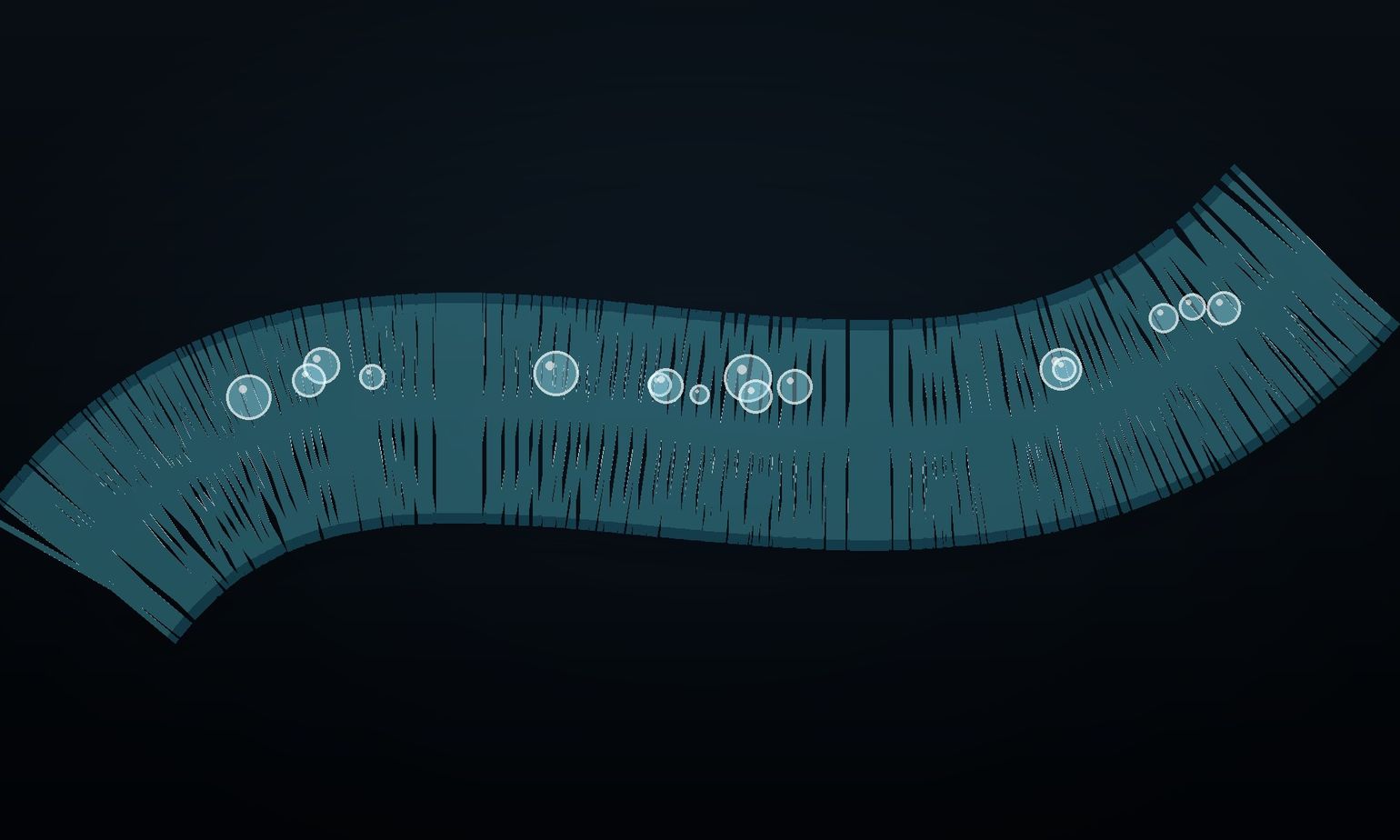 Figure 5. A continuous silicone-rich coating on a flexing metal surface can be designed to combine film integrity with water repellency.
Why Formulators Source Through Eata Silicon
- Application-first material matching. The discussion starts with the substrate, cure method and film-performance target so a hard silicone resin is not compared directly with a flexible emulsion or reactive intermediate that serves a different role.
- Broad chemistry coverage. Projects can be discussed across straight silicone resins, phenyl-modified systems, reactive intermediates, oligomers, waterborne binders, organic-resin-modified silicone families and specialized release-coating directions.
- Specification-led comparison. Viscosity, nonvolatile content, functionality, solvent or waterborne delivery, cure route, hardness/flexibility and analytical acceptance points can be aligned before a material is shortlisted.
- Energy and industrial context. Heat-exposed metal hardware, electrical insulation, protective coatings, process films and related industrial surfaces can be evaluated using the variables that matter to the finished system rather than by product name alone.
Standard grades are a useful starting point, but coating projects often require a narrower processing or performance window. Eata Silicon can discuss custom silicone film-forming raw materials around methyl or phenyl substitution, reactive functionality, hydroxyl or alkoxy content, nonvolatile content, viscosity, solvent or waterborne delivery, film hardness, flexibility, cure route, compatibility with organic resins, clarity or color and project-specific analytical limits.
Send the intended substrate, coating method, cure conditions, service environment and the film properties used for acceptance. We can review a standard material direction, a related silicone resin family or a customized specification for your formulation program.
Build the coating around the film you need.
Contact Eata Silicon with your silicone film-forming agent requirement, closest reference grade and critical specification points to begin material matching and quotation.
For Research or Industrial Raw Materials, Not For Personal Medical Use!