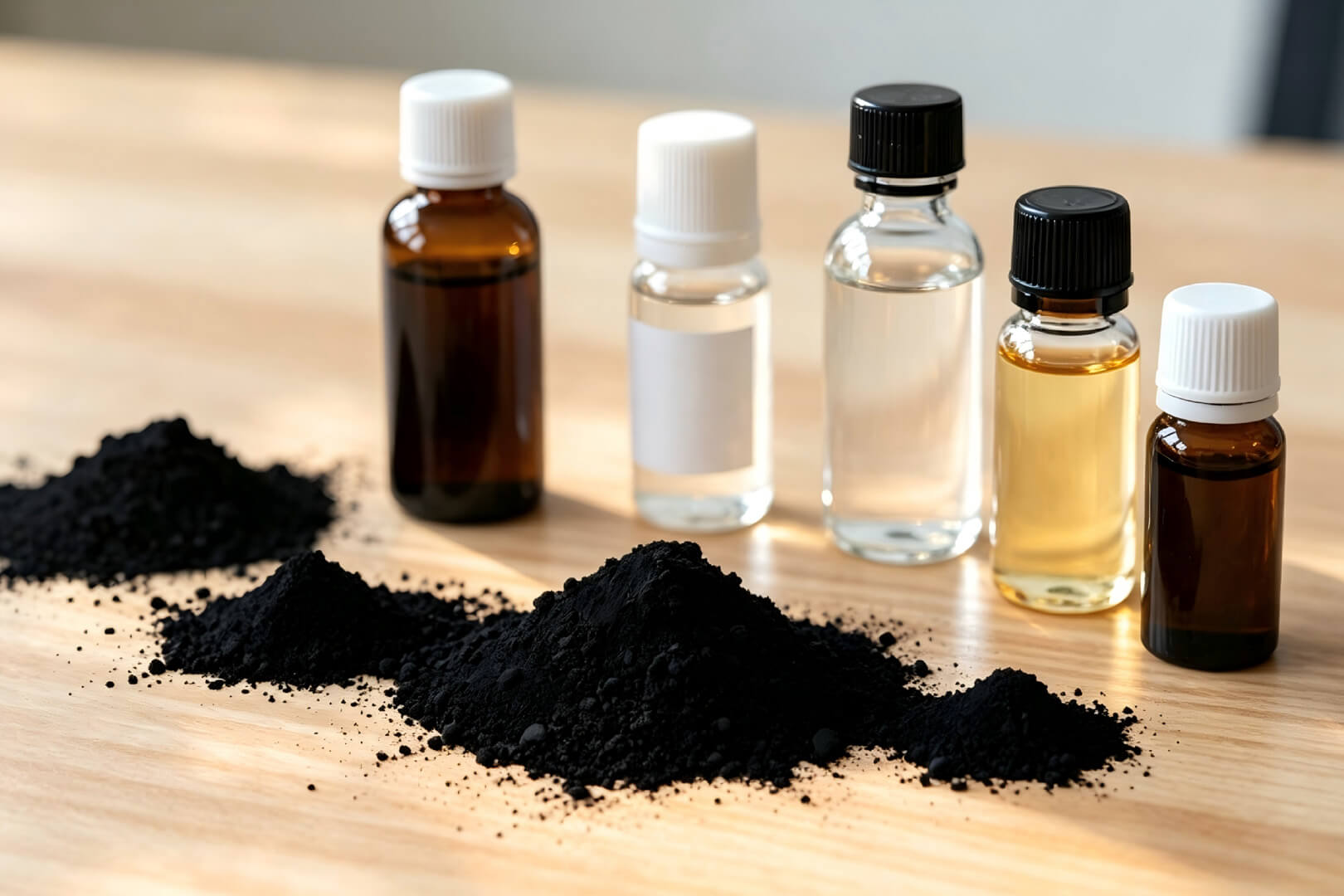
Silicone resins bring the durability of a siloxane network into coatings, binders and hybrid resin systems that must tolerate heat, weathering, moisture or demanding surface conditions. Eata Silicon supports material selection across methyl and methyl/phenyl resin families, reactive epoxy- and amino-functional systems, silicone-modified organic resins, inorganic hybrid materials and specialty film-forming resins for formulation-driven projects.
Why Formulators Choose Silicone Resin Chemistry
Conventional organic binders are often selected for cost, processability or broad substrate compatibility. Silicone-rich binders are introduced when the formulation needs a stronger response to temperature, ultraviolet exposure, water or electrical service. Major silicone producers describe silicone resins as three-dimensional siloxane networks used in high-temperature and protective coatings, with product forms ranging from solvent-borne materials to solid, solvent-free and waterborne systems.
- Heat and weathering resistance — a primary reason silicone resins are used in industrial and protective coatings.
- Electrical-insulation potential — silicone resin binders and modified systems are used where dielectric performance and thermal aging must be considered together.
- Reactive modification — epoxy, amino, silanol and alkoxy functionality can connect silicone chemistry with epoxy, polyester, acrylic, urethane and other resin platforms.
- Surface and film control — depending on the resin family, formulators can target hardness, gloss retention, water repellency, release, adhesion, flexibility or transfer resistance.
- Multiple delivery forms — liquid, solution, waterborne, solid flake or powder formats are available in commercial silicone-resin portfolios, so processing strategy matters during grade selection.
 Figure 1. Silicone resin raw materials may be supplied as clear-to-amber liquids, solutions, powders or solid forms depending on chemistry and delivery system.
Silicone Resin Product Portfolio at a Glance
| Product Category |
Common Chemistry |
Why It Is Selected |
Key Evaluation Points |
| General-Purpose Silicone Resins |
methyl silicone resin; methyl/phenyl silicone resin; silanol-functional silicone resin; silicone resin binder |
Heat-resistant and weatherable binders, protective coatings, electrical-insulation coatings, resin modification. |
Methyl/phenyl balance; silanol or alkoxy content; solids; viscosity; film hardness; cure route; delivery form. |
| Epoxy-Functional Silicone Resins |
epoxy-functional silicone resin; epoxy silicone oligomer; glycidyl-functional or alicyclic epoxy siloxane |
Reactive modifier for epoxy, acrylic or polyester systems; compatibility, adhesion and silicone-property modification. |
Epoxy equivalent; reactive functionality; viscosity; molecular architecture; compatibility with resin and hardener. |
| Amino-Functional Silicone Resins |
amine-functional silicone resin; amino silicone crosslinker; reactive amino siloxane resin |
Reactive crosslinker or modifier for epoxy, urethane, carboxy-functional polyester and acrylate formulations. |
Amine functionality/equivalent; solids; viscosity; partner resin; cure window; moisture and substrate conditions. |
| Phenyl Silicone Resins |
phenyl silicone resin; methyl phenyl silicone resin; high-phenyl silicone resin |
High-temperature coatings, weather-resistant binders and resin modification where compatibility and crack resistance matter. |
Phenyl content; film hardness/flexibility; reactive groups; solids; solvent; cure temperature; substrate adhesion. |
| Silicone-Modified Polyester Resins |
polyester-modified silicone resin; silicone polyester hybrid resin; heat-resistant polyester silicone binder |
Combines silicone-driven thermal/weathering performance with polyester gloss, chemical resistance and flex resistance. |
Silicone content; polyester chemistry; solids; viscosity; bake/cure conditions; solvent compatibility; film flexibility. |
| Nano-Inorganic Modified Silicone Resins |
nano-silica modified silicone resin; organic-inorganic hybrid resin; silica-silsesquioxane hybrid |
Hybrid coating and composite systems where hardness, scratch resistance, dimensional control or barrier performance may be tuned. |
Inorganic phase; particle size; surface treatment; loading; dispersion; transparency; viscosity; substrate and cure chemistry. |
| Cosmetic-Grade Silicone Resins |
MQ silicone resin; trimethylsiloxysilicate; T-propyl resin; MQ/T resin blend |
Film-forming resins for color cosmetics, sun care and other personal-care systems requiring transfer, sebum or wash-off resistance. |
INCI; carrier; resin solids; film hardness/flexibility; compatibility; clarity; sensorial and wear targets. |
General-Purpose Silicone Resins
General-purpose silicone resins typically include methyl and methyl/phenyl resin chemistries with silanol or related reactive groups that form a hard, crosslinked film. They are widely considered for high-temperature coatings, industrial maintenance coatings, cookware and appliance finishes, electrical-insulation coatings and as modifiers for organic binders. The practical choice is usually driven by how much hardness, flexibility, compatibility and cure response the formulation needs rather than by a single "universal" silicone resin grade.
Useful sourcing vocabulary
silicone resin binder • methyl silicone resin • methyl phenyl silicone resin • silanol-functional silicone resin • high-temperature silicone resin • electrical insulation resin • silicone resin intermediate
 Figure 2. Heat-resistant silicone resin binders are used in coating systems where thermal exposure and weathering performance matter.
Epoxy-Functional Silicone Resins
Epoxy-functional silicone oligomers and resins place reactive epoxy groups on a siloxane-containing structure. Commercial selection guides position these materials as resin modifiers for systems that can react with epoxy functionality, including epoxy, acrylic and polyester resins. They are useful when formulators want to introduce silicone-derived surface, flexibility or durability characteristics without treating the silicone component as an inert additive.
Do not confuse an epoxy-functional silicone resin with an epoxy-modified silicone resin. The first describes a silicone molecule carrying epoxy functionality; the second describes a hybrid resin in which epoxy-resin chemistry and silicone-resin chemistry are combined. Both can be relevant to protective coatings, but their formulation logic and cure partners are different.
Amino-Functional Silicone Resins
Amino-functional silicone resins are reactive materials rather than ordinary slip additives. Dow, for example, describes a primary-amine-functional silicone resin used as a crosslinker or modifier for epoxy, urethane, carboxy-functional polyester and acrylate systems, with improvements reported in flexibility, wet adhesion and resistance to chemical, thermal, UV and moisture exposure. For sourcing, amine functionality, solids, viscosity and compatibility with the partner resin are the most useful starting variables.
Formulation check
When comparing reactive silicone resins, ask for the functional equivalent or other functionality data that is relevant to stoichiometry. Nominal viscosity alone cannot tell you how the material will participate in cure.
Phenyl Silicone Resins
Introducing phenyl groups into silicone-resin chemistry changes the balance of thermal behavior, organic-resin compatibility and film stress. Shin-Etsu positions methyl/phenyl silicone resins for high heat resistance, compatibility and resistance to cracking or peeling, while high-phenyl grades are used as organic-resin modifiers. These resins are frequently evaluated in high-temperature paint, electrical-insulation and specialty protective-coating formulations.
 Figure 3. Phenyl-containing silicone resins are relevant to high-temperature coatings and electrical-insulation varnish formulations.
Silicone-Modified Polyester Resins
Silicone-modified polyester resins are hybrid binders designed to combine the heat and weathering advantages of silicone with the gloss, chemical resistance and flex resistance associated with polyester resin. Commercial products are used as vehicles for heat-resistant paints, and silicone resin intermediates are also used to modify polyester powder-coating resins. This chemistry can be especially useful when a fully silicone binder is too rigid or when the coating must retain a more conventional organic-resin processing profile.
For a useful comparison, specify the substrate, target bake or cure conditions, required film flexibility, target gloss, chemical exposure and the maximum temperature the finished coating must withstand. Those application variables are more informative than asking for "the highest-temperature resin" without a complete coating context.
 Figure 4. Silicone-modified polyester chemistry combines silicone-driven thermal durability with polyester-derived film flexibility and gloss.
Nano-Inorganic Modified Silicone Resins
Nano-inorganic modification refers to organic-inorganic hybrid systems in which a silicone or silsesquioxane-containing resin is combined with a nanoscale inorganic phase, commonly silica. Commercial nano-silica suppliers report that properly selected particles can be used to increase hardness and scratch resistance, reduce coefficient of thermal expansion, improve electrical-insulation performance or raise mechanical strength. Organic-inorganic hybrid resin suppliers likewise use chemically bonded nanosilica to combine resin processability with glass-like heat resistance and hardness.
The result depends strongly on particle size, surface treatment, loading and dispersion. A "nano" label by itself is not a performance specification. For transparent or electrically insulating systems, optical clarity, agglomeration control, resin viscosity and interfacial compatibility should be reviewed alongside the intended hardness or thermal target.
 Figure 5. Inorganic nano-phase modification is used to tune hardness, abrasion, dimensional and barrier properties in hybrid resin systems.
Cosmetic-Grade Silicone Resins
In personal-care formulations, silicone resins are commonly used as film formers rather than as structural coating binders. MQ resins such as trimethylsiloxysilicate are used in color cosmetics, skin care and sun care to improve transfer resistance and wash-off resistance. Commercial systems also combine MQ and T-type resins or disperse the resin in a compatible carrier to make formulation easier.
When sourcing this family, useful search terms include MQ silicone resin, trimethylsiloxysilicate, T-propyl silicone resin, polypropylsilsesquioxane and silicone resin gum. The key comparison points are INCI, resin solids, carrier, film hardness or flexibility, compatibility with the rest of the formulation and the intended wear profile.
 Figure 6. MQ- and T-type silicone resins are used as film formers in long-wear and wash-resistant personal-care formulations.
Where Silicone Resins Fit in Energy and Industrial Materials
| Application Direction |
What to Evaluate |
| High-Temperature Equipment Coatings |
Heat-exposed housings, metal panels and industrial equipment where a coating binder must retain film integrity under thermal cycling. |
| Electrical Insulation & Varnishes |
Coil, winding, resistor and electrical-component coating systems that combine dielectric requirements with thermal aging and adhesion targets. |
| Protective & Maintenance Coatings |
Industrial surfaces exposed to UV, moisture, corrosion or chemical environments where silicone-rich or silicone-modified binders can extend the formulation window. |
| Powder & Coil Coating Modification |
Silicone resin intermediates used to raise the heat resistance, weathering performance or durability of polyester-based coating systems. |
| Electronic & Composite Materials |
Reactive silicone resins and organic-inorganic hybrids used in specialty adhesives, protective layers and composite matrices where interface and thermal behavior matter. |
| Personal-Care Film Formers |
MQ and related silicone resins used when long wear, transfer resistance or water resistance is a primary formulation objective. |
Application note
Silicone resin performance should be validated in the complete coating, adhesive, composite or film. Substrate preparation, pigment/filler package, catalyst or hardener, film thickness and cure schedule can materially change the result.
Standard resin families are useful starting points, but formulation projects often need a narrower specification window. Eata Silicon can discuss customized silicone resin raw materials around resin architecture, phenyl level, reactive functionality, solids, viscosity, solvent or carrier selection, organic-resin compatibility, inorganic modification, particle surface treatment and application-specific analytical targets, subject to technical feasibility.
For a focused material review, share the performance gap you are trying to close and the formulation variables you can change. We can then evaluate a standard resin family, a closer functional analogue or a project-specific customization route.
Discuss your silicone resin requirement
Send Eata Silicon your target chemistry, application, processing conditions and critical performance data so the resin can be matched to the formulation rather than selected by name alone.
For Research or Industrial Raw Materials, Not For Personal Medical Use!