Silicone rubber mixtures are formulated elastomer systems rather than a single polymer. A typical compound combines a silicone gum or liquid polysiloxane with reinforcing filler, a controlled crosslinking system and selected modifiers so the material can be processed into a stable rubber article. Depending on the formulation, the same broad chemistry can be optimized for extrusion, compression molding, injection molding, calendering, electrical insulation or specialty electrical functions.
For energy and electrical-material buyers, the useful question is rarely just "Which silicone rubber?" The more important variables are compound type, cure route, hardness, mechanical strength, dielectric behavior, tracking resistance, process method and any requirement for flame retardancy, conductivity or field-control performance. Eata Silicon can work from these specification points to help narrow a standard material direction or evaluate a customized silicone rubber mixture.
Why Silicone Rubber Is Bought as a Mixture
Uncured silicone rubber normally needs more than the base polymer to reach useful mechanical and processing properties. Reinforcing silica or other fillers build strength; crosslinking chemistry converts the uncured material into an elastic network; and modifiers can tune processing, pigmentation, electrical behavior, flame performance or other application-specific characteristics. Major silicone suppliers therefore describe HCR products as compounds or ready-to-use blends rather than treating the polymer gum alone as the finished molding material.
This compound-level view matters in purchasing. Two silicone materials can share the same general polysiloxane backbone but behave very differently during mixing, extrusion, molding and curing because their filler package, crosslinking route and functional additives are different. For a repeatable production process, the compound specification should be linked to the actual equipment, geometry and performance target.
 Fig. 1. High-consistency silicone rubber is supplied in a dense, millable form before final curing and shaping.
Start with the Elastomer Architecture
| Material Family |
Typical Form |
Common Cure Route |
Practical Selection Point |
| HCR / HTV |
Solid or highly viscous millable compound |
Peroxide cure or platinum/addition cure |
Strong fit for extrusion, compression molding, calendering and selected injection processes; confirm whether the grade is a base, uncatalyzed U-stock or ready-to-use compound. |
| Addition-cure HCR |
High-consistency two-component or catalyst-batch system |
Platinum-catalyzed hydrosilylation |
Useful where an addition-cure process is preferred and peroxide decomposition products are undesirable. |
| LSR |
Pumpable two-component liquid or paste-like system |
Typically platinum/addition cure |
Designed for metered A/B mixing and injection molding; rheology, mix ratio, cure speed and mold behavior become key selection variables. |
Processing Route Changes the Compound Requirement
HCR compounds can be formulated for extrusion, molding and calendering, while LSR is built around controlled two-component metering and injection. Extrusion grades must maintain a stable uncured profile after leaving the die; molding grades need reliable flow, release and cure behavior; and electrical cable compounds also need the mechanical and dielectric balance required by the finished insulation system.
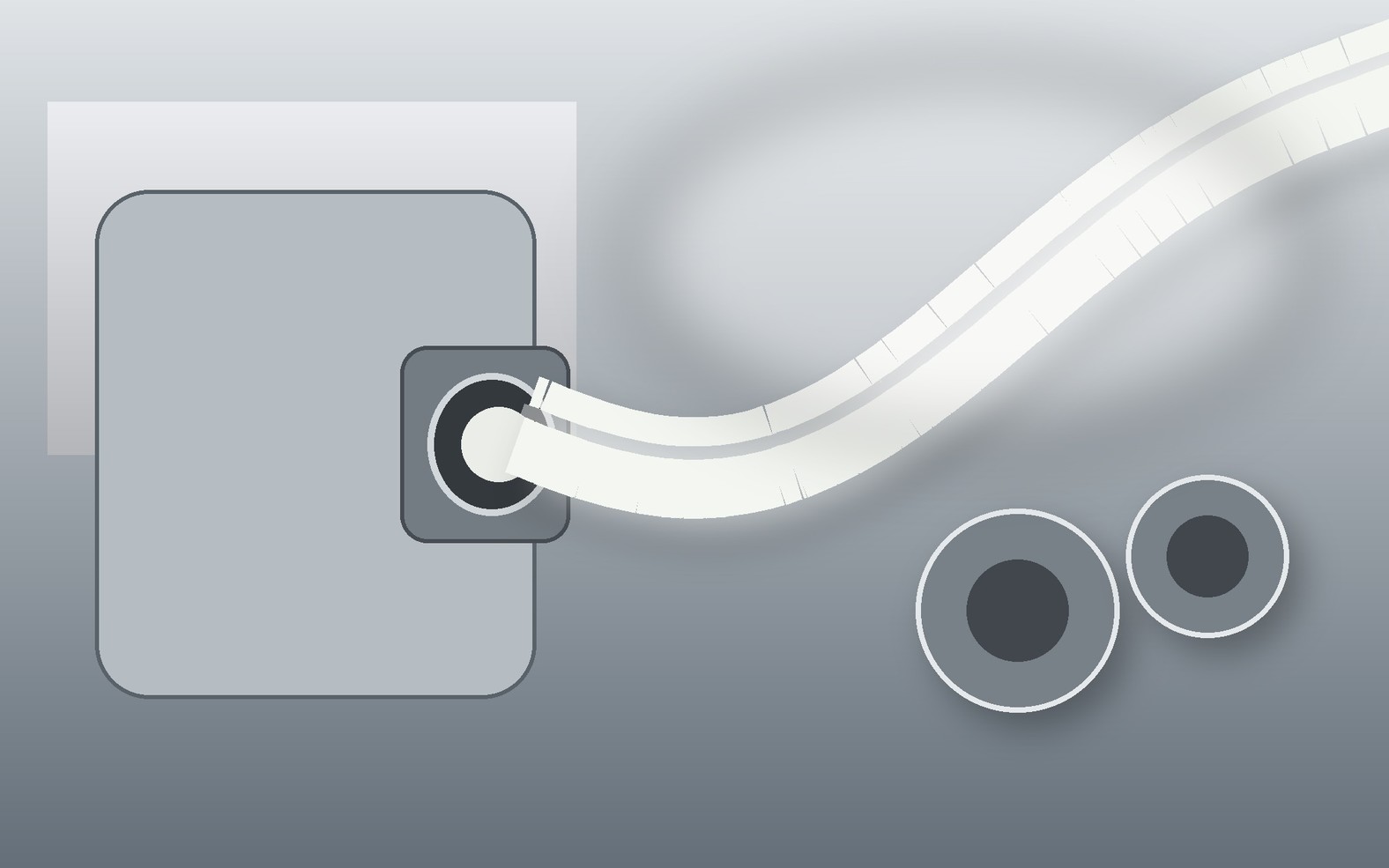 Fig. 2. Extrusion is a common HCR processing route for cable insulation, tubing and continuous silicone profiles.
Representative Silicone Rubber Mixture Types
| Representative Material Type |
What to Confirm |
Typical Application Direction |
Keywords |
| General-purpose HCR / HTV silicone rubber compound |
Hardness, plasticity, cure system, color, tear and tensile properties |
Molded parts, profiles, tubing, gaskets and general electrical components |
HCR silicone rubber compound; HTV silicone rubber mixture; millable silicone rubber |
| Peroxide-cure HCR compound |
Recommended peroxide system, cure conditions, post-cure needs, extrusion/molding behavior |
Extruded and molded silicone parts where a peroxide-cure process is established |
peroxide cure silicone rubber; HCR extrusion compound; HTV rubber base |
| Platinum / addition-cure HCR |
Catalyst system, inhibition sensitivity, cure rate, mold or extrusion process |
High-consistency parts using addition cure without peroxide decomposition products |
addition cure HCR; platinum cured silicone rubber compound |
| Two-part LSR A/B |
Mix ratio, viscosity, hardness, cure rate, tear strength, injection conditions |
Precision molded seals, electrical parts, cable accessories and complex elastomer geometries |
liquid silicone rubber A/B; LSR compound; injection molding silicone rubber |
| Electrical-insulation silicone rubber compound |
Dielectric strength, volume resistivity, hardness, heat aging, mechanical properties |
Wire and cable insulation, connector seals, molded insulating parts |
electrical insulation silicone rubber; cable grade HCR; wire coating silicone compound |
| High-voltage insulator silicone rubber |
Tracking/erosion resistance, hydrophobicity, mechanical properties, process route |
Composite insulators, surge arresters, line posts, hollow-core housings and weather sheds |
high voltage silicone rubber compound; composite insulator silicone rubber |
| High-permittivity field-control silicone rubber |
Relative permittivity, consistency, molding behavior, interface design |
Refractive field-control components in medium- and high-voltage cable accessories |
field control silicone rubber; high permittivity silicone rubber; stress control compound |
| Flame-retardant silicone rubber compound |
Flame classification target, hardness, color, electrical and mechanical properties |
Insulating sleeves, wire-related molded components and electrical protection parts |
flame retardant silicone rubber compound; flame resistant silicone rubber |
| Electrically conductive silicone rubber compound |
Volume resistivity, hardness, conductive filler system, molding/extrusion behavior |
Conductive gaskets, shielding parts, antistatic components and selected electrical interfaces |
conductive silicone rubber compound; conductive HCR; electrically conductive silicone rubber |
HCR and LSR: Similar Chemistry, Different Manufacturing Logic
High Consistency Rubber uses very high-molecular-weight silicone chains and is handled as a solid or extremely viscous compound. Depending on grade design, crosslinking may be based on organic peroxide chemistry or a platinum-catalyzed addition system. HCR is well established in extrusion, compression molding and other processes that benefit from a shape-stable uncured compound.
Liquid Silicone Rubber is a pumpable two-component system. Commercial LSR systems separate the reactive package across A and B components so the material remains processable before mixing; after metering and mixing, heat accelerates cure in the mold. For buyers moving between HCR and LSR, a direct grade-for-grade substitution is usually not appropriate because equipment, rheology, mixing and cure behavior are fundamentally different.
 Fig. 3. Two-component LSR systems meter and combine A/B components immediately before molding.
Where Silicone Rubber Mixtures Fit in Energy and Electrical Systems
Silicone elastomers are widely used where electrical insulation must coexist with heat, weathering, mechanical movement or complex molded geometry. Supplier portfolios for the power and cable industries include both HCR and LSR materials, which makes "silicone rubber mixture" a useful starting point but not a sufficient final specification.
- High-voltage composite insulators and weather sheds: silicone HCR and LSR are established materials for line posts, suspension or long-rod insulators, hollow-core housings and surge-arrester components.
- Cable terminations, joints and accessories: insulating elastomers and high-permittivity field-control compounds can be selected as separate functional materials within the same accessory design.
- Wire and cable insulation: extrusion-grade silicone compounds are used for heat-resistant and electrically insulating cable constructions, including high-voltage vehicle cable applications.
- Electrical connector and sealing parts: silicone rubber mixtures can be molded into grommets, seals and protective components where dielectric behavior, compression set and heat resistance are important.
- Flame-retardant electrical components: specialty rubber compounds are available for molded insulation, sleeves and wire-related parts where flame performance is a design requirement.
- Conductive and antistatic elastomer parts: conductive silicone compounds use a different additive strategy from insulating grades and should be specified by target resistivity and mechanical behavior.
 Fig. 4. Electrical cable designs may use distinct silicone elastomer layers for primary insulation and local field-control functions.
Electrical Performance Is a Formulation Property
Silicone rubber itself is well known for electrical insulation, but an electrical-grade compound is defined by more than the polymer backbone. Filler type, additive package, cure chemistry and the finished geometry can influence dielectric strength, volume resistivity, tracking behavior and mechanical integrity. Conversely, electrically conductive or high-permittivity silicone rubber is deliberately formulated to move away from the behavior of a standard insulating compound.
Do not select an electrical silicone only by color or hardness.
For a power or cable component, define the required electrical function first: high insulation, controlled permittivity, conductivity/antistatic behavior or a combination of insulation with flame and mechanical requirements. Then align the compound specification with the molding or extrusion process.
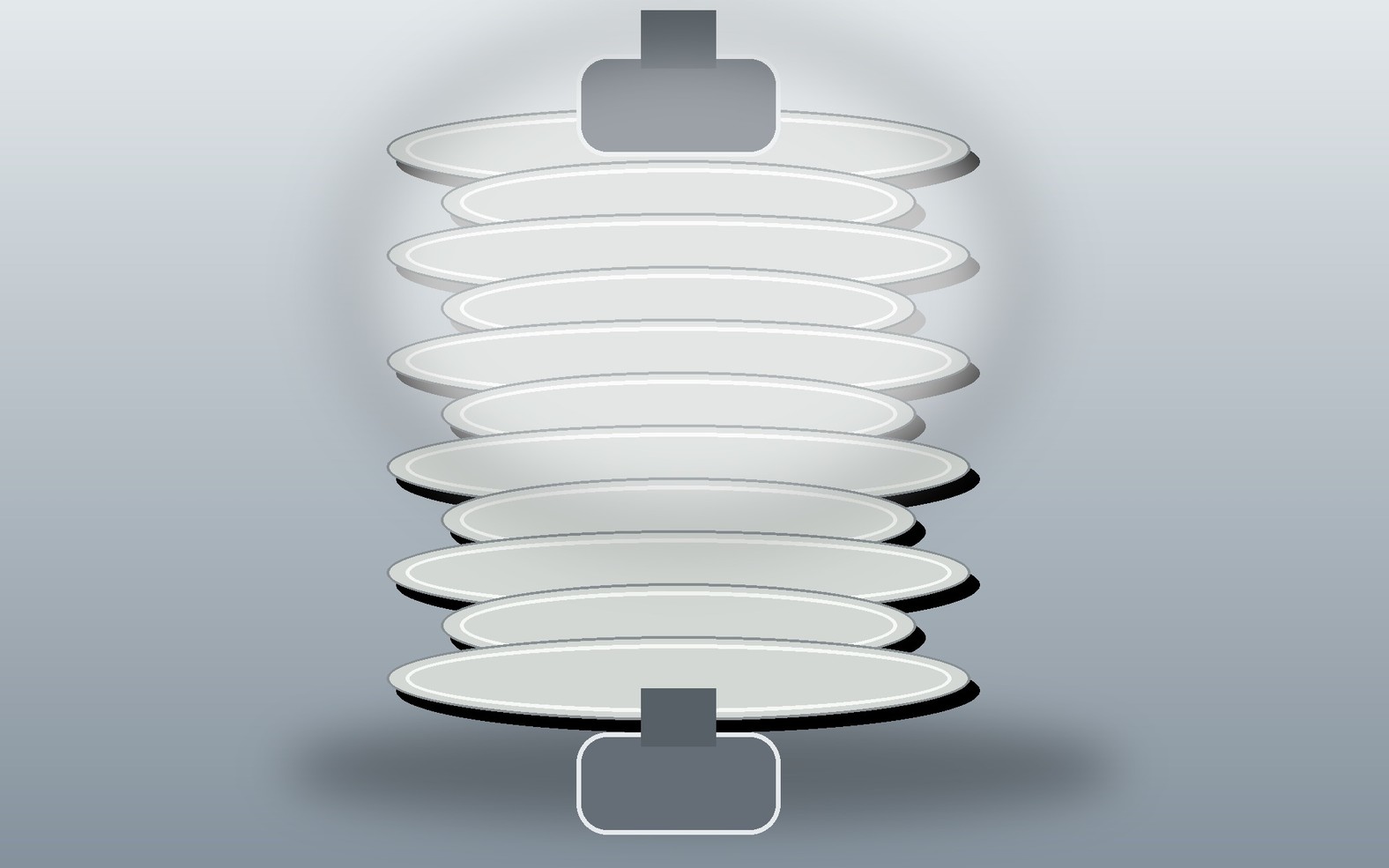 Fig. 5. Silicone rubber housings are widely used in composite insulators and related high-voltage equipment.
Why Work with Eata Silicon?
- Specification-led material matching: start with cure route, hardness, processing method and performance targets rather than a generic "silicone rubber" label.
- Energy and electrical application focus: cable, insulation, sealing, high-voltage and related material requirements can be discussed in the context of the finished component.
- Portfolio comparison: HCR, LSR and specialty electrical compound directions can be compared when the initial grade family is not obvious.
- SEO-friendly technical terminology without locking the project to a third-party trade name: RFQs can be built around recognized material classes and measurable parameters.
- Custom material support: non-standard hardness, color, cure behavior, electrical performance or processing needs can be evaluated as a customized silicone rubber mixture project.
If a standard compound does not match the process window or finished-part target, Eata Silicon can evaluate customized silicone rubber mixture requirements. Depending on technical feasibility, a project may focus on HCR or LSR architecture, cure system, hardness, color, mechanical profile, insulation behavior, permittivity, conductivity, flame performance, processing rheology or another specification that directly affects the application.
For an efficient technical review, send the intended component, processing method, target material family, cure preference, hardness range, electrical requirements, key mechanical properties, operating-temperature conditions, color, quantity and any reference grade or drawing you are currently using. We can then review a standard direction, a close technical analogue or a custom formulation path for your project.
Discuss Your Silicone Rubber Mixture Requirement
Share the application, process and critical property targets with Eata Silicon. A clear technical brief makes it easier to identify the right silicone rubber compound family and define a quotation-ready specification.
| Catalog Number |
Product Name |
Order |
Quantity |
|
SRE-SRM-0001 |
General-Purpose Low-Viscosity Liquid Silicone Rubber, Hardness 13A
|
Inquiry
|
|
|
SRE-SRM-0002 |
General-Purpose Low-Viscosity Liquid Silicone Rubber, Hardness 20A
|
Inquiry
|
|
|
SRE-SRM-0003 |
Low-Viscosity Food-Contact Liquid Silicone Rubber, Hardness 31A
|
Inquiry
|
|
|
SRE-SRM-0004 |
Low-Viscosity Food-Contact Liquid Silicone Rubber, Hardness 39A
|
Inquiry
|
|
|
SRE-SRM-0005 |
Low-Viscosity Food-Contact Liquid Silicone Rubber, Hardness 49A
|
Inquiry
|
|
|
SRE-SRM-0006 |
Low-Viscosity Food-Contact Liquid Silicone Rubber, Hardness 57A
|
Inquiry
|
|
|
SRE-SRM-0007 |
Low-Viscosity Food-Contact Liquid Silicone Rubber, Hardness 68A
|
Inquiry
|
|
|
SRE-SRM-0008 |
General-Purpose Liquid Silicone Rubber, Hardness 23A
|
Inquiry
|
|
|
SRE-SRM-0009 |
General-Purpose Food-Contact Liquid Silicone Rubber, Hardness 32A
|
Inquiry
|
|
|
SRE-SRM-0010 |
General-Purpose Food-Contact Liquid Silicone Rubber, Hardness 43A
|
Inquiry
|
|
For Research or Industrial Raw Materials, Not For Personal Medical Use!