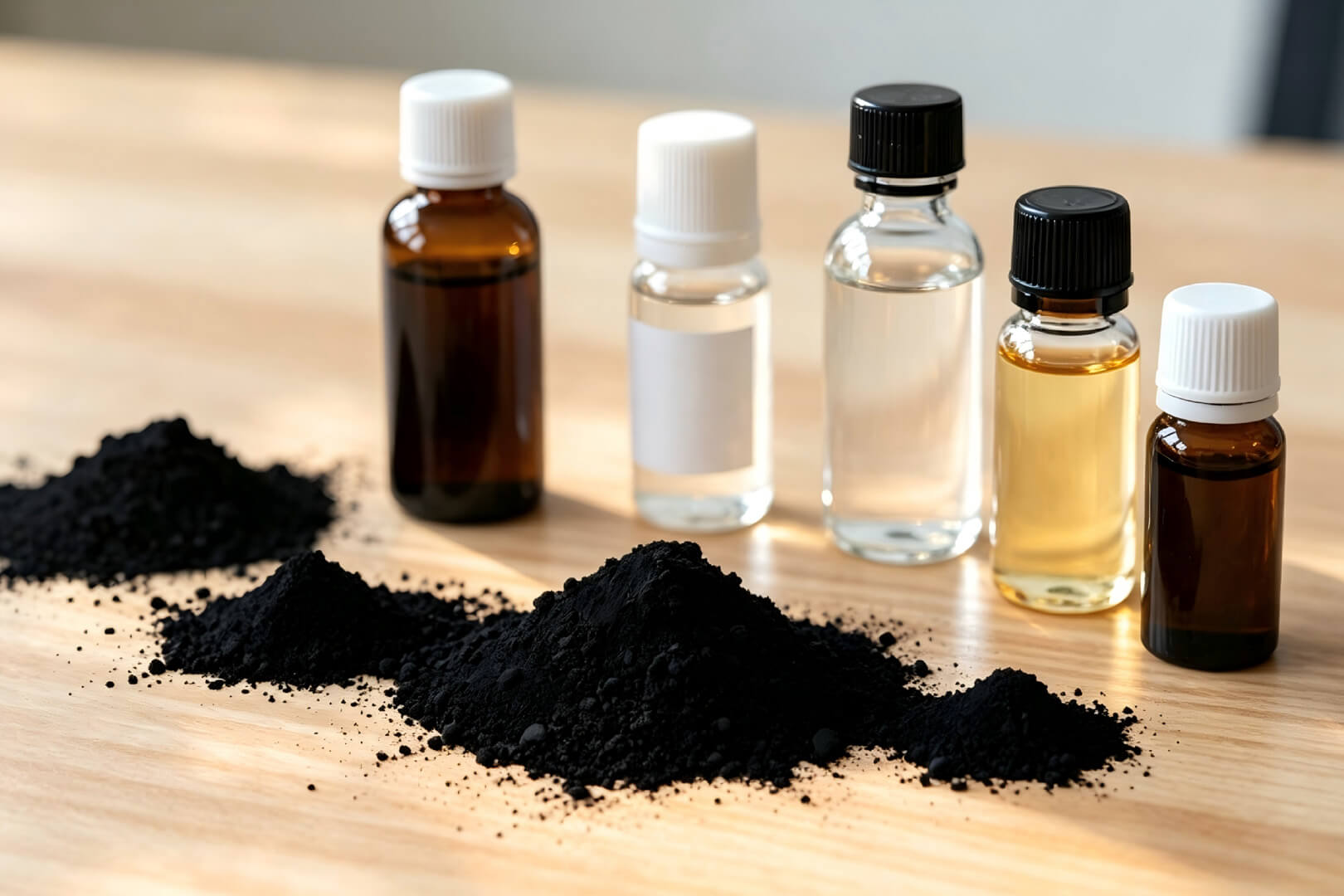
Foam is more than a surface nuisance. In recirculating water, chemical reactors, gas treatment, metalworking fluids and other industrial systems, persistent foam can consume usable vessel volume, disturb pumping and separation, complicate level control, promote overflow and make a process harder to run consistently. Eata Silicon supplies silicone-based antifoaming agent raw materials for formulators and industrial users who need rapid foam knockdown, durable suppression or a carefully balanced combination of both.
The useful part of silicone chemistry is its efficiency at interfaces. Depending on the medium, a project may start with a PDMS/silica antifoam compound, a water-dispersible silicone emulsion, a self-dispersing concentrate, an organomodified silicone, a silicone fluid for non-aqueous service or a powdered form for dry blends. Selection should be driven by the actual process rather than by one generic "defoamer" label.
When Foam Starts Stealing Process Capacity
A foam layer traps gas inside thin liquid films that are often stabilized by surfactants, polymers, fine solids or process contaminants. The result can be a deceptively simple-looking blanket that changes how a tank, pipe, separator or coating line behaves. In high-throughput production, even a modest foam problem can force slower charging, lower vessel fill, more frequent clean-up or repeated process adjustments.
Silicone foam-control materials are attractive because their low surface tension lets them spread at the air-liquid interface. In a classic silicone antifoam compound, hydrophobic silica particles are dispersed in silicone oil. When a suitable droplet reaches the foam film, the silicone phase spreads while the hydrophobic particles help destabilize the film so the bubble ruptures. Commercial foam-control products then tune this basic chemistry through particle treatment, silicone viscosity, organic modification, emulsification and carrier design.
 Figure 1. Conceptual view of a silicone-oil / hydrophobic-silica droplet destabilizing a foam film.
The Chemistry Map: Which Raw-Material Form Fits Which System?
| Raw-material family |
Typical form / chemistry |
Where it is often screened |
Keywords |
| Silicone antifoam compound |
100% active or highly concentrated PDMS-based compound, commonly with hydrophobic silica |
Formulating concentrated defoamers; aqueous or non-aqueous systems depending on dispersibility; high-demand chemical or textile processes |
silicone antifoam compound; PDMS defoamer; hydrophobic silica antifoam; silicone defoamer concentrate |
| Silicone antifoam emulsion |
Oil-in-water emulsion of a silicone antifoam compound or modified silicone |
Water treatment, cooling-water loops, detergents, chemical processing, textile wet processing and other aqueous systems |
silicone antifoam emulsion; water-based defoamer; water-dispersible silicone antifoam |
| Self-dispersing silicone antifoam |
Concentrated silicone foam-control package designed to disperse readily in the foaming medium |
Processes where rapid distribution and formulation compatibility are important |
self-dispersing antifoam; silicone defoamer concentrate; easy-dispersing foam control agent |
| Silicone fluid / PDMS fluid |
Linear silicone fluid selected by viscosity and compatibility |
Water-free or non-polar systems, lubricants, petroleum-related processing and specialized non-aqueous applications |
PDMS antifoam fluid; silicone oil defoamer; petroleum antifoam silicone fluid |
| Organomodified silicone antifoam |
Silicone-glycol, alkyl-modified or other organofunctional silicone architecture |
Aqueous or organic media where compatibility, salt tolerance, wetting balance or carryover needs a different profile |
silicone glycol antifoam; organomodified silicone defoamer; alkyl modified silicone antifoam |
| Powdered silicone antifoam |
Silicone foam-control active carried on a free-flowing solid matrix |
Dry-mix construction materials, powdered formulations and other solid blends that later contact water |
powdered silicone antifoam; drymix defoamer; silicone powder foam control |
Efficiency and Compatibility Have to Be Balanced
An antifoam has to be incompatible enough with the foaming liquid to remain active at the interface, yet not so incompatible that it creates unacceptable deposits, craters, haze, separation or downstream surface problems. This balance is why a grade that works extremely well in wastewater can be wrong for a coating, and why a very compatible additive can sometimes lose activity after prolonged shear or dispersion.
- Foam knockdown versus persistence - some projects need an immediate collapse of existing foam; others need longer inhibition through recirculation, heating or repeated agitation.
- Aqueous versus non-aqueous medium - emulsions are a practical starting point for many water-based processes, while compounds or silicone fluids may fit systems with little or no water.
- pH, temperature and electrolyte load - chemical processing, gas treatment and cleaning systems can expose the antifoam to acid, alkali, salts and elevated temperatures.
- Shear history - pumps, rotor-stator mixers, jet dyeing, filtration and recirculation can change droplet size and therefore foam-control performance.
- Surface sensitivity - coatings, inks, adhesives and later bonding or painting steps may require tighter control of migration, compatibility and surface energy.
- Dilution and dosing route - premixing, inline dosing, low-shear addition or direct use can favor different emulsion or concentrate designs.
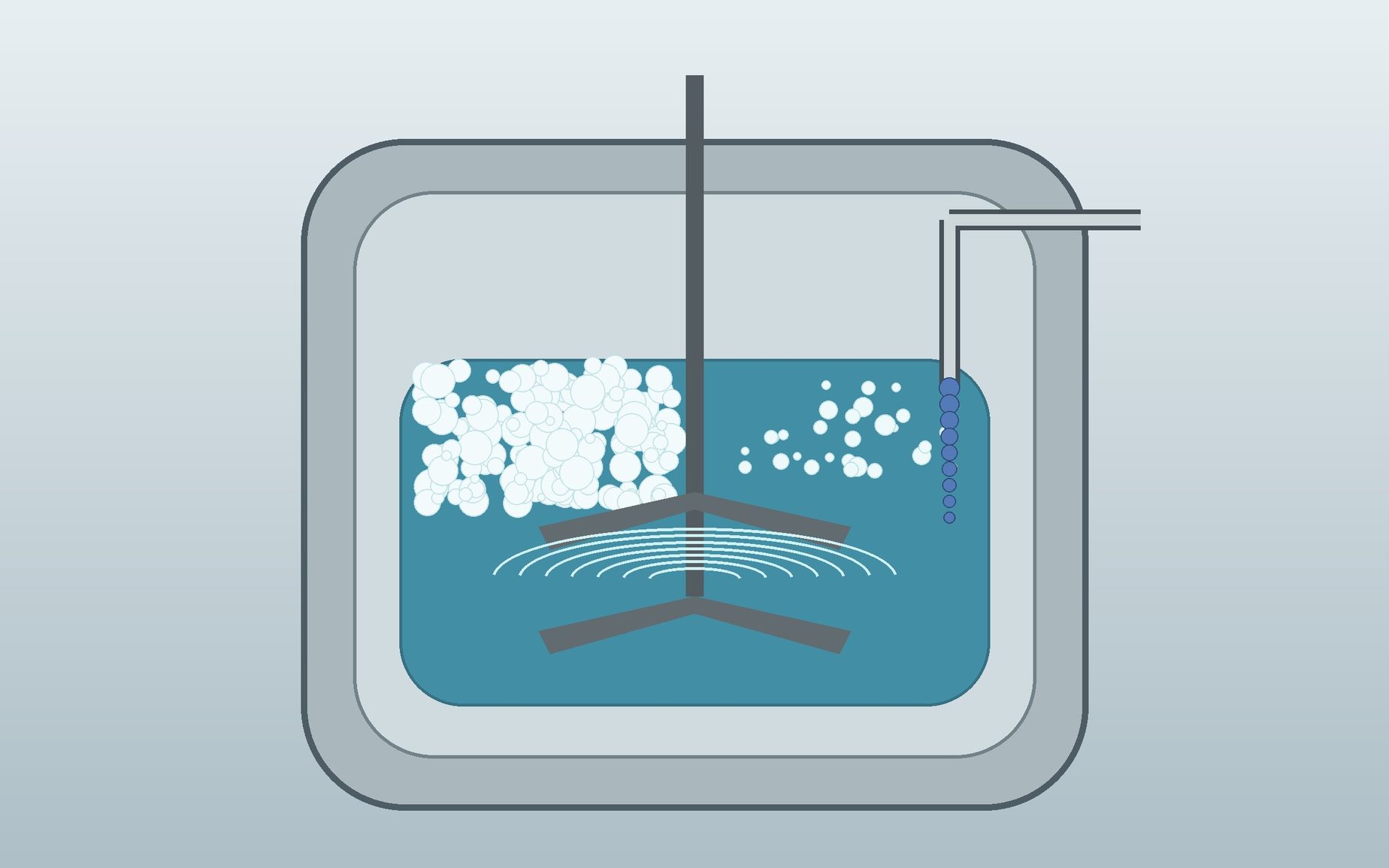 Figure 2. Foam-control dosing into a mixed reactor, where antifoam distribution and shear history influence the final result.
Industrial Application Map
Silicone antifoaming agents appear in a wide range of industrial operations because the foam source changes but the process penalty is similar: lost capacity, poor separation, unstable recirculation or difficult handling. The application notes below are intended as a sourcing map; the final grade should always be qualified in the actual formulation or process fluid.
| Application / process |
Typical foam challenge |
Raw-material directions to screen |
Key selection questions |
| Cooling water and industrial water treatment |
Surfactants, organics and aeration can create persistent surface foam or carryover |
Water-dispersible silicone antifoam emulsions; self-dispersing foam-control concentrates |
Water hardness, pH, recirculation shear, discharge compatibility, required persistence |
| Wastewater and effluent treatment |
Aeration and surface-active contaminants can create heavy froth and reduce operating headspace |
Silicone emulsion, concentrated foam-control compound, self-dispersing antifoam |
Aeration rate, solids load, temperature, foam source, downstream separation |
| Gas sweetening and gas processing |
Foam in amine or other process fluids can disturb mass transfer and separation |
Salt-tolerant silicone antifoam emulsion; alkali-resistant compound; specialty organomodified silicone |
Amine chemistry, ionic strength, temperature, circulation rate, deposit sensitivity |
| Oil / gas separation and petroleum processing |
Foam can slow phase separation or interfere with process control |
Silicone fluid, petroleum antifoam, organomodified silicone, targeted emulsions for aqueous stages |
Crude or hydrocarbon composition, water cut, carryover target, silicon tolerance, temperature |
| Metalworking fluids and coolants |
High-speed recirculation, surfactants and emulsifiers can stabilize foam |
Silicone antifoam emulsion, compatible compound, silicone-glycol modified antifoam |
Coolant type, microemulsion stability, filtration, tramp oil, machining shear |
| Chemical reactors, polymerization and distillation |
Foam reduces effective reactor volume and can contaminate overhead or downstream equipment |
100% active silicone compound, emulsion, self-dispersing antifoam, silicone fluid for non-aqueous systems |
Solvent/water balance, catalyst or resin compatibility, pH, heat, vacuum, shear |
| Coatings, inks and latex systems |
Foam and microfoam can create pinholes, craters or density variation |
Highly compatible silicone defoamer, organomodified silicone antifoam, paint-compatible emulsion |
Binder chemistry, surface defects, gloss, recoatability, filtration and application method |
| Dry-mix and cementitious formulations |
Foam forms after water addition and can raise porosity or reduce density control |
Powdered silicone antifoam on a compatible carrier |
Dry blend stability, redispersibility, particle size, mixing energy, air content target |
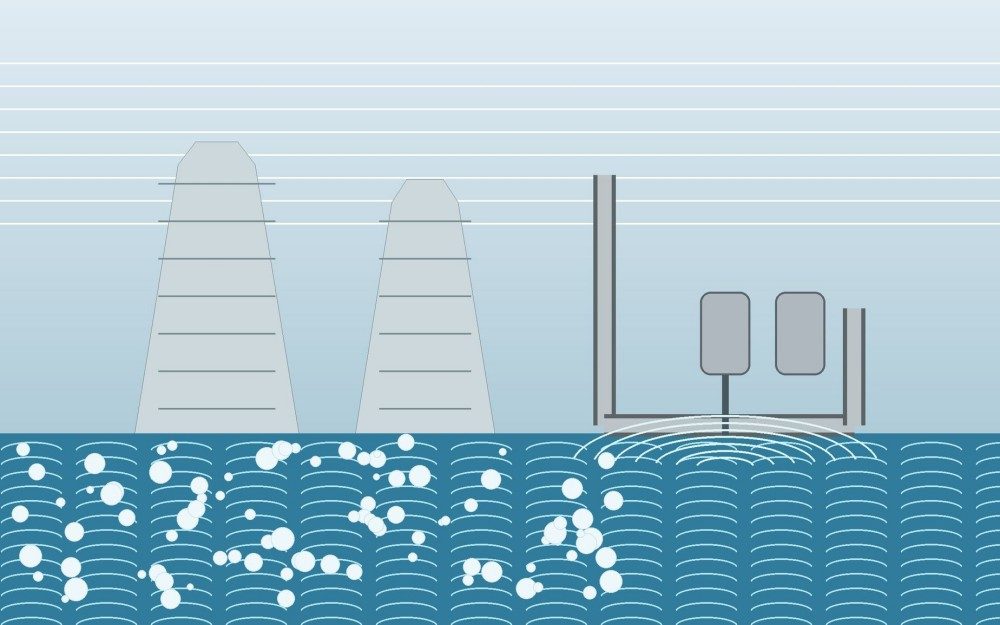 Figure 3. Silicone antifoam can be evaluated in recirculating cooling-water and water-treatment systems where foam consumes operating headspace.
Energy and Process-Industry Foam Control
For energy and process-industry customers, the most relevant foam-control questions often occur in utilities, separation and fluid handling rather than in the final structural material. Cooling-water circuits, wastewater treatment, gas sweetening, crude-oil separation, lubricant production, cleaning steps and chemical synthesis all rely on stable fluid behavior. Silicone antifoaming agents can be screened where foam interrupts these operations, provided the chemistry is matched to the process medium and the downstream quality requirements.
Gas-processing applications deserve particular attention because salt load, pH, temperature and circulation can be severe. Commercial silicone antifoam emulsions are specifically marketed for water-based oil-and-gas foam control and amine units, demonstrating the importance of durability in acidic or alkaline media and compatibility with high-ionic-strength solutions. In petroleum service, specialty organomodified or low-silicon-carryover designs may be evaluated when hydrocarbon separation and downstream silicon limits matter.
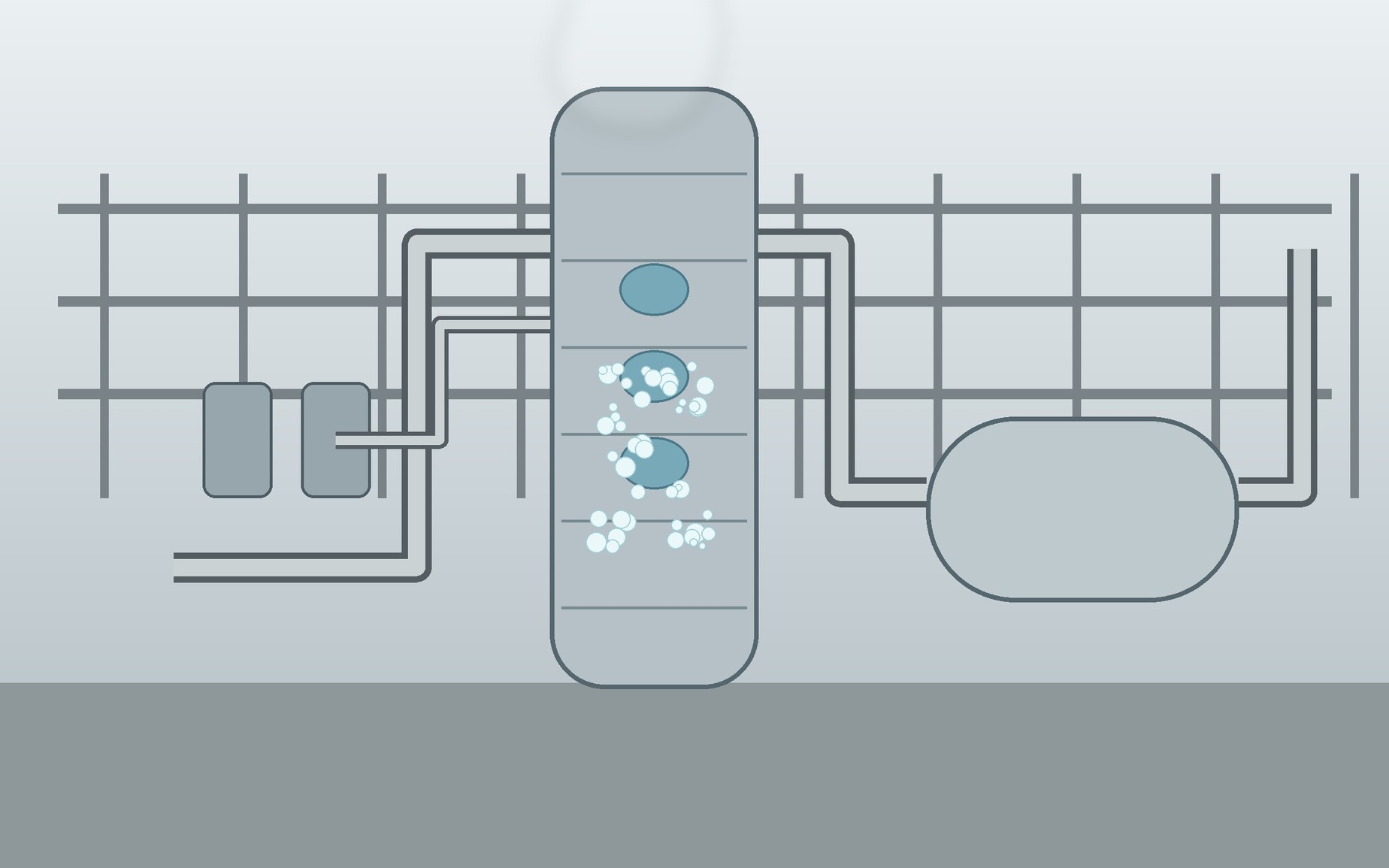 Figure 4. Gas-treatment and separation systems are a demanding foam-control environment because circulation, salts, temperature and mass transfer all interact.
Metalworking Fluids: Control Foam Without Destabilizing the Coolant
Metalworking fluids can foam aggressively because emulsifiers and surfactants are exposed to pumps, nozzles, entrained air and high-speed recirculation. The antifoam must suppress bubbles without breaking the coolant emulsion, causing deposits or interfering with filtration and machining performance. This is a classic case where the most powerful defoamer is not automatically the best formulation choice.
A water-miscible coolant may favor a stable silicone emulsion or organomodified antifoam with good compatibility, while a more oil-rich system may allow a compound or silicone fluid. During screening, compare fresh foam knockdown with performance after circulation, thermal cycling and contamination by tramp oil or metal fines.
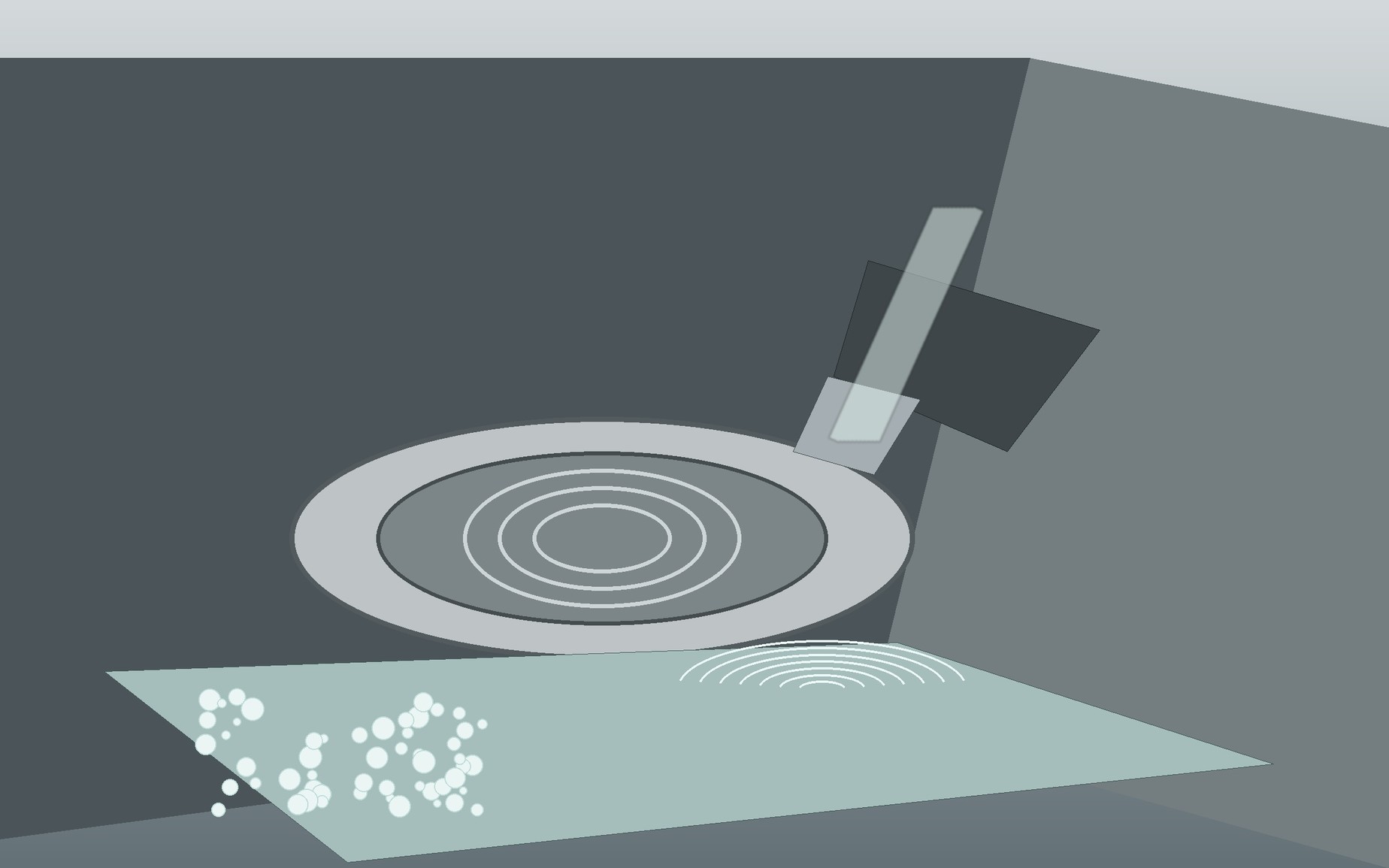 Figure 5. High-speed coolant circulation can stabilize foam; antifoam selection must preserve the fluid emulsion while reducing entrained air.
Powder Antifoams for Dry Blends
Liquid antifoams are not always convenient when the customer is selling a dry product. Powdered silicone antifoams place the foam-control active on a solid carrier so it can be mixed into cementitious drymixes, powdered cleaners or other dry formulations and then activate after water is introduced. A successful powder needs more than antifoam potency: flowability, dry-blend distribution, storage stability, redispersion and compatibility with the mineral or polymer matrix all matter.
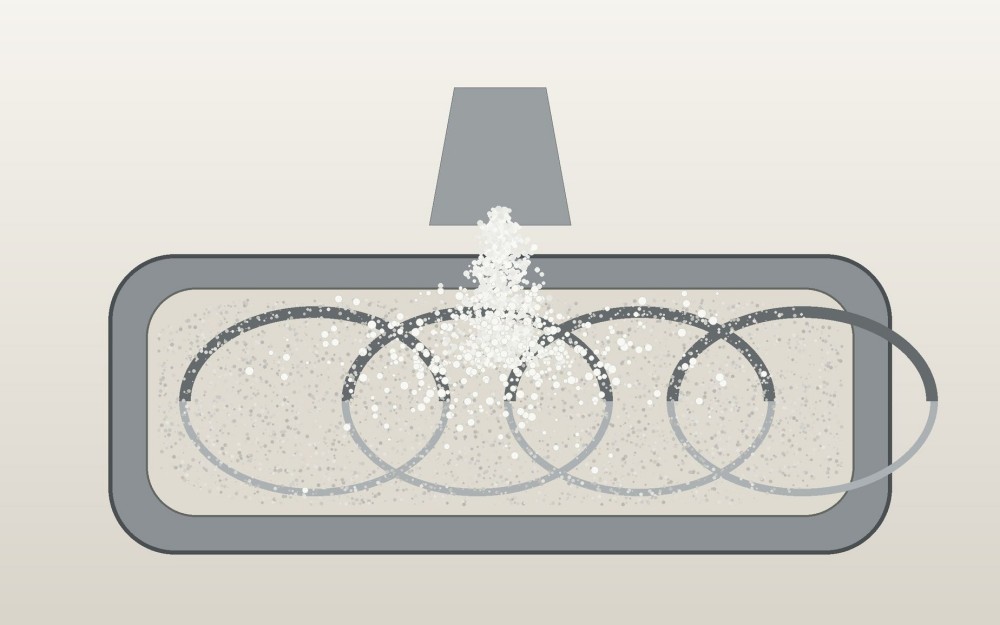 Figure 6. Powdered silicone antifoam can be incorporated into a dry blend so foam control becomes active after the formulation is mixed with water.
Questions Formulators and Process Engineers Ask
What is the difference between an antifoam and a defoamer?
The terms overlap in everyday purchasing language, but technically an antifoam is used to prevent or limit foam formation, while a defoamer is used to destroy foam that already exists. Many silicone foam-control products can perform both functions, with the balance depending on formulation and addition point.
Should I choose an emulsion or a 100% active silicone compound?
An emulsion is usually easier to introduce into an aqueous process because the silicone active is already dispersed in water. A concentrated compound offers more formulation freedom and is often preferred when the customer is manufacturing its own antifoam, working in a low-water system or needs a high-active raw material. Compatibility testing remains essential for both.
Why can a very compatible antifoam lose performance?
Foam-control activity depends on the antifoam remaining as a distinct phase that can reach and destabilize the foam film. If it becomes too soluble or is dispersed too finely by shear, its interfacial activity can fall. Conversely, an antifoam that is too incompatible may create deposits or surface defects. The useful operating window sits between these extremes.
Can one silicone antifoam work from acidic to alkaline conditions?
Some commercial silicone emulsions are designed for broad pH ranges and elevated temperatures, but this is grade-specific rather than a universal property. For extreme pH, high electrolyte, high temperature or long recirculation, the material should be screened under the real process conditions.
How should a silicone antifoam be evaluated for coatings or inks?
Do not judge only the foam test. Also check craters, gloss, haze, pinholes, surface slip, filtration, intercoat adhesion and any later printing, bonding or painting step. A paint-compatible or organomodified silicone direction may be more appropriate than a general-purpose industrial defoamer.
Do powder antifoams behave like liquid antifoams?
They deliver the same broad objective but solve a different handling problem. The active is carried in a solid, so dry-blend distribution and redispersion after water addition become part of the performance equation. The carrier and particle form therefore matter as much as the silicone active.
Standard foam-control chemistries are useful starting points, but the ideal material is often defined by a narrow process window. Eata Silicon can support customized silicone antifoaming agent development around silicone viscosity, hydrophobic-particle package, active concentration, emulsion type, carrier system, organomodification, dispersibility, dilution stability, pH and temperature resistance, shear tolerance, knockdown/persistence balance and project-specific analytical limits.
For a focused recommendation, send the foaming medium, process temperature and pH, recirculation or mixing conditions, desired physical form, compatibility restrictions and any benchmark antifoam you are trying to replace or improve. We can then evaluate a standard raw-material direction, a closer functional alternative or a tailored silicone foam-control specification for industrial or research development.
For Research or Industrial Raw Materials, Not For Personal Medical Use!