Few bonds in organosilicon chemistry work as hard as the silicon-hydrogen bond. Hydrosilane monomers — silanes carrying at least one Si-H group — sit at the heart of addition-cure silicone technology, silane coupling agent production, and modern reduction chemistry. Eata Silicon stocks a broad selection of these reactive building blocks, ranging from trichlorosilane and alkoxyhydrosilanes to trialkylsilanes, arylsilanes, and Si-H functional disiloxanes, in grades suited to both bench research and full-scale manufacturing.
Curing a liquid silicone rubber, end-capping a polyether sealant, reducing a stubborn carbonyl group, or depositing a silicon-based thin film — behind each of these processes stands a hydrosilane monomer doing the chemistry. Because reactivity only counts when it arrives intact, every product in this range is filled under dry inert gas, analyzed lot by lot, and shipped with a complete certificate of analysis.
 The Si-H bond defines hydrosilane monomers — highly reactive toward unsaturated bonds, yet stable enough to store and ship under dry conditions.
What Are Hydrosilane Monomers?
Hydrosilanes are silicon compounds in which hydrogen is bonded directly to silicon, creating a Si-H linkage with unusual polarity: the hydrogen behaves as a hydride, ready to be transferred to electron-poor partners. Depending on the other substituents on silicon, the family splits into several practical classes. Chlorohydrosilanes such as trichlorosilane and methyldichlorosilane serve as upstream feedstocks for the silicone industry. Alkoxyhydrosilanes like trimethoxysilane and triethoxysilane are the starting points for countless functional silanes. Trialkylsilanes and arylsilanes — triethylsilane, triisopropylsilane, phenylsilane, diphenylsilane — act as selective reducing agents and silylation reagents in synthesis. Finally, hydride-terminated disiloxanes and polysiloxanes function as crosslinkers and chain extenders for silicone networks. One functional group, four very different toolboxes.
What the Si-H Bond Can Do
The reactivity of hydrosilane monomers unfolds along several well-established reaction pathways:
- Hydrosilylation — the addition of Si-H across carbon-carbon double or triple bonds, typically under platinum catalysis, forming new Si-C linkages; this is the curing chemistry of addition-cure silicones and the standard route to functional organosilanes.
- Selective reduction — transfer of hydride from silicon to carbonyl groups, imines, amides, nitriles, or even carbon dioxide, converting them into alcohols, amines, or other reduced products under mild conditions.
- Dehydrogenative coupling — Si-H groups react with alcohols, silanols, or other Si-H bonds to build siloxane and polysilane frameworks while releasing hydrogen gas.
- Hydrolysis and condensation — in chloro- or alkoxy-substituted hydrosilanes, the hydrolyzable groups open a second reaction channel toward silanols and siloxane networks, while the Si-H group stays available for later functionalization.
Where Hydrosilane Monomers Go to Work
Addition-Cure Silicone Rubber and Elastomers
Liquid silicone rubber, RTV-2 systems, gels, and coatings all cure through platinum-catalyzed hydrosilylation: the Si-H groups of a hydride crosslinker add across the vinyl groups of a base polymer, knitting a three-dimensional network without by-products. The consistency of the hydrosilane monomer — its hydride content, purity, and freedom from catalyst poisons — directly governs cure speed, network density, and the mechanical properties of the finished elastomer.
 Addition-cure silicone elastomers are built through platinum-catalyzed hydrosilylation of Si-H groups with vinyl-functional polymers.
Intermediates for Silane Coupling Agents
Most commercial silane coupling agents begin life as hydrosilanes. Trimethoxysilane, triethoxysilane, methyldimethoxysilane, and methyldiethoxysilane undergo hydrosilylation with unsaturated organic compounds — allyl glycidyl ether, vinyl monomers, allylamines — to yield the epoxy, amino, methacryloxy, and vinyl silanes that bond glass fiber to resin, filler to polymer, and coating to substrate. Reliable coupling agent production starts with reliable hydrosilane monomers.
Selective Reduction in Organic Synthesis
In the synthesis laboratory, hydrosilanes offer a milder, more selective alternative to metal hydrides. Triethylsilane reduces acetals, ketals, and carbonyl compounds and mediates reductive etherification; triisopropylsilane scavenges carbocations and protects sensitive intermediates; phenylsilane and diphenylsilane handle reductions of aldehydes, ketones, amides, and nitriles, and participate in carbon dioxide valorization chemistry. Because the silicon by-products are easy to remove, hydrosilane reductions simplify work-up in fine-chemical and materials research.
 As selective reducing agents, hydrosilanes convert carbonyl and other unsaturated groups under mild, controllable conditions.
Thin-Film Deposition and Semiconductor Processing
The electronics industry consumes hydrosilanes in a different way. Trichlorosilane is the classic feedstock for producing high-purity polysilicon by chemical vapor deposition, and Si-H functional disiloxanes such as 1,1,3,3-tetramethyldisiloxane serve in plasma-enhanced CVD processes that grow silicon oxide and related films on glass and wafers at low substrate temperatures. For these uses, metallic impurity control matters as much as assay — a requirement our electronic-grade options are designed to meet.
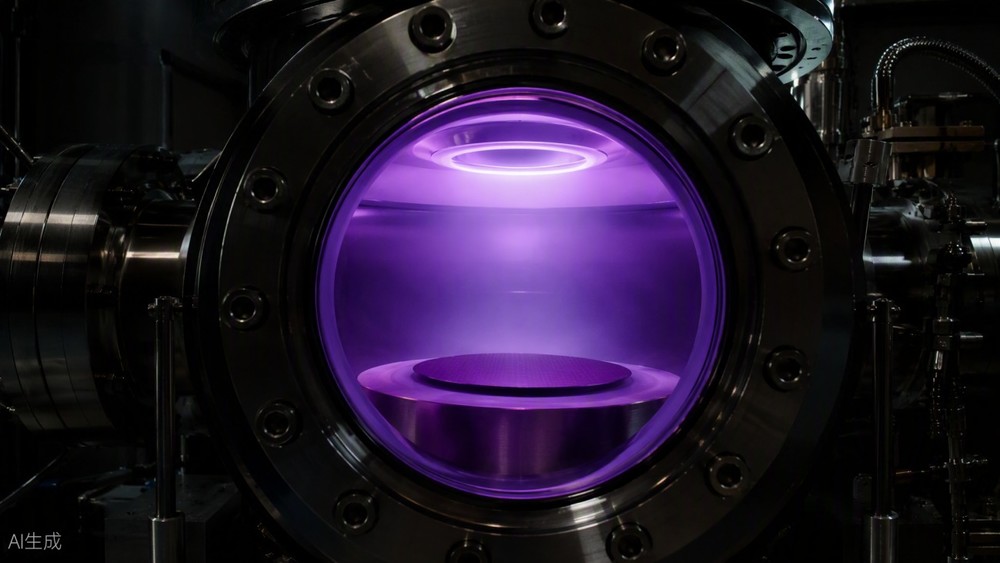 Hydrosilane feedstocks enable low-temperature plasma deposition of silicon-based thin films for electronics and optical coatings.
Functional Polymers and Advanced Materials
Polymer chemists exploit hydrosilane monomers to build architectures that other routes cannot reach. Intermolecular hydrosilylation polymerization of monomers bearing both Si-H and C=C groups produces polycarbosiloxanes; grafting hydrosilanes onto unsaturated polymer backbones yields silane-modified rubbers, adhesives, and surfactants; hydride-terminated siloxanes act as chain extenders and end-cappers in the synthesis of high-molecular-weight polydimethylsiloxane. Research into these structured materials continues to expand, and we support it with well-characterized monomers at any scale.
Representative Hydrosilane Monomers
| Product Name |
CAS No. |
Type |
Typical Use |
| Trichlorosilane |
10025-78-2 |
Chlorohydrosilane |
Polysilicon feedstock; silane synthesis intermediate |
| Methyldichlorosilane |
75-54-7 |
Chlorohydrosilane |
Hydride silicone fluids; water-repellent treatments |
| Dimethylchlorosilane |
1066-35-9 |
Chlorohydrosilane |
End-capping and hydrosilylation intermediate |
| Trimethoxysilane |
2487-90-3 |
Alkoxyhydrosilane |
Key intermediate for silane coupling agents |
| Triethoxysilane |
998-30-1 |
Alkoxyhydrosilane |
Coupling agent synthesis; sol-gel chemistry |
| Methyldimethoxysilane |
16881-77-9 |
Alkoxyhydrosilane |
Sealant end-capping; crosslinker intermediate |
| Methyldiethoxysilane |
2031-62-1 |
Alkoxyhydrosilane |
Functional silane intermediate; surface modifier |
| Triethylsilane |
617-86-7 |
Trialkylsilane |
Selective reducing agent; silylation reagent |
| Triisopropylsilane |
6459-79-6 |
Trialkylsilane |
Sterically hindered reductant; cation scavenger |
| Phenylsilane |
694-53-1 |
Arylsilane |
Reducing agent; polysilane precursor |
| Diphenylsilane |
775-12-2 |
Arylsilane |
Dehydrogenative coupling; selective reduction |
| Phenyldimethylsilane |
766-77-8 |
Arylsilane |
Hydrosilylation reagent for organic synthesis |
| 1,1,3,3-Tetramethyldisiloxane |
3277-26-7 |
Hydride disiloxane |
PECVD feedstock; end-capper; reductive halogenation |
Handling, Packaging, and Quality Control
Si-H reactivity demands disciplined handling, and our production and packaging lines are built around that fact. All hydrosilane monomers are processed in closed, moisture-free systems, filled under dry nitrogen, and sealed in containers matched to their reactivity — from septum-capped laboratory bottles to steel drums for bulk volumes. Assay is determined by gas chromatography, hydride content is verified titrimetrically where relevant, and identity is confirmed by NMR. Each lot ships with a certificate of analysis and a safety data sheet, and electronic-grade material can be supplied with trace-metal data on request.
Some projects need a hydrosilane that no catalog lists — an unusual substitution pattern, a mixed alkyl-aryl structure, a defined hydride equivalent weight, or an isotopically labeled analogue. Our custom synthesis service takes these requests from route design through pilot scale, working under confidentiality agreements when your project requires it. Quantities range from a few grams for catalyst screening to drum-scale supply for process development, and every custom batch arrives with full analytical documentation. Share your target structure or performance requirement, and our chemists will map out a practical route.
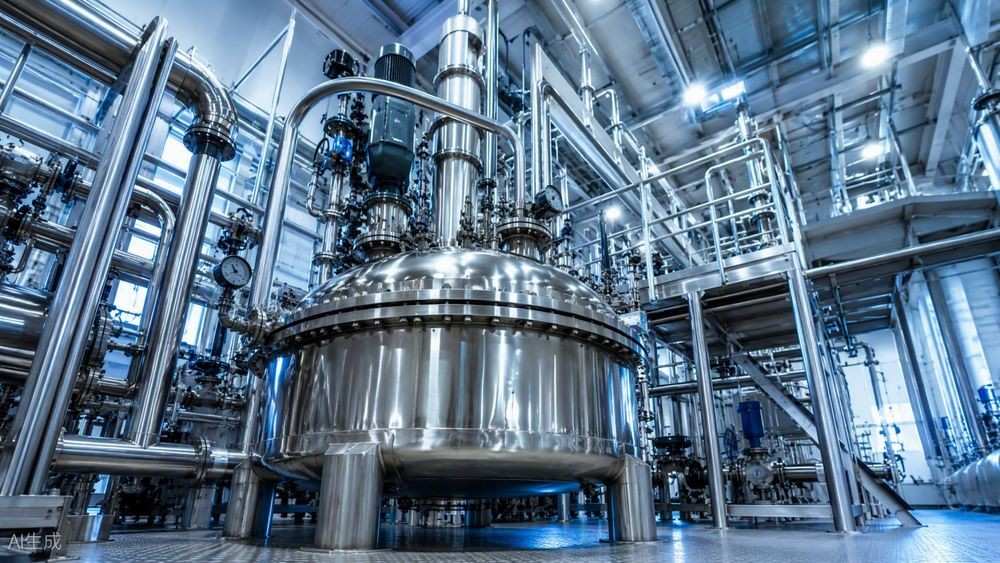 Custom hydrosilane structures can be developed in the laboratory and scaled to industrial production volumes.
For Research or Industrial Raw Materials, Not For Personal Medical Use!