General-purpose silicone fluids are the workhorse liquids of the silicone family. In most industrial catalogs, the core chemistry is linear, non-reactive polydimethylsiloxane (PDMS) - a clear dimethyl silicone fluid whose siloxane backbone provides a useful combination of temperature-stable flow, low surface tension, water repellency, dielectric behavior, shear stability and low chemical reactivity. That balance is why the same basic chemistry appears in mechanical fluids, release systems, electrical insulation, damping, surface treatment and formulation work.
For buyers, the grade decision usually starts with kinematic viscosity at 25 °C. A 5 or 10 cSt fluid handles very differently from a 1,000 cSt or 100,000 cSt material, even though all may be described as dimethyl silicone fluid or silicone oil. Volatility, flash point, low-temperature flow, dielectric requirements, low-molecular siloxanes, desired film thickness and the actual operating environment should be reviewed alongside viscosity. Eata Silicon helps customers compare these variables so the selected PDMS fluid fits the process rather than a generic category name.
What Defines a General-Purpose Silicone Fluid?
Conventional dimethyl silicone fluids are built around a repeating Si-O-Si backbone carrying methyl groups. In straight, non-reactive product families, methyl groups are also used at the chain ends, creating a stable PDMS fluid that is selected mainly for physical performance rather than for chemical curing or crosslinking. This is the key distinction from silanol-, vinyl-, hydride-, amino-, epoxy- and other functional silicone fluids used as reactive intermediates.
The chemistry stays broadly recognizable across a very wide molecular-weight range, while viscosity changes dramatically. Published supplier portfolios show general-purpose dimethyl fluids from sub-1 cSt grades through 1,000,000 cSt grades, with specialty PDMS fluids extending even higher. As molecular size increases, flow slows, film persistence and damping generally rise, and low-molecular volatility becomes less dominant. Exact physical values remain grade-specific, so procurement should work from the requested viscosity and acceptance specification.
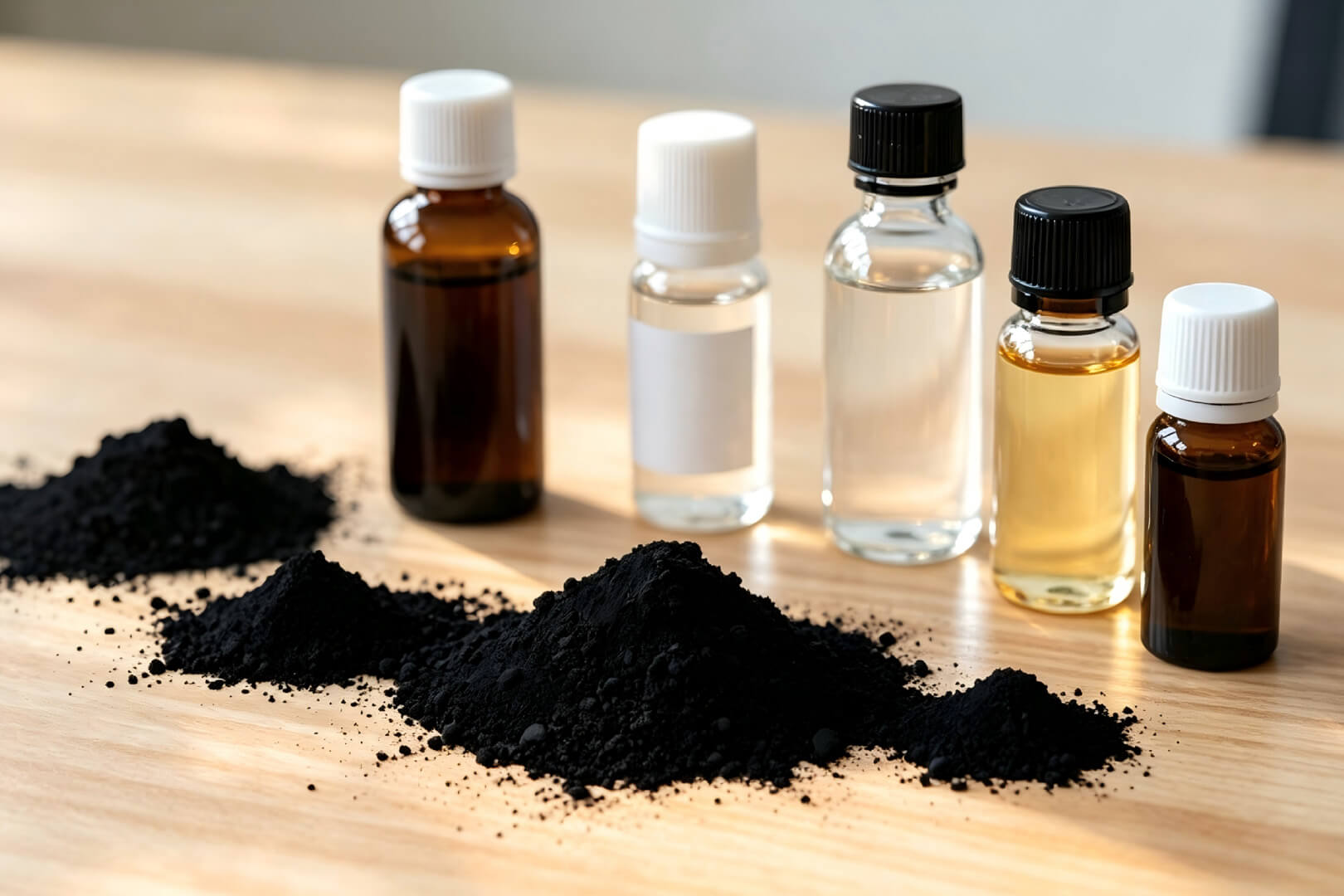
 Fig. 1. Low surface tension influences spreading, wetting and interfacial behavior on solid surfaces.
| Property |
Typical PDMS Character |
Why It Matters in Selection |
| Appearance |
Usually clear and colorless |
Useful for clean processing and visual inspection; color limits can be added when the application is sensitive. |
| Kinematic viscosity |
Specified at a defined temperature, commonly 25 °C |
Primary buying variable for flow, dosing, film thickness, damping and pumping behavior. |
| Surface behavior |
Low surface tension and strong spreading tendency |
Relevant to release, wetting, polishing, coating and antifoam performance. |
| Electrical behavior |
Good dielectric properties in conventional PDMS families |
Supports evaluation as liquid dielectric, insulating medium or damping fluid in electrical equipment. |
| Temperature behavior |
Relatively small viscosity change across a broad temperature span |
Helps maintain predictable flow where conventional organic oils may change more strongly with temperature. |
| Chemical character |
Non-polar and highly unreactive under many normal conditions |
Can simplify compatibility work, although every solvent, substrate and additive package should still be tested. |
Viscosity Is the Main Handle - but Not the Only One
Two general-purpose PDMS fluids can share the same backbone and still behave like very different raw materials because their chain lengths are different. Low-viscosity grades spread rapidly and meter easily. Medium-viscosity grades provide a practical balance between flow and persistent film formation. High-viscosity grades move more slowly, create thicker films and are often considered when damping, release persistence or process rheology matters.
The market also shows a clear volatility effect at the low end. Very low molecular silicone fluids may have lower flash points and more measurable evaporation than medium- or high-viscosity polymers. For that reason, a buyer searching for 0.65, 1, 1.5, 2 or 5 cSt silicone fluid should not assume that the handling profile of a 100 or 1,000 cSt PDMS applies automatically.
| Representative Viscosity Range |
Flow Class |
Typical Buying Direction |
| 0.65-5 cSt |
Ultra-low / very low |
Fast wetting, carrier-like flow, surface treatment and precision dosing. Review volatility, flash point and evaporation behavior carefully. |
| 10-50 cSt |
Low |
Easy flow and spreading for mechanical fluids, coating aids, release, polishing, penetrating formulations and electrical applications. |
| 100-500 cSt |
Medium |
Balanced film formation and flow for release, lubrication of compatible materials, dielectric use, damping and general formulation work. |
| 1,000-5,000 cSt |
Medium-high |
More persistent film and slower flow for release, damping, mechanical and formulation applications where added body is useful. |
| 10,000-60,000 cSt |
High |
Damping, antifoam, release and process-control applications where a thick, stable PDMS phase is preferred. |
| 100,000-1,000,000 cSt |
Very high |
Slow flow, high damping and strong rheological influence; pumping, mixing and metering capability become important selection factors. |
Representative Products
| Representative Products |
Viscosity at 25 °C |
Technical Context |
| PDMS silicone fluid 5 cSt |
5 cSt |
Low-viscosity dimethyl silicone oil; check volatility and flash point. |
| Dimethyl silicone fluid 10 cSt |
10 cSt |
Low-viscosity general-purpose PDMS for spreading, coating and mechanical-fluid evaluation. |
| Silicone oil 20 cSt / 50 cSt |
20-50 cSt |
Low-viscosity grades used as common search points for wetting, release and formulation work. |
| PDMS fluid 100 cSt / 200 cSt |
100-200 cSt |
Medium-viscosity silicone fluid for dielectric, damping, release and process applications. |
| Silicone fluid 350 cSt / 500 cSt |
350-500 cSt |
Widely cataloged medium-viscosity range with balanced flow and film formation. |
| Silicone oil 1,000 cSt |
1,000 cSt |
General-purpose high-body fluid for release, lubrication, insulation and antifoam-related formulation work. |
| PDMS 5,000 cSt / 10,000 cSt |
5,000-10,000 cSt |
Higher-viscosity grades for damping, persistent films and process control. |
| Silicone fluid 12,500 cSt / 30,000 cSt |
12,500-30,000 cSt |
High-viscosity PDMS search terms for damping, antifoam and surface-control needs. |
| PDMS 60,000 cSt / 100,000 cSt |
60,000-100,000 cSt |
Very high viscosity for slow-flow and high-damping applications. |
| Silicone oil 300,000 / 500,000 cSt |
300,000-500,000 cSt |
Extremely high-viscosity PDMS for specialized rheology, damping and processing. |
| Silicone fluid 1,000,000 cSt |
1,000,000 cSt |
Ultra-high viscosity general PDMS search term; requires appropriate handling and metering equipment. |
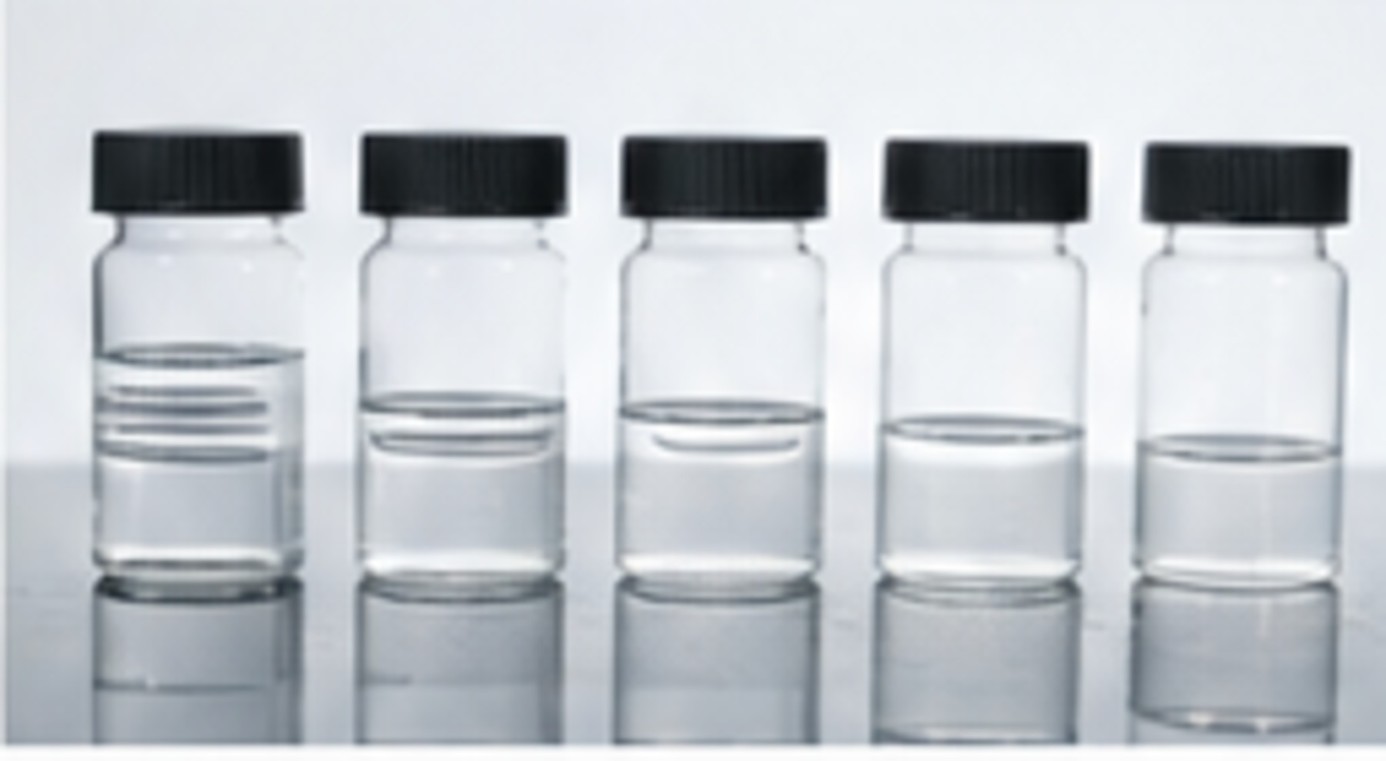 Fig. 2. A controlled viscosity series helps buyers match flow, film thickness and damping behavior to the process.
Why General-Purpose PDMS Fluids Remain Useful Across Industry
1. Stable Flow Across Temperature Changes
A central reason to choose silicone fluid is its relatively small viscosity change with temperature compared with many conventional organic fluids. That does not mean one grade works at every temperature: low-temperature flow, thermal oxidation, flash point and long-term heat exposure still need to be evaluated. It does mean PDMS is often considered when a formulation or mechanism needs predictable flow across changing conditions.
2. Low Surface Tension and Easy Spreading
Dimethyl silicone fluids have much lower surface tension than water and many common oils. They spread readily across clean surfaces, which is valuable in mold release, surface conditioning, polishing, wetting and foam-control work. The same surface activity can also create compatibility challenges in coatings or bonding operations, so accidental contamination must be controlled when downstream adhesion is critical.
3. Water Repellency and Low Reactivity
The methyl-rich PDMS surface is hydrophobic, and conventional silicone fluids are highly unreactive under many ordinary industrial conditions. These traits are useful where water repellency, weathering resistance or chemical stability is part of the design. Compatibility should still be verified with strong acids, strong bases, unusual solvents, reactive catalysts and high-temperature systems rather than assumed from the word "silicone" alone.
4. Dielectric and Damping Behavior
Published silicone-fluid product literature consistently lists good dielectric properties and damping performance among the advantages of straight PDMS fluids. These characteristics support their evaluation in electrical and electronic equipment, instrumentation, shock or vibration damping and selected energy-system component development. Electrical performance should be qualified against the exact grade, moisture content, cleanliness level and test method required by the project.
 Fig. 3. Stable dielectric behavior makes suitable silicone-fluid grades relevant to electrical and electronic material development.
Industrial and Energy-Related Application Map
| Application Area |
How the Silicone Fluid May Be Used |
Specifications to Discuss |
| Electrical equipment and power electronics |
Liquid dielectric, damping medium, insulating-fluid evaluation and protective formulation work. |
Dielectric properties, moisture, ionic cleanliness, viscosity, temperature range and compatibility with polymers/metals. |
| Thermal management and heating systems |
Selected silicone-fluid grades are used as heat-transfer or heating media in open or closed systems. |
Grade-specific operating-temperature window, flash point, volatility, thermal stability, viscosity and system design. |
| Mechanical systems and instrumentation |
Damping fluid, light-duty lubricant, hydraulic/mechanical fluid, penetrating-oil ingredient and motion-control medium. |
Viscosity, shear stability, friction pair, seal compatibility, load, speed and operating temperature. |
| Molding, rubber and plastics processing |
Release agent, surface-active processing aid and plastics additive. |
Release force, transfer/contamination risk, substrate compatibility, temperature and post-processing adhesion needs. |
| Coatings, polishes and surface treatment |
Spreading aid, gloss/polish ingredient, water-repellent surface modifier and film-control additive. |
Surface tension, compatibility, dosage, substrate, recoating/adhesion requirements and solvent system. |
| Foam control and process formulation |
PDMS fluid component in non-aqueous antifoam systems and specialty process formulations. |
Viscosity, dispersion method, active addition level, process temperature and compatibility with the foaming medium. |
| Laboratory and formulation development |
Inert fluid phase, viscosity standardization work, materials compatibility studies and experimental media. |
Purity, viscosity tolerance, low-volatiles profile, documentation and analytical requirements. |
 Fig. 4. Gear and bearing interfaces show why viscosity selection matters in damping and light-duty lubrication.
Lubrication and Damping: Select the Friction Pair, Not Just the Fluid
Silicone fluids are widely described as lubricious and are used with plastics, elastomers and selected mechanical systems, but lubrication performance depends strongly on the two surfaces, contact pressure, sliding speed and additives. A PDMS that works well in an instrument, plastic component or release system may not be the right choice for heavily loaded metal-on-metal service. Buyers should describe the friction pair and duty cycle when lubrication is the reason for the inquiry.
Damping is a different selection problem. Here the viscosity, its temperature coefficient, shear stability and the geometry of the damper or instrument become central. High-viscosity PDMS grades can provide slow, controlled movement, while lower viscosities are used when response must be faster. The correct grade is therefore a system decision rather than simply "high viscosity is better."
Release and Surface Control
Low surface tension allows dimethyl silicone fluid to spread into fine surface features and create a low-adhesion interface. That is why silicone fluids are common reference materials for release and surface-control work in rubber, plastic, composite and metal processing. The key question is whether any silicone transfer is acceptable downstream. If the molded part will later be painted, bonded, printed or coated, the release strategy and cleaning sequence should be validated before scale-up.
 Fig. 5. Silicone fluids can support clean release and surface control in selected molding and processing workflows.
Thermal Use: Choose a Grade Designed for the Temperature Window
Silicone fluids are often associated with heat resistance, but thermal service must be grade-specific. Supplier portfolios include dimethyl silicone fluids designed for higher-temperature heating-medium service, while ordinary general-purpose grades have different limits. For a thermal-bath, heat-transfer or heating application, the RFQ should state whether the system is open or closed, normal and maximum temperatures, residence time, oxygen exposure, required viscosity at operating temperature and acceptable volatility.
This is especially relevant in energy-material development, power-electronics testing and process equipment where a stable fluid may be needed around heated components. Selecting by room-temperature viscosity alone can miss the most important variables for a thermal system.
What to Put on a General-Purpose Silicone Fluid RFQ
- Target chemistry: non-reactive dimethyl silicone fluid / PDMS, including any requirement for trimethylsiloxy end blocking or a specific molecular range.
- Kinematic viscosity: target and acceptable range at a defined temperature, normally 25 °C unless the process uses another condition.
- Operating temperature: minimum, normal and peak exposure; identify whether the system is open, closed, static or continuously circulated.
- Volatility and low-molecular profile: limits for evaporation, volatile matter or selected cyclic/low-molecular siloxanes when they affect the process.
- Flash point and low-temperature flow: important for very low-viscosity grades and temperature-sensitive equipment.
- Electrical requirements: dielectric constant, dielectric strength, volume resistivity, moisture or ionic cleanliness when the fluid is used around electrical components.
- Surface requirements: release, wetting, water repellency, polish, antifoam or contamination-control objectives.
- Compatibility: substrate, polymer, elastomer, seal, solvent, resin, metal and other materials that will contact the fluid.
- Analytical controls: appearance, viscosity, density, refractive index, water, volatiles, trace metals/ions or other project-specific limits.
- Quantity and packaging: include the expected use scale and packaging preference so the requested specification can be evaluated appropriately.
A Practical Selection Workflow
| Step |
What to Define |
| 1. Define the job |
Release, dielectric, damping, thermal medium, process aid, antifoam, surface treatment or another physical function. |
| 2. Choose the viscosity window |
Start from required flow, film thickness, damping response, pumpability and dosing method. |
| 3. Check the temperature profile |
Review low-temperature flow, normal temperature, peak temperature, oxidation exposure and flash point. |
| 4. Qualify surface and compatibility behavior |
Test wetting, release, adhesion side effects, elastomer/plastic compatibility and solvent behavior in the actual formulation. |
| 5. Lock the analytical specification |
Set viscosity tolerance plus any critical limits for volatiles, water, color, ions, metals or low-molecular components. |
When a catalog viscosity is close but not quite right, the most productive discussion starts with the process. Share the target viscosity and temperature, application, compatibility constraints, low-volatility or impurity requirements and the analytical data needed for qualification. Eata Silicon can evaluate a standard grade, a blended viscosity target or a project-specific specification and work with you on a material package aligned with your formulation or industrial program.
| Catalog Number |
Product Name |
Order |
Quantity |
|
SFP-0017 |
Medium-Viscosity Linear PDMS Fluids, 50–1,000 cSt
|
Inquiry
|
|
|
SFP-0018 |
High-Viscosity Linear PDMS Fluids, 5,000–500,000 cSt
|
Inquiry
|
|
|
SFP-0019 |
General-Purpose Dimethyl Silicone Fluid Family, 10–350 mPa·s Listed Grades
|
Inquiry
|
|
|
SFP-0020 |
High-Boiling Silicone Fluid for Hydrophobic Treatment and Release Systems
|
Inquiry
|
|
|
SFP-0021 |
Industrial Dimethyl Silicone Fluid Series, 100–60,000 mm²/s
|
Inquiry
|
|
|
SFP-0022 |
General-Purpose Polydimethylsiloxane Fluid, 0.65–3,000,000 cSt
|
Inquiry
|
|
|
SFP-0023 |
Trimethylsiloxy-Terminated Polydimethylsiloxane Fluid, 1,000 cSt
|
Inquiry
|
|
|
SFP-0024 |
Trimethylsiloxy-Terminated Polydimethylsiloxane Fluid, 100 cSt
|
Inquiry
|
|
For Research or Industrial Raw Materials, Not For Personal Medical Use!