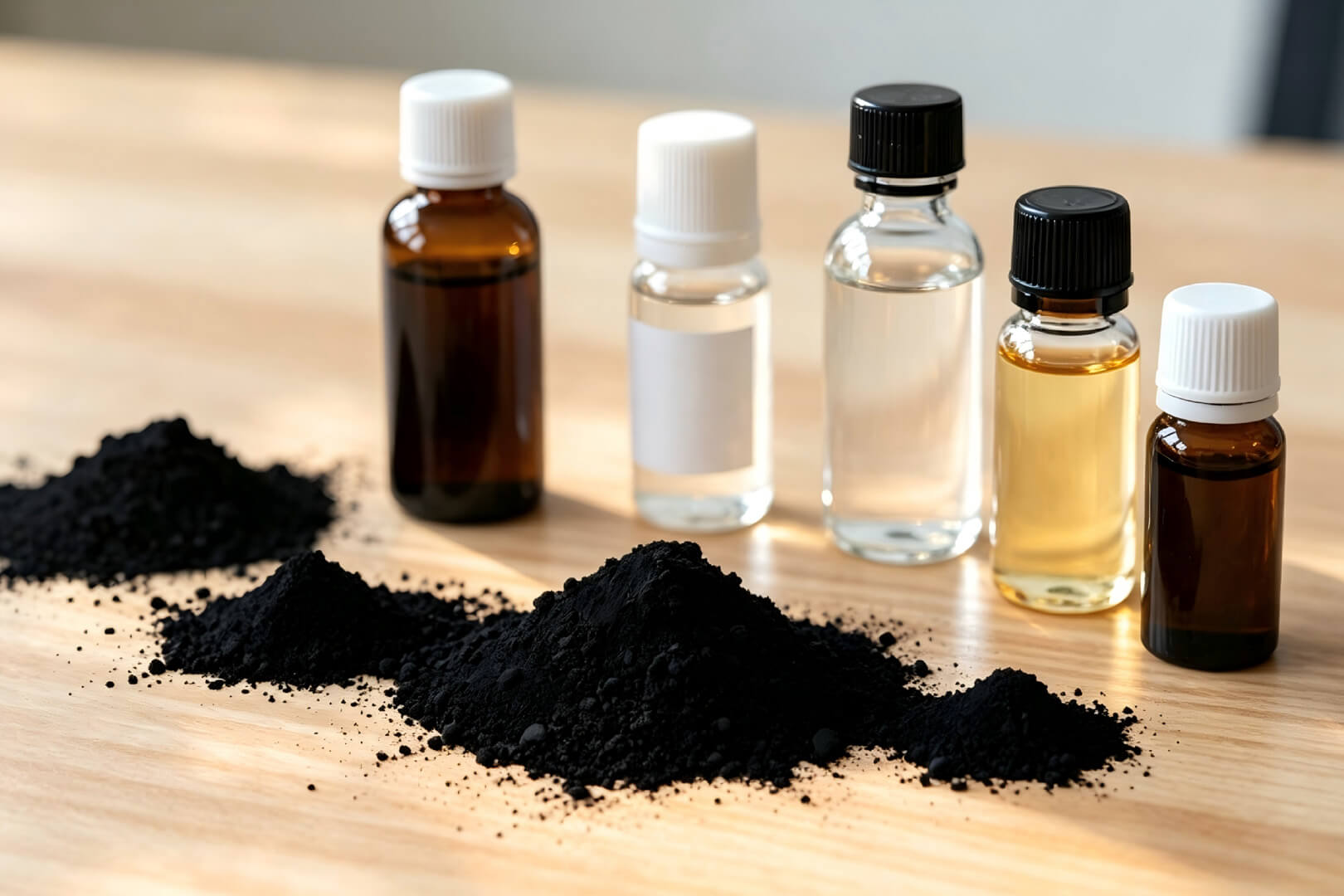
After scouring, dyeing, printing or mechanical processing, a textile may meet its color target yet still feel too harsh, drag against the skin, lose drape or show surface wear too quickly. Silicone-based textile auxiliaries give formulators a practical way to tune fiber-to-fiber friction and surface behavior, helping create softer, smoother and more controlled finishes without treating every fabric as the same substrate.
Eata Silicon focuses on silicone raw materials and finishing auxiliaries for cotton, viscose, lyocell, polyester, blends, plush and other textile constructions. The best route depends on fiber chemistry, bath conditions, application method, target hand, moisture behavior and the abrasion or rub test used to qualify the finished fabric.
Why Silicone Works in Textile Finishing
Siloxane backbones are valued in textile finishing because they can lower inter-fiber friction and create a characteristic smooth, lubricious touch. Functional modification changes the balance: amino-functional silicones are commonly selected for soft, silky hand; polyether-modified silicones can combine softening with hydrophilic or water-absorption behavior; and silicone gum, resin or resin-modified systems can be used when surface durability, mar resistance or abrasion performance is part of the finish target.
The important point is balance. A finish that feels exceptionally slick may not be the best choice when moisture transport, printability, coating adhesion or a specific abrasion result is the priority. Qualification should therefore compare hand feel and durability together under the actual finishing route.
 Silicone softening can build a smooth, flowing hand on lightweight fabrics.
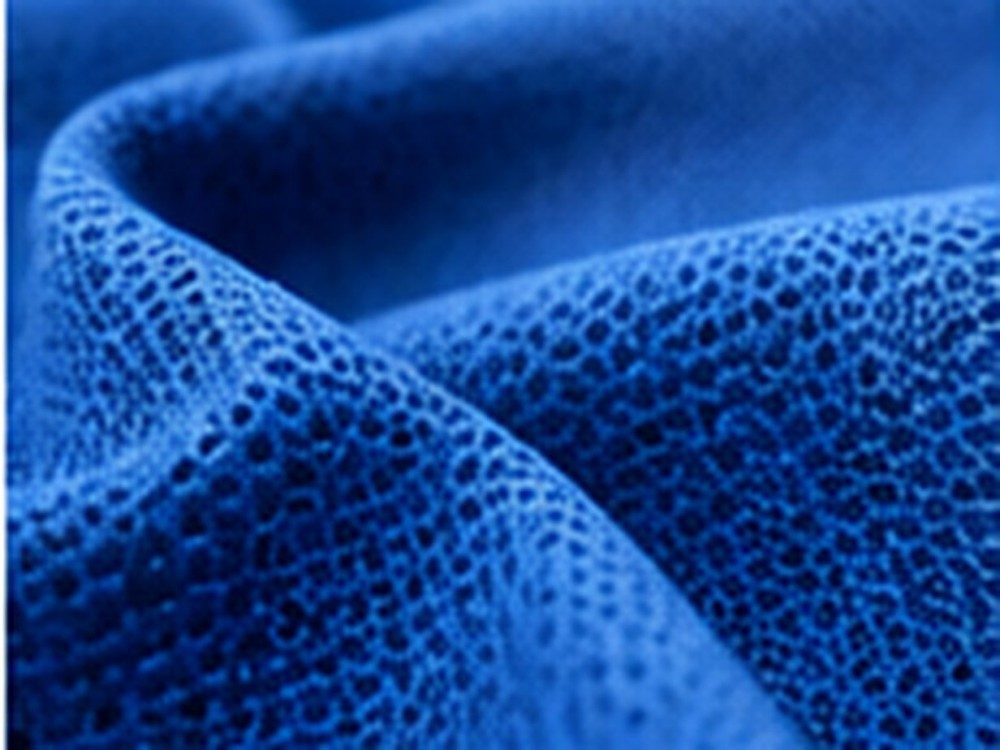 Technical knits require a careful balance between softness, friction and structural definition.
Three Product Families, Three Different Priorities
| Product Family |
Common Chemistry Direction |
Primary Finish Targets |
Typical Textile Direction |
| Silicone Softeners |
Amino-functional silicone, silicone polyether, silicone emulsions |
Softness, smoothness, drape, low-friction hand; hydrophilic options |
Cotton, viscose, lyocell, polyester, blends, plush and general finishing |
| Silicone Hand-Feel and Abrasion-Resistance Agents |
Resin-modified or multifunctional silicone fluids |
Smooth, fluffy or elastic hand, rebound, film formation and surface durability |
Apparel, functional fabrics, upholstery and finishes requiring a defined tactile profile |
| Silicone Abrasion-Resistant Finishing Agents |
Silicone gum/resin and abrasion-focused modified silicone systems |
Mar, rub and abrasion resistance while preserving an acceptable hand |
Printed, coated and technical textiles or high-contact fabric surfaces |
Abrasion performance is system-dependent. Fabric construction, coating or print layer, add-on, cure conditions and the selected test method can all change the result, so comparative lab testing should be part of grade selection.
Representative Eata Silicon Product Information
| Category |
Representative Product |
Solids / Active |
Viscosity |
Application Direction |
| Silicone Softeners |
Nonionic Polyether-Modified Silicone Textile Fluid |
93–95% |
2,500–4,500 mPa·s |
Hydrophilic soft hand; polyester, cotton, plush and other fabrics |
| Silicone Softeners |
Super-Smooth Modified Amino Silicone Textile Fluid |
88–90% |
20,000–40,000 mPa·s |
Low-friction smooth hand for cotton, viscose, lyocell and other cellulose fabrics |
| Hand-Feel / Abrasion-Resistance |
Resin-Modified Smooth Elastic Silicone Textile Fluid |
59–61% |
800–1,200 mPa·s |
Smooth elastic hand, strong film formation and high rebound on polyester, cotton, T/C and T/R fabrics |
| Hand-Feel / Abrasion-Resistance |
Resin-Modified Fluffy Elastic Silicone Textile Fluid |
59–61% |
— |
Fluffy elastic hand, strong film formation and high rebound on polyester, cotton, T/C and T/R fabrics |
Match the Finish to the Performance Target
Softer, silkier touch: Start with amino-functional silicone or a textile silicone emulsion; then screen yellowing, hydrophilicity and bath stability.
Softness with water absorption: Screen silicone polyether or hydrophilic silicone softener routes, especially when moisture transport must be retained.
Smooth hand with elastic rebound: Resin-modified silicone fluids can be considered where tactile smoothness, film formation and rebound are required together.
Higher mar or abrasion resistance: Evaluate silicone gum/resin or abrasion-focused modified silicone systems against the exact rub or abrasion method used for acceptance.
Printed or coated textile surfaces: Confirm tack, slip, abrasion, gloss and intercoat adhesion together; a hand modifier should not be judged on touch alone.
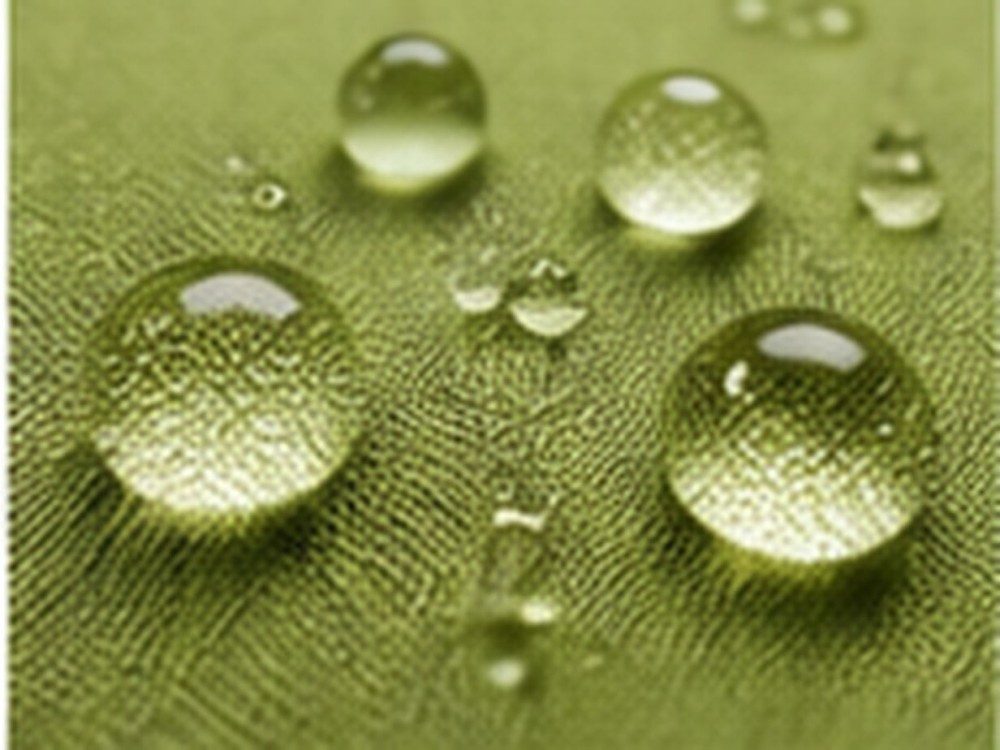 Hydrophilic silicone polyether finishes can be used when softness and controlled wetting must be considered together.
Where These Textile Auxiliaries Fit
- Apparel and fashion fabrics - softer hand, improved drape, smoothness and premium tactile effects.
- Sportswear and functional textiles - softness with controlled moisture behavior and surface friction.
- Denim, cotton and cellulose fabrics - hand modification after dyeing, washing and finishing.
- Home textiles and upholstery - smoothness, durability and surface feel for repeated contact.
- Printed and coated fabrics - hand-feel tuning with attention to tack, rub resistance and appearance.
- Industrial and technical textiles - finishing routes where wear, abrasion and surface protection matter alongside process compatibility.
 Auxiliary selection should fit the actual yarn, fabric and finishing process rather than a generic recipe.
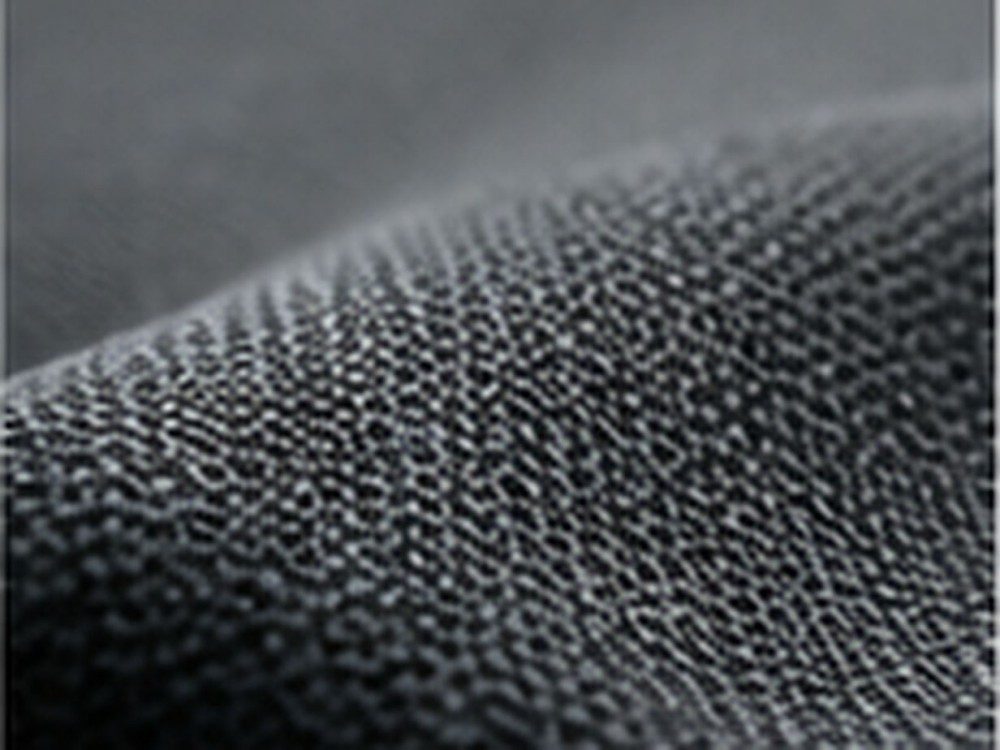 Dense technical fabrics often need surface durability without sacrificing the required tactile profile.
A standard softener is not always enough when hand feel, moisture behavior and durability must be optimized at the same time. Eata Silicon can evaluate customized textile-auxiliary requirements around silicone functionality, solids content, viscosity, ionic character, dispersibility, pH, tactile profile and other application-specific specifications.
For a focused discussion, share the fabric construction, current finishing recipe, benchmark product if available, target sensory profile and the test method used to judge abrasion or rub performance. This makes it easier to compare a standard grade with a project-defined option and to avoid over-optimizing one property at the expense of another.
Build the finish around the fabric - not the other way around.
Discuss your silicone textile auxiliary requirements with Eata Silicon for standard-grade matching or customized formulation support.
For Research or Industrial Raw Materials, Not For Personal Medical Use!