A surface is experienced long before its chemistry is considered. A coating that feels smoother, resists scuffing and keeps its visual quality under repeated handling can make a finished product more valuable in use. Eata Silicon supplies surface-feel and abrasion-resistance additive directions for formulators who need to tune slip, tactile response, scratch resistance, anti-blocking behavior and wear performance without treating every system as the same.
Surface-control chemistry is most effective when it is matched to the binder, cure route and failure mode. High-molecular-weight silicone dispersions are commonly selected when low coefficient of friction and abrasion resistance are central goals, while functional or crosslinkable silicones are useful when the surface effect needs to persist more strongly after cure. Hydroxyl- or methacrylate-functional silicone intermediates can also be built into polyurethane or acrylic architectures to make the tactile and wear profile part of the resin design rather than only a post-added effect.
Performance Targets You Can Tune
Slip & Low Surface Friction
Reduce drag and improve smoothness where the cured film is touched, stacked, rubbed or processed.
Soft, Silky or Dry-Touch Feel
Shape tactile response for PU, coated fabrics, plastics and specialty finishes without relying on a single universal sensory profile.
Abrasion, Mar & Scratch Resistance
Support surfaces that must better tolerate repeated contact, rubbing and handling while maintaining appearance.
Anti-Blocking & Release Behavior
Lower the tendency of coated surfaces to stick together and improve release where the formulation and cure chemistry allow it.
 Figure 1. Fine matte polymer texture illustrating a controlled soft-touch finish.
Why Silicone Chemistry Is Effective at the Surface
Silicones are widely used in surface-control formulations because their low surface energy and flexible siloxane backbone can change how a cured film slides, feels and interacts with another surface. The practical effect depends strongly on molecular weight, functional groups, compatibility and whether the silicone remains mobile, is dispersed as a high-molecular-weight phase, or becomes chemically anchored into the binder.
- High-molecular-weight silicone dispersions can provide strong slip with abrasion, scratch and anti-blocking benefits in waterborne coatings and inks when the grade is compatible with the resin package.
- Hydroxyl-functional silicone polyethers combine surface activity with functional-group chemistry, giving formulators a route to slip, feel, wear resistance and leveling in systems such as high-viscosity inks and polyurethane synthetic leather.
- Crosslinkable organo-modified PDMS can produce a more persistent tactile effect because the additive can participate in the cured network rather than depending only on surface migration.
- Reactive silicone prepolymers and siloxane oligomers allow the surface-performance concept to move upstream into resin synthesis, which can improve durability of feel, wear resistance and anti-blocking behavior in selected polyurethane or acrylic systems.
 Figure 2. Uniform pearlescent coating showing a smooth, low-friction visual finish.
Representative Raw-Material Options
| Product Direction |
Chemistry / Typical Data |
Performance Focus |
Application Fit |
| High-Solids Waterborne Hand-Feel & Abrasion Dispersion |
Modified silicone-oil dispersion; milky paste; 78.0 ± 3.0% solids; nonionic. |
Smooth hand, high abrasion resistance, good compatibility and dilution stability. |
Waterborne coatings, printing inks, leather surface treatment and textile coatings. |
| Ultra-High-Molecular-Weight Silicone Slip Dispersion |
Silanol-functional silicone dispersion in water; commercial benchmark 65–75% non-volatile and 3,000–5,000 cP. |
Very low coefficient of friction, slip, abrasion resistance, scratch resistance and anti-blocking. |
Waterborne acrylic, PUD, alkyd, polyester, epoxy, PU and vinyl coating systems; inks and OPV. |
| Hydroxyl-Functional Polyether-Modified Silicone Slip Additive |
Hydroxyl-functional organosilicone polyether copolymer; documented 100% effective-content profile. |
Slip, abrasion resistance, tactile feel and leveling. |
High-viscosity inks and PU synthetic leather. |
| Crosslinkable Organo-Modified PDMS Soft-Feel Additive |
Bifunctional, crosslinkable organo-modified PDMS; ≥90% solids; 1,000–5,000 cP at 25°C. |
Persistent smooth/velvety feel, anti-blocking, release and gloss support. |
Waterborne PU coating paste, PU leather, waterborne/solventborne baking systems. |
| Reactive Hydroxyl Silicone Prepolymer for PU Modification |
Dual-hydroxyl-functional silicone prepolymer designed to react with isocyanate chemistry. |
Special surface feel, wear resistance, reduced blocking, antifouling and anti-graffiti effects. |
Silicone-modified PU resin, polyurethane emulsion, SiTPU and flexible protective coatings. |
| Methacrylate Siloxane Oligomer for Silicone-Acrylic Modification |
Single-ended methacrylate siloxane oligomer for copolymerization with acrylate monomers. |
Water resistance, higher slip, wear resistance, stain and anti-graffiti performance. |
Silicone-modified acrylic resins and emulsions for functional coatings and surface layers. |
 Figure 3. Engineered microtexture illustrating how surface geometry and coating design can work together in wear-focused applications.
Application Areas
Surface-feel and abrasion-resistance additives are useful wherever repeated handling, contact or sliding can turn a visually attractive surface into a worn one. Common formulation routes include:
- Waterborne and solventborne industrial coatings: for metal, plastic, wood and composite parts where smoothness, mar resistance and anti-blocking are important.
- Printing inks and overprint varnishes: to reduce drag, improve rub resistance and maintain a clean surface appearance in high-contact print applications.
- PU synthetic leather and coated fabrics: for softer hand, slip, release and wear resistance in flexible surface layers.
- UV and radiation-curable coatings: using compatible silicone or reactive silicone structures when slip, release or easy-clean behavior is required after cure.
- Energy and advanced industrial materials: including protective coatings on non-contact metal housings, polymer films, composite components and roll-to-roll layers where surface uniformity and handling durability matter.
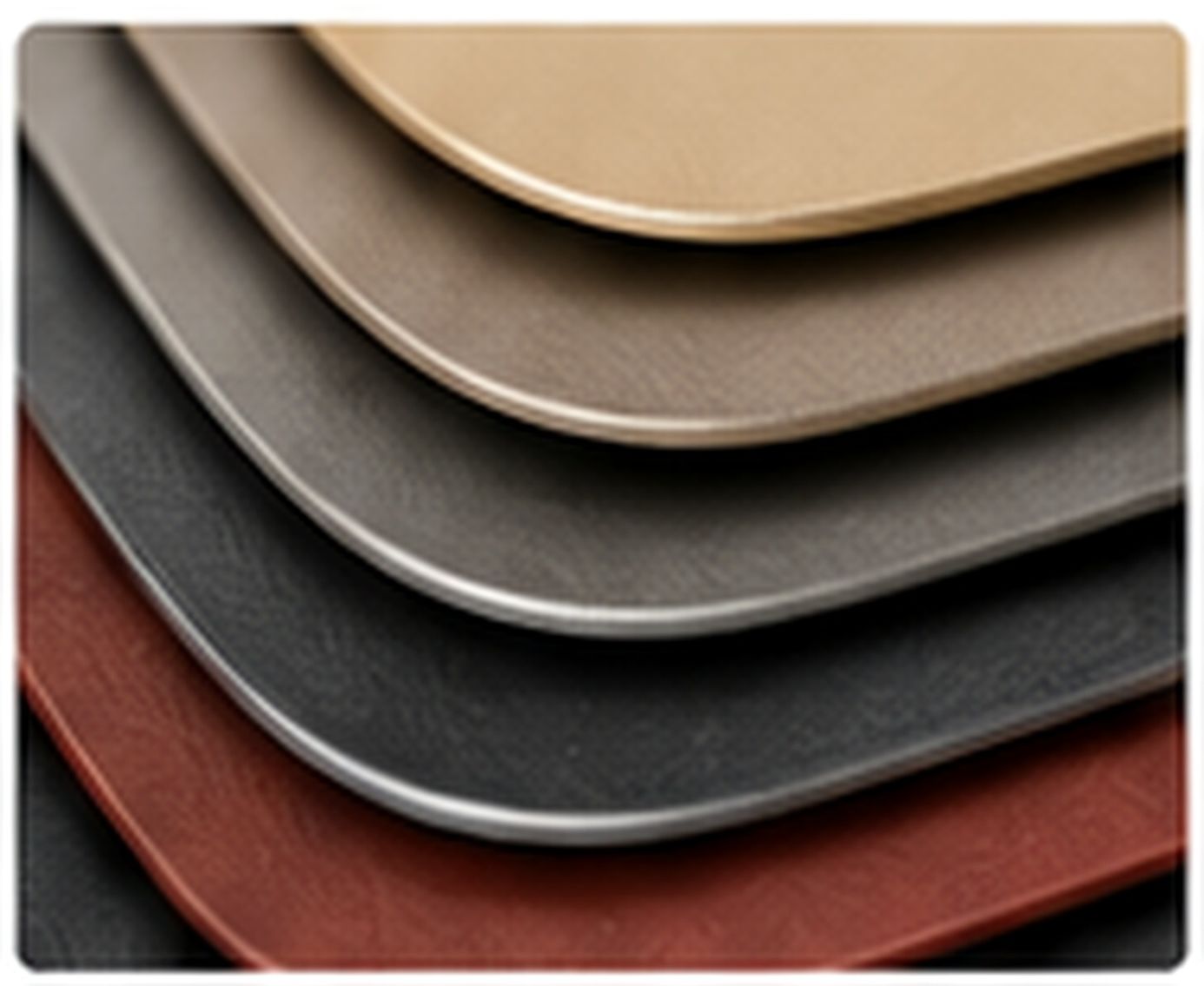 Figure 4. Layered synthetic-leather samples representing different tactile surface-design directions.
How to Choose the Right Additive
| Selection Variable |
What to Define in the Inquiry |
| Binder and system |
Acrylic, epoxy, polyester, PU or another resin; waterborne, solventborne, high-solids, solventless or UV-curable. |
| Surface target |
Silky slip, dry touch, soft/velvety feel, low coefficient of friction, anti-blocking, release, easy-clean or a combination of effects. |
| Durability target |
Rub, abrasion, mar, scratch or repeated contact; define the test method and acceptance criteria before screening. |
| Substrate and process |
Metal, polymer film, plastic, composite, coated fabric or leather-like surface; consider bake temperature, lamination, printing and recoating. |
| Appearance limits |
Gloss, haze, DOI, color depth and blackness can shift when surface-active additives are overdosed or poorly compatible. |
| Qualification tests |
Coefficient of friction, rub/abrasion, scratch, anti-blocking, adhesion, intercoat adhesion, recoatability, gloss and visual surface uniformity. |
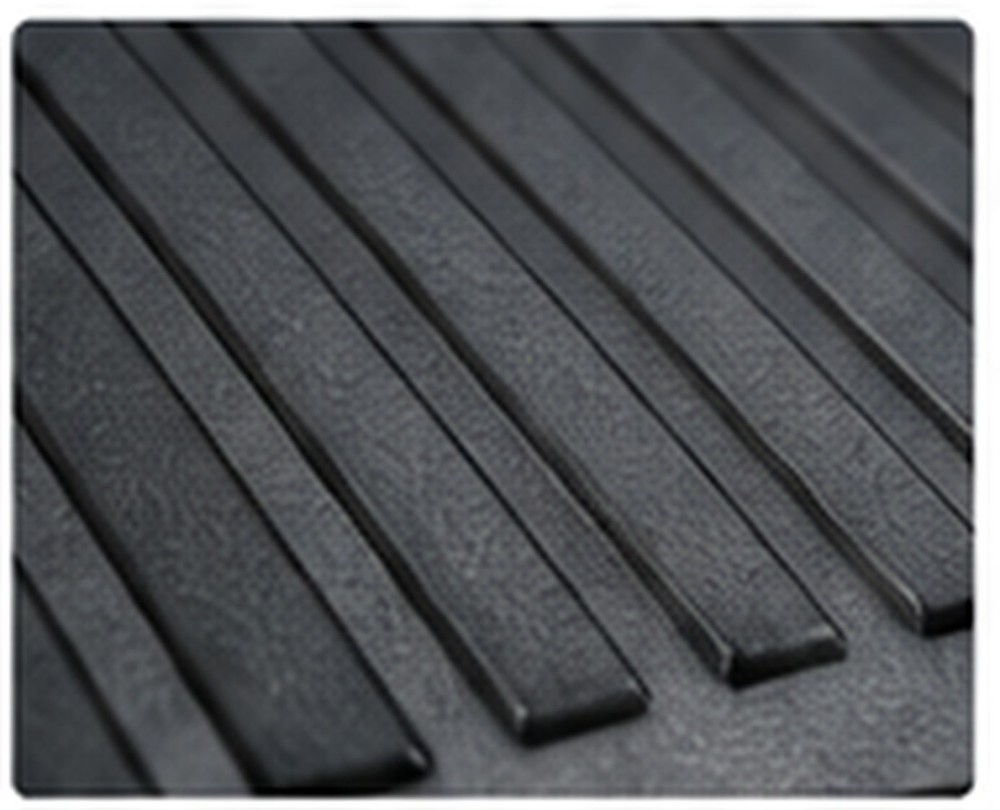 Figure 5. Ribbed technical surface illustrating wear-focused coating and film engineering.
Formulation Strategy: Balance Slip with Compatibility
The highest-slip additive is not automatically the best choice. Too much surface activity can introduce craters, loss of intercoat adhesion, changes in gloss, printing problems or recoatability issues. A useful screening program normally compares more than one molecular architecture and evaluates the additive after the full cure cycle, not only immediately after application.
- For waterborne systems, check dispersion stability, dilution behavior and compatibility with the binder, pigment package and rheology modifiers.
- For PU and synthetic-leather systems, decide whether a migratory hand-feel effect is acceptable or whether a reactive/crosslinkable route is preferred for persistence.
- For UV or high-temperature systems, confirm the functional groups and thermal or radiation-cure compatibility rather than assuming every silicone additive will behave the same way.
- For dark or high-gloss finishes, include gloss, haze and color-depth checks because a surface additive can influence optical appearance as well as friction.
Frequently Asked Questions
What is the difference between a slip additive and an abrasion-resistance additive?
A slip additive is selected primarily to reduce surface friction, while an abrasion-resistance additive is evaluated against wear or rubbing. In silicone technology the functions often overlap: some high-molecular-weight dispersions deliver both lower friction and stronger abrasion, scratch or anti-blocking performance.
Can the same additive improve surface feel and wear resistance?
Yes. Commercially documented silicone dispersions and functional silicone additives show that smooth hand, slip and wear resistance can be combined. The balance depends on molecular design, dosage, resin compatibility and cure conditions.
When should a reactive silicone be considered?
A reactive or crosslinkable silicone is worth evaluating when the surface effect must remain more persistent after cure, when repeated cleaning or rubbing is expected, or when silicone functionality is being built into a PU or acrylic resin architecture.
Can these additives be used in waterborne formulations?
Yes. Waterborne silicone dispersions are widely used in coatings, inks, overprint varnishes, leather surface treatments and textile coatings. Compatibility and dilution stability should still be verified in the complete formulation.
How should the addition level be chosen?
Use the supplier recommendation only as a starting range. Screen several levels and compare coefficient of friction, abrasion, scratch, blocking, gloss, adhesion and recoatability so the surface benefit does not create a new formulation problem.
Different binders and end-use surfaces need different silicone structures. Eata Silicon can support customized product development around viscosity, solids content, carrier system, functional-group design, dispersion form, compatibility window and target tactile profile. Share your resin type, substrate, cure route, surface problem and test criteria, and we can help narrow the chemistry direction for laboratory or industrial formulation work.
For Research or Industrial Raw Materials, Not For Personal Medical Use!