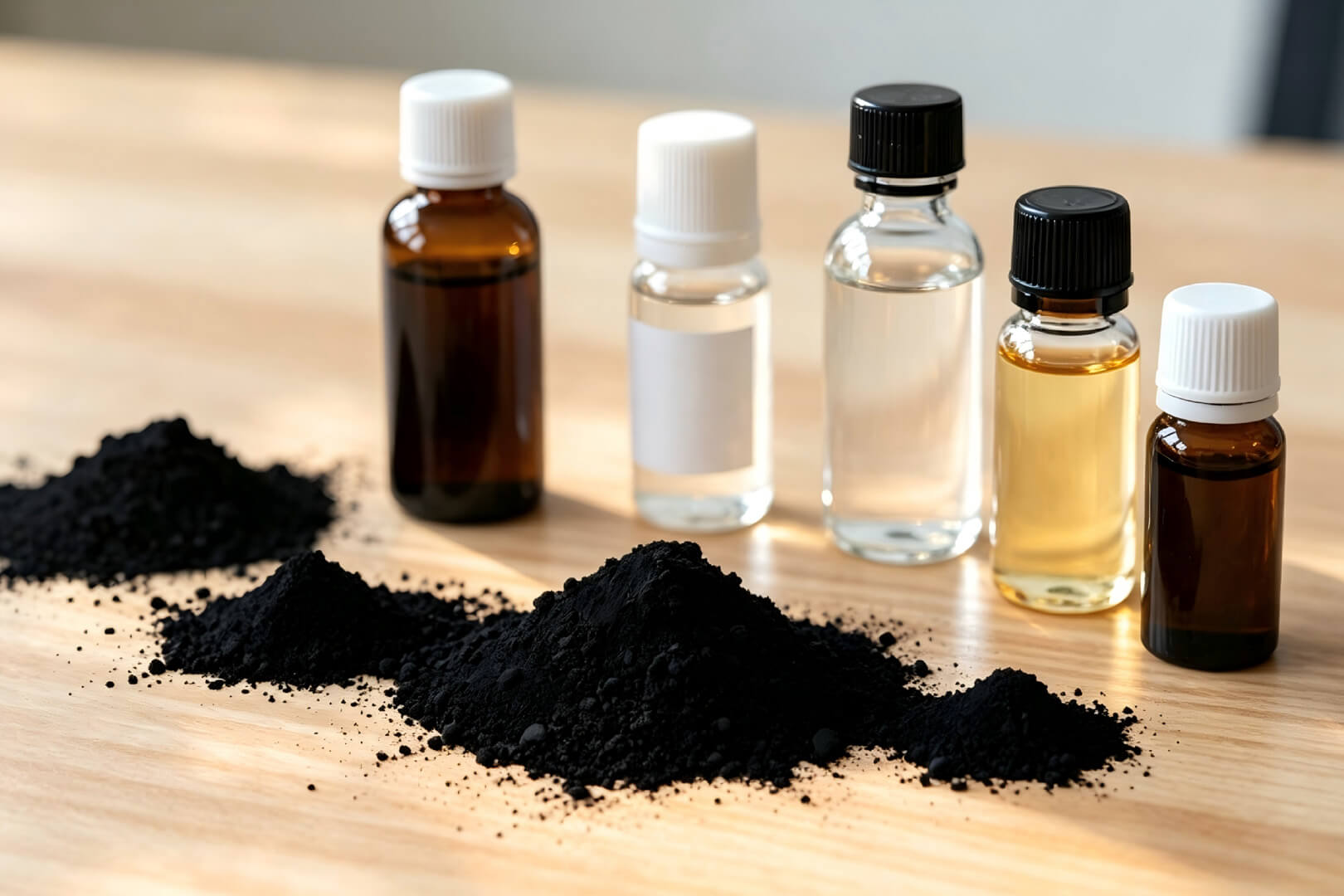
Heterocyclic silane monomers combine a hydrolysable silicon-containing group with an organic ring that contains a heteroatom. In Eata Silicon’s portfolio, epoxy-functional organosilanes are especially relevant: the epoxide, or oxirane, ring supplies an oxygen-containing heterocycle, while the alkoxysilyl end provides a route to inorganic surfaces and siloxane-type interfaces. That dual architecture makes these monomers useful starting points for formulation work where organic resins, mineral surfaces, glass, ceramics or oxide-rich fillers must interact more effectively.
Rather than treating every epoxy silane as interchangeable, Eata Silicon offers distinct methoxy, ethoxy, trialkoxy and methyl-substituted variants so formulators can compare chemistry and processing fit. Selection is normally driven by resin functionality, substrate surface chemistry, water and pH conditions, cure method, assay target and the desired balance between surface anchoring and organic compatibility.
 Figure 1. Heterocycle-bearing organosilanes combine an organic reactive ring with a hydrolysable silicon-centered group.
What Makes a Silane "Heterocyclic"?
A heterocycle is a ring that contains at least one atom other than carbon. Depending on the molecule, that heteroatom may be oxygen, nitrogen, sulfur or another element. For the representative products on this page, the defining ring is an epoxide (oxirane): a compact, oxygen-containing three-membered ring that gives the organic end of the silane a useful second reaction pathway. The silane end, meanwhile, contains hydrolysable alkoxy groups that can form silanols in the presence of moisture and subsequently condense with hydroxylated inorganic surfaces or with other silanols. This two-sided molecular design is why epoxy-functional silanes are widely evaluated as coupling agents, surface modifiers and reactive additives.
Practical formulation advantages
- Interface coupling: hydrolysable silane functionality can help create chemically integrated interfaces on glass, silica, metal oxides and many ceramic or mineral surfaces.
- Organic reactivity: epoxy or glycidoxy functionality provides a second reactive domain for compatible resin and curing chemistries.
- Filler treatment: surface treatment can improve the compatibility of inorganic fillers with organic matrices and can support more uniform dispersion in properly designed systems.
- Design flexibility: methoxy, ethoxy, trialkoxy and methyl-substituted silane structures give formulators different options for hydrolysis, condensation and network formation.
- Application breadth: these monomers can be screened for adhesives, sealants, coatings, primers, filled resins, composites and other interface-sensitive material systems.
 Figure 2. Surface-reactive silanes can create a functional interphase between hydroxylated inorganic substrates and organic polymers.
Representative Products
| Product Name |
CAS No. |
Listed Assay |
Functional |
| 2-(3,4-Epoxycyclohexyl)ethyltriethoxysilane |
10217-34-2 |
≥98% |
Cycloaliphatic epoxide / triethoxy; cycloaliphatic epoxy silane; epoxycyclohexyl triethoxy silane |
| 2-(3,4-Epoxycyclohexyl)ethyltrimethoxysilane |
3388-04-3 |
≥98% |
Cycloaliphatic epoxide / trimethoxy; cycloaliphatic epoxy silane; epoxycyclohexyl trimethoxy silane |
| 3-Glycidoxypropylmethyldimethoxysilane |
65799-47-5 |
≥97% |
Glycidyl ether epoxide / methyldimethoxy; glycidoxy silane; epoxy silane coupling monomer |
| 3-Glycidoxypropyltriethoxysilane |
2602-34-8 |
≥98% |
Glycidyl ether epoxide / triethoxy; glycidoxypropyl triethoxy silane; epoxy functional silane |
| 3-Glycidoxypropylmethyldiethoxysilane |
2897-60-1 |
98% |
Glycidyl ether epoxide / methyldiethoxy; glycidoxy silane; methyldiethoxy epoxy silane |
| 3-Glycidoxypropyltrimethoxysilane |
2530-83-8 |
98% |
Glycidyl ether epoxide / trimethoxy; GPTMS; glycidoxypropyl trimethoxy silane; epoxy silane |
Where These Monomers Add Value
The strongest use case for a heterocycle-bearing silane is usually not "adding silicon" by itself; it is engineering an interface that otherwise limits performance. Epoxy-functional silanes are repeatedly described by major silane suppliers as adhesion promoters, primers, filler-treatment agents and coupling components for organic–inorganic systems.
Adhesives, sealants and structural bonding
In epoxy, polyurethane and other compatible systems, glycidoxy or cycloaliphatic-epoxy silanes can be evaluated as primers or formulation additives when bonding to glass, metals, mineral-filled parts or oxide-rich surfaces. The objective is a more chemically integrated interphase rather than relying only on physical wetting.
Coatings, primers and protective layers
Functional silanes can be used to tune substrate interaction in resin-based coatings and primers. Supplier literature for epoxy-functional silanes highlights adhesion to glass and metals, while surface-treatment chemistry can also be useful in mineral-rich coatings, filled primers and protective composite layers.
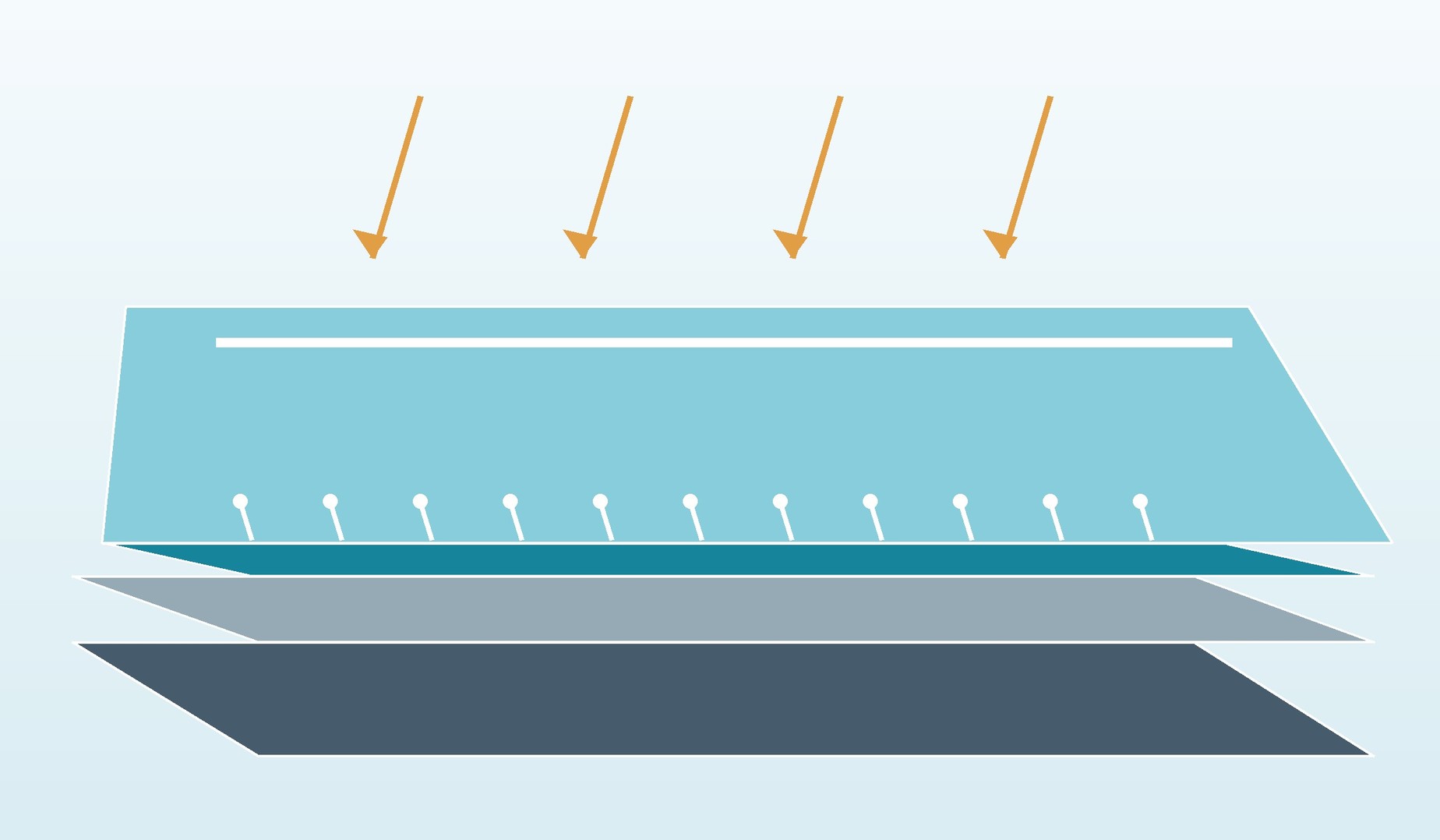 Figure 3. In coatings, a deliberately designed interlayer can improve how a resin system interacts with the underlying substrate.
Glass fiber, silica and mineral-filled composites
Glass-fiber sizing and mineral-filler treatment are established applications for organofunctional silanes. When the silane is matched to the polymer and cure chemistry, the treated inorganic surface can become more compatible with the organic phase, supporting filler dispersion and interfacial bonding. This is relevant to filled epoxies, reinforced thermosets, engineered composites and other systems where the filler–resin boundary controls consistency.
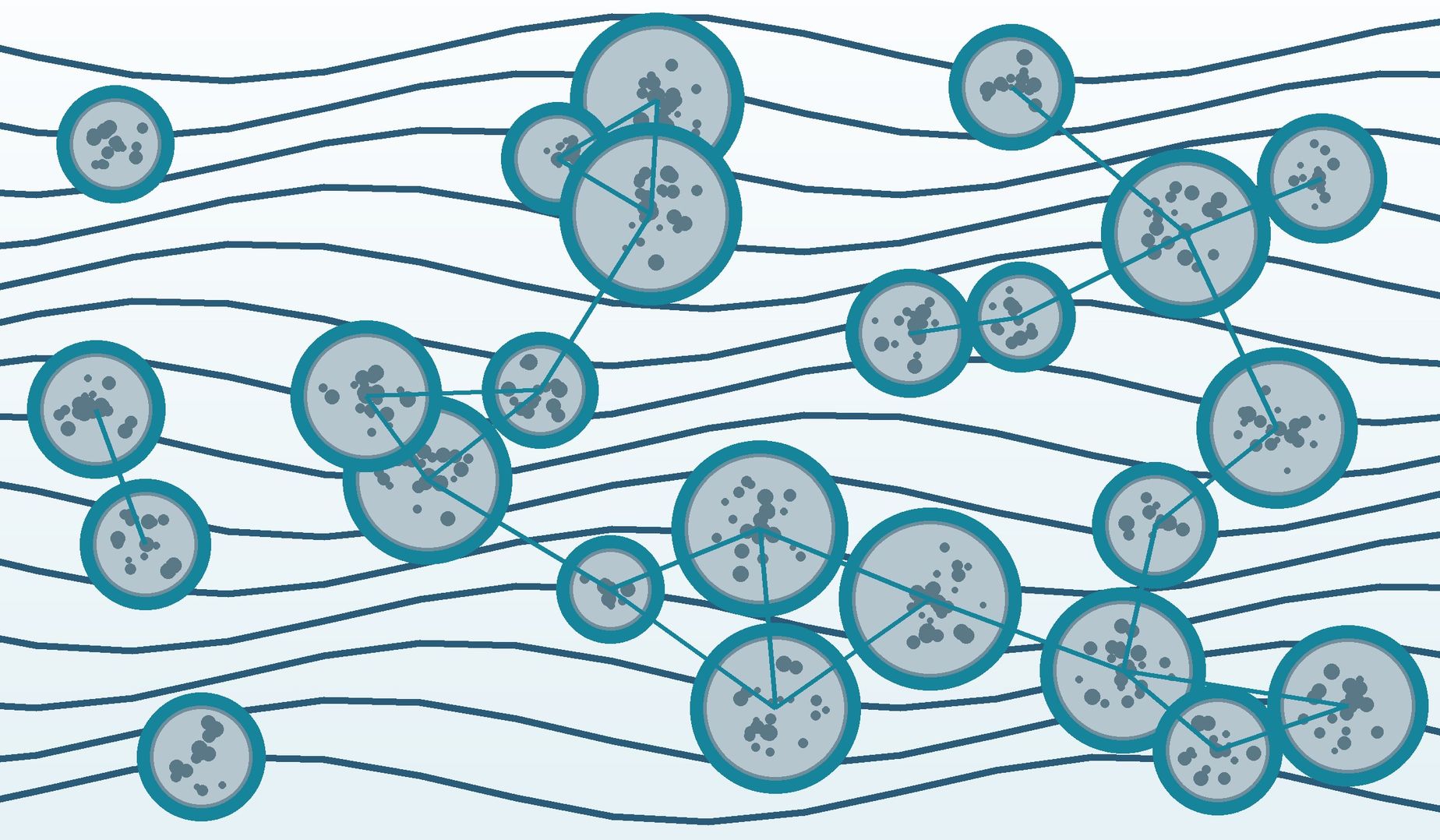 Figure 4. Treating filler surfaces can improve compatibility at the particle–polymer boundary in filled and reinforced systems.
Energy and electronic material assemblies
Energy and electronic systems often combine glass, ceramics, metals, mineral fillers and polymeric encapsulants in the same assembly. Where an epoxy-based binder, coating, potting compound or composite is part of the design, epoxy-functional silanes can be screened as interfacial modifiers. Examples of development directions include power-electronics encapsulation, protective coatings on energy equipment, glass/polymer bonding in photovoltaic-related assemblies and filled polymer components that require reliable adhesion across dissimilar materials.
 Figure 5. Energy assemblies bring glass, polymers and cell layers into close contact, making interface design an important formulation variable.
Porous and high-area functional materials
Silane chemistry is also useful when a porous mineral, oxide or other high-area substrate needs a controlled organic surface. The most suitable molecule depends on surface hydroxyl density, solvent system, moisture level and the downstream chemistry that will interact with the heterocyclic functional group.
How to Select a Heterocyclic Silane Monomer
The best monomer is the one that fits the complete formulation, not simply the one with the highest assay or the most familiar CAS number. Use the following factors to narrow your shortlist before bench testing.
| Selection Factor |
Why It Matters |
| Heterocycle type |
Glycidoxy and cycloaliphatic epoxy groups are both epoxide-bearing structures, but their organic architecture can respond differently to resin chemistry and cure conditions. |
| Methoxy vs. ethoxy silane end |
The alkoxy group influences hydrolysis behavior, alcohol by-products and processing window. Match it to water content, solvent, pH and application method. |
| Tri- vs. di-alkoxy / methyl-substituted structure |
The number of hydrolysable alkoxy groups changes the potential connectivity of the siloxane network and can affect compatibility and film formation. |
| Resin functionality |
Check whether the organic matrix contains amine, hydroxyl, epoxy or other groups that can participate in the intended cure or interfacial reaction. |
| Substrate chemistry |
Glass, silica, metal oxides, ceramics and different mineral fillers vary in hydroxyl density, contamination level and surface energy; pretreatment may matter. |
| Water, pH and catalyst |
Hydrolysis and condensation depend strongly on formulation conditions. A product that performs well in one solvent or pH window may behave differently in another. |
| Purity and impurity priorities |
Define the assay, water level, ionic or metallic impurity concerns and analytical documentation needed for the application rather than specifying purity in isolation. |
Information That Helps Us Recommend the Right Option
For a faster technical discussion, include as much of the following as you can in your inquiry:
- Target resin or polymer system and curing chemistry.
- Substrate or filler: glass, silica, ceramic, metal oxide, mineral powder, fiber or another surface.
- Preferred heterocycle or known CAS number, if already selected.
- Methoxy/ethoxy preference, target assay and any critical impurity limits.
- Solvent, water level, pH, catalyst and approximate processing temperature if these are already defined.
- The property you are trying to improve—adhesion, filler compatibility, dispersion, surface functionality, crosslinking response or another interface requirement.
A standard monomer is not always the best match for a new materials platform. Eata Silicon can discuss custom heterocyclic silane development around the functional ring, alkoxy configuration, spacer architecture, assay target, impurity profile and application-specific specification. If your project starts from a desired substrate–resin combination rather than a known product name, share the chemistry and performance objective with us. We can review suitable standard epoxy-functional silanes or discuss a tailored organosilane structure for your program.
Discuss Your Heterocyclic Silane Requirement with Eata Silicon
Send us your target resin, substrate, preferred functional group or CAS number, and key specification needs. We can help narrow a standard material or evaluate a custom route.
| Catalog Number |
Product Name |
Order |
Quantity |
|
ORM-OM-0030 |
2,2,4,4,6,6-Hexamethyl-1,3,5,2,4,6-triazatrisilinane
|
Inquiry
|
|
|
ORM-OM-0031 |
Octamethylcyclotetrasilazane
|
Inquiry
|
|
|
ORM-OM-0032 |
2,4,6,8-Tetramethyl-2,4,6,8-tetravinylcyclotetrasiloxane
|
Inquiry
|
|
|
ORM-OM-0033 |
Octavinyloctasilasesquioxane
|
Inquiry
|
|
|
ORM-OM-0034 |
2,4,6-Trimethyl-2,4,6-trivinyl-1,3,5,2,4,6-trioxatrisilinane
|
Inquiry
|
|
|
ORM-OM-0035 |
2,5-Bis((trimethylsilyl)ethynyl)thiophene
|
Inquiry
|
|
|
ORM-OM-0036 |
2,4,6-Tris((trimethylsilyl)ethynyl)-1,3,5-triazine
|
Inquiry
|
|
|
ORM-OM-0037 |
1-[(Triisopropylsilyl)ethynyl]-1,2-benziodoxol-3(1H)-one
|
Inquiry
|
|
|
ORM-OM-0038 |
Trimethyl(thiophen-3-ylethynyl)silane
|
Inquiry
|
|
|
ORM-OM-0039 |
Trimethyl(thiophen-2-ylethynyl)silane
|
Inquiry
|
|
For Research or Industrial Raw Materials, Not For Personal Medical Use!