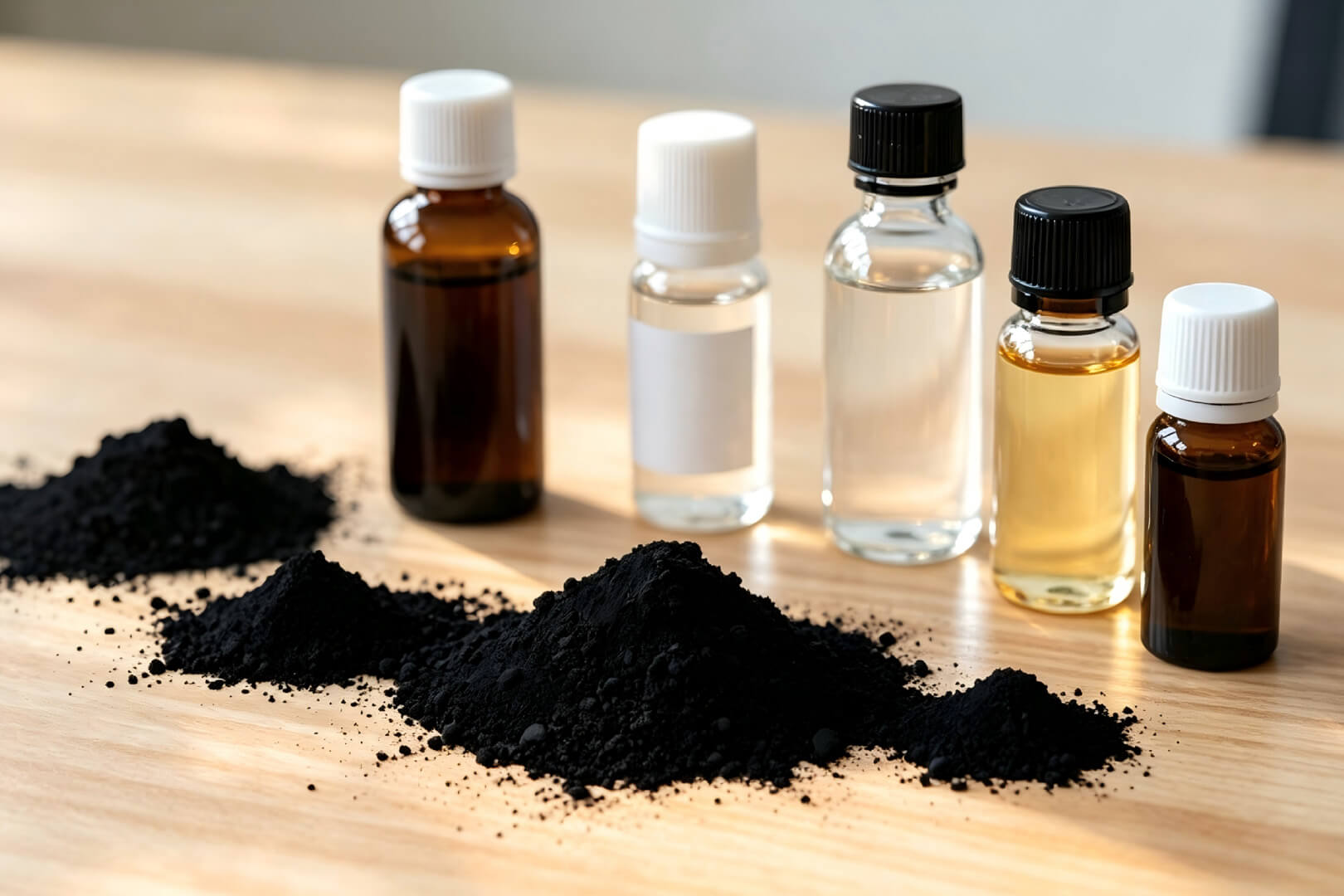
Eata Silicon supplies general-purpose silicone resin raw materials for formulators and manufacturers that need a combination of film formation, reinforcement, adhesion support, thermal and weathering stability, electrical protection, or optical clarity. Our current product range includes materials for thermally conductive adhesive systems, integrated-circuit protection, LED and OLED applications, vinyl-functional silicone formulations, and methyl MQ resin platforms.
What Buyers Usually Need to Define
- Resin chemistry and form: MQ powder, liquid vinyl resin, optical resin, coating resin or adhesive binder.
- Target viscosity, solids or volatile limits, and compatibility with silicone fluids, elastomers, fillers or organic components.
- Cure route or functional group requirements when the resin participates in an addition-cure or crosslinking system.
- Electrical, optical, thermal, adhesion or coating-performance targets relevant to the end use.
Where These Resins Fit
- Thermally conductive adhesive and heat-transfer formulations.
- Protective coatings for integrated circuits, 5G hardware and automotive electronics.
- High-power LED, OLED and other optical encapsulation or protection systems.
- Silicone rubber reinforcement, adhesion promotion, release, anti-blocking and surface-treatment formulations.
Silicone Resin Options in the Eata Silicon Product Range
| Product / Search Phrase |
Verified Form or Specification |
Application Direction |
Keywords |
| Thermally Conductive Adhesive Silicone Resin |
Silicone resin for thermally conductive adhesive formulation systems; numerical resin data not published on the referenced product page. |
Binder or resin phase for thermal adhesive formulations. Final thermal performance depends on the full filler and formulation package. |
thermal adhesive silicone resin; thermally conductive silicone binder; heat-transfer adhesive resin |
| Silicone Conformal Coating for Integrated Circuit Protection |
Silicone conformal coating product; detailed numerical data not published on the referenced category page. |
Integrated-circuit and electronics protection, including 5G communication equipment and automotive electronics. |
silicone conformal coating; circuit protection coating; 5G electronics silicone coating |
| Optical Silicone Resin for LED and OLED Applications |
Optical silicone resin product; detailed numerical data not published on the referenced category page. |
High-power LED and OLED display-panel applications. |
optical silicone resin; LED encapsulation resin; OLED silicone resin; high-transparency silicone resin |
| Liquid Vinyl Silicone Resin Family, 0.46-1.96% Vinyl |
Eleven liquid profiles; 4,800-100,000 mPa.s viscosity; 0.46-1.96 wt% vinyl; <=1% volatile for the listed profiles. |
Reinforcement, adhesion promotion, surface treatment and modification of silicone formulations. |
liquid vinyl silicone resin; reactive silicone resin; vinyl-functional reinforcing resin |
| Powdered Methyl MQ Silicone Resin, Specific Gravity 1.15-1.25 |
White powder; 100% trimethylsiloxysilicate resin; specific gravity 1.15-1.25; closed-cup flash point above 100 C. |
Film formation, reinforcement, adhesion promotion, surface protection, release and silicone-rubber modification. |
methyl MQ silicone resin; trimethylsiloxysilicate powder; silicone reinforcing resin |
| Methyl MQ Silicone Resin Powder, M/Q Ratio 0.8-1.0:1 |
White powder; molecular-weight range 4,000-8,000 g/mol; M/Q ratio 0.8-1.0:1. |
General MQ-resin raw material for silicone formulation, reinforcement and film-forming work. |
MQ resin powder; M/Q 0.8-1.0 silicone resin; 4000-8000 molecular weight MQ resin |
How the Main Resin Families Differ
Methyl MQ Silicone Resin: Film-Forming and Reinforcing Network Resin
MQ silicone resins are built from monofunctional M units and tetrafunctional Q units. In methyl MQ grades, the M unit is trimethylsiloxy and the Q unit is silicate. The resulting highly branched resin architecture is widely used when a formulation needs film formation, reinforcement, adhesion support, surface protection, release control or a harder silicone-rich network. The M/Q balance matters because it changes the proportion of end-blocking units to network-forming silicate units and therefore influences resin behavior and compatibility.
Two Eata Silicon MQ entries illustrate why the acceptance specification should be tied to the exact grade: one published profile is a 100% trimethylsiloxysilicate white powder with specific gravity 1.15-1.25 and a closed-cup flash point above 100 C; another white powder profile is described with an M/Q ratio of 0.8-1.0:1 and a molecular-weight range of 4,000-8,000 g/mol. These are useful search and RFQ anchors, but they should not be merged into a single assumed specification unless the selected grade confirms both sets of data.
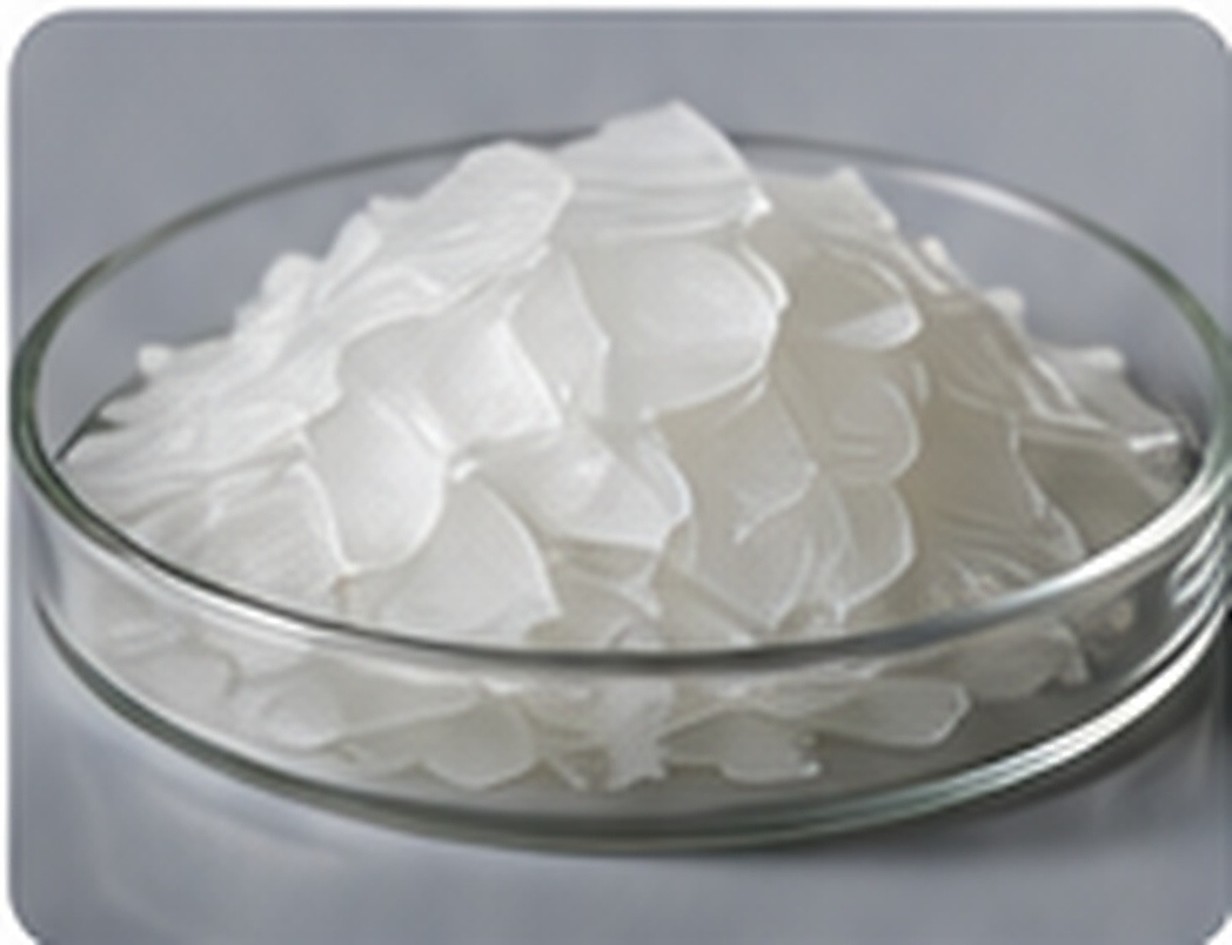 Fig. 1. Solid silicone resin shown as a dry raw-material form; actual Eata Silicon MQ grades listed on this page are supplied as white powder.
Liquid Vinyl Silicone Resin: Reactive Reinforcement and Formulation Control
Vinyl-functional silicone resins are particularly useful when the resin is intended to participate in or support addition-cure silicone systems. The listed Eata Silicon liquid vinyl silicone resin family spans eleven profiles with viscosities from 4,800 to 100,000 mPa.s, vinyl contents from 0.46% to 1.96% by weight, and no more than 1% volatile content for the listed profiles. That breadth allows formulators to tune resin loading, flow, reactive-group concentration and reinforcement without treating every vinyl resin as interchangeable.
Published application guidance for related vinyl silicone resins includes surface treatment of silicone pressure-sensitive adhesive and epoxy-bonding surfaces, reinforcement of RTV/HTV and addition-cure silicone rubber, semiconductor potting, adhesion promotion in sealants and coatings, and use in release, anti-blocking, gloss and abrasion-resistant formulations. The practical selection question is therefore not simply "vinyl resin or no vinyl resin," but what vinyl level, viscosity and compatibility window best fits the complete cure system.
 Fig. 2. Viscous liquid resin form illustrating the handling profile of liquid vinyl silicone resin grades.
Optical Silicone Resins for LED and OLED Material Systems
Optical silicone materials are selected around a different set of priorities: light transmission, refractive-index matching, color stability under heat and light, cure behavior, adhesion to the package, and long-term environmental durability. The Eata Silicon product list includes an optical silicone resin intended for high-power LED and OLED display-panel applications. A related published phenyl-vinyl silicone resin family from the same source demonstrates why phenyl-containing silicone chemistry is often considered in optical systems: the listed grades combine high refractive index with transparent liquid form and are described for light transmission, anti-yellowing and temperature resistance.
For an optical RFQ, it is better to state the device structure and optical target than to request "high refractive resin" without context. Include the target refractive index, wavelength range if relevant, desired hardness or flexibility after cure, substrate, encapsulation geometry, thermal exposure and any requirement for low light decay or color shift. This helps distinguish a resin for LED encapsulation from a general protective resin that happens to be transparent.
 Fig. 3. Transparent cured resin specimen illustrating the clarity targeted in optical silicone resin systems.
Silicone Conformal Coatings for Electronics Protection
Silicone conformal coatings are used to protect electronic assemblies from environmental exposure while maintaining electrical functionality. The Eata Silicon list identifies a silicone conformal coating for integrated-circuit protection, with application direction covering 5G communication equipment, automotive electronics and related electronic protection systems. Broader industry literature from Dow describes silicone resin and coating technologies as improving resistance to temperature, moisture, corrosion, electrical discharge, weathering and UV exposure in protective coating systems.
The correct coating still depends on the assembly. Key project data include coating thickness, cure method, board geometry, component shadowing, adhesion to solder mask and metals, rework requirements, dielectric targets, operating temperature, humidity or condensation exposure, and compatibility with any potting, gasketing or shielding material used nearby. A conformal coating should be qualified as part of the electronics stack, not as an isolated resin property.
 Fig. 4. Transparent protective coating applied to a smooth substrate, representing silicone conformal and surface-protection use.
Silicone Resin in Thermally Conductive Adhesive Formulations
The current Eata Silicon list also includes a resin intended for thermally conductive adhesive formulations. In a thermal adhesive, the resin phase provides the polymeric matrix and helps control adhesion, flow, cure response and long-term integrity, while thermal conductivity is strongly influenced by the type, loading, particle-size distribution and interface quality of the thermally conductive filler package. For that reason, it would be misleading to assign a conductivity value to the resin alone unless the tested formulation and method are specified.
For power electronics, energy chips, high-heat modules or other thermal-management projects, an effective RFQ should state the target bond-line thickness, substrate pair, operating and peak temperatures, required thermal conductivity of the finished adhesive, electrical insulation requirement, cure process, desired viscosity or dispensing method, and mechanical targets such as adhesion or flexibility. Eata Silicon can then discuss a suitable resin direction or customized formulation target based on technical feasibility.
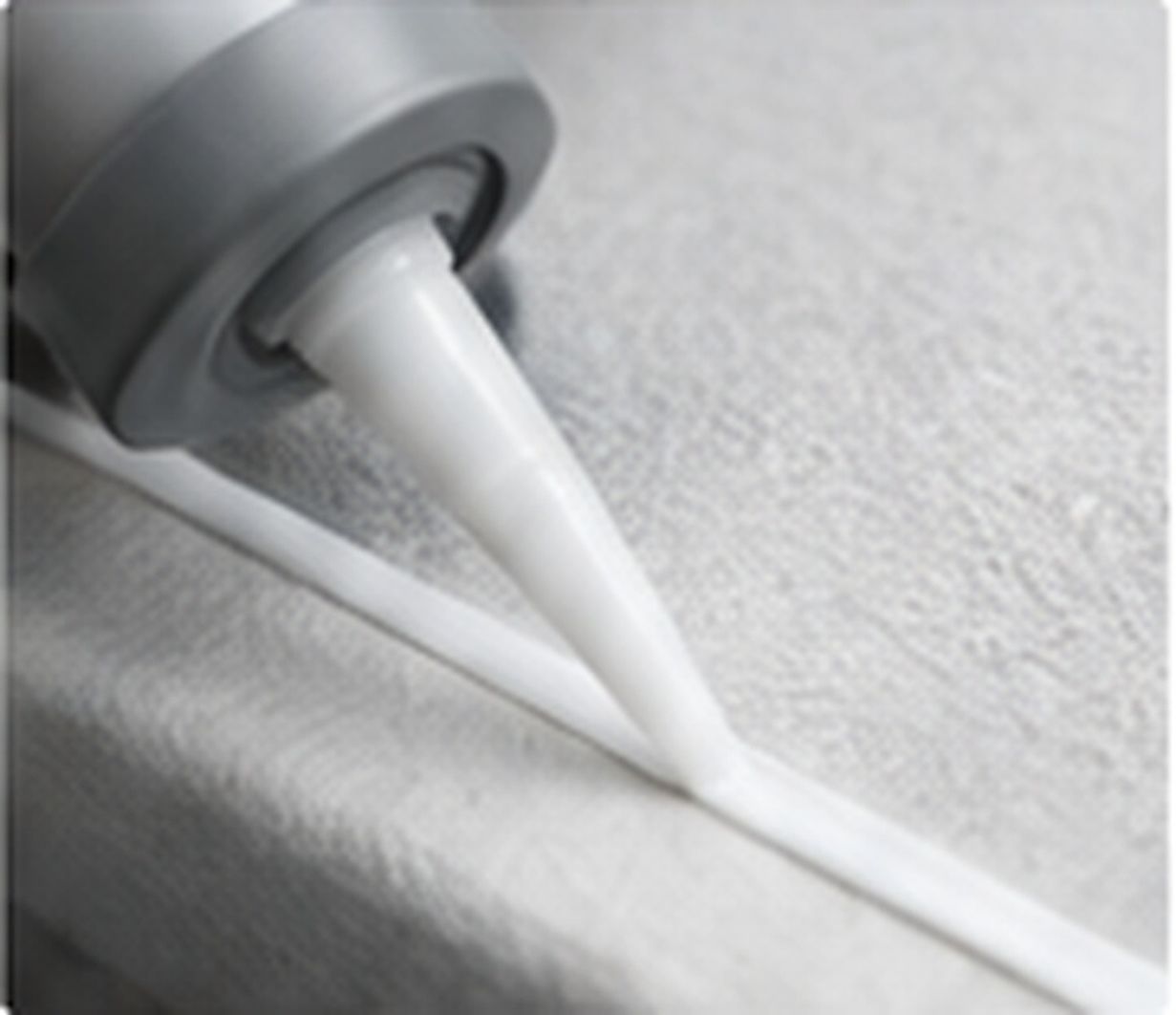 Fig. 5. Silicone-based adhesive bead on a textured substrate, illustrating resin use in bonding and sealing formulations.
Why General-Purpose Silicone Resins Are Valuable in Industrial and Energy Materials
Performance Roles
- Film formation and surface protection in coatings and release systems.
- Reinforcement and hardness control in silicone elastomers and encapsulants.
- Adhesion promotion and compatibility control at inorganic/organic interfaces.
- Thermal and weathering stability where conventional organic binders may be limited.
- Optical and electrical protection in appropriately designed electronic material systems.
Formulation Advantages
- Available as solid MQ resins and liquid functional resins for different processing routes.
- Functional-group and viscosity ranges support controlled reactivity and rheology.
- Silicone-rich chemistry can be combined with fillers, silicone fluids, elastomers or selected organic components.
- Project-specific resin selection can target optical, adhesion, dielectric, coating or mechanical requirements.
- Raw-material specifications can be aligned to analytical and process controls rather than a generic grade name.
Share your target application, resin form, cure chemistry, viscosity or functional-group range, compatibility requirements and finished-system performance targets. Eata Silicon can discuss standard and customized silicone resin options for industrial and research material programs, including application-driven specification and analytical requirements. Contact us to review your formulation and request a quotation.
For Research or Industrial Raw Materials, Not For Personal Medical Use!