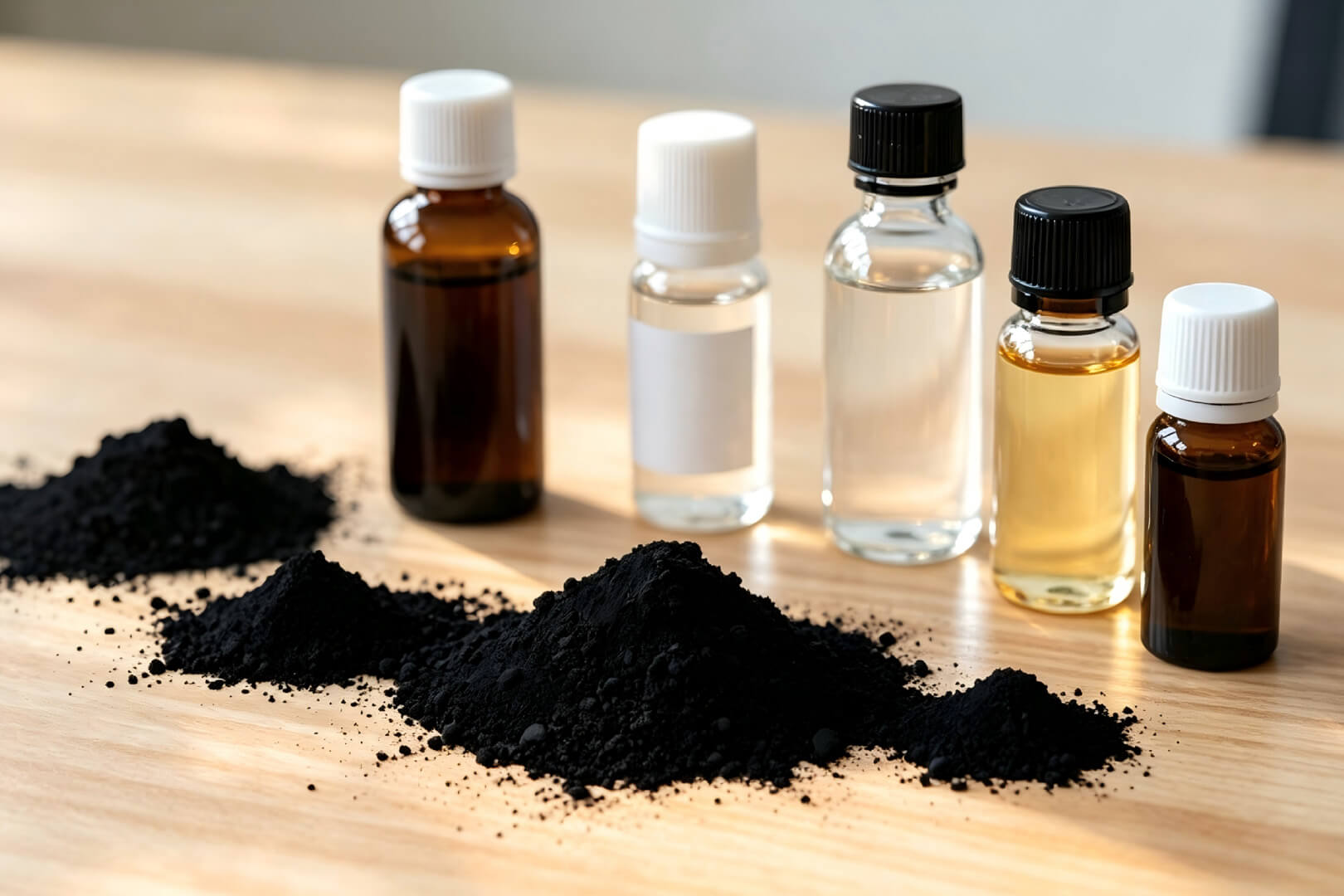
Silicone waxes occupy a useful space between conventional silicone fluids and organic waxes. By combining a siloxane backbone with alkyl, aryl, polyether, resin or related organic functionality, formulators can tune physical form, surface affinity, compatibility, lubricity, release behavior and the way the additive is introduced into a process.
Eata Silicon supports manufacturers and R&D teams that need silicone wax raw materials or silicone wax emulsions for mould release, coatings, polymer processing, textile and thread lubrication, surface protection and other industrial formulation work. The best choice depends on the substrate, carrier, process temperature and finished-surface requirement—not simply on the label "silicone wax."
Why Silicone Waxes Behave Differently from Standard Silicone Fluids
A standard PDMS fluid is primarily selected by viscosity and the familiar low-surface-energy behavior of the siloxane chain. A silicone wax adds another design variable: organomodification can make the material waxy or semi-solid, change its affinity for organic phases, increase substantivity on a surface, or create a product that can be dispersed or solubilized in water.
Long-chain alkyl modification is one established route to wax-like silicone materials. Public supplier portfolios show C12 alkyl-aryl release silicones, C32 alkyl-modified waxes used to improve durability, gloss and water repellence, and higher-melting alkyl silicone waxes selected where softness, lubricity or water/solvent repellence is needed. Polyether modification takes the chemistry in a different direction by adding water compatibility and emulsification capability.
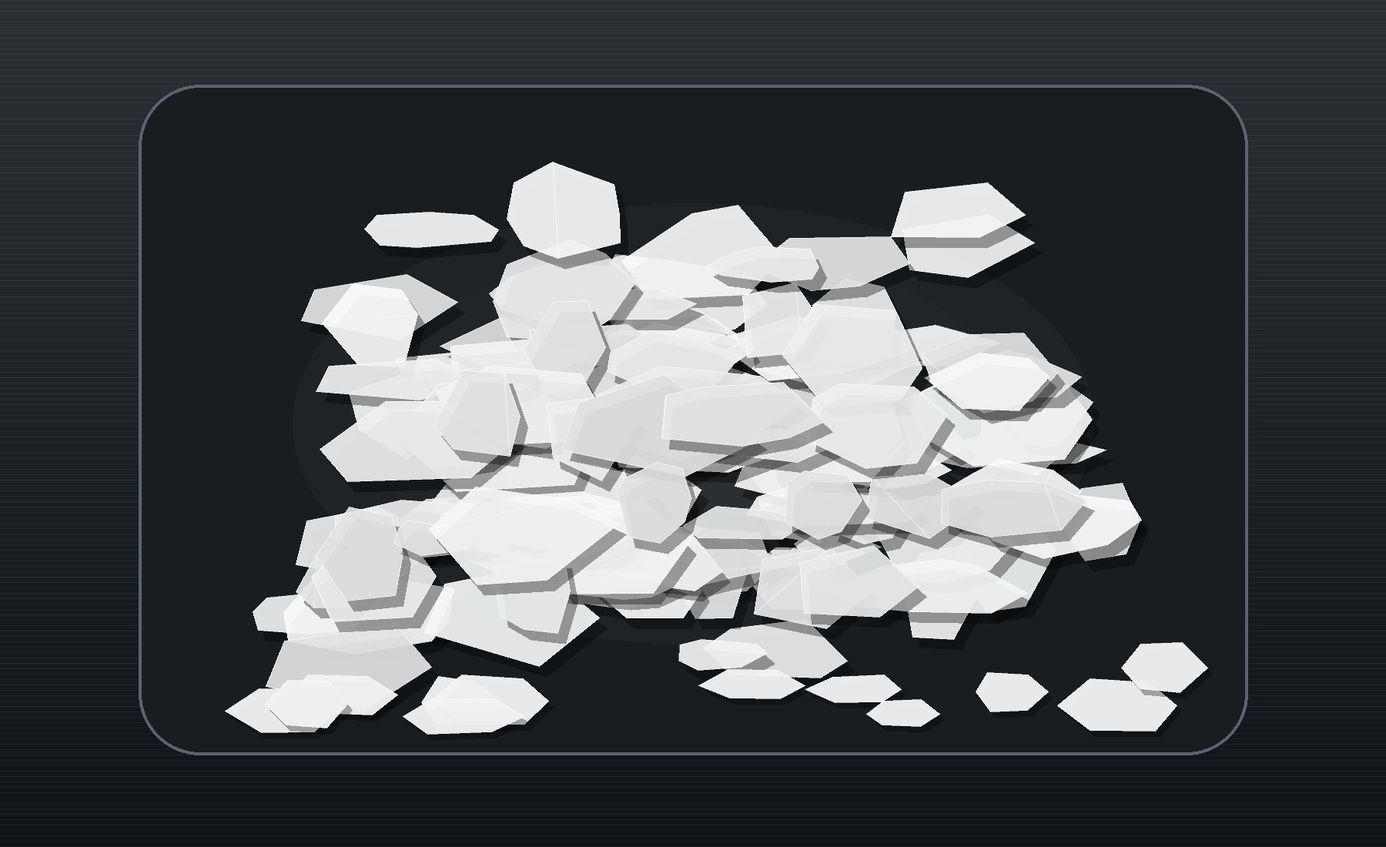 Fig. 1. Alkyl-modified silicone wax flakes illustrated as a solid raw-material form for formulation and melting studies.
Typical Performance Targets
- Cleaner release and lower friction at the tool or substrate interface.
- Wax-like surface persistence with tunable gloss, slip or water-repellent character.
- Waterborne dilution and application when a neat wax is impractical.
- Compatibility with the resin, polymer, oil, wax or coating system used in the real process.
Core Raw-Material Families
| Raw-Material Family |
Typical Chemistry / Format |
Formulation Role |
keywords |
| Alkyl-modified silicone wax |
Alkyl groups on a polysiloxane backbone; liquid, soft-solid or waxy grades depending on structure |
Lubricity, slip, surface affinity, compatibility with organic phases, polish and protective-film effects |
alkyl silicone wax; alkyl modified polysiloxane; industrial silicone wax |
| Alkyl-aryl silicone release wax |
Organomodified siloxane designed for release while retaining downstream paintability in selected systems |
Mould release for plastics, rubber and die-cast metal; release where later coating is important |
paintable silicone release agent; alkyl aryl silicone wax; mold release silicone |
| High-melting long-chain alkyl silicone wax |
Longer alkyl substitution used to create stronger wax character |
Higher-temperature wax structure, softening/lubricity, textile finishing and water-repellent surface work |
high melting silicone wax; C26 silicone wax; C32 silicone wax |
| Silicone wax emulsion / alkyl silicone emulsion |
Waxy organosilicone delivered as an aqueous emulsion or dispersion |
Waterborne release, dilution-friendly surface application and process lubrication |
silicone wax emulsion; water based silicone release emulsion; silicone wax dispersion |
| Silicone/organic wax dispersion |
Combined silicone and organic wax dispersed for controlled application |
Low-friction thread treatment and uniform lubricating film |
silicone organic wax dispersion; thread lubricant emulsion; low friction silicone wax |
| Silicone alkyl polyether wax |
Alkyl silicone co-modified with polyether for partial or full water compatibility |
Lubricity plus oil-in-water emulsification; bridge between waxy silicone and waterborne formulation |
water soluble silicone wax; silicone alkyl polyether; silicone wax emulsifier |
| Silicone polyether wax for powder coatings |
Low-melting silicone/polyether architecture |
Flow, leveling and wetting in powder-coating development |
silicone wax for powder coating; silicone flow additive; low melting silicone polyether wax |
Silicone Wax Emulsions: When Waterborne Delivery Matters
Turning a waxy silicone or silicone/wax blend into an aqueous dispersion changes how it can be handled. Instead of melting or dissolving the additive into an organic phase, a waterborne emulsion can be diluted, metered, sprayed, padded or otherwise introduced into an aqueous process. This is especially attractive when the objective is a thin, uniform lubricating, release or protective layer rather than bulk modification of the resin.
Emulsion design is not just a convenience issue. Droplet size, active content, emulsifier package, pH, viscosity, dilution stability and the substrate all influence how evenly the silicone-rich phase deposits. A supplier-published silicone/organic wax dispersion for polyester sewing thread, for example, is positioned around uniform surface distribution and low friction. In mould release, public alkyl-aryl silicone emulsions are offered specifically as waterborne release systems for plastics, rubber and die-cast metal.
 Fig. 2. Waterborne silicone wax emulsion shown as a uniform milky dispersion for dilution and surface application.
Industrial Application Areas
Mould Release for Metals, Rubber, Plastics and Composites
Release is one of the clearest uses for organomodified silicone wax chemistry. Alkyl-aryl silicones are commercially positioned for die-cast metal, plastics and rubber where the formulator wants strong release while preserving paintability. Waterborne versions make it possible to apply the release phase as an emulsion, which can simplify coverage of complex tool surfaces and reduce the need to introduce a neat wax directly into the process.
 Fig. 3. Mould-release concept showing a molded polymer part separating from a metal tool with a thin silicone-wax release layer.
Powder Coatings and Surface-Control Additives
Silicone wax chemistry also appears in coating additives. A public low-melting silicone/polyether wax is recommended as a flow, leveling and wetting additive for powder coatings, illustrating why a waxy silicone can be useful when the additive must become mobile during melt flow and then influence the developing surface. In liquid coatings, alkyl-modified silicones and related waxy additives can also be screened for slip, anti-blocking, gloss or surface protection, provided recoatability and intercoat adhesion are checked in the complete formulation.
Thread, Textile and Industrial Lubrication
Silicone/organic wax dispersions are used commercially for polyester sewing-thread lubrication because a uniform, low-friction film can be deposited over the thread surface. Alkyl silicone waxes are also represented in textile applications where softness, lubricity and water or solvent repellence are useful. For industrial textile and fiber processes, the most relevant specification is usually a balance of friction reduction, deposit uniformity, handle, wash durability and compatibility with the rest of the finish package.
Protective Waxes, Polishes and Surface Finishes
Long-chain alkyl silicone waxes are particularly relevant when a formulation needs more durable surface attachment than a low-viscosity silicone fluid alone. Supplier literature for C32 alkyl-modified silicone waxes highlights gloss, durability and water-repellent effects in waxes and polishes, while wax-like alkyl polysiloxanes are used in care and protective-finishing products where substantivity is important. The same design principle is useful in industrial maintenance and protective surface systems: match the wax architecture to the substrate and the desired persistence of the finish.
Energy-Related Polymer and Component Processing
For energy-material manufacturing, silicone waxes are best treated as formulation tools rather than universal additives. In cable compounds, molded insulating parts, composite tooling, seals and protective polymer components, a waxy silicone can be screened when the process needs slip, release, lower friction or controlled surface migration. Qualification should include electrical performance, adhesion, cure behavior, contamination sensitivity and any downstream printing or bonding step before the material is adopted.
 Fig. 4. Smooth polymer cable jacket represents lubricity and surface-control work in energy-related polymer processing.
Choosing Between a Neat Silicone Wax and a Wax Emulsion
| Formulation Need |
Good Starting Direction |
Why |
| Direct addition into a hot melt, organic phase or resin |
Neat or solid silicone wax |
Gives the formulator direct control over wax loading and is appropriate when the process already includes heat or a compatible organic phase. |
| Waterborne spray, dip, pad, roll or wipe application |
Silicone wax emulsion / dispersion |
Simplifies dilution and application when a thin surface film is the goal. |
| Paintable mould release |
Alkyl-aryl silicone or corresponding emulsion |
Commercial examples are designed around release plus downstream paintability; verify with the actual coating system. |
| Powder coating flow and leveling |
Low-melting silicone/polyether wax |
A waxy additive can become mobile during melt flow and influence wetting, leveling and surface behavior. |
| Thread or fiber friction reduction |
Silicone/organic wax dispersion |
Uniform surface deposition is often more important than bulk polymer modification. |
| Need both water compatibility and lubricity |
Silicone alkyl polyether wax |
Polyether modification can provide water solubility or dispersibility while retaining silicone/alkyl surface character. |
 Fig. 5. Release-coated film moving across rollers illustrates controlled slip and non-stick behavior in converting processes.
Frequently Asked Questions
Are silicone waxes the same as silicone fluids?
No. Both are based on siloxane chemistry, but silicone waxes are organomodified so that physical form, melting behavior, surface affinity or compatibility is shifted away from a conventional PDMS fluid. Depending on structure, a silicone wax may be liquid, soft solid, waxy solid or water-compatible.
What is the difference between a silicone wax emulsion and a silicone oil emulsion?
A silicone oil emulsion primarily disperses a liquid silicone fluid in water. A silicone wax emulsion or wax dispersion delivers a waxy organosilicone or silicone/organic wax phase. The distinction matters because the deposited film, melting behavior, lubricity and compatibility can be different.
When should I choose an emulsion instead of a neat wax?
Choose an emulsion when the process is waterborne, dilution is useful, or the additive needs to be applied as a thin surface treatment. A neat wax is usually the stronger starting point when the formulation already includes a compatible hot-melt, oil, solvent or resin phase.
Can silicone wax be used for paintable mould release?
Certain alkyl-aryl silicone systems are specifically positioned for paintable release of plastics, rubber and die-cast metal. Paintability is grade- and process-dependent, so the released part should be tested with the intended cleaning, primer and coating sequence.
Which technical data matter most for a wax emulsion?
At minimum, compare chemistry, active content, appearance, viscosity, pH, particle size or emulsion type where published, dilution stability and substrate compatibility. For a solid wax, melting/softening behavior and organic-phase compatibility become more important.
Can Eata Silicon support a customized silicone wax or emulsion?
Yes. Custom discussions can cover organomodification, wax form, melting or softening window, active content, carrier, viscosity, emulsion profile, compatibility, friction/release targets, surface durability, paintability and project-specific analytical limits.
A standard wax grade is only a starting point when release, friction, compatibility and surface durability all need to be balanced. Eata Silicon can review custom raw-material directions around alkyl or other organomodification, physical form, melting/softening behavior, water solubility or dispersibility, active content, emulsion stability, viscosity, carrier system and the surface-performance profile required by the process.
Share the formulation medium, substrate, processing temperature, target release or friction behavior and any benchmark material you are trying to match. We can help narrow the most relevant silicone wax family, compare a waterborne emulsion route with a neat wax, and discuss a tailored specification for industrial or research evaluation.
Discuss Your Silicone Wax Requirement with Eata Silicon
Send the target application, chemistry, form and performance window for product matching or custom-development review.
For Research or Industrial Raw Materials, Not For Personal Medical Use!