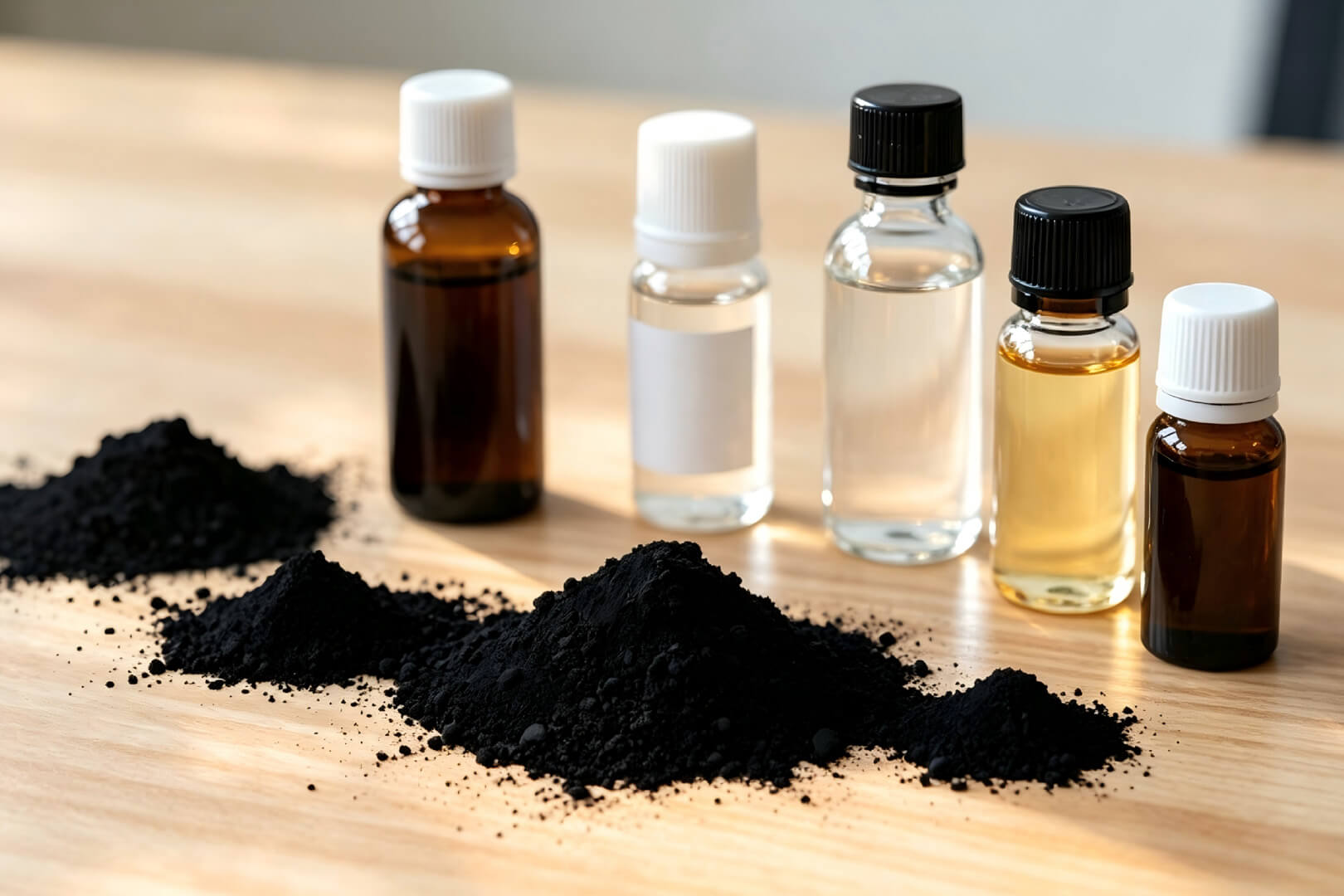
Few raw materials work as quietly, or as hard, as the silicon lump. Charged into a melting furnace, it gives aluminum castings their strength and fluidity. Fed into a chemical reactor, it becomes the starting point for silicone rubber, resins, and oils. Refined a step further, it feeds the polysilicon behind solar cells and semiconductors. Eata Silicon supplies silicon lumps across the full grade spectrum, so foundries, chemical producers, and research laboratories can each source exactly the composition their process demands.
Browse Our Products
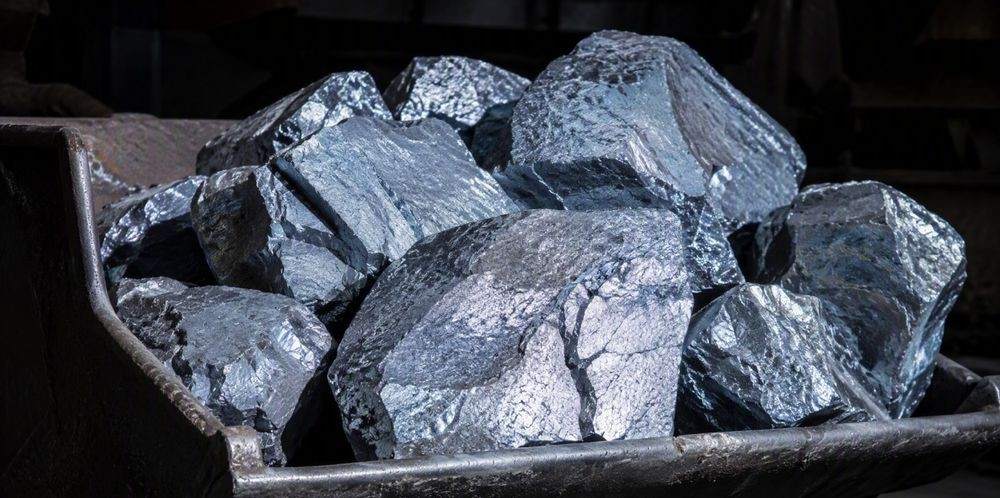 Silicon metal lumps fresh from crushing and grading.
What Are Silicon Lumps?
Silicon lumps — also traded as silicon metal lumps, metallic silicon, or industrial silicon — are the hard, silver-gray pieces produced when quartz is reduced with carbon in a submerged arc furnace, then tapped, cast, cooled, and crushed to size. The reaction (SiO₂ + 2C → Si + 2CO) yields a brittle metalloid with a bright metallic luster, a melting point near 1,414 °C, and a silicon content typically between 97% and 99.8% depending on grade (CAS 7440-21-3).
Among all physical forms of silicon metal, lumps are the most widely traded: they handle easily, charge cleanly into furnaces, and can always be milled down to granules or powder when a process calls for finer material.
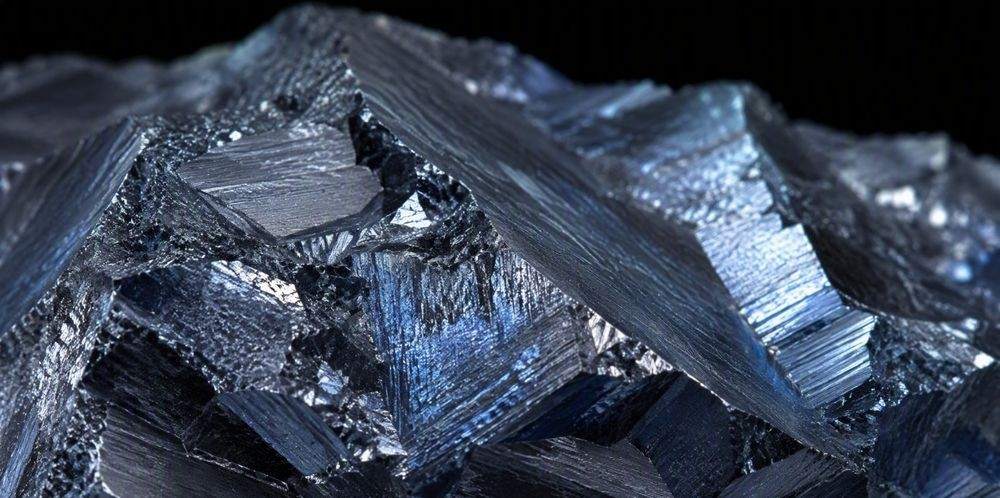 The crystalline fracture of metallurgical silicon, up close.
Standard Grades and Specifications
Grade numbers are really a chemistry shorthand. The digits describe the maximum iron, aluminum, and calcium allowed in the material: a 553 lump, for example, carries no more than 0.5% iron, 0.5% aluminum, and 0.3% calcium. The lower the numbers, the tighter the chemistry — and the more demanding the applications it can serve.
| Grade |
Si (min %) |
Fe (max %) |
Al (max %) |
Ca (max %) |
Commonly chosen for |
| 553 |
98.5 |
0.5 |
0.5 |
0.3 |
Aluminum casting alloys, steel deoxidation |
| 441 |
99.0 |
0.4 |
0.4 |
0.1 |
Al-Si alloys, silicone production |
| 3303 |
99.3 |
0.3 |
0.3 |
0.03 |
Silicone rubber, resins, specialty alloys |
| 2202 |
99.5 |
0.2 |
0.2 |
0.02 |
Chemical synthesis, polysilicon feedstock |
| 1101 |
99.8 |
0.1 |
0.1 |
0.01 |
Electronics research, high-spec alloys |
Off-grade material around 97% silicon remains an economical choice where ultra-tight chemistry is unnecessary, and intermediate grades such as 421, 411, and 521 can be sourced on request.
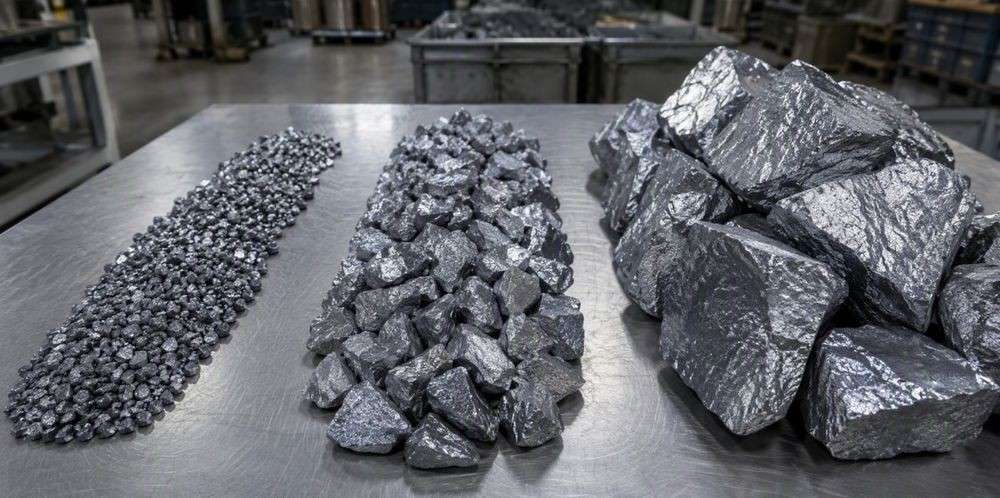 Size fractions from 10 mm to 100 mm, screened to order.
Where Silicon Lumps Go to Work
- Aluminum casting: the largest single use worldwide. Silicon lifts fluidity, strength, and wear resistance in Al-Si alloys such as ADC12 and A356, which show up in engine blocks, pistons, wheels, and structural housings.
- Silicones and silanes: chemical-grade lumps feed the direct process that converts silicon into methylchlorosilanes — the building blocks of silicone rubber, resins, fluids, and sealants.
- Polysilicon and solar: high-purity lumps are the feedstock for refining into solar- and electronic-grade silicon.
- Steel and foundry work: silicon acts as a deoxidizer and alloying addition in specialty steels and ferroalloy production.
- Refractories and research: selected grades support high-temperature materials development and laboratory-scale metallurgy.
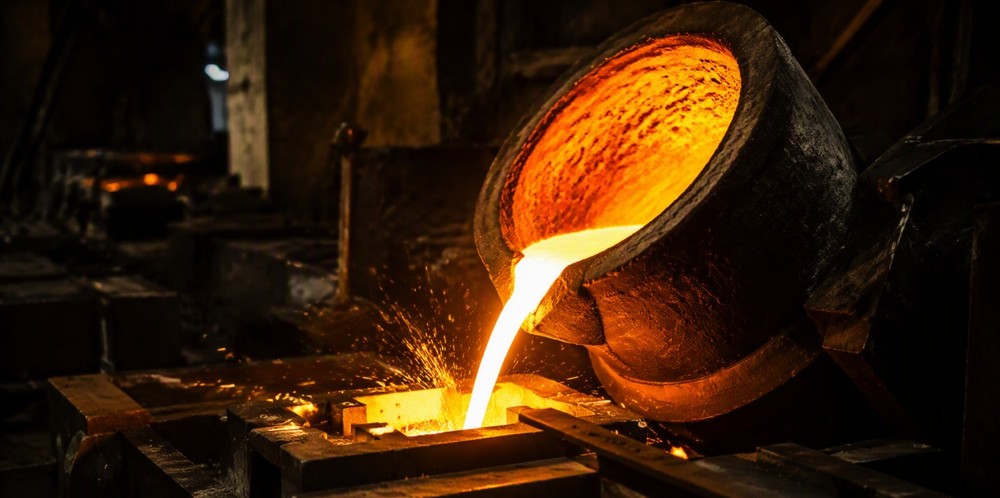 Aluminum-silicon alloying in the casting shop.
Representative Products at a Glance
These are the silicon lump products buyers ask for most often. Other grades, cuts, and chemistries can be arranged — just tell us what your process needs.
| Product |
Grade / Purity |
Typical Size |
Main Applications |
| Silicon Metal Lumps 553 |
≥98.5% Si |
10–100 mm |
Aluminum alloys, steel deoxidation |
| Silicon Metal Lumps 441 |
≥99.0% Si |
10–100 mm |
Al-Si casting alloys, silicone feedstock |
| Silicon Metal Lumps 3303 |
≥99.3% Si |
10–100 mm |
Silicone rubber, resins |
| Silicon Metal Lumps 2202 |
≥99.5% Si |
10–100 mm |
Chemical synthesis, polysilicon |
| High-Purity Silicon Lumps 1101 |
≥99.8% Si |
On request |
Electronics R&D, specialty alloys |
| Silicon Granules |
98.5–99.5% Si |
3–10 mm |
Fast-melting furnace additions |
| Off-Grade Silicon Lumps |
≥97% Si |
10–100 mm |
Cost-sensitive metallurgical uses |
Sizes, Packaging, and Quality Control
- Size fractions: 10–50 mm, 50–100 mm, and 10–100 mm cover most furnaces; finer 0–3 mm and 3–10 mm cuts dissolve faster where melt time matters.
- Packaging: 1,000 kg woven jumbo bags come as standard, while 25 kg bags, steel drums, and palletized small packages suit laboratories and trial orders.
- Quality: every lot ships with a certificate of analysis for Si, Fe, Al, and Ca, with additional trace elements reported on request; fixed-point sampling across the lot keeps the reported chemistry representative of the whole shipment.
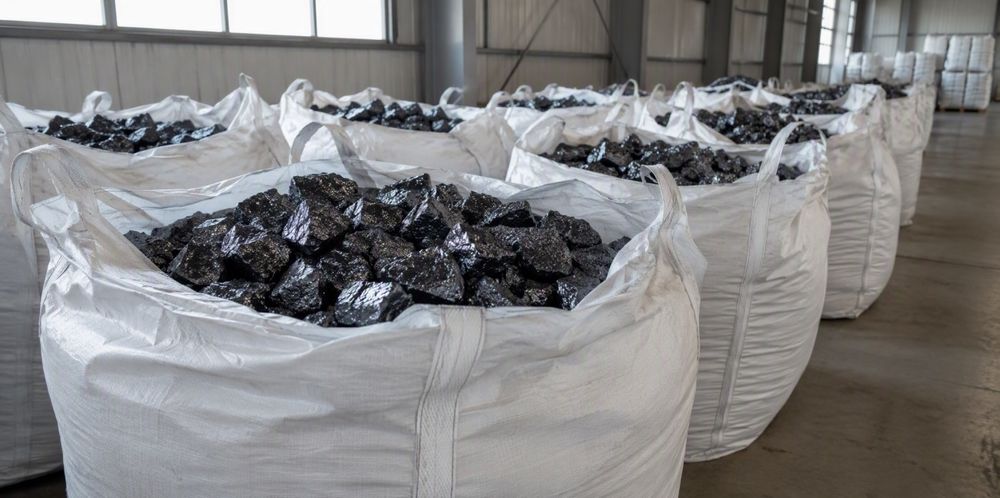 Bulk silicon lumps ready for export in woven jumbo bags.
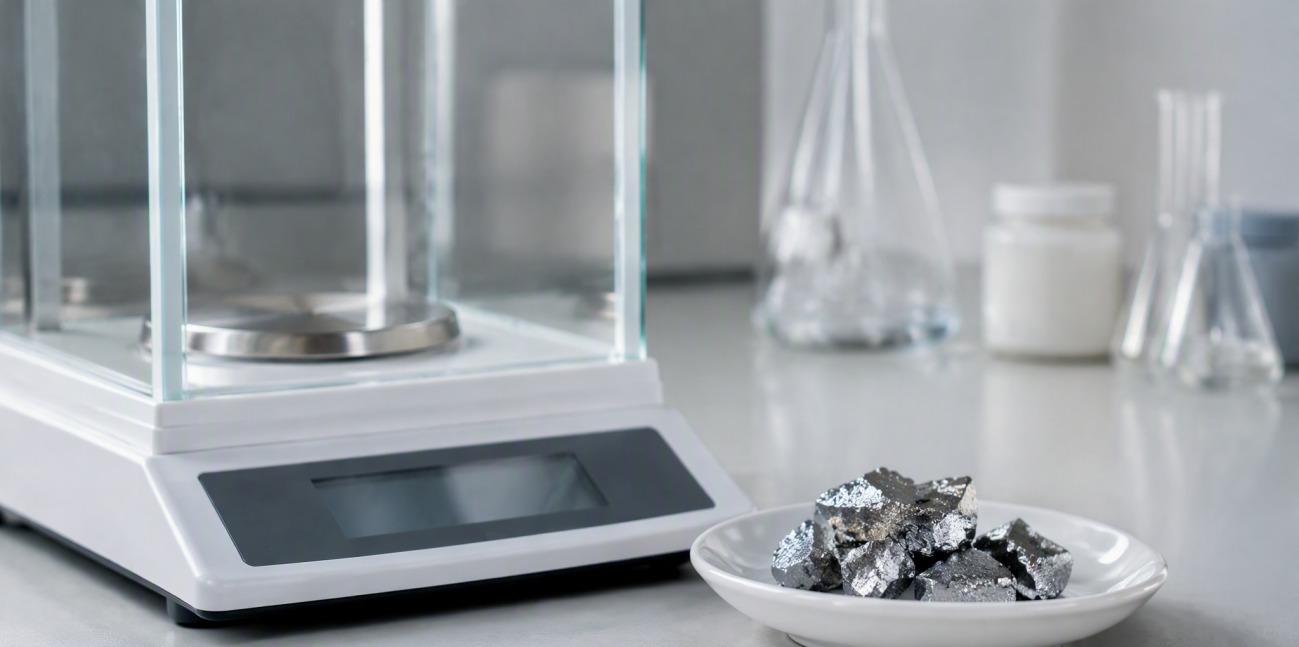 Small-lot silicon lumps prepared for research and analysis.
Choosing the Right Grade
- Running an aluminum die-casting line? Grades 553 and 441 usually strike the best balance between cost and casting performance.
- Producing silicones? Look at 3303 or 2202 — low calcium keeps the direct-process reaction efficient.
- Feeding a polysilicon or electronics process? Start with 2202 or 1101, and share your boron and phosphorus limits so we can screen suitable lots.
- Not sure where to begin? Send us your melt chemistry or target specification, and we will recommend a grade.
Custom Silicon Lump Services
Standard grades fit most furnaces — but not every process. Eata Silicon can blend to tighter impurity windows, screen non-standard size fractions, supply boron- and phosphorus-controlled lots, and package anything from a 25 kg trial bag to container-load jumbo bags. Research quantities are genuinely welcome; more than one of our long-term supply agreements began with a single kilogram on a lab bench.
Share your specification or application with us, and we will help you source — or tailor — the silicon lumps your process needs.
For Research or Industrial Raw Materials, Not For Personal Medical Use!