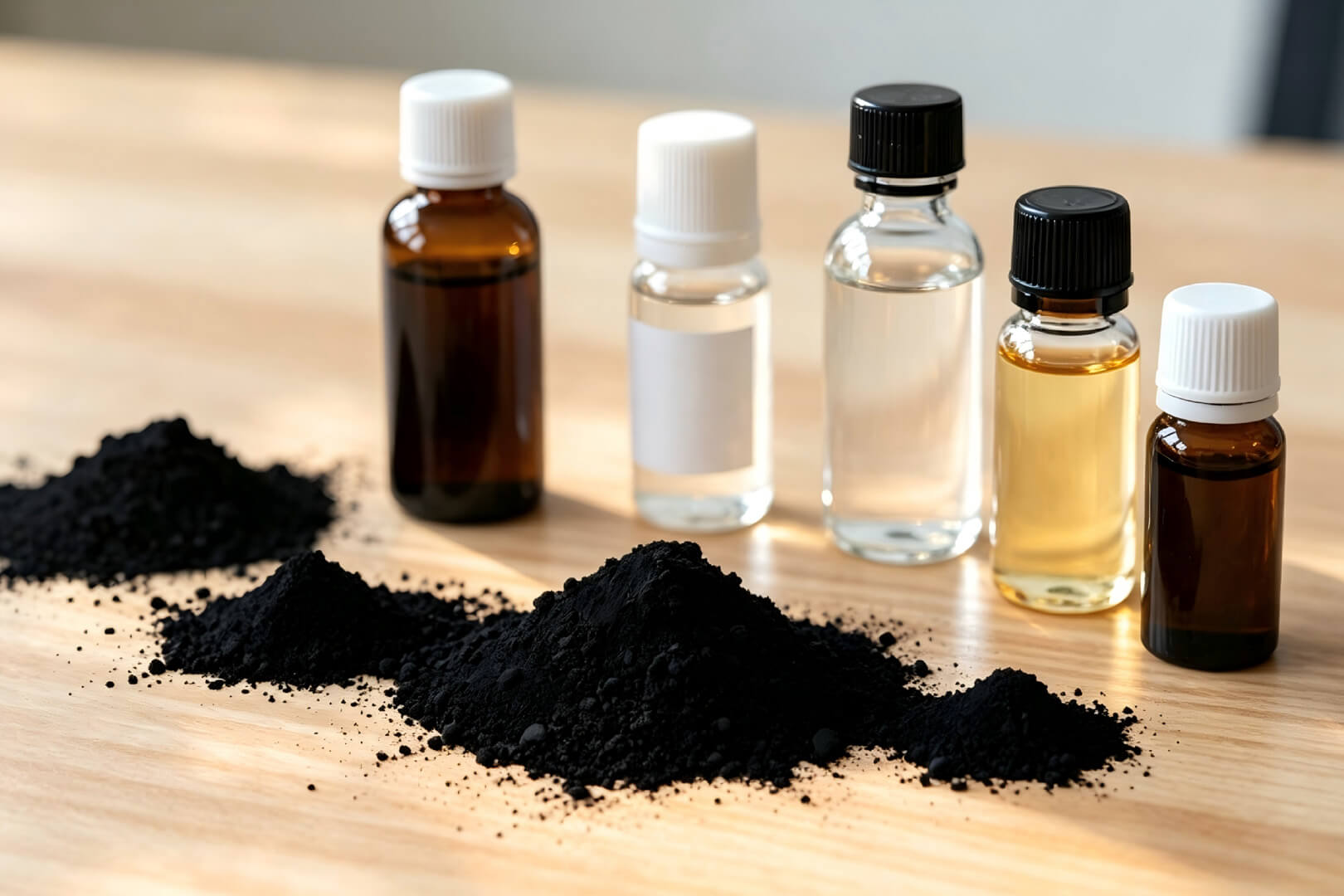
Silicone rubber compounds are engineered elastomer feedstocks built around high-molecular-weight silicone polymers together with selected reinforcing fillers, modifiers and cure chemistry. Compared with an unfilled silicone base, a finished compound can be tuned for hardness, tensile strength, elongation, tear resistance, rebound, compression set, electrical behavior, thermal stability and processing response. Many millable grades are described in the market as high-consistency rubber (HCR), heat-cured rubber or HTV silicone rubber and can be processed by molding, extrusion, calendering and related rubber-fabrication methods.
Eata Silicon supplies application-focused silicone rubber compound options for cable and electrical components, seals and O-rings, hoses and profiles, rollers, connector parts, antistatic components, soft elastomer parts and other demanding designs. The practical objective is simple: match the material to the manufacturing route and the performance target, rather than asking one general-purpose grade to solve every problem.
From Silicone Gum to a Performance-Ready Compound
A silicone rubber compound is more than silicone polymer alone. Major suppliers describe HCR formulations as combinations of silicone rubber base, reinforcing filler, modifiers, vulcanizing or catalyst components and, where required, pigments or specialty additives. Reinforcing silica is widely used to build mechanical strength, while other additives can shift processing, thermal, electrical, friction or resilience behavior. The compound therefore becomes the working material that a fabricator actually meters, mills, extrudes or molds.
- Polymer and filler balance influences strength, elongation, tear performance, hardness and long-term elastic response.
- Processing route matters: an extrusion grade must maintain a stable profile through a die, while a molding grade must fill the tool and demold cleanly.
- Cure chemistry and cure conditions affect manufacturing behavior and the final network, so they should be specified together with the processing method.
- Thermal, electrical, antistatic, high-rebound or self-lubricating performance usually requires a purpose-built formulation rather than a generic base compound.
- Grade selection should be based on the finished component requirement, including geometry, service conditions and the properties that actually control failure.
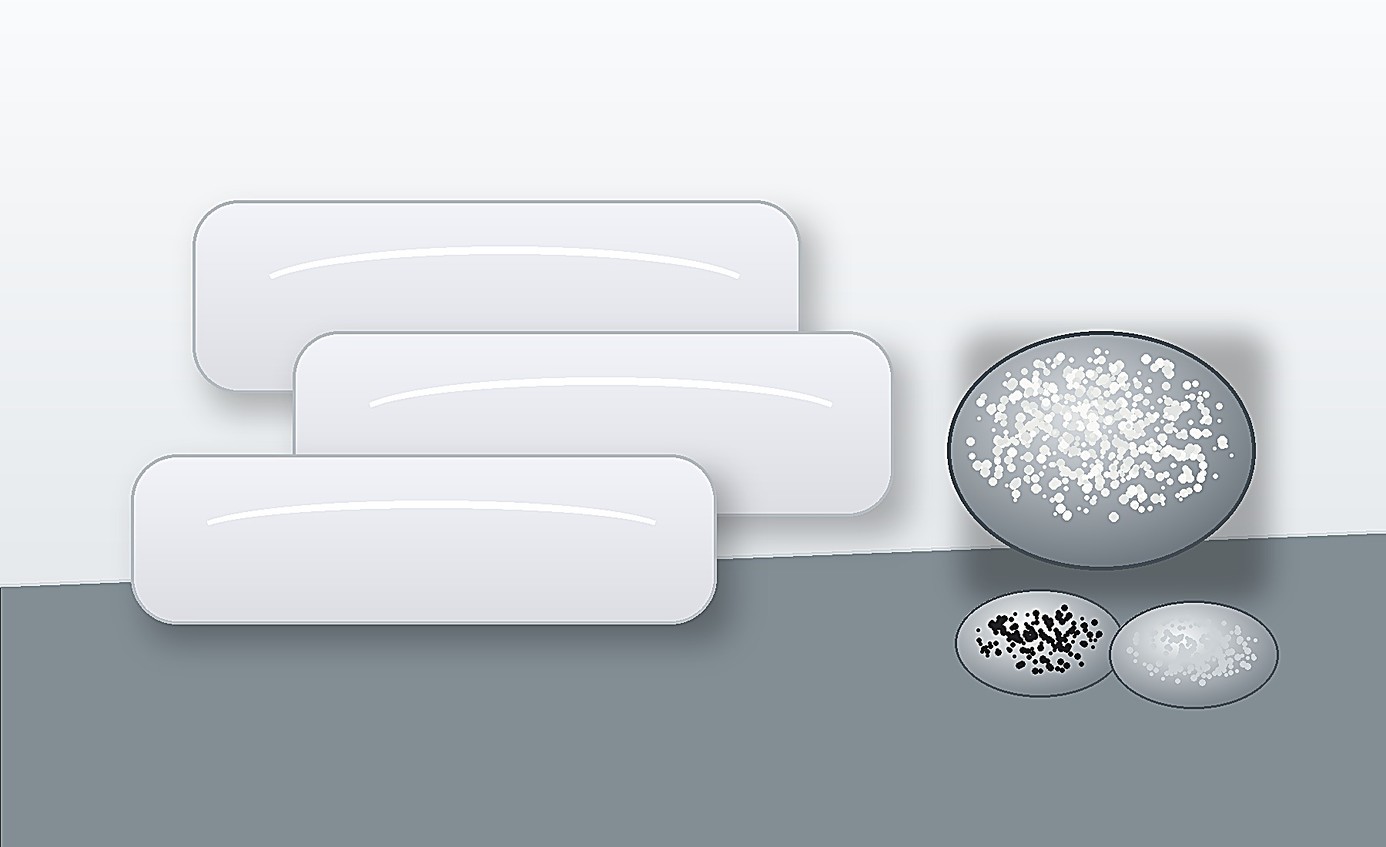 Fig. 1. High-consistency silicone compounding combines a polymer matrix with reinforcing and performance-modifying ingredients.
Representative Silicone Rubber Compound Options
The following families reflect the types of silicone rubber compounds Eata Silicon can discuss for specification-led sourcing. Exact values depend on the selected grade, hardness and cure system; request the current technical data for the material being quoted.
| Compound Family |
Typical Processing |
Primary Performance Focus |
Typical Component Targets |
| Cable Accessory Silicone Rubber Compound for Electrical Insulation |
Molding / extrusion |
Elastic electrical insulation and weatherable silicone behavior |
Power-cable joints, terminations, boots and insulating components |
| Cost-Efficient Silicone Rubber for Pigmented Molding and Extrusion |
Molding / extrusion |
Practical processing with balanced mechanical performance |
General molded parts, keypads, colored profiles and miscellaneous extrusions |
| Standard Silicone Rubber for Extruded Hoses and Profiles |
Extrusion |
Stable profile formation with heat and yellowing resistance |
Hoses, tubing, cords, shaped profiles and foam strips |
| Standard Silicone Rubber for Molded Electrical and Automotive Parts |
Molding |
Balanced moldability, mechanical properties and heat resistance |
Seals, insulating components and general automotive rubber parts |
| High-Rebound Silicone Rubber Compound, 40-70 Shore A |
Molding |
Fast elastic recovery; representative rebound resilience about 50-65% across listed grades |
O-rings, resilient seals and components exposed to repeated deformation |
| High-Strength Moldable Silicone Rubber, 30-70 Shore A |
Molding |
Representative tensile range 6-9 MPa with high elongation and tear performance |
Mechanically demanding molded silicone components |
| Ultra-Low-Hardness Silicone Rubber, 11-20 Shore A |
Molding |
Very soft cured feel with representative elongation around 700-800% |
Soft-touch parts, flexible cushions and low-hardness protective components |
| Corona- and Arc-Resistant Modified Silicone Rubber, 40-60 Shore A |
Molding / extrusion |
Electrical insulation with corona- and arc-resistance focus |
Cable accessories, insulation parts and electrical elastomer components |
| High-Temperature Silicone Rubber for 250°C Continuous Service |
Molding / extrusion |
Sustained heat resistance; short-term exposure up to 300°C for the referenced grade family |
Heat-resistant seals, rollers, profiles and sealing strips |
| Antistatic Moldable Silicone Rubber, 40-70 Shore A |
Molding |
Controlled static dissipation with stable mechanical processing |
ESD-sensitive molded parts, covers and handling components |
| Self-Lubricating Silicone Rubber for Molded Seals, 30-70 Shore A |
Molding |
Internal oil-migration system creates a low-friction surface over time |
Connector seals, washers, gaskets and low-friction interfaces |
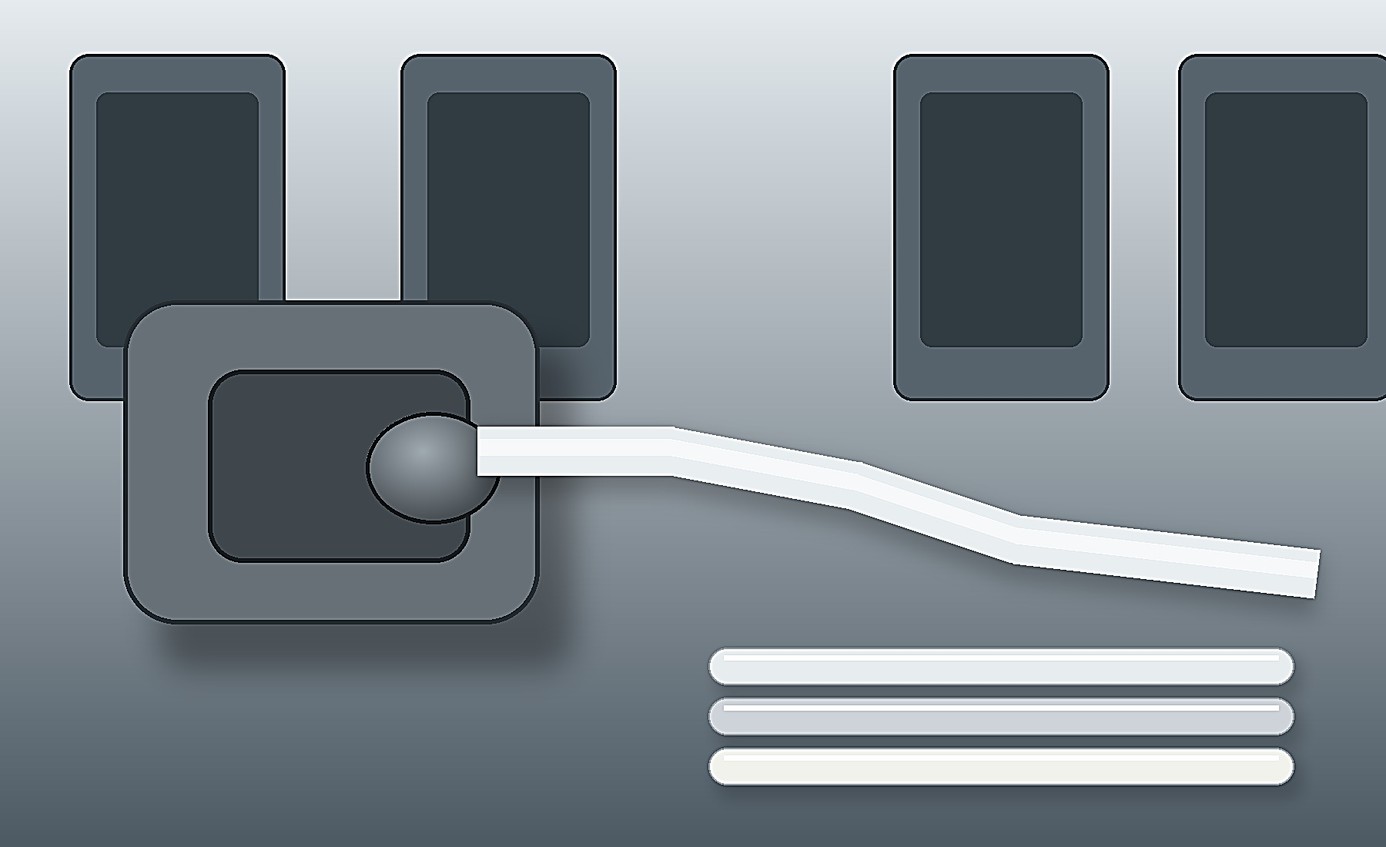 Fig. 2. Extrusion grades are selected for stable shaping of continuous silicone tubing, cords and technical profiles.
How to Select the Right Silicone Rubber Compound
| Decision Point |
What to Specify |
Why It Matters |
| Processing method |
Compression, injection or transfer molding; extrusion; calendering; other |
Determines rheology, preform handling, die behavior, mold filling and demolding requirements. |
| Target hardness |
Shore A value or acceptable range |
Hardness strongly affects feel, sealing force, deformation and part stiffness. |
| Mechanical targets |
Tensile strength, elongation, tear strength, tensile set |
Defines the required balance between strength, stretch and damage resistance. |
| Elastic recovery |
Rebound resilience and/or compression-set target |
Critical for O-rings, dynamic seals, repeated compression and spring-like elastomer behavior. |
| Electrical behavior |
Insulating, antistatic or other defined resistivity / dielectric target |
Avoids mixing fundamentally different electrical functions under one "silicone rubber" label. |
| Temperature profile |
Continuous temperature, short excursions, thermal cycling and nearby heat sources |
Helps identify whether a general grade or a heat-stabilized / high-temperature compound is appropriate. |
| Cure route |
Peroxide or addition cure where applicable, plus actual cure conditions |
Cure chemistry changes processing, formulation compatibility and final properties. |
| Appearance and pigmentation |
Translucent, white, black or custom color; surface requirements |
Allows the compound and pigment package to be screened against processing and end-use needs. |
| Component geometry |
Wall thickness, cross-section, insert, seal geometry and tolerance needs |
Geometry can change the required flow, extrusion stability, shrinkage and demolding behavior. |
| Acceptance criteria |
Requested test methods, property limits and inspection data |
Creates a clear basis for grade comparison and incoming-material qualification. |
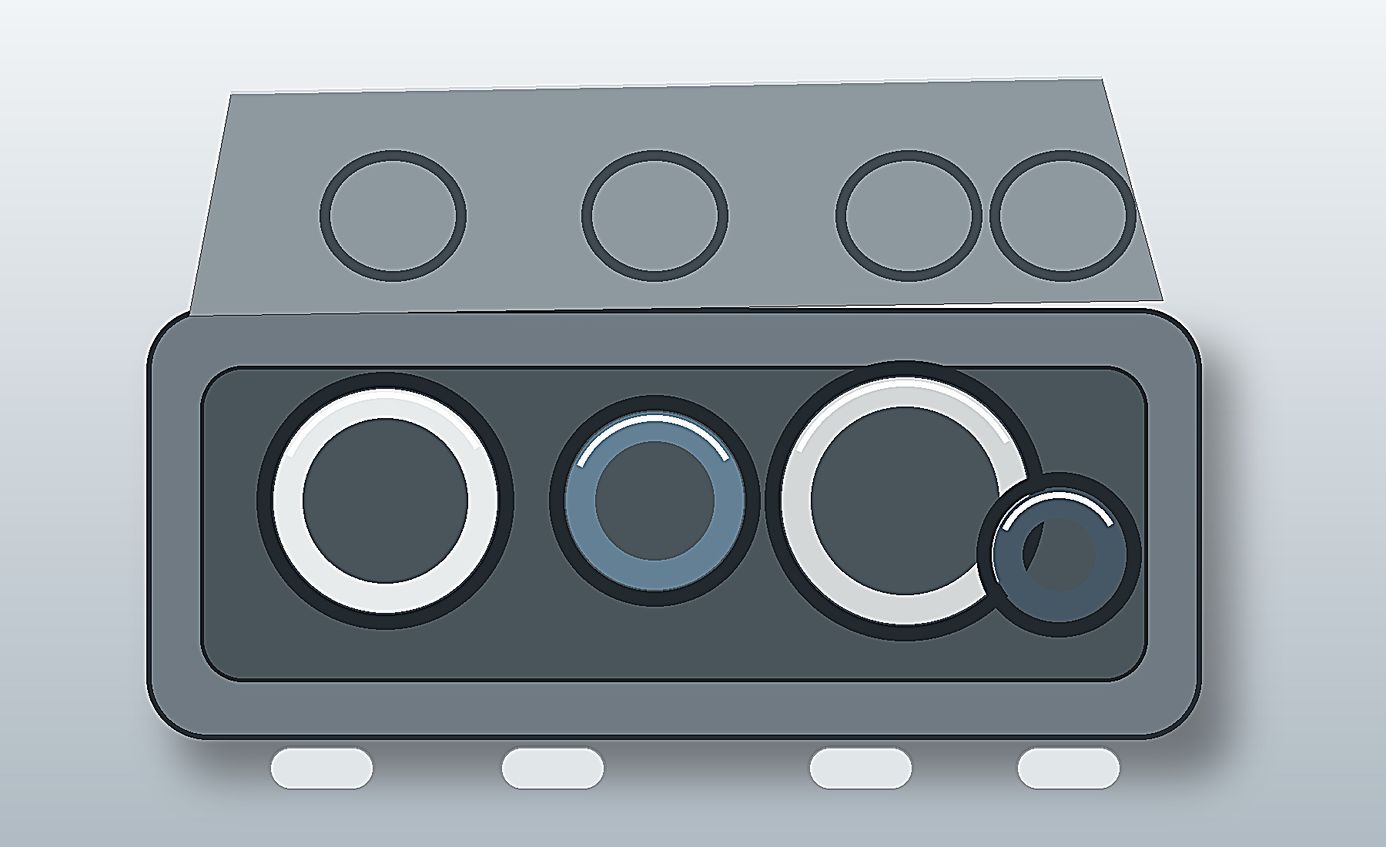 Fig. 3. Molding grades must balance tool filling, demolding behavior and the mechanical profile of the cured elastomer.
Where Silicone Rubber Compounds Fit in Energy and Industrial Systems
Power Cable Accessories and Electrical Insulation
Silicone rubber is widely used around power systems because its elastomeric behavior can be combined with useful electrical insulation, weather resistance and broad thermal performance. For cable joints, terminations, insulating boots and related parts, the compound should be selected around dielectric requirements, interface pressure, elongation, tear resistance, installation method and long-term environmental exposure. Corona- and arc-resistant modified grades may be considered when the electrical stress profile is more demanding than a general insulating application.
Antistatic and Controlled-Charge Components
Antistatic silicone compounds are formulated for applications where charge accumulation and dust attraction must be reduced while retaining the flexibility and processability of silicone rubber. The required resistivity window should be stated explicitly because antistatic, static-dissipative and highly conductive materials are not interchangeable. Mechanical targets still matter: hardness, elongation and tear resistance must remain suitable for the actual molded geometry.
 Fig. 4. Electrical and antistatic compound families can be designed around insulation performance or controlled charge behavior.
High-Temperature Seals, Rollers and Profiles
Heat-resistant silicone compounds are used when elastomer parts must retain useful flexibility and mechanical performance at temperatures that challenge conventional organic rubbers. High-temperature grades can be tailored with stabilizing packages and filler systems, but the purchasing specification should distinguish continuous service temperature from short-duration peaks. Seals, industrial rollers, oven or furnace-adjacent profiles and thermal-process equipment should also be evaluated for compression, abrasion, cyclic loading and the surrounding chemical environment.
 Fig. 5. Heat-resistant compound design supports elastomer components exposed to sustained elevated service temperatures.
Extruded Profiles, Tubing, Cords and Protective Shapes
Extrusion requires a compound that can be fed consistently, pass through the die without unacceptable distortion and retain the intended cross-section through cure. A buyer should define profile geometry, wall thickness, surface quality, dimensional tolerance and the relevant cured-property targets. If the same chemistry will be used for both extrusion and molding, confirm that the selected grade and catalyst system are suitable for both processes rather than assuming interchangeability.
Seals, O-Rings and Low-Friction Connector Interfaces
Sealing applications can demand low compression set, high rebound, controlled hardness or reduced insertion friction. High-rebound grades are useful where rapid elastic recovery is important, while self-lubricating compounds can develop a low-friction surface through a controlled internal oil-migration system. These options are especially relevant to connector seals, gaskets, washers and other interfaces where assembly force and repeated movement matter.
 Fig. 6. Self-lubricating compound concepts can reduce surface friction in connector seals, gaskets and similar moving interfaces.
Why Buyers Work with Eata Silicon
- Application-led material matching: we start with the component, process and critical performance targets before narrowing the compound family.
- Broad silicone-rubber scope: molding, extrusion, high-rebound, high-strength, heat-resistant, electrical, antistatic and self-lubricating options can be evaluated against the same technical brief.
- Specification-focused quotations: hardness, mechanical properties, electrical targets, service temperature, cure route and test requirements can be built into the sourcing discussion.
- Clear comparison of standard and specialty grades: when a general compound is not sufficient, a more targeted formulation can be reviewed rather than masking the gap with generic wording.
- Custom development support: project-specific hardness, processing, thermal, electrical, friction, resilience, color and related formulation targets can be discussed when standard grades do not fit.
When an off-the-shelf grade does not match the required processing window or performance profile, Eata Silicon can evaluate a custom compound specification. Depending on feasibility, customization may address polymer and filler balance, Shore A hardness, cure route, extrusion or molding behavior, tensile and elongation targets, tear strength, rebound, compression set, service-temperature requirement, electrical resistivity or dielectric behavior, antistatic response, self-lubrication level, color and other defined properties.
For the most efficient technical review, send the target component or drawing, processing method, desired hardness, critical mechanical and electrical values, continuous and peak service temperatures, reference material if available, quantity estimate and the test methods that matter to your qualification process. Eata Silicon can then review a standard grade, a related formulation or a project-specific customization route.
Discuss Your Silicone Rubber Compound Requirements with Eata Silicon
For Research or Industrial Raw Materials, Not For Personal Medical Use!