The most productive bond in industrial silicon chemistry is also one of its simplest: silicon-chlorine. Attach chlorine to silicon and the molecule becomes a universal precursor – water turns it into siloxane polymers, alcohol into alkoxysilane crosslinkers, ammonia into silazanes, Grignard reagents into entirely new organosilicon structures. That single handle is why chlorosilane monomers sit at the origin of silicone elastomers, fumed silica, solar-grade polysilicon, optical fiber, and the silicon nitride films inside advanced chips. Few families of chemicals feed so many industries at once.
This page presents the complete chlorosilane family from our catalog: the methyl chlorosilane slate that silicone polymerization consumes by the tonne, trichlorosilane and silicon tetrachloride for silicon deposition and flame processes, vinyl and phenyl chlorosilanes for functional and heat-resistant chemistry, and hexachlorodisilane for semiconductor thin films. Every grade ships with the purity documentation its application demands – and every specification on this page can be tightened through our custom service.
Browse Our Products
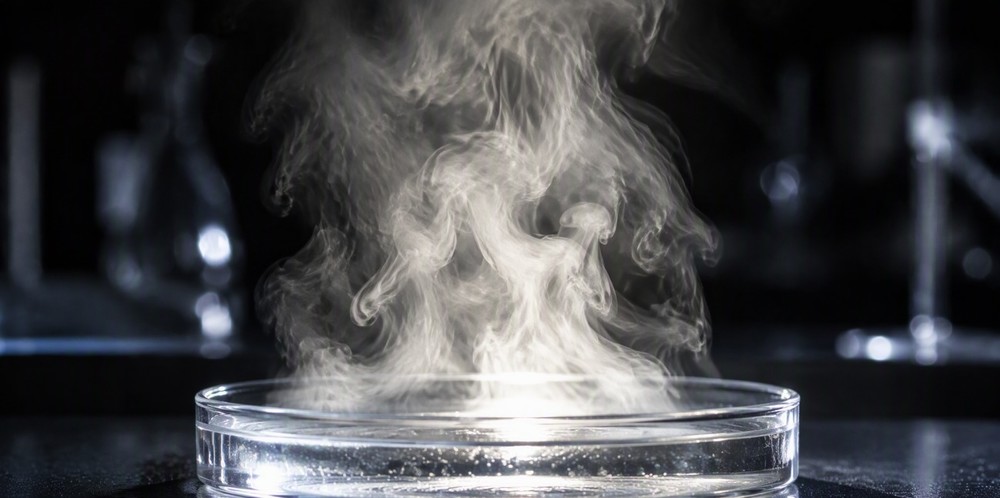 Meet moisture's enemy: chlorosilanes fume the moment air touches them.
One Bond, Every Direction: Chlorosilane Conversion Chemistry
Ask why chlorosilanes dominate organosilicon manufacturing and the answer is a reaction map. The Si–Cl bond hydrolyzes, alcoholyzes, ammonolyzes, and undergoes nucleophilic substitution on demand, so a single chlorosilane inventory can serve polymer producers, coating formulators, and synthesis laboratories alike:
| Reagent |
Product Formed |
Destination |
| Water (hydrolysis) |
Silanols → siloxane oligomers |
Silicone oils, rubbers, resins |
| Alcohols (alcoholysis) |
Alkoxysilanes |
Sol-gel, crosslinkers, coupling-agent feed |
| Ammonia (ammonolysis) |
Silazanes such as HMDS |
Surface treatment, silylation, lithography primers |
| Grignard / organolithium |
New Si–C bonds |
Functional and specialty monomers |
| Metal hydrides (reduction) |
Hydrosilanes (Si–H) |
Hydrosilylation curing, selective reductions |
The byproduct tells the same story in reverse: hydrogen chloride leaves with every conversion, which is why chlorosilane plants run closed chlorine loops – recovered HCl reacts with methanol to regenerate the methyl chloride that started the whole chain.
How Chlorosilanes Are Made – and Why Distillation Decides Quality
Methyl chlorosilanes come from the Direct Process: silicon metal and methyl chloride over copper at 250–300 °C, producing a slate dominated by dimethyldichlorosilane. Silicon tetrachloride is made by direct chlorination of silicon or ferrosilicon with chlorine, and arrives in equal measure as the companion of trichlorosilane in hydrochlorination units. Vinyltrichlorosilane is assembled by adding Si–H across acetylene's triple bond; phenyl chlorosilanes run their own direct synthesis with chlorobenzene. Different routes, one shared bottleneck: purification. Family members boil within a few degrees of each other, so the fractional distillation train – column height, reflux ratio, reboiler discipline – is what separates a monomer from a mixture. When a certificate of analysis reports isomer content, it is really reporting how well those columns ran.
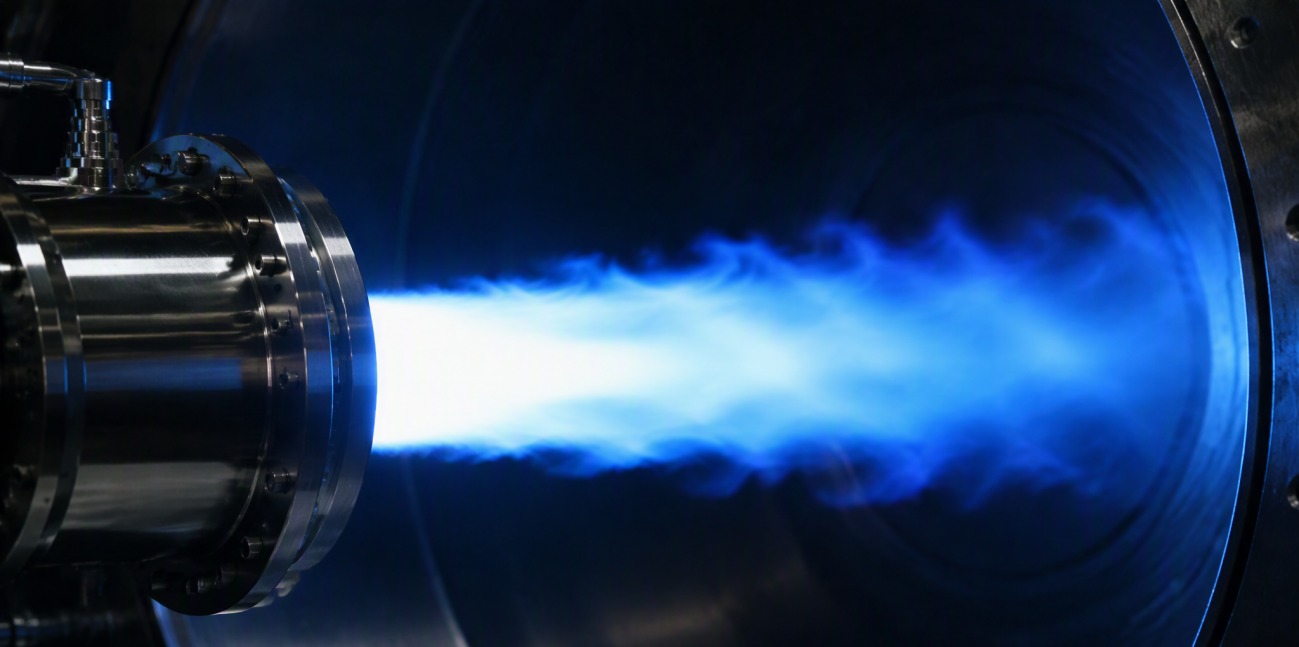 Flame hydrolysis: SiCl₄ becomes fumed silica in a hydrogen-oxygen flame.
Beyond Silicones: Chlorosilanes in Energy and High Tech
• Fumed silica – silicon tetrachloride vapor burns in a hydrogen-oxygen flame at 1,000–1,800 °C: SiCl₄ + 2H₂ + O₂ → SiO₂ + 4HCl. Molten primary particles of 5–50 nm fuse into branched aggregates of 100–500 nm; after HCl is stripped at 400–600 °C, the powder delivers BET areas of 50–400 m²/g and the thixotropy that sealants and silicone rubbers rely on. Feedstock purity is everything – electronic grades start from SiCl₄ with total metals below 10 ppm.
• Optical fiber – every preform process (MCVD, OVD, VAD, PCVD) begins with SiCl₄ and GeCl₄, chosen precisely because both are liquids at room temperature and distill to extraordinary purity. Soot deposited at ~1,500 °C sinters into glass so clean that fibers lose under 0.2 dB/km; a single large preform – 150–300 mm across and meters long – draws out 8,000–10,000 km of fiber.
• Semiconductors – hexachlorodisilane (Si₂Cl₆, CAS 13465-77-5) is the workhorse precursor for silicon nitride, silicon carbonitride, and oxide films by CVD and ALD: it deposits dense, conformal layers at lower temperatures, exactly what 3D NAND stacks and FinFET architectures demand. Market practice now calls for 5N purity and tighter.
• Solar silicon – trichlorosilane, purified by distillation to ppb-level boron and phosphorus, feeds the Siemens reactors that grow over 90% of the world's polysilicon – covered in depth on our organosilicon monomers page.
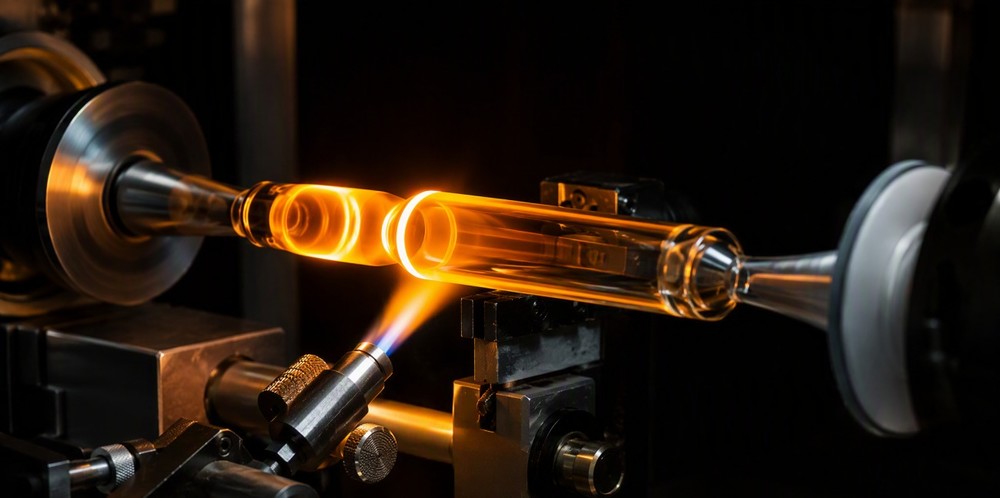 From vapor to glass: a fiber preform grows inside the MCVD lathe.
Representative Products at a Glance
| Product |
CAS No. |
Typical Use |
| Dimethyldichlorosilane (M2) |
75-78-5 |
Silicone polymer chains – oils, rubbers, resins |
| Methyltrichlorosilane (M1) |
75-79-6 |
Silicone resins, branching units, fumed silica feed |
| Trimethylchlorosilane (M3) |
75-77-4 |
Chain terminator, silylation reagent, HMDS feed |
| Methyldichlorosilane (SiH) |
75-54-7 |
Hydrosilylation building block |
| Trichlorosilane (TCS) |
10025-78-2 |
Polysilicon deposition, silane synthesis |
| Silicon tetrachloride (SiCl₄) |
10026-04-7 |
Fumed silica, fiber preforms, TEOS feed |
| Vinyltrichlorosilane |
75-94-5 |
Vinyl coupling agents, PVC modification |
| Phenyltrichlorosilane |
98-13-5 |
Heat-resistant phenyl resins and fluids |
| Diphenyldichlorosilane |
80-10-4 |
High-phenyl silicones, specialty elastomers |
| Hexachlorodisilane (HCDS) |
13465-77-5 |
CVD/ALD nitride and oxide films, 5N grades |
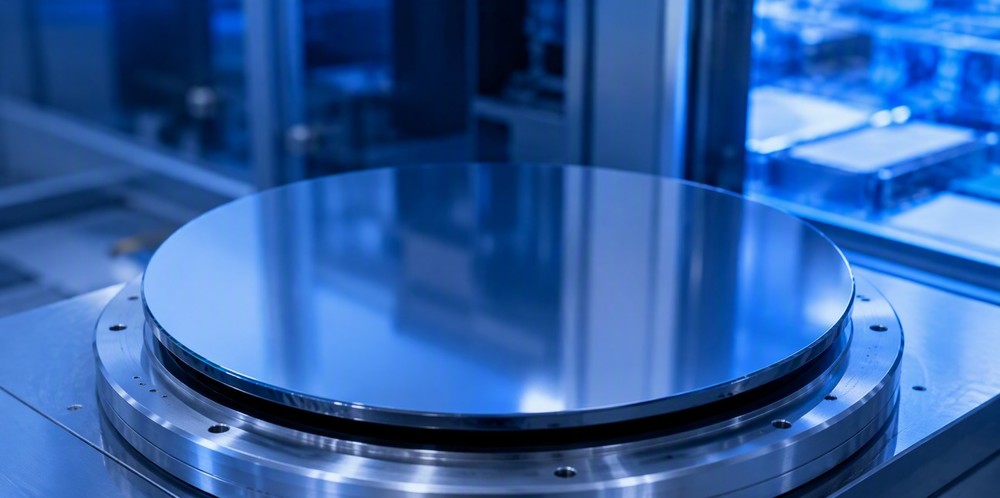 Six nines and counting: chlorosilane purity ends up on the wafer.
The Spec Lines That Matter
A chlorosilane certificate earns its keep in the impurity columns. GC assay with a full homolog profile comes first – M1 and M3 content in an M2 lot, vinyl isomers in vinyltrichlorosilane – followed by free chloride and acidity, color, and Karl Fischer moisture, because each of those parameters propagates straight into the customer's process. Deposition grades add their own rulers: boron and phosphorus at ppb level for TCS, total metals below 10 ppm for electronic SiCl₄, and 5N assay with ICP-MS trace-metal panels for HCDS. Density and boiling range verify identity on every lot; nothing ships on a catalog value.
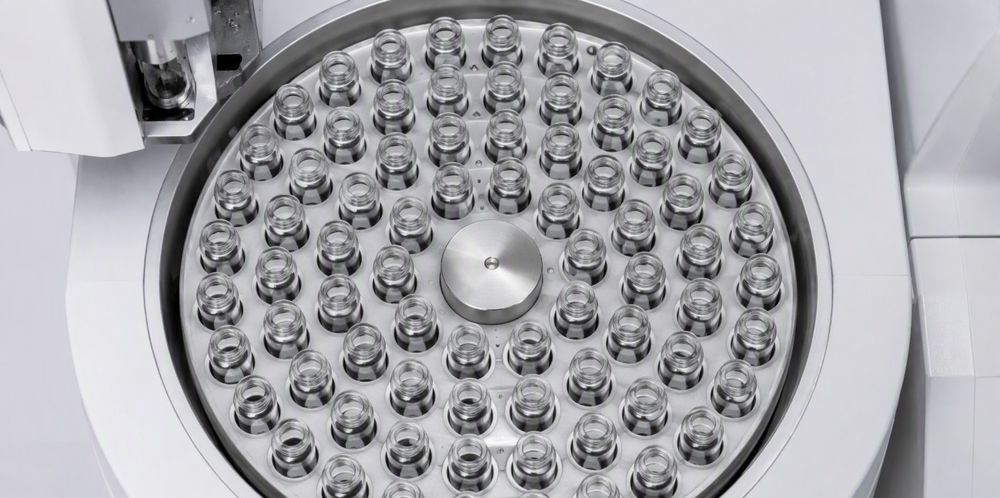 Every lot under the lens: chromatography before a drum is sealed.
Handling, Packaging, and Logistics
Chlorosilanes reward respect. They fume on contact with moist air, releasing HCl, and several members are aggressively flammable – trichlorosilane flashes at –28 °C. Supply is therefore always dry: corrosion-resistant drums and IBCs under nitrogen blanket for parcel quantities, ISO tanks for bulk, with grounding and dry-transfer discipline on every connection. Partial draws should be re-blanketed immediately, and containers kept sealed until the moment of use. Our packaging team matches container, gasket, and valve materials to each product – and every shipment carries its measured COA plus handling documentation.
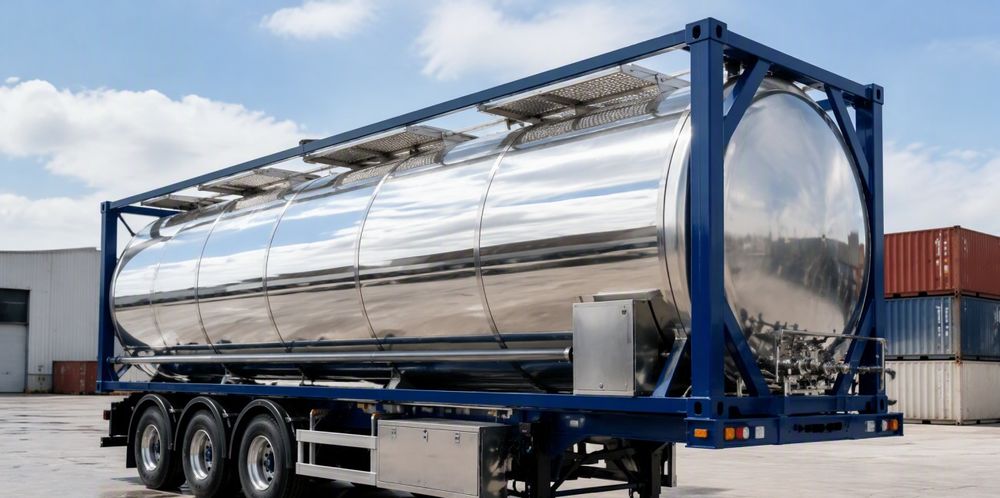 Bulk, blanketed, and ready: chlorosilanes travel by ISO tank.
Catalog grades cover most needs; the rest are routine custom work. Eata Silicon regularly supplies chlorosilanes distilled to tightened isomer limits, low-chloride and low-acidity batches for sensitive polymerizations, electronic-grade SiCl₄ and TCS with documented trace panels, 5N HCDS for deposition development, and specialty vinyl, phenyl, and mixed-function chlorosilanes synthesized to order. Research bottles for process development are standard practice – and they scale to ISO tanks when the chemistry proves out.
Share the product, the specification you are working toward, and the volumes on your roadmap, and our team will respond with a recommended grade, complete analytical documentation, and samples for your own evaluation.
For Research or Industrial Raw Materials, Not For Personal Medical Use!