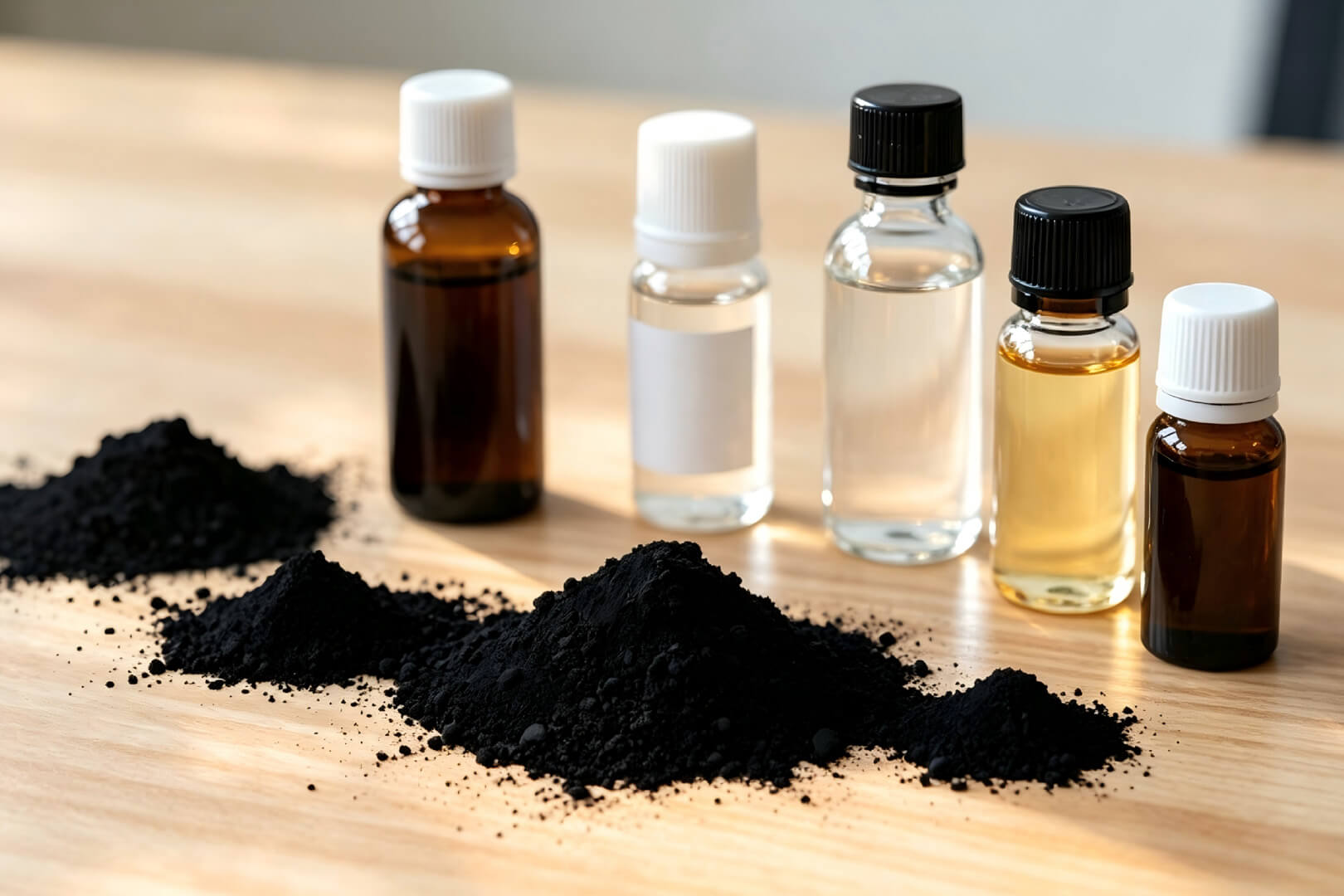
Organosilicon prepolymers combine an organic polymer backbone with reactive silicon-containing groups that are designed to form the final network during formulation or cure. Many commercial materials in this family are hybrid polymers rather than conventional silicone fluids: they remain processable before cure, then use silane hydrolysis and condensation to create siloxane crosslinks when exposed to moisture under suitable formulation conditions. This architecture makes them versatile starting binders for elastic adhesives, sealants, protective coatings, potting compounds and other hybrid systems.
Eata Silicon supports specification-led sourcing across silyl-terminated polyether (STPE), silane-modified polymer (SMP), silane-terminated polyurethane (STPU) and related organosilicon prepolymer families. The right choice is usually defined by the polymer backbone, terminal or pendant silane structure, viscosity, degree of functionalization, cure package and the mechanical or processing profile required in the finished formulation.
What Makes an Organosilicon Prepolymer Useful?
The value of this raw-material family comes from separating processing from final network formation. Before cure, the prepolymer can be mixed with fillers, adhesion promoters, catalysts, pigments, plasticizers or reactive diluents. After application, the silicon functionality can participate in moisture-driven crosslinking, converting the fluid or paste-like formulation into a bonded or sealed network.
- Backbone chemistry controls much of the flexibility, cohesive strength, temperature response and compatibility profile of the uncured and cured system.
- Silyl functionality determines the moisture-reactive crosslinking route and influences cure response, network density and adhesion behavior.
- Viscosity and molecular range affect pumpability, filler loading, bead shape, leveling and the amount of reactive polymer delivered into the formulation.
- Terminal versus pendant silane placement changes how crosslinkable groups are distributed along the polymer and can alter network architecture.
- The finished performance is formulation-dependent; the same prepolymer family can be tuned toward low-modulus sealants, elastic adhesives, coatings or potting materials.
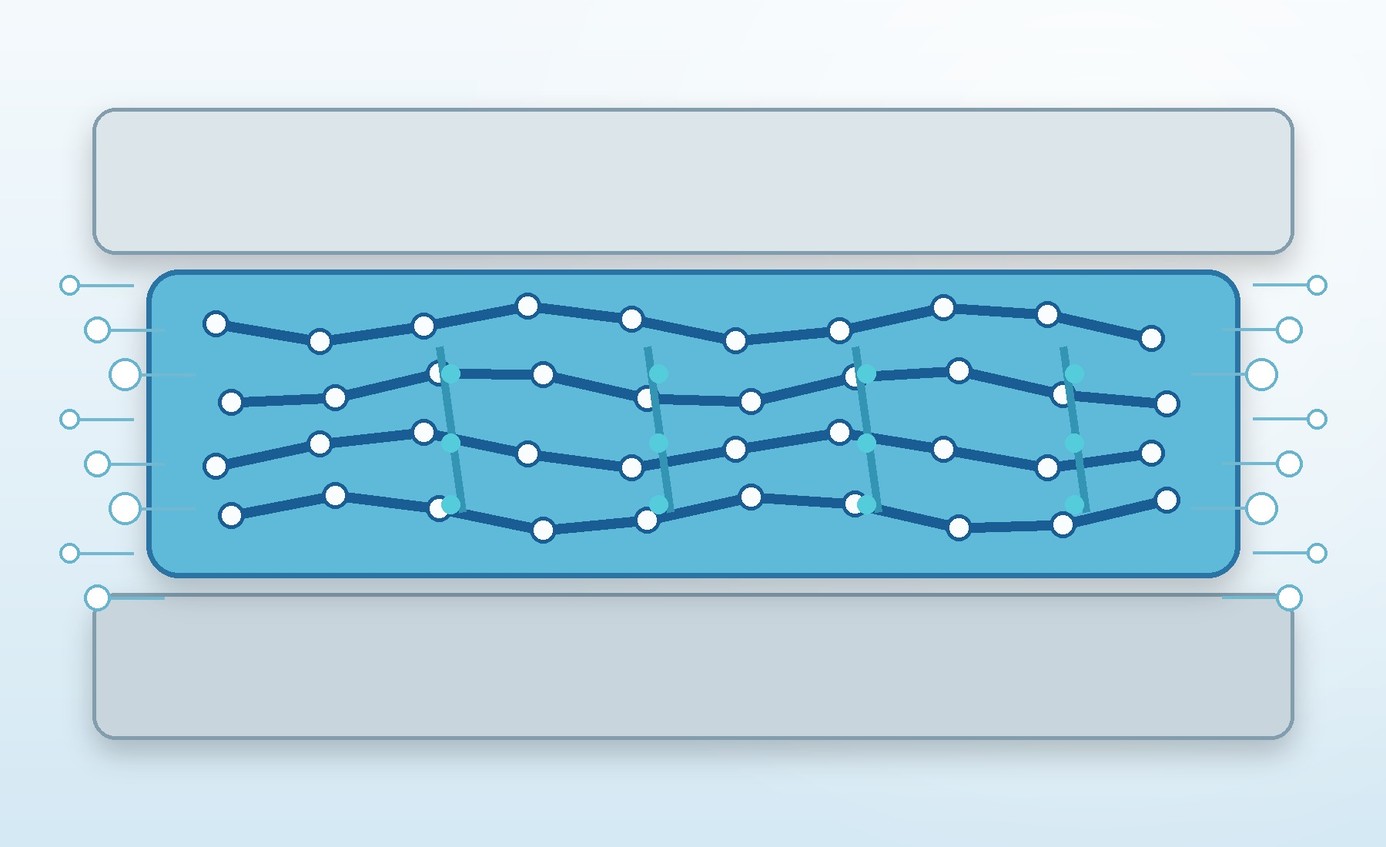 Fig. 1. A hybrid prepolymer bond line can convert from a processable layer into a crosslinked siloxane-containing network as moisture reaches the formulation.
Main Organosilicon Prepolymer Families
| Family / Buyer Search Name |
Backbone / Silicon Functionality |
Typical Formulation Role |
Key RFQ Variables |
| Silyl-Terminated Polyether (STPE) |
Polyether backbone with terminal methoxysilane groups |
Elastic sealants, adhesives, coatings and hybrid binders |
Viscosity, silane type, functionalization level, cure response |
| Dimethoxysilyl-Terminated Polyether |
STPE with dimethoxy-silyl functionality |
General-purpose moisture-curing binder platform |
Viscosity, end-group content, catalyst compatibility, water/volatile profile |
| Trimethoxysilyl-Terminated Polyether |
STPE with more hydrolyzable methoxy functionality |
Formulations where higher reactivity is desired |
Viscosity, trimethoxy functionality, skin/cure behavior, formulation stability |
| Alpha-Silane-Terminated Polyether |
Silyl group arranged for enhanced moisture reactivity |
Fast-response hybrid adhesive and sealant development |
Alpha/gamma architecture, viscosity, catalyst package, mechanical target |
| Silane-Terminated Polyurethane (STPU) |
Polyurethane backbone with terminal silane groups |
Elastic to high-strength adhesives, sealants and coatings |
Backbone type, viscosity, modulus target, cure profile, critical residuals |
| Aliphatic Silane-Terminated PU Prepolymer |
Aliphatic STPU / hybrid binder |
Flexible industrial bonding, sealing and protective formulations |
Viscosity, elongation/modulus target, adhesion package, moisture cure |
| Acrylic-Modified STPE |
STPE blended or modified with silylated acrylic functionality |
Weatherable sealant, coating and specialty adhesive platforms |
Blend architecture, viscosity, UV/weather target, cure balance |
| Silane-Modified Reactive Diluent |
Low-viscosity reactive organosilicon polymer |
Viscosity reduction while remaining network-reactive |
Viscosity, compatibility, silane functionality, replacement level |
| Pendant Silane-Modified Polymer |
Crosslinkable silyl groups positioned along the chain |
Specialty SMP networks and formulation tuning |
Backbone, pendant group density, viscosity, cure mechanism |
How to Specify an Organosilicon Prepolymer
| Decision Point |
What to Specify |
Why It Matters |
| Polymer backbone |
Polyether, polyurethane, acrylic-modified, specialty hybrid |
Drives flexibility, cohesive strength, compatibility and much of the final mechanical profile. |
| Silane architecture |
Terminal or pendant; dimethoxy, trimethoxy, alpha/gamma or other defined functionality |
Controls crosslinking route, reactivity and network design. |
| Viscosity at a defined temperature |
State the target range and test temperature, typically 25 °C when applicable |
Determines metering, filler loading, mixing and application behavior. |
| Functionalization / equivalent |
End-group content, silane equivalent or supplier-specific functionality metric |
Helps estimate crosslink density and reactive balance. |
| Moisture and volatile profile |
Water limit, low-volatility requirements, odor/color constraints if important |
Affects storage stability, processing and consistency. |
| Formulation compatibility |
Fillers, catalyst, adhesion promoter, plasticizer/reactive diluent, pigment and substrate |
Screens candidates against the actual system instead of isolated polymer data. |
| Acceptance data |
Viscosity, density, color, FTIR/NMR/GPC or agreed analytical information |
Defines how incoming material will be qualified and compared. |
| Packaging conditions |
Container material, moisture protection, pack size and headspace preference |
Helps protect moisture-reactive raw materials during storage and handling. |
Where Organosilicon Prepolymers Fit in Energy and Electrical Materials
Organosilicon prepolymers are raw-material platforms rather than finished engineering compounds, so their suitability depends on the complete formulation and qualification program. In energy and electrical-material development, moisture-curing hybrid binders can be considered where a formulation needs flexible bonding, sealing, protective encapsulation or coating behavior across dissimilar materials.
Battery Pack Bonding and Sealing
Battery assemblies contain metal housings, coated components, cooling structures and polymeric interfaces that can move at different rates under vibration and temperature cycling. STPE- and STPU-based binder platforms can be formulated into elastic adhesive and sealant systems for selected joints, covers and protected interfaces. Candidate selection should be driven by adhesion to the actual substrates, modulus, elongation, moisture resistance, thermal exposure and any electrical or processing requirements of the finished formulation.
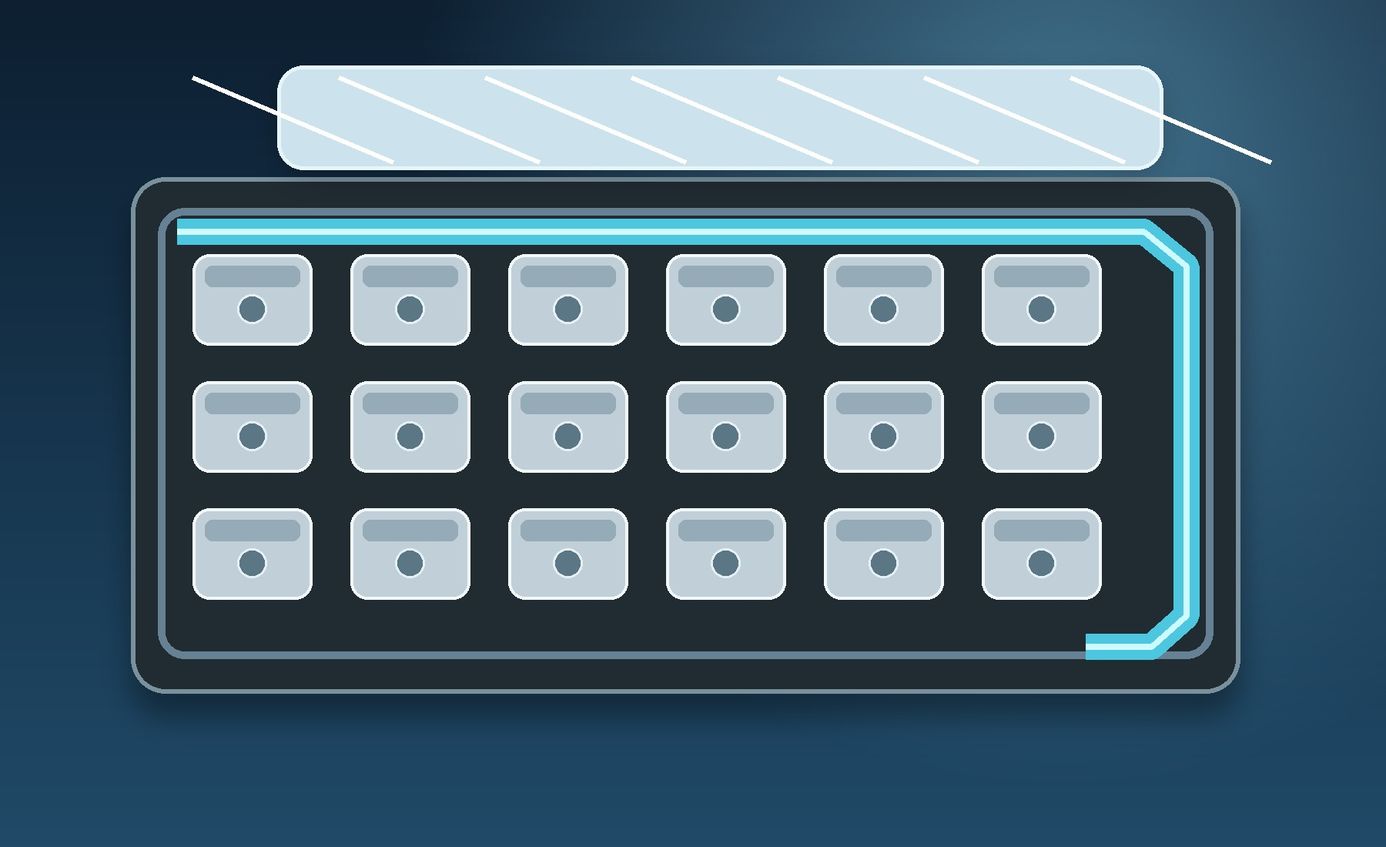 Fig. 2. Battery-module bonding and sealing applications can benefit from a continuous flexible interface designed around movement, adhesion and environmental protection.
Photovoltaic Module and Solar-System Bonding
Hybrid moisture-curing binders can also be evaluated for solar-module edge, frame, junction-box and related assembly concepts where durable adhesion and a flexible seal are required. The prepolymer alone does not define weathering or electrical performance; stabilizers, fillers, adhesion promoters and the final cure package all matter. For solar projects, identify the exact glass, metal, polymer or backsheet surfaces and the service environment before choosing the binder architecture.
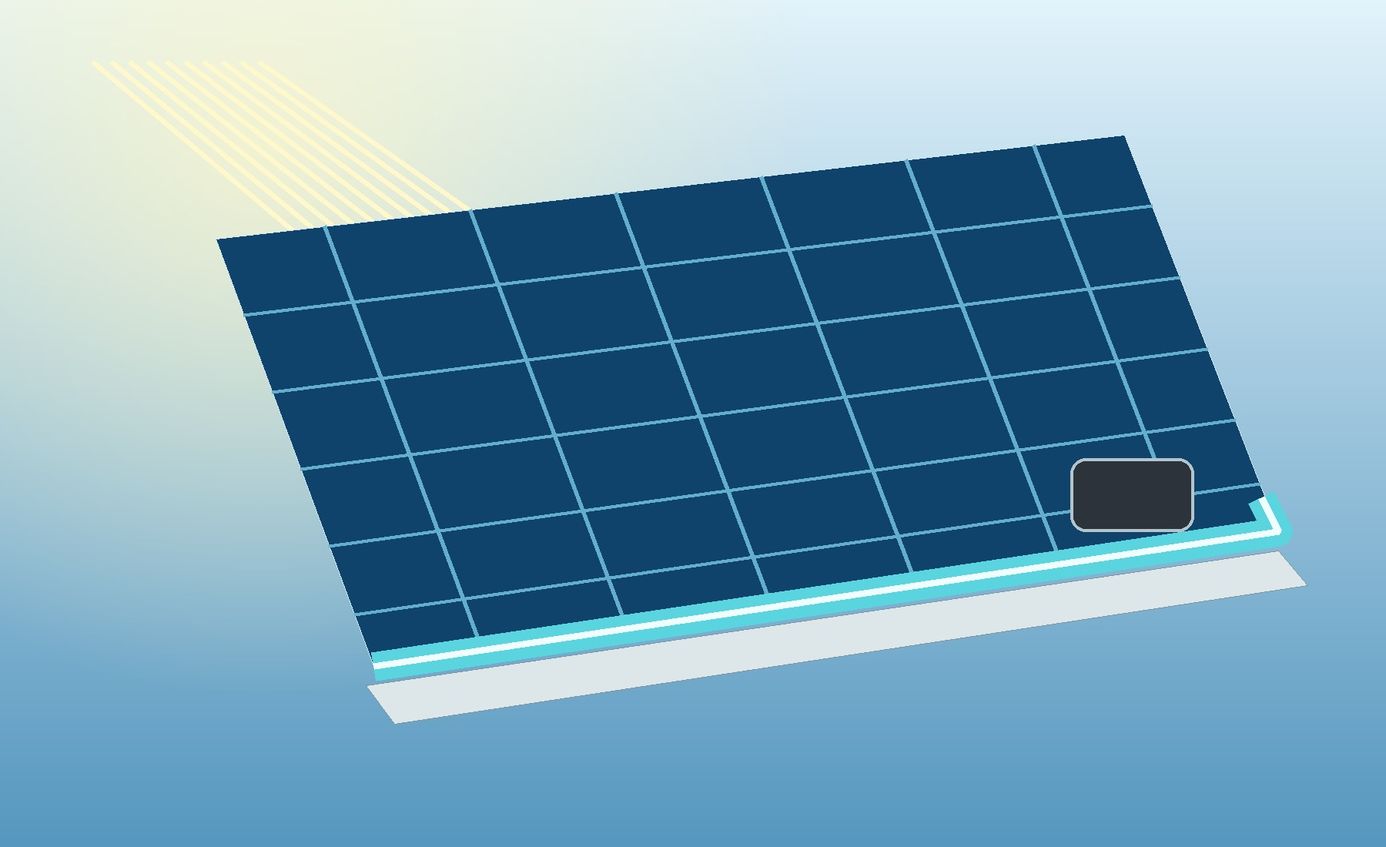 Fig. 3. A continuous hybrid-polymer bond line can be designed into photovoltaic edge and assembly interfaces where flexible sealing is part of the system concept.
Power Electronics, Potting and Protective Bonding
Power modules and electrical assemblies may use flexible encapsulation or sealing formulations to protect components from moisture and mechanical stress. Low-viscosity STPEs, silane-modified polymers and reactive diluents are especially relevant when flow, filler loading or cavity wet-out must be controlled. The formulation should be validated for dielectric, thermal, adhesion and cure requirements at the finished-compound level rather than inferred from the base prepolymer alone.
 Fig. 4. Hybrid prepolymer platforms can be formulated into potting or protective systems where flow, adhesion and cured flexibility must be balanced.
Cable, Connector and Electrical Sealing Systems
Cable accessories and electrical connections often require sealants or potting materials that remain flexible while limiting moisture pathways around mixed interfaces. Silane-modified polymer binders can be considered for such formulations when the target is a moisture-curing, elastic protective network. Specify the conductor, insulation, jacket and connector materials so adhesion and compatibility can be evaluated against the real assembly.
 Fig. 5. Cable and connector systems can use flexible sealing zones designed to protect interfaces while accommodating movement between different materials.
Wind-Energy, Composite and Industrial Assembly
Elastic bonding and coating systems used around renewable-energy hardware frequently involve metals, mineral-filled composites, coated surfaces and fiber-reinforced parts. STPE and STPU binder platforms give formulators a way to tune the balance between flexibility, cohesive strength and adhesion through backbone choice, silane functionality, filler package and cure chemistry. A useful development brief should include substrate preparation, joint geometry, expected movement and service conditions.
Quick Chemistry-to-Formulation Selection Guide
| Development Target |
Prepolymer Family to Evaluate First |
Specifications to Discuss |
| Low-modulus elastic sealant |
STPE / silane-modified polyether |
Viscosity, silane reactivity, filler loading, elastic recovery target |
| Elastic high-strength adhesive |
STPU or reinforced STPE platform |
Backbone cohesion, modulus/elongation balance, adhesion package |
| Faster moisture-cure response |
Alpha-silane or higher-reactivity STPE family |
Silane architecture, catalyst package, skin time and storage stability |
| Lower-viscosity filled formulation |
Low-viscosity STPE and/or reactive diluent |
Binder viscosity, diluent compatibility, filler wet-out, final network contribution |
| Weatherable hybrid system |
Acrylic-modified STPE or stabilized SMP platform |
UV/weather target, substrate adhesion, pigment/filler and stabilizer package |
| Potting or cavity filling |
Flowable STPE/SMP or reactive-diluent blend |
Flow, bubble control, cure depth, adhesion, final electrical/thermal requirements |
| Specialty pendant-crosslink network |
Pendant silane-modified polymer |
Crosslinkable group density, backbone, viscosity and mechanical target |
Why Source Organosilicon Prepolymers from Eata Silicon?
- Chemistry-first product matching: start with backbone, silane architecture and downstream cure route instead of relying on one broad "hybrid polymer" label.
- Specification-led sourcing: viscosity, functionalization, moisture/volatile limits, density, color and critical analytical requirements can be discussed against the real formulation need.
- Application-aware review: candidates can be screened around the actual resin system, filler package, catalyst, substrate and intended processing method.
- Search-friendly family coverage: STPE, SMP, STPU, alpha-silane, dimethoxy/trimethoxy, acrylic-modified and reactive-diluent terminology can be mapped to the chemistry behind the request.
- Project-specific development: when a standard grade is not a good fit, related organosilicon structures or a tailored specification can be evaluated.
When an off-the-shelf material does not match the required processing or cure window, Eata Silicon can evaluate a customized organosilicon prepolymer or project-specific specification. Custom requests may involve a different polymer backbone, target viscosity or molecular range, alternative silyl functionality, adjusted functionalization level, a lower-volatility profile, a reactive-diluent concept, or a material designed around a particular adhesive, sealant, coating or potting formulation objective.
For the most focused technical review, share the target structure or closest reference product, intended cure mechanism, resin and filler environment, substrate set, viscosity window, functional-group requirement, critical impurity or volatile limits, analytical acceptance criteria, expected quantity and packaging preference. Eata Silicon can then assess a suitable standard chemistry, a related analogue or a custom development pathway.
Discuss Your Organosilicon Prepolymer Requirements with Eata Silicon
Tell us the chemistry, viscosity, silane functionality, substrates and performance target you are working toward. We can review suitable organosilicon prepolymer options and customization possibilities for your formulation.
For Research or Industrial Raw Materials, Not For Personal Medical Use!