Foam is more than a surface nuisance in an industrial process. It can reduce usable vessel volume, disturb separation, complicate pumping and filtration, and make a stable formulation harder to run consistently. Silicone-based defoamer chemistry is widely selected because low-surface-tension siloxane materials can spread rapidly at the foam interface, while compatible hydrophobic particles or organo-modified structures can strengthen foam-breaking performance in demanding systems.
Eata Silicon supports formulators and industrial users with silicone raw-material options for building or optimizing antifoam and defoamer systems. The portfolio direction covers classic PDMS-based materials as well as silicone/silica compounds, water-dispersible emulsions, silicone polyethers, organo-modified siloxanes and specialty fluorosilicone foam-control chemistry. Material selection should be matched to the continuous phase, surfactant package, temperature, pH, shear, electrolyte level and the type of foam being generated.
Silicone-Based Defoamer Raw Materials
| Product Family |
Formulation Role |
Keywords |
| PDMS Silicone Fluids |
Low-surface-tension silicone phase; viscosity can be selected for compatibility and persistence. |
silicone oil defoamer raw material; non-aqueous antifoam; process foam control |
| Silicone / Silica Antifoam Compounds |
Concentrated silicone phase with finely divided or hydrophobic silica to increase foam-breaking action. |
silicone antifoam compound; hydrophobic silica defoamer; industrial defoamer concentrate |
| Aqueous Silicone Antifoam Emulsions |
Pre-dispersed silicone foam-control phase for water-based processes and formulations. |
silicone defoamer emulsion; wastewater antifoam; water-based foam control |
| Silicone Polyethers |
EO/PO-modified siloxane structures used as performance modifiers, emulsifiers or active foam-control components. |
silicone polyether defoamer; siloxylated polyether; antifoam emulsifier |
| Organo-Modified Siloxanes |
Modified silicone structures designed to tune compatibility, persistence and foam-control behavior. |
organo-modified siloxane antifoam; lubricant defoamer; specialty industrial antifoam |
| Fluorosilicone Foam-Control Fluids |
Specialty silicone chemistry for difficult non-aqueous or solvent-rich systems where conventional PDMS may be too compatible. |
fluorosilicone antifoam; petroleum foam control; non-aqueous defoamer |
| Silicone Surfactants / Performance Modifiers |
Silicone-containing modifiers that can support emulsion stability, drainage or deaeration in formulated antifoams. |
silicone surfactant for defoamer; antifoam performance modifier; emulsion stabilizer |
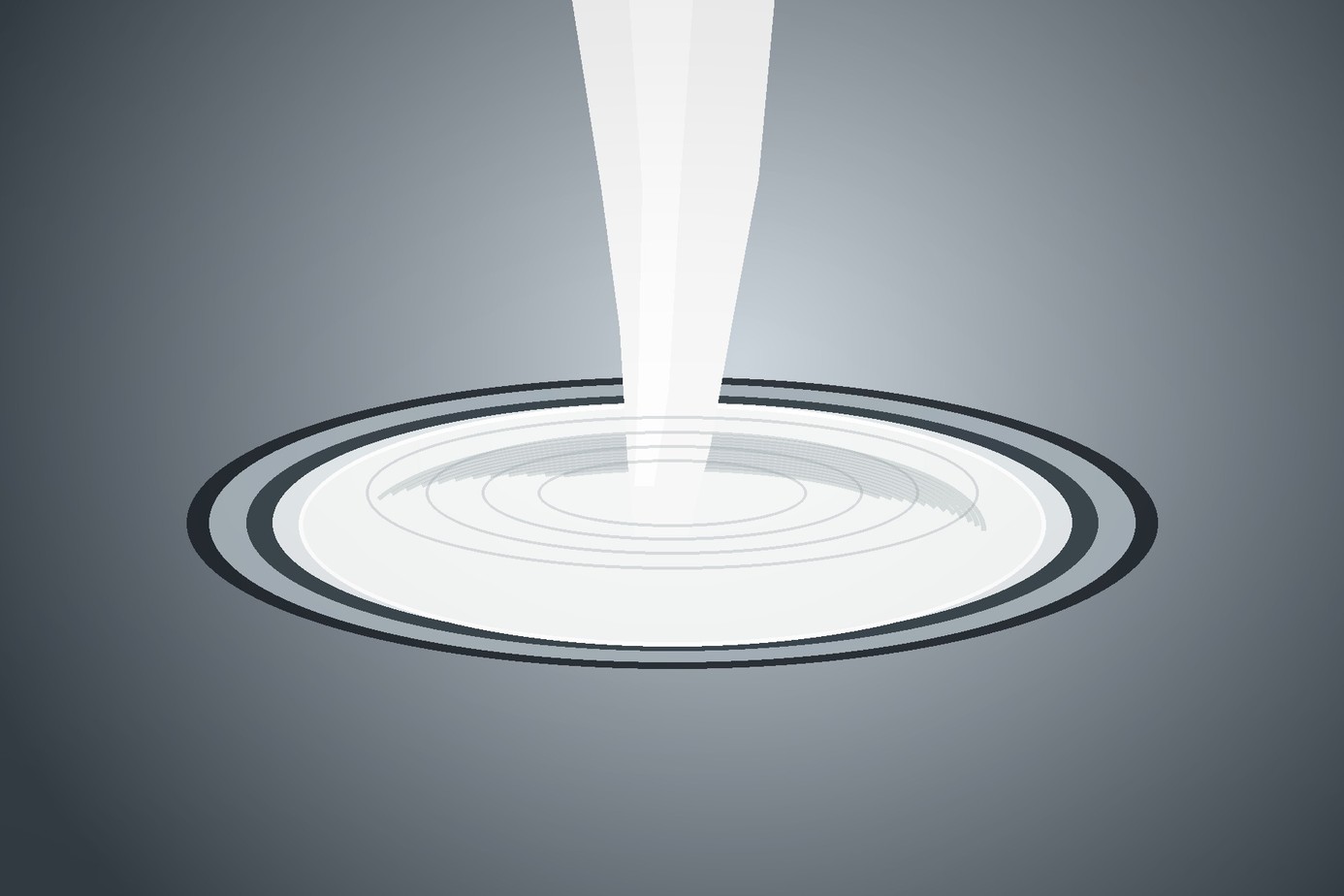
 Surface foam breaking around a calm liquid zone in a silicone-defoamer concept illustration.
Why Silicone Chemistry Is Effective in Foam-Control Formulations
A defoamer must enter a foam film quickly enough to destabilize it, yet remain sufficiently incompatible with the bulk phase to avoid simply dissolving into the system. Silicone chemistry offers a useful balance because the siloxane backbone has very low surface tension. In many commercial antifoam architectures, silica or modified-siloxane structures are added to tune spreading, entry and persistence.
- Rapid foam knockdown: silicone phases can spread quickly at air-liquid interfaces and disrupt unstable foam films.
- Antifoam persistence: properly selected silicone viscosity, particles and modifiers can help suppress foam re-formation over time.
- Flexible delivery forms: compounds, dispersions, emulsions and modified-siloxane concentrates allow formulators to work in aqueous or non-aqueous systems.
- Performance tuning: silicone polyethers and other organo-modified siloxanes give another route to adjust compatibility, emulsification, drainage and deaeration.
- Specialty non-aqueous control: fluorosilicone chemistry can be considered when conventional PDMS is too soluble or too compatible with a hydrocarbon or solvent-rich phase.
 High-active silicone emulsion concept shown entering a stainless formulation vessel.
Where Silicone-Based Defoamers Fit in Energy and Industrial Processing
Foam behavior changes with the process, so the most effective raw-material package is application dependent. The following areas are common targets for silicone foam-control technology and are especially relevant when searching for industrial antifoam raw materials.
Oil & Gas Separation
Foam in separators, crude-oil handling and gas-treatment operations can limit throughput or complicate phase separation. High-viscosity PDMS blends, organo-modified silicones and specialty fluorosilicones are among the chemistries used for non-aqueous foam control.
Process Water & Wastewater
Silicone antifoam emulsions are widely used in water-based systems where rapid dispersion and practical dosing are important. Compatibility with hardness, ionic strength and process additives should be screened.
Lubricants & Metalworking Fluids
Water-miscible lubricants and hydraulic-fluid systems may benefit from organo-modified siloxanes or silicone-polyether architectures that combine foam knockdown with controlled compatibility.
Pulp, Paper & Fiber Processing
Antifoam compounds and emulsions are used to manage foam while supporting drainage and process continuity in pulp and paper operations. Silicone performance modifiers can be part of these formulations.
Coatings, Inks & Polymer Dispersions
Foam control may be needed during high-speed mixing, pigment dispersion, let-down or application. Modified silicones can help tune the balance between efficiency and compatibility.
Chemical Manufacturing & Industrial Cleaning
Surfactants, agitation, reaction gases and recirculation can generate persistent foam. Silicone compounds or emulsions can be formulated for many aqueous and non-aqueous process streams.
 Process-water basin concept with foam concentrated away from treated flow channels.
 Oil and gas separation concept highlighting foam management in a hydrocarbon phase.
A Practical Selection Guide for Defoamer Raw Materials
| Process Condition |
Material Direction to Evaluate |
Selection Focus |
| Water-based, easy dispersion needed |
Silicone antifoam emulsion or emulsifiable silicone/silica compound |
Dispersion, emulsion stability, pH/electrolyte tolerance, spotting |
| Non-aqueous hydrocarbon or process oil |
PDMS-based blend, organo-modified silicone or specialty fluorosilicone |
Solubility in oil, persistence, thermal exposure, downstream separation |
| High-shear recirculating system |
Stable emulsion or organo-modified siloxane concentrate |
Shear stability, persistence, compatibility after extended circulation |
| High surfactant load |
Silicone/silica compound with suitable emulsification package |
Entry into foam film, surfactant compatibility, long-term hold-down |
| Lubricant or metalworking formulation |
Silicone polyether / organo-modified siloxane |
Compatibility, filtration behavior, deaeration, finish sensitivity |
| Pulp or drainage-sensitive process |
Silicone antifoam compound plus performance modifier as required |
Knockdown, persistence, drainage and emulsion stability |
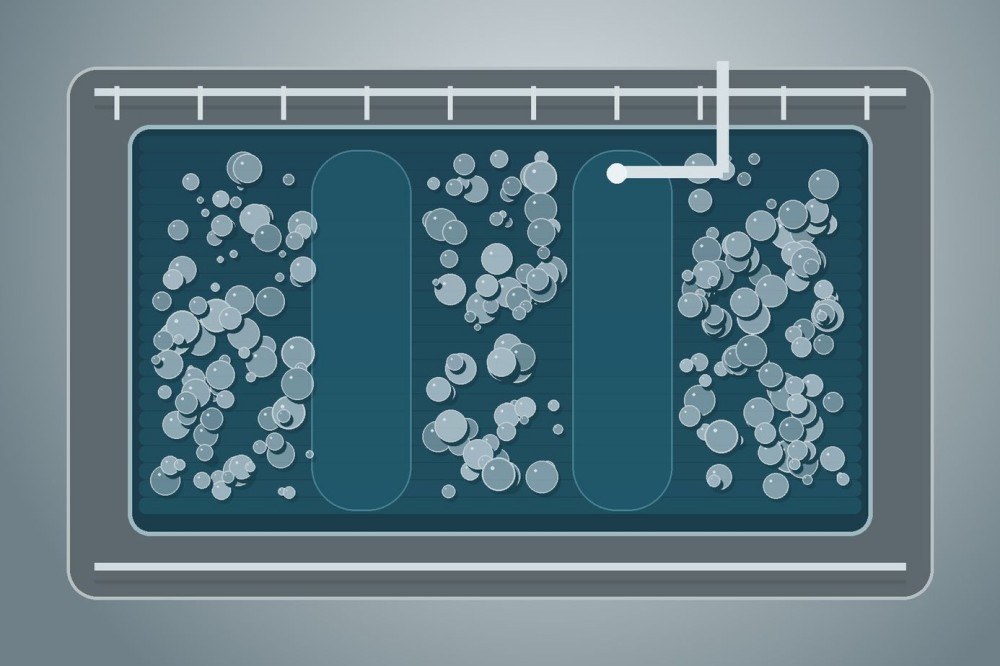
 Top-view mixing tank concept for high-shear defoamer formulation and dispersion.
Related Silicone Foam-Control Materials
Common material names used when sourcing or specifying these systems include silicone defoamer raw material, silicone antifoam compound, PDMS defoamer, silicone oil antifoam, hydrophobic silica defoamer, silicone antifoam emulsion, silicone polyether defoamer, organo-modified siloxane antifoam, fluorosilicone antifoam, wastewater defoamer raw material, oil and gas antifoam, lubricant defoamer and industrial foam-control additive.
 Specialty coating and process formulations represented as separate color systems.
Not every process is well served by an off-the-shelf foam-control package. Eata Silicon can work from the target application backward, helping define a silicone raw-material direction that fits the formulation rather than forcing the formulation around a single standard product.
- Silicone fluid viscosity or molecular-weight range selected for the target continuous phase.
- Silicone/silica compound architecture adjusted for knockdown, persistence and dispersibility goals.
- Water-dispersible or emulsion formats tailored around active content, stability and process compatibility requirements.
- Silicone polyether / organo-modified siloxane balance tuned for compatibility, deaeration or lubricant applications.
- Specialty non-aqueous foam-control options considered for hydrocarbon, solvent-rich or high-temperature process environments.
Build the foam-control package around your process
Tell Eata Silicon what is foaming, where the foam appears, the continuous phase, operating temperature, pH, shear level and your preferred product form. We can use that information to discuss a suitable silicone-based raw-material route and customization options for your formulation or industrial process.
Silicone-Based Defoamer FAQ
What is the difference between an antifoam and a defoamer?
In practical industrial language, a defoamer is often associated with breaking existing foam, while an antifoam is intended to prevent or suppress foam formation. Many silicone foam-control materials are formulated to provide both functions, so the terms frequently overlap in commercial use.
Why is silica used in some silicone antifoam compounds?
Finely divided or hydrophobic silica can work with the silicone phase to improve foam-breaking efficiency. Commercial silicone antifoam compounds commonly combine PDMS, silica and, in some formulations, silicone surfactants or other modifiers.
When would a silicone polyether or organo-modified siloxane be preferred?
Modified siloxanes are useful when the formulation needs a different compatibility profile than a conventional silicone oil. They are widely used in specialty antifoams, lubricant systems, water-miscible fluids and as performance modifiers in formulated antifoams.
Can silicone defoamers be used in both water-based and oil-based systems?
Yes, but the product architecture is different. Aqueous systems often use silicone emulsions or emulsifiable compounds, while non-aqueous systems may use neat silicone fluids, formulated blends, organo-modified silicones or specialty fluorosilicones. Compatibility testing is essential.
Can Eata Silicon customize silicone defoamer raw materials?
Yes. Customization can be discussed around the silicone chemistry, viscosity, active form, emulsion or dispersion format, compatibility target and the specific foam-control requirement of the process.
For Research or Industrial Raw Materials, Not For Personal Medical Use!