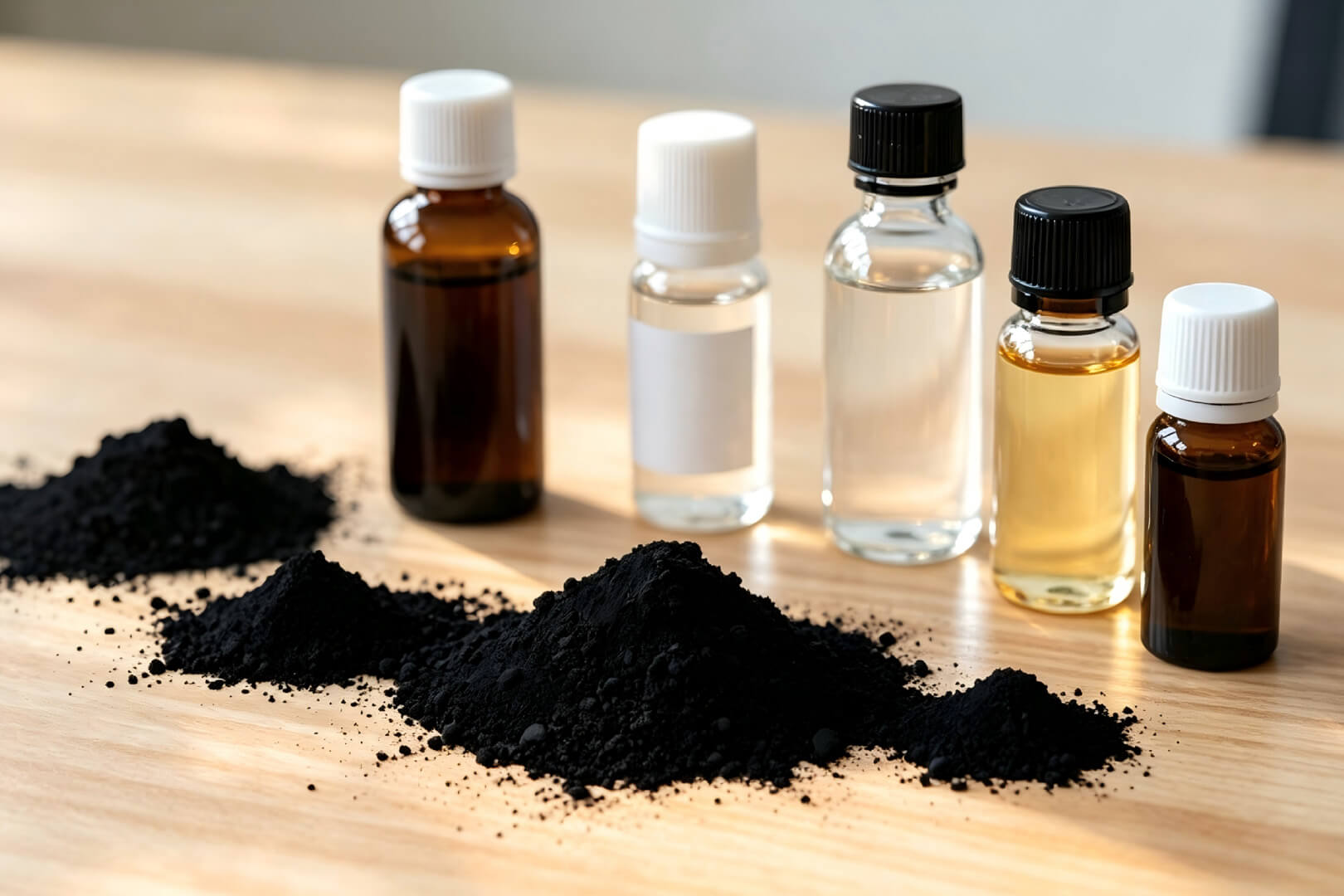
Cosmetic-grade silicone resins are networked polysiloxane and silsesquioxane materials selected when a formulation needs a more durable film, stronger transfer or wash-off resistance, tailored gloss, improved pigment adhesion, or a controlled dry feel. Eata Silicon supplies resin chemistries and resin-carrier systems for formulators who need to tune film hardness, flexibility, optical character, powder texture and compatibility from the raw-material level.
Resin selection is easier when the structure and delivery format are considered together. MQ-type trimethylsiloxysilicate is widely used as a strong film former; organosilsesquioxane or T-resin systems can shift film flexibility or powder aesthetics; resin-gum hybrids can produce more flexible film behavior; and phenyl-containing resins are useful when gloss and refractive index become important. The carrier—such as isododecane, dimethicone or another compatible medium—also changes incorporation, dry-down and formulation feel.
Why Silicone Resins Matter in Formulation
Silicone resins are structurally different from linear silicone fluids. A fluid mainly changes spread, slip and viscosity, while a three-dimensional resin network can remain on the substrate as a coherent film or contribute a dry, powder-like sensory effect. This makes resin chemistry especially useful when the finished system has to balance durability with comfort and aesthetics.
- Film formation: selected MQ and resin-gum systems are used to build continuous films after carrier evaporation or formulation set.
- Transfer and wash-off resistance: hard or semiflexible resin networks are commonly screened for long-wear and rub-resistance targets.
- Sebum and oil resistance: resin chemistry and film architecture can help reduce color movement in oil-rich environments.
- Gloss and optical design: phenyl-containing silicone resins can raise refractive index and support high-shine formulation concepts.
- Texture modification: spherical polymethylsilsesquioxane powders are used as texture modifiers and soft-focus components.
- Carrier flexibility: the same or related resin can be supplied neat or in volatile and non-volatile carriers to suit different processing routes.
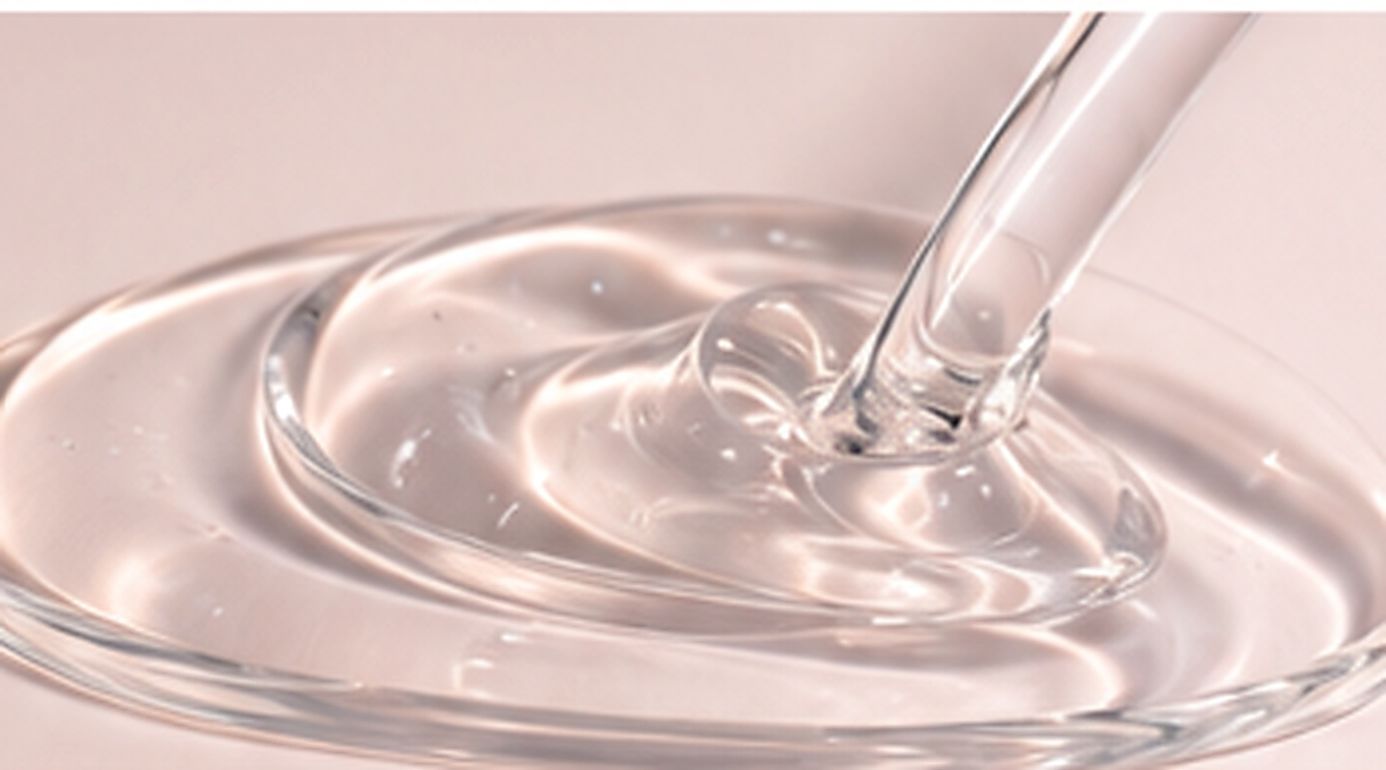 Figure 1. Transparent silicone-resin solution concept for film-forming formulation work.
Cosmetic-Grade Silicone Resin Product Families
The families below are useful search terms for technical purchasing and formulation screening. Commercial grades vary by solids content, carrier, molecular architecture and performance profile, so final selection should be based on the actual specification sheet and compatibility testing rather than the INCI name alone.
| Product family |
Common INCI or chemistry |
Typical commercial format |
What formulators commonly screen |
| MQ silicone resin |
Trimethylsiloxysilicate |
Neat resin, solid/flakes, or solution/dispersed format |
Film hardness, transfer resistance, wash-off resistance, tack, carrier compatibility |
| MQ/T resin blend |
Trimethylsiloxysilicate + Polypropylsilsesquioxane |
Solid/flaked blend or carrier solution |
Durability with more flexible film behavior, comfort, water/oil resistance |
| Silicone resin gum |
Trimethylsiloxysilicate/Dimethiconol Crosspolymer |
Commonly supplied in isododecane or low-viscosity dimethicone |
Film flexibility, rub resistance, sebum resistance, clear-film behavior |
| Silsesquioxane resin powder |
Polymethylsilsesquioxane |
Fine white spherical powder |
Dry touch, texture, slip, powder feel, optical soft-focus direction |
| Phenyl silicone resin |
Polyphenylsilsesquioxane |
Liquid resin |
Refractive index, shine/radiance, color value, compatibility |
| Phenyl siloxysilicate resin |
Phenylpropyldimethylsiloxysilicate |
Non-volatile liquid resin |
High gloss, film formation, adhesion, organic/silicone compatibility |
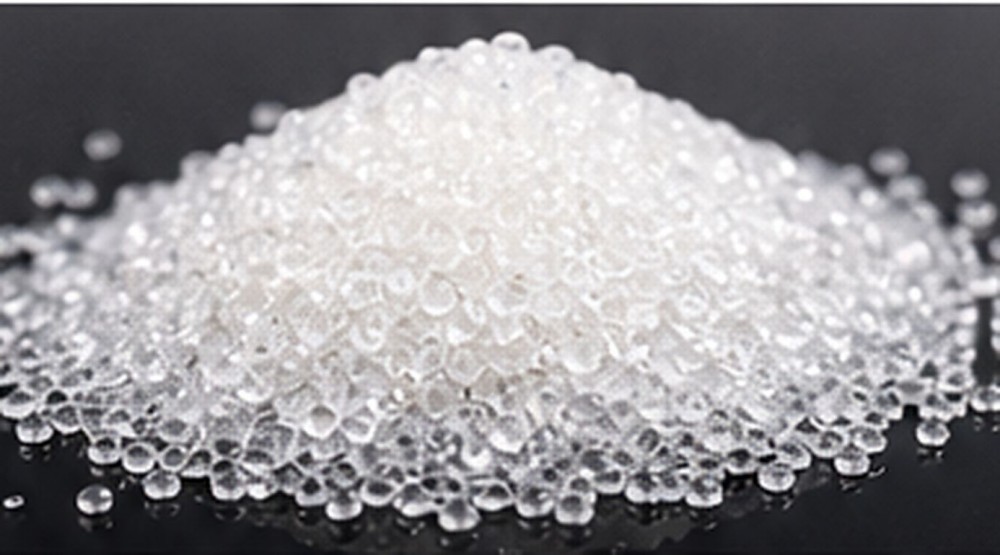 Figure 2. Solid resin format shown as translucent granules before carrier selection.
MQ Resin and T-Resin: The Structural Difference
MQ resins are commonly described as silicone networks built from monofunctional M units and tetrafunctional Q units. Trimethylsiloxysilicate is the best-known personal-care example. Commercial MQ materials are offered at different resin concentrations, with different carriers and with different film-strength profiles, giving formulators a practical way to choose between stronger dry films and softer, more flexible systems.
T-resins are based on trifunctional silsesquioxane units. Propyl-, methyl- and phenyl-substituted silsesquioxanes appear in commercial personal-care portfolios because changing the organic group and resin architecture can shift film flexibility, texture, optical behavior and compatibility. Blending MQ and T-resin concepts is one route used to balance durability with a less brittle film.
Trimethylsiloxysilicate: A Core Film-Former Keyword
Trimethylsiloxysilicate is one of the most searched silicone-resin names in color cosmetics, skin-care and sun-care formulation. Commercial supplier literature positions it as a film former that can improve transfer resistance, wash-off resistance, water repellency and sebum resistance. It is available as neat resin as well as solutions or dispersions in carriers such as isododecane, cyclopentasiloxane, methyl trimethicone and low-viscosity dimethicone.
For an RFQ, the INCI name is only the starting point. Ask for resin concentration or active content, carrier identity, viscosity, appearance, film hardness or flexibility, cyclic-content targets when relevant, and compatibility with the rest of the oil phase. These variables can produce very different processing and sensory results even when trimethylsiloxysilicate appears on every candidate specification.
Polypropylsilsesquioxane and MQ/T Blends
Polypropylsilsesquioxane is a T-resin chemistry used in film-forming systems and is also combined with trimethylsiloxysilicate in commercial MQ/T resin products. This combination is useful when a project needs strong resistance properties but the film must remain more comfortable and flexible than a very hard resin-only system.
Resin-Gum Hybrids for Flexible Film Design
Trimethylsiloxysilicate/Dimethiconol Crosspolymer combines silicone-resin and silicone-gum characteristics. Commercial versions are supplied in carriers such as isododecane or low-viscosity dimethicone and are positioned for flexible films, long wear, transfer resistance, rub resistance and sebum or water repellency. These grades are useful screening candidates when a conventional hard MQ film feels too rigid for the formulation target.
Powder-Form Silicone Resins for Texture Control
Not every silicone resin is selected primarily for film formation. Polymethylsilsesquioxane is commonly supplied as a white spherical powder and used as a texture modifier. In powder, anhydrous and emulsion systems, the morphology of the particles can influence slip, dry feel, visual soft focus and the way the powder phase blends with pigments, fillers and oils.
When comparing polymethylsilsesquioxane powder grades, useful purchasing variables include average particle size, particle-size distribution, spherical morphology, apparent and true density, volatile content, surface treatment if any, oil absorption, dispersibility and compatibility with the intended binder or emollient package. These details matter more than simply specifying "silicone powder."
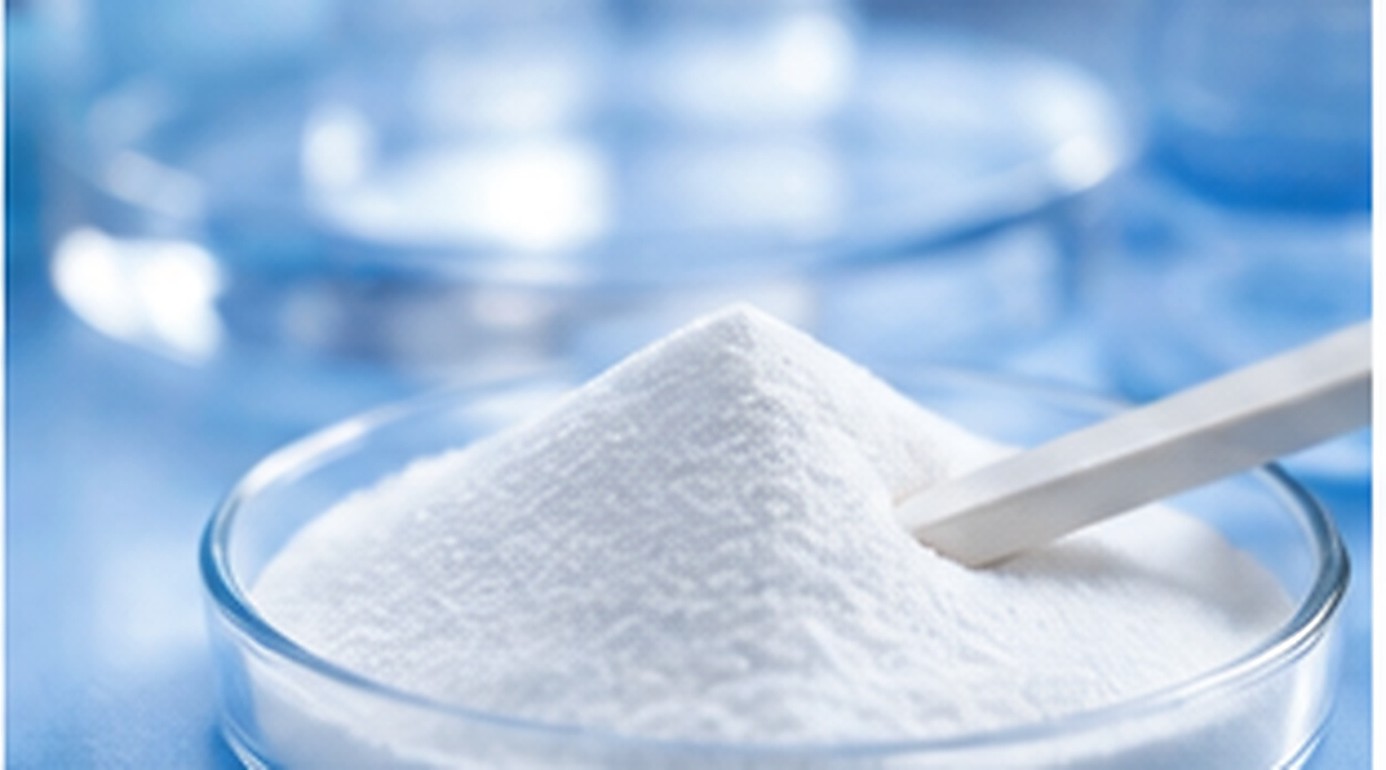 Figure 3. Fine silicone resin powder concept for texture and soft-focus formulation routes.
Phenyl-Modified Silicone Resins for Gloss and Optical Design
Phenyl substitution changes the optical and compatibility profile of silicone materials. Commercial examples include liquid polyphenylsilsesquioxane and phenylpropyldimethylsiloxysilicate film formers. Supplier literature highlights high refractive index, gloss or radiance, good adhesion and compatibility with both silicone and selected organic materials as key reasons to evaluate these chemistries.
For shine-driven formulations, refractive index should be considered alongside viscosity, non-volatiles, film formation, color, carrier compatibility and migration behavior. A high-gloss resin can be valuable in lip, hair or color-cosmetic concepts, but the best visual effect still depends on the full formulation, pigment package and film thickness.
Choose the Delivery Format as Carefully as the Resin
A resin supplied as a solid, flake, powder or carrier solution will behave differently during manufacturing. The same formulation objective can therefore lead to different raw-material choices depending on available mixing equipment, temperature limits, solvent strategy and desired dry-down profile.
| Format |
Why formulators choose it |
Key questions before purchase |
| Neat / solid resin |
Maximum flexibility to build the carrier system in-house. |
How will the resin be dissolved or dispersed? What temperature and mixing conditions are available? |
| Isododecane solution |
Fast-drying route commonly used for long-wear film systems. |
Required resin solids? Flash point and handling needs? Compatibility with oils, pigments and waxes? |
| Low-viscosity dimethicone solution |
Non-volatile silicone carrier with easy silicone-phase compatibility. |
Final viscosity, sensory target and compatibility with non-silicone ingredients? |
| Methyl trimethicone / volatile silicone solution |
Silicone carrier with rapid spread and controlled evaporation profile. |
Dry-down speed, regional carrier preferences and full-formula compatibility? |
| Fine spherical powder |
Texture, slip and optical modification without relying on a continuous film. |
Particle size, morphology, dispersion, oil absorption and powder-phase feel? |
 Figure 4. Flowing carrier/resin blend concept for liquid-format incorporation.
Application Directions
Silicone-resin selection should follow the performance target rather than the product format alone. A foundation and a hair styling product may both use a film-forming resin, yet their preferred film hardness, gloss, flexibility and carrier system can be very different. Typical development directions include:
| Development area |
Silicone-resin directions to screen |
Typical formulation questions |
| Foundation, concealer and complexion products |
MQ resin, MQ/T blends, resin-gum hybrids, silicone resin powders |
How much transfer resistance is needed? Matte or radiant finish? How flexible should the film feel? |
| Lip and high-gloss color systems |
Phenyl siloxysilicate, polyphenylsilsesquioxane, selected MQ systems |
Target shine, adhesion, migration control, oil compatibility and film comfort? |
| Mascara and eyeliner concepts |
Trimethylsiloxysilicate and resin blends |
Rub resistance, water resistance, pigment adhesion, dry time and flake resistance? |
| Powders and soft-focus textures |
Polymethylsilsesquioxane and silicone composite powders |
Particle feel, pickup, slip, optical blur and compatibility with binders? |
| Skin and sun-care film systems |
MQ resins, flexible resin blends and resin-gum systems |
Wash-off resistance, tack, spread, clarity and compatibility with the oil/active phase? |
| Hair styling and shine systems |
Flexible silicone film formers and phenyl-modified resins |
Hold vs. flexibility, shine, anti-frizz direction, deposition and compatibility with other polymers? |
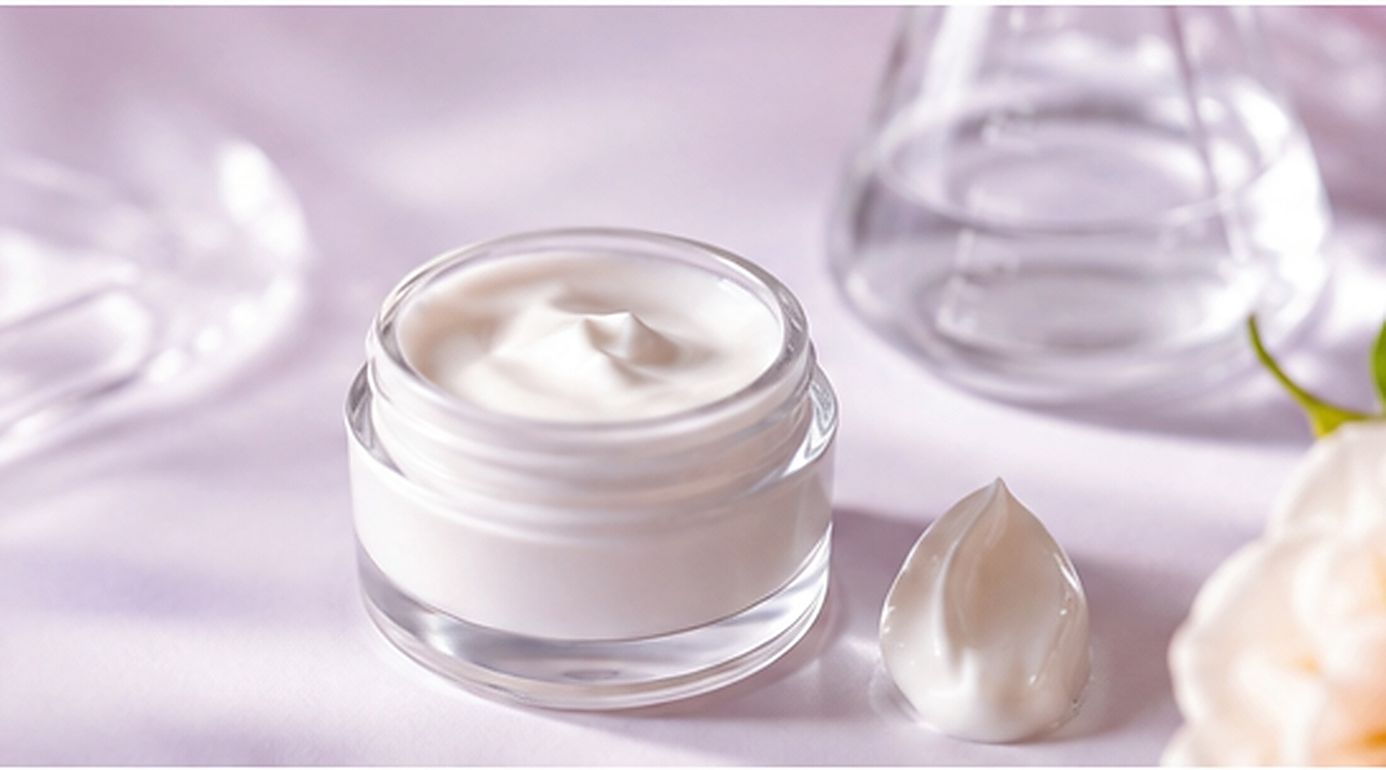 Figure 5. Finished-formulation concept illustrating how resin selection can influence the final texture.
Standard grades are a useful starting point, but film-forming and texture requirements often become specific once a formulation moves into optimization. Eata Silicon can review custom directions around resin chemistry, resin solids, carrier system, viscosity, MQ/T balance, phenyl functionality, powder particle profile, appearance, compatibility objectives and project-specific analytical limits.
For the fastest technical review, send the closest reference material or INCI, the intended formulation type, target film or texture behavior, preferred carrier, critical compatibility concerns and any measurable acceptance limits. We can then evaluate a standard grade, a close alternative or a tailored raw-material route for the project.
Discuss your Cosmetic-Grade Silicone Resin requirements with Eata Silicon.
Share your target chemistry, carrier, performance profile and key specification limits for a product recommendation or custom-development review.
For Research or Industrial Raw Materials, Not For Personal Medical Use!