Arylsilane monomers occupy a distinctive position in organosilicon chemistry. By attaching one or more aromatic rings directly to a silicon atom, these compounds merge the versatile reactivity of silicon with the rigidity, thermal endurance, and optical character of the aryl group. Eata Silicon offers a focused portfolio of arylsilane monomers — from phenyl-functional alkoxysilanes and chlorosilanes to aryl hydrosilanes and silanols — serving both research laboratories and industrial manufacturers.
Whether you are formulating a high-refractive-index LED encapsulant, developing a heat-resistant phenyl silicone resin, or running a silicon-based cross-coupling reaction, consistent monomer quality decides the outcome. Every arylsilane we ship is accompanied by a certificate of analysis, and our technical team is ready to help you match the right structure to your process.
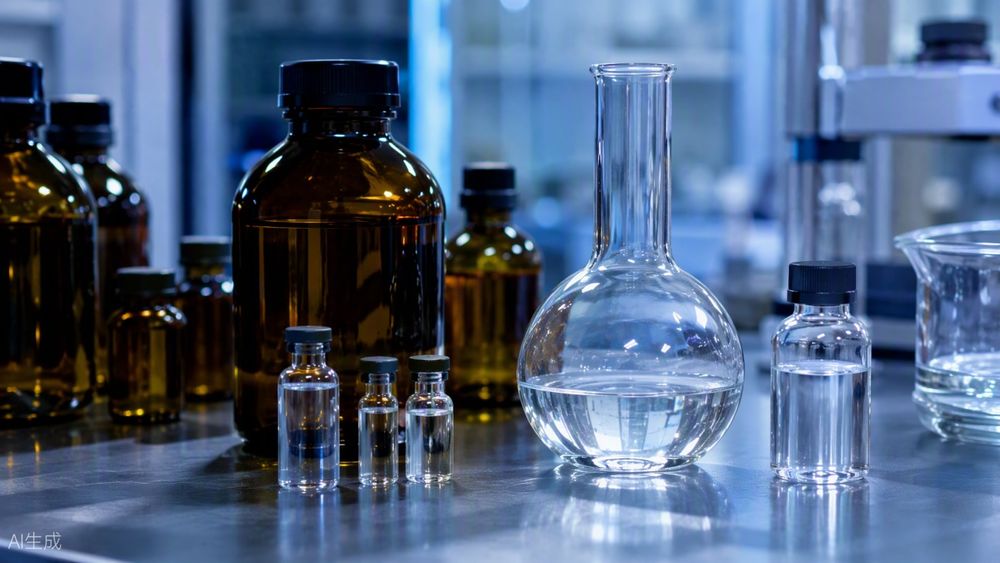 High-purity arylsilane monomers are supplied as clear liquids in moisture-protected packaging.
What Are Arylsilane Monomers?
Arylsilanes are organosilicon compounds in which at least one aryl group — most commonly phenyl — is bonded directly to silicon through a stable Si-C linkage. The remaining valences on silicon can carry hydrolyzable or reactive functionalities such as methoxy, ethoxy, chloro, hydride (Si-H), or hydroxyl groups, and it is precisely this combination that makes arylsilanes such adaptable monomers. Condensation of aryl alkoxysilanes or silanols builds phenyl-rich siloxane backbones; aryl hydrosilanes participate in hydrosilylation and dehydrogenative coupling; aryl chlorosilanes act as reactive intermediates for further derivatization. A single molecular platform therefore supports resin production, polymer modification, surface chemistry, and fine-chemical synthesis at the same time.
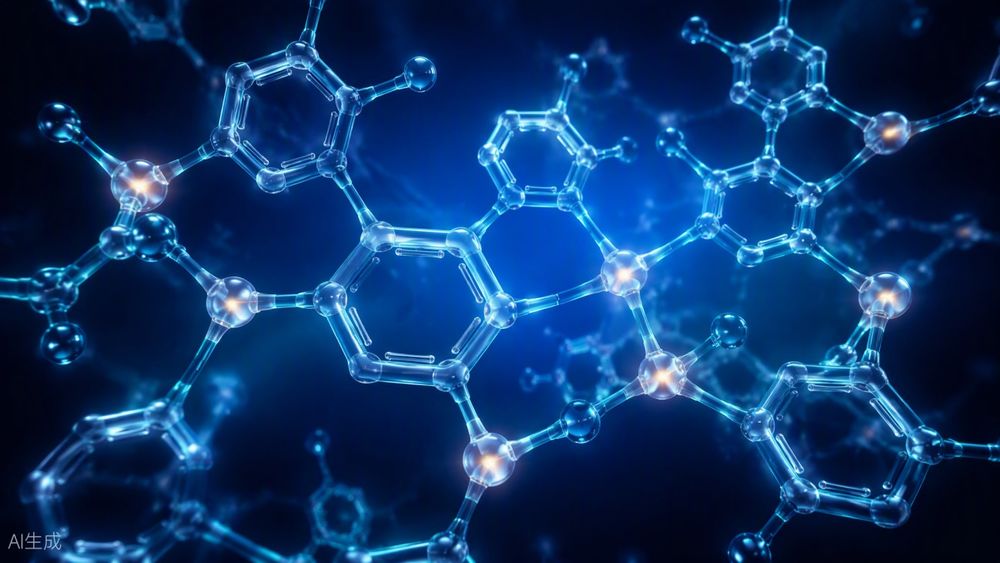 The aryl group bonded directly to silicon gives these monomers their distinctive thermal and optical behavior.
Why the Aryl Group Matters
Replacing alkyl substituents with aromatic rings changes the performance profile of the resulting material in several decisive ways:
- Elevated thermal stability — phenyl substitution raises the decomposition and long-term service temperatures of derived resins, fluids, and elastomers, opening the door to high-temperature operating environments.
- High refractive index — aromatic content pushes the refractive index of silicone materials upward, a decisive parameter for optical encapsulants, lenses, and waveguide structures.
- Radiation and UV resistance — aryl groups absorb and dissipate energy more effectively than alkyl chains, improving durability under harsh light and radiation exposure.
- Hydrophobicity and chemical resistance — phenyl-rich surfaces repel water and withstand solvents, which translates into protective, easy-to-clean coatings.
- Tunable compatibility — phenyl units bridge the polarity gap between silicones and organic resins, broadening formulation options in hybrid systems.
Core Applications
Phenyl Silicone Resins, Fluids, and Elastomers
Arylsilane monomers are the basic raw materials behind advanced silicone products such as phenyl silicone resin, phenyl silicone oil, and phenyl-modified elastomers. These materials show up wherever heat, oxidation, or mechanical stress would defeat ordinary silicones — high-temperature coatings, electrical insulation, release agents, and specialty lubricants among them.
Optoelectronics and LED Encapsulation
High-brightness LEDs demand encapsulants that stay clear under intense light and junction heat. Phenyl-functional siloxanes derived from arylsilane monomers deliver refractive indices well above those of methyl silicones, cutting light extraction losses while resisting yellowing over the device lifetime. The same chemistry serves optical adhesives, lenses, and display materials.
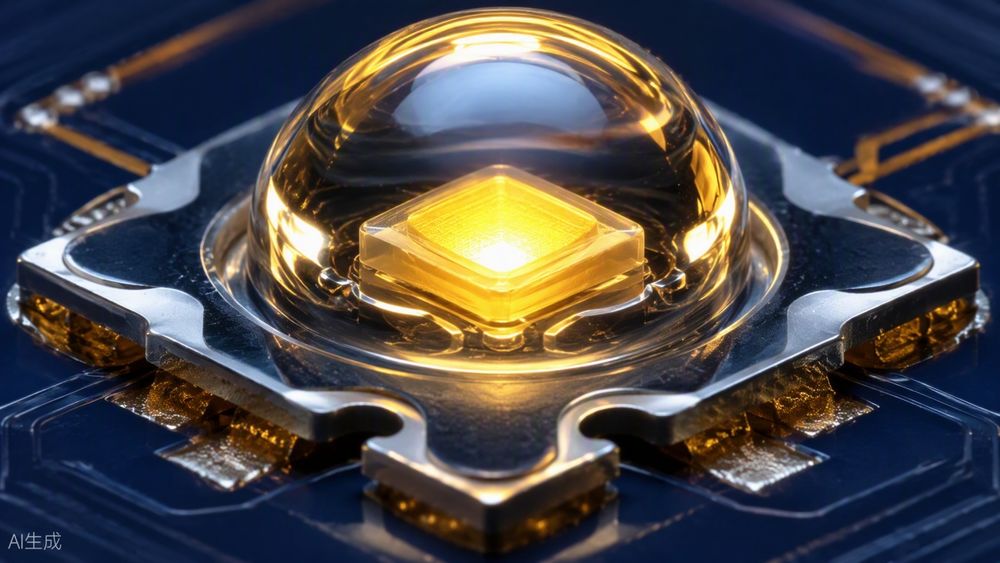 Phenyl-functional silicones derived from arylsilane monomers are widely used in high-brightness LED encapsulation.
Organic Synthesis and Cross-Coupling Chemistry
In the synthesis laboratory, arylsilanes are valued as stable, low-toxicity aryl transfer reagents. Hiyama-type cross-coupling reactions use fluoride or base activation to form biaryl bonds under mild conditions, and aryl hydrosilanes serve as chemoselective reducing agents and hydrosilylation partners. Researchers in fine-chemical and materials science rely on well-defined arylsilane building blocks to construct complex molecules with precision.
Surface Modification and Semiconductor Processing
Aryl alkoxysilanes bond covalently to hydroxylated surfaces — glass, silica, metal oxides, and wafers — forming durable organic layers that tune adhesion, wettability, and corrosion resistance. In semiconductor manufacturing, such surface treatments improve interfacial reliability between inorganic substrates and organic resists, encapsulants, or packaging compounds.
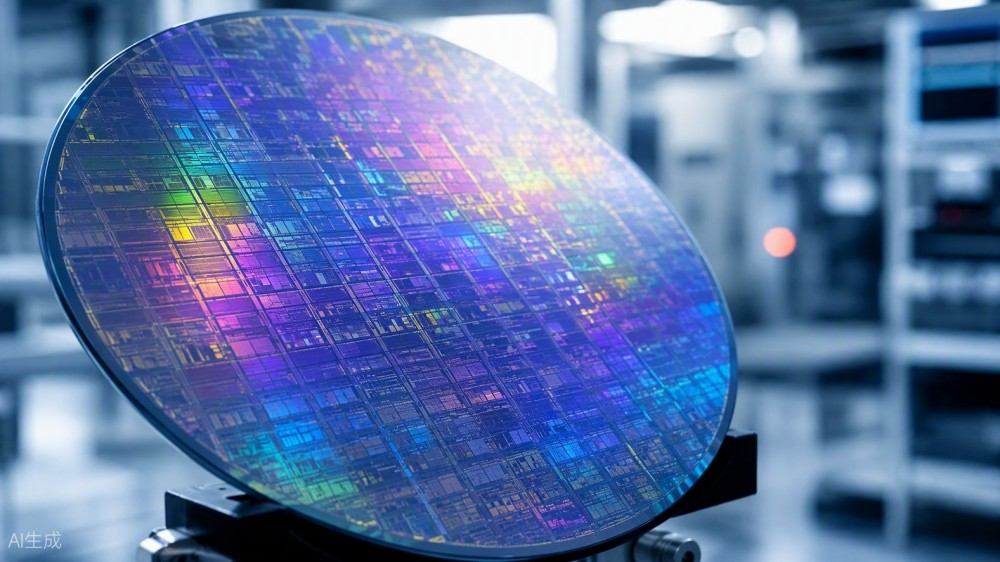 Aryl alkoxysilanes act as surface modifiers and adhesion promoters in semiconductor and electronics manufacturing.
Protective Coatings and Composite Materials
As coupling agents and resin modifiers, arylsilane monomers strengthen the interface between inorganic fillers and organic matrices. The result is composite materials and coatings with better mechanical integrity, moisture resistance, and long-term stability in automotive, aerospace, and electronic assembly applications.
Representative Arylsilane Monomers
The table below lists frequently requested products from our arylsilane range. Many more structures — including substituted aromatic rings, mixed alkyl-aryl silanes, and functionalized derivatives — are available; contact us for the full catalog.
| Product Name |
CAS No. |
Silicon Functionality |
Typical Use |
| Phenyltrimethoxysilane |
2996-92-1 |
Trimethoxy |
Crosslinker for phenyl silicone resins; surface treatment |
| Phenyltriethoxysilane |
780-69-8 |
Triethoxy |
High-temperature elastomers; electron donor in polymerization |
| Diphenyldimethoxysilane |
6843-66-9 |
Dimethoxy, diphenyl |
Phenyl resin and fluid synthesis; refractive index modifier |
| Diphenyldiethoxysilane |
2553-19-7 |
Diethoxy, diphenyl |
Polymer modifier; high-phenyl-content siloxanes |
| Methylphenyldimethoxysilane |
3027-21-2 |
Dimethoxy, methyl-phenyl |
Intermediate for phenyl silicone polymers |
| Methoxytriphenylsilane |
1829-41-0 |
Monomethoxy, triphenyl |
End-capping and functionalization reagent |
| Phenyltrichlorosilane |
98-13-5 |
Trichloro |
Reactive intermediate for phenyl silanes and resins |
| Diphenyldichlorosilane |
80-10-4 |
Dichloro, diphenyl |
Silicone resin intermediate |
| Phenylsilane |
694-53-1 |
Si-H (trihydride) |
Reducing agent; hydrosilylation monomer |
| Diphenylsilane |
775-12-2 |
Si-H (dihydride) |
Dehydrogenative coupling; polysilane precursor |
| Diphenylsilanediol |
947-42-2 |
Silanol |
Sol-gel and resin synthesis; optical materials |
| Triphenylsilanol |
791-31-1 |
Silanol, triphenyl |
Intermediate for specialty organosilicon synthesis |
Quality You Can Verify
Purity is confirmed by gas chromatography, and structural identity is verified by NMR spectroscopy for every production lot. Moisture-sensitive items are handled and packed under dry inert gas, then sealed in amber glass or fluorinated containers to protect them through transit and storage. Standard pack sizes run from a few grams for screening work to multi-kilogram drums for production, and each shipment carries a lot-specific certificate of analysis covering appearance, assay, and key impurity limits.
Not every project fits a catalog entry. If you need an arylsilane with a specific substitution pattern, an unusual hydrolyzable group, a defined purity grade, or a deuterated or labeled analogue, our custom synthesis service can build it for you. We support projects from milligram-scale route scouting through kilogram-scale supply, work under confidentiality agreements when required, and provide full analytical documentation for every custom batch. Tell us the structure or the target property — our chemists will propose a practical route.
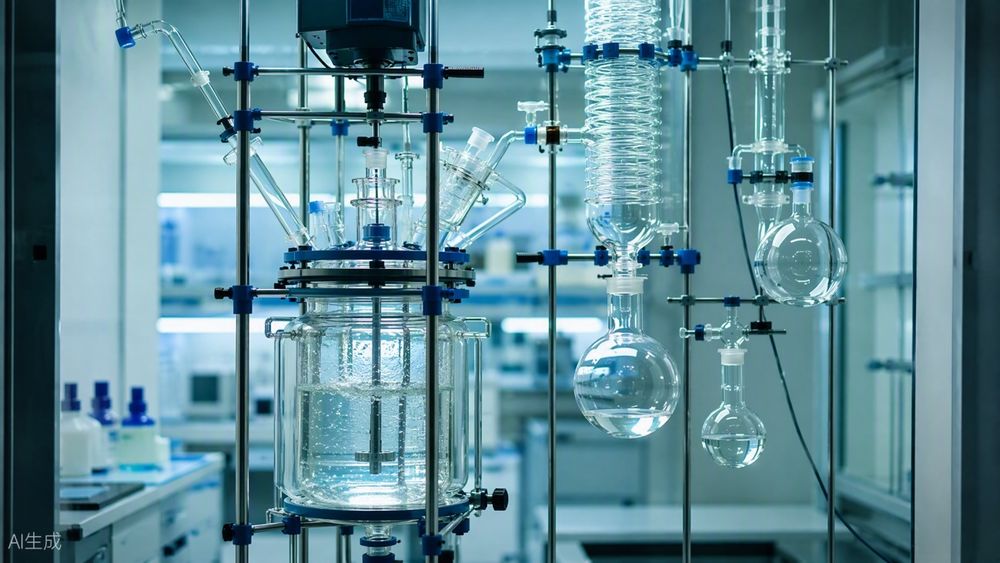 Custom arylsilane structures can be developed and scaled from gram to kilogram quantities.
For Research or Industrial Raw Materials, Not For Personal Medical Use!