Electrical insulation must keep working while equipment sees heat, moisture, ozone, mechanical movement and changing electric fields. Silicone rubber is widely used in power transmission, cable systems and protected electrical assemblies because suitable grades combine dielectric behavior with elasticity, weather resistance and a naturally water-repellent surface.
Eata Silicon supports specification-led sourcing of insulating silicone rubber materials, from HCR/HTV and LSR compounds to silicone base polymers and formulation building blocks. Instead of treating every electrical-grade silicone as interchangeable, we help buyers compare cure chemistry, processing route, hardness or viscosity, tracking and erosion requirements, thermal exposure and the final insulation geometry.
Why Silicone Rubber Is Chosen for Electrical Insulation
Electrical-grade silicone elastomers are not defined by a single number. Current supplier portfolios emphasize a combination of electrical insulation, mechanical integrity, thermal stability, environmental resistance and processability. For outdoor high-voltage systems, specialized grades also focus on tracking and erosion resistance together with a hydrophobic surface that helps interrupt continuous wet pollution films and limit leakage-current pathways.
The balance is grade-specific: a flexible cable compound, an injection-moldable insulator material and an RTV coating may all be called insulating silicone rubber, yet their processing and qualification targets can be very different. Numerical properties should always be confirmed against the technical data for the exact grade being evaluated.
| Selection Area |
What Buyers Commonly Compare |
| Dielectric behavior |
Dielectric strength, volume resistivity, dielectric constant and loss characteristics. |
| Surface performance |
Hydrophobicity, tracking/erosion resistance and wet-environment behavior. |
| Mechanical window |
Hardness, tensile strength, elongation, tear resistance and set behavior. |
| Thermal & weathering |
Heat/cold exposure, UV, ozone, moisture and aging performance. |
| Manufacturing fit |
Extrusion, injection molding, compression molding, calendering, coating or casting. |
Selection rule
Start with the finished component and the manufacturing process, then define the electrical and mechanical targets around that real operating environment—not around the phrase "high dielectric silicone rubber" alone.
Material Families Used in Insulation Projects
| Material Family |
Typical Form |
Common Processing |
Insulation Direction |
| HCR / HTV silicone rubber |
High-consistency, heat-cured compound |
Extrusion, compression/injection molding, calendering |
Composite insulators, wire and cable, molded electrical parts |
| Liquid silicone rubber (LSR) |
Pumpable two-part elastomer, typically addition-cured |
Injection molding |
Cable accessories, insulator housings, precision electrical parts |
| RTV-2 silicone rubber |
Two-part room-temperature-curing or heat-accelerated system |
Casting, potting, selected molding routes |
Cable joints/terminations, housings, encapsulation and field-applied systems |
| RTV-1 / HVIC silicone |
One-part moisture-curing silicone coating |
Spray/brush/coat application |
Existing insulator surfaces and high-voltage insulator coatings |
| Electrical-grade silicone base / VMQ gum |
Uncatalyzed high-molecular-weight silicone base for compounding |
Internal mixing, two-roll mill, extrusion/molding after compounding |
Custom HCR insulation formulations |
| Ceramifying / fire-resistant silicone compound |
Specialty high-consistency cable compound |
Extrusion |
Safety cable and circuit-integrity cable designs |
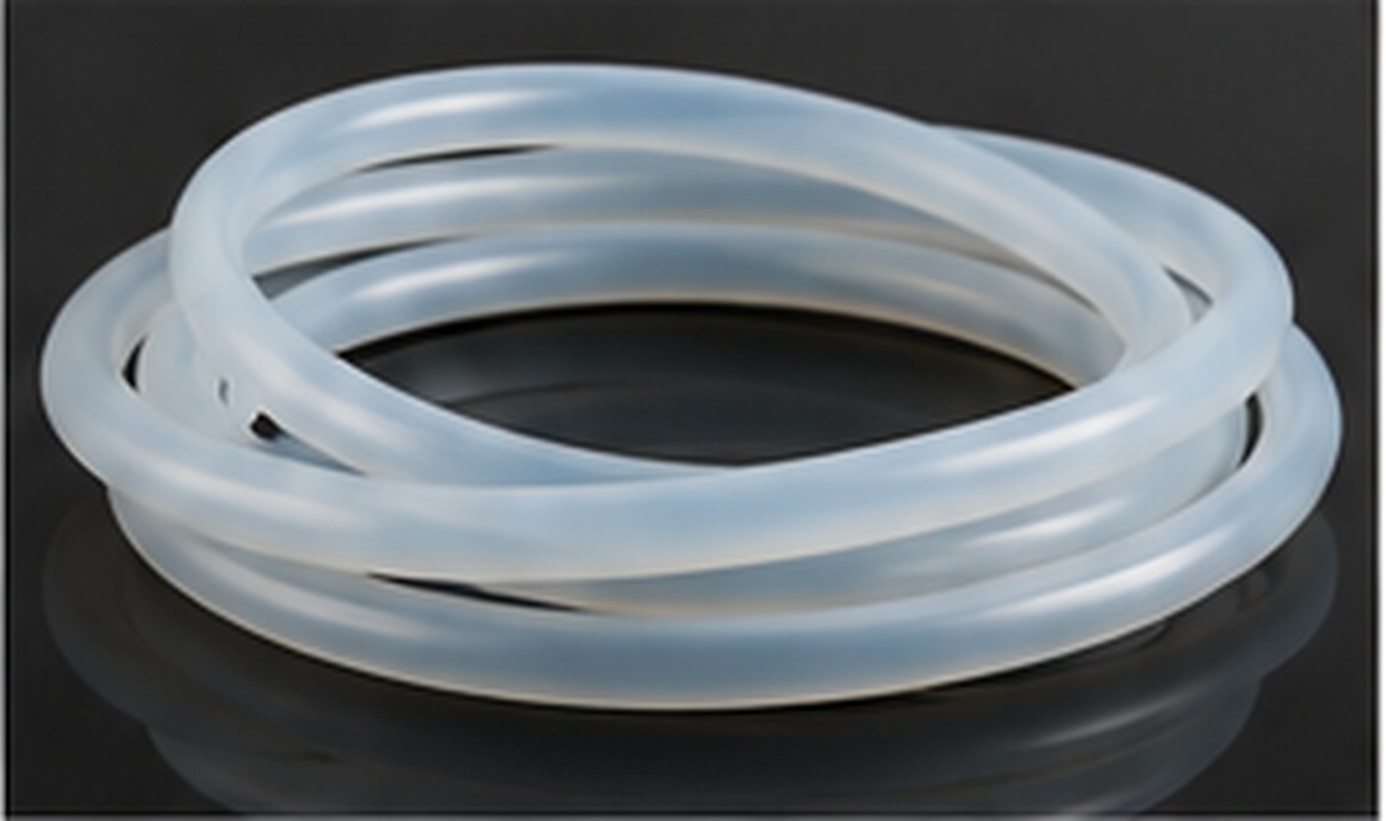 Fig. 1. Extruded silicone tubing demonstrates the flexible, continuous geometries used for sleeving and protective insulation.
Representative Raw Materials
| Representative Materials |
Role in the Material System |
What to Define in an RFQ |
| Methyl vinyl silicone rubber gum / VMQ gum |
High-molecular-weight HCR polymer base |
Vinyl content, plasticity or molecular range, volatile profile, compounding behavior |
| Vinyl-terminated PDMS |
Base polymer for many addition-cure silicone elastomers |
Viscosity, vinyl equivalents, low-volatiles profile, compatibility |
| Hydride-functional silicone / Si-H crosslinker |
Crosslinking component in platinum-cure systems |
Si-H content, viscosity, stoichiometry and base-polymer compatibility |
| Treated fumed silica |
Reinforcing filler used to build mechanical strength |
Surface treatment, surface area, dispersion and rheology impact |
| Electrical-grade HCR compound |
Ready-to-cure high-consistency insulation compound |
Hardness, cure route, tracking/erosion, dielectric behavior, extrusion/molding fit |
| Electrical-grade LSR |
Two-part injection-moldable insulation material |
A/B rheology, mix ratio, cure response, hardness, electrical and mechanical targets |
| High-voltage insulator silicone compound |
Outdoor-focused silicone elastomer |
Hydrophobicity, tracking/erosion resistance, tear strength, weathering and molding route |
| Ceramifying silicone cable compound |
Specialty cable-insulation compound |
Extrusion behavior, electrical insulation, fire response and post-fire ceramic integrity |
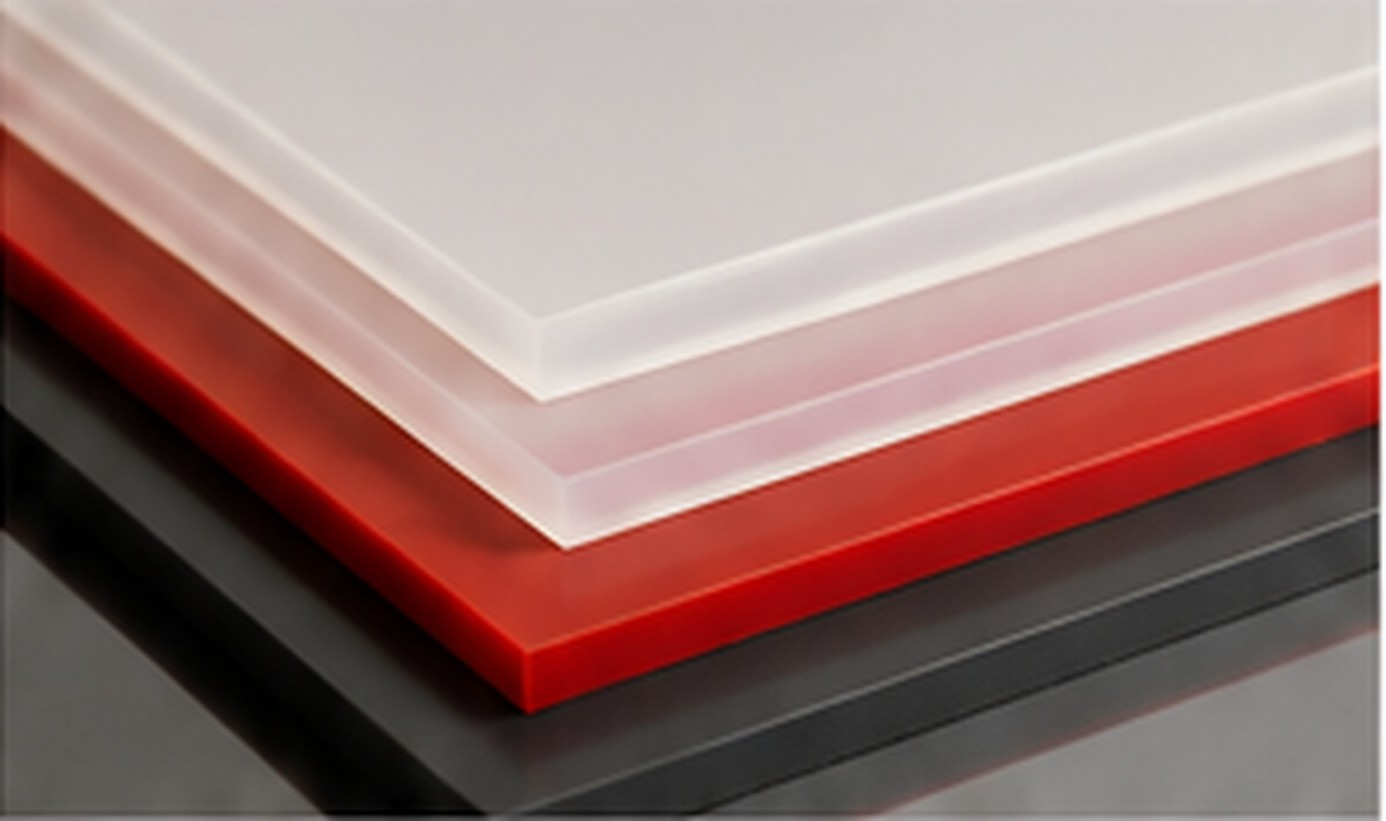 Fig. 2. Calendered sheet formats provide a practical route to insulating barriers, pads, seals and converted components.
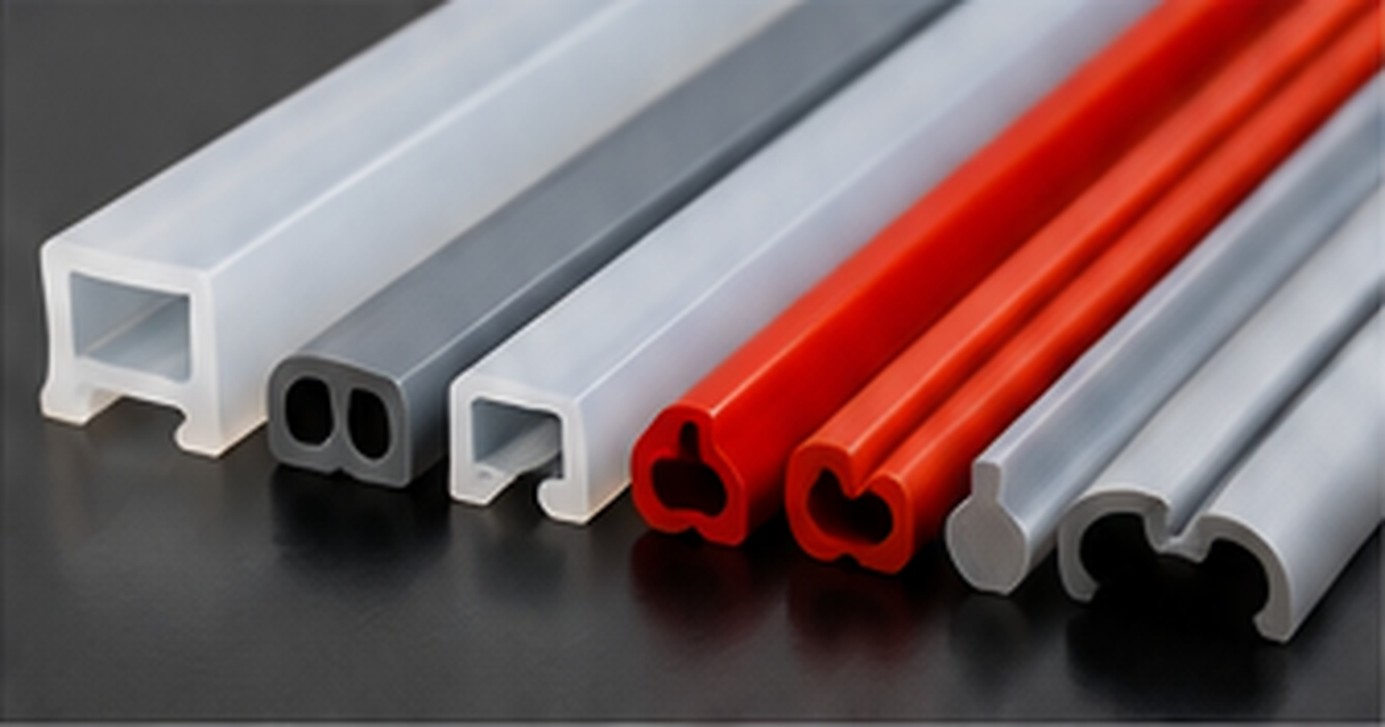 Fig. 3. Profile geometry can be tailored to grooves, channels and edge features when extrusion is the preferred process.
Match the Material to the Process
Processing route often eliminates unsuitable materials faster than a long property comparison. HCR is a solid, high-consistency material that fits familiar rubber-processing operations; LSR is pumpable and is especially well suited to injection molding; RTV systems are used where room-temperature cure, coating, casting or potting is more practical. The correct starting point depends on equipment, part geometry, production volume and the required electrical interface.
| Manufacturing Route |
Starting Material Family |
Questions to Resolve |
| Extruded wire, cable or sleeving |
HCR / HTV electrical compound |
Extrusion stability, surface finish, cure route, dielectric targets, heat aging |
| Injection-molded insulator or cable accessory |
Electrical-grade LSR or selected HCR |
Flow/fill behavior, cure response, tear strength, tracking/erosion, demolding |
| Compression-molded electrical part |
HCR / HTV |
Mold flow, hardness, tear, dimensional stability, cure system |
| Existing outdoor insulator coating |
RTV-1 high-voltage insulator coating |
Adhesion, hydrophobicity, coating thickness, cure behavior, surface preparation |
| Potting or cast insulation |
RTV-2 / electrical elastomer |
Viscosity, de-airing, working time, cure depth, adhesion and dielectric performance |
Where Insulating Silicone Rubber Adds Value
Silicone elastomers appear throughout power transmission and electrical protection because the same polymer family can be formulated for very different geometries. Selection still has to be application-specific, especially when the material is exposed to outdoor contamination, high electric fields, repeated thermal cycling or continuous mechanical strain.
- High-voltage composite insulators and surge-arrester housings: specialized HCR and LSR grades combine outdoor weatherability with electrical insulation and tracking/erosion performance.
- Cable insulation and accessories: silicone rubber is used in wire/cable insulation, cold-shrink components, joints, terminations and other flexible dielectric interfaces.
- Molded connectors and electrical parts: LSR or HCR can be selected for flexible seals, boots, spacers and protective molded geometries.
- Insulating sleeves, profiles and sheet conversions: extrusion and calendering support continuous barriers, gaskets, covers and custom cross-sections.
- Electrical potting and protective encapsulation: RTV-type elastomers can combine electrical isolation with vibration relief and environmental protection.
- Safety and high-temperature cable systems: specialty silicone compounds can be formulated for fire-resistant or ceramifying cable designs when that performance is part of the project specification.
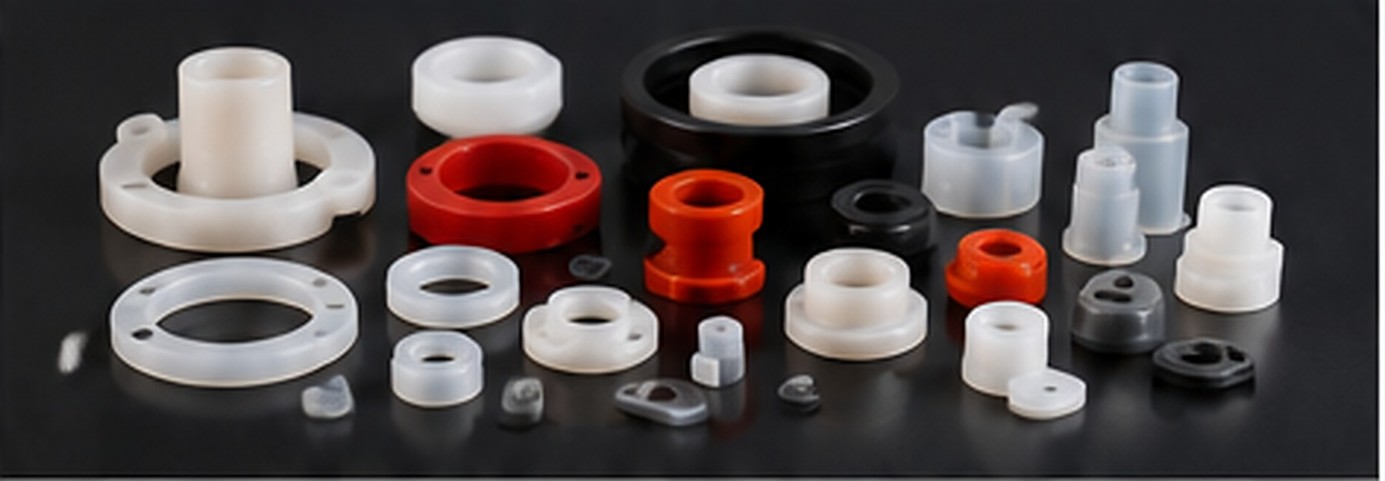 Fig. 4. Molded silicone components show how one elastomer family can serve connectors, spacers, seals and other electrical hardware.
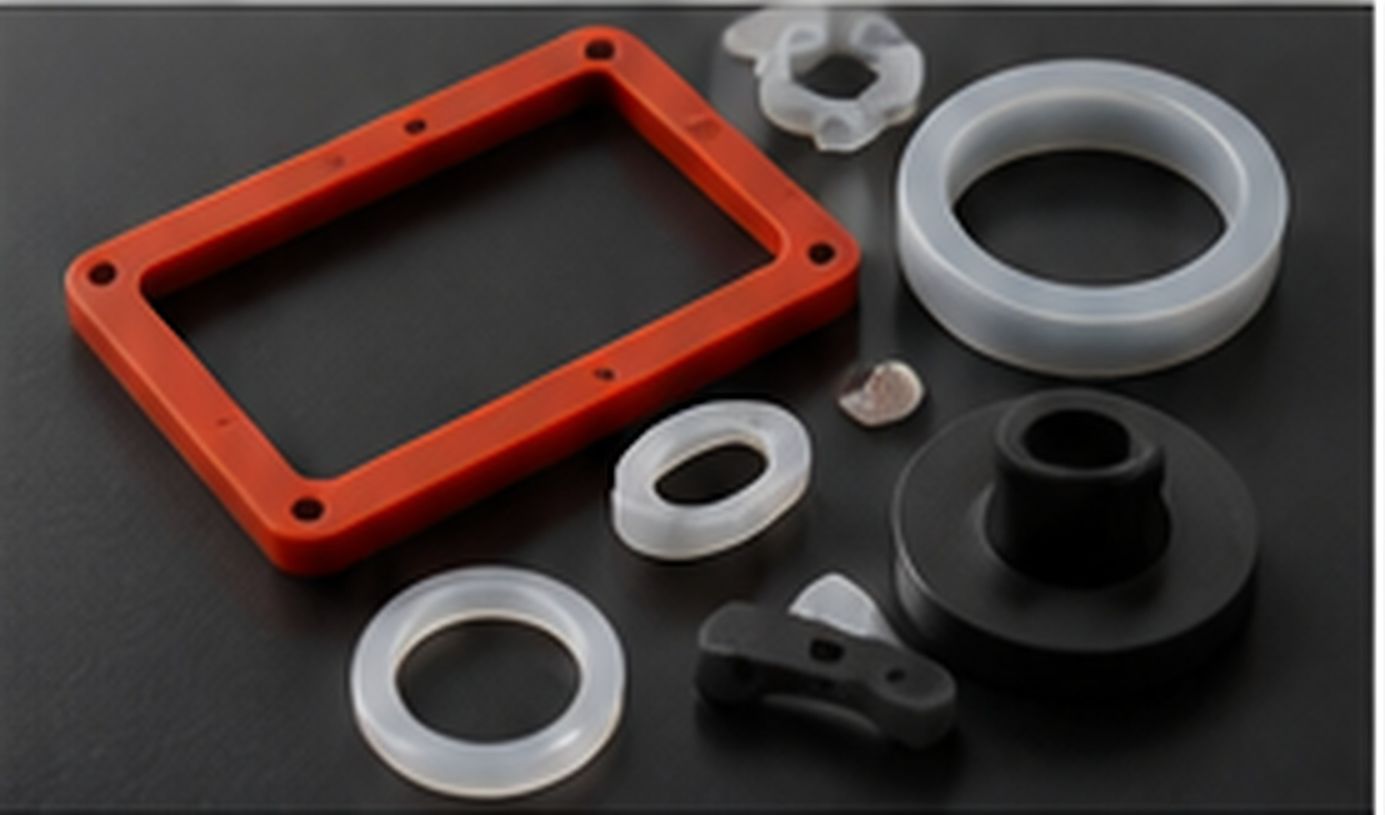 Fig. 5. Custom molded shapes allow insulation and sealing functions to be integrated into application-specific component geometry.
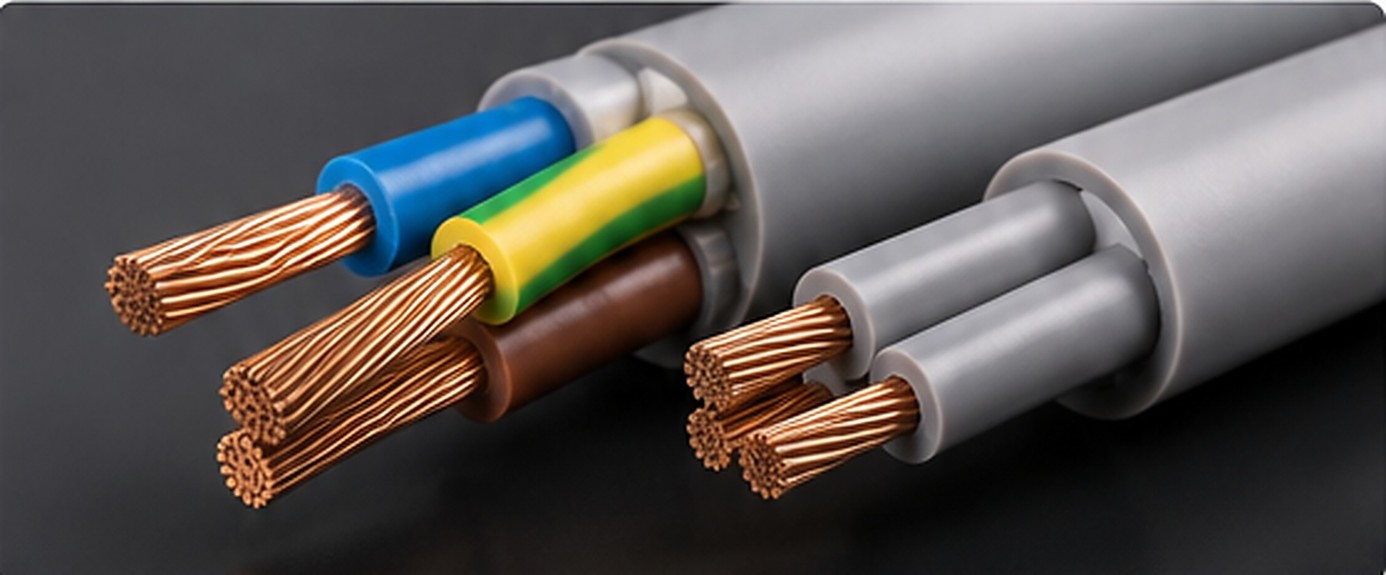 Fig. 6. A cable is an insulation system: conductor geometry, dielectric layers, mechanical flexibility and thermal exposure all need to be considered together.
Why Buyers Work with Eata Silicon
- Application-first discussion: we start with the electrical component, process and performance target before narrowing the material family.
- Raw-material and compound perspective: the conversation can cover a ready-to-cure electrical compound or the polymer/filler building blocks used in a custom formulation.
- Specification-led matching: hardness or viscosity, cure route, electrical properties, mechanical targets and environmental exposure are reviewed together.
- Connected search vocabulary: HCR, HTV, LSR, RTV, VMQ, high-voltage insulator compound and cable-insulation terminology can be cross-referenced when customers are working from different supplier naming systems.
- Custom development path: when a standard material misses the target, we can evaluate a related formulation or project-specific specification subject to technical feasibility.
A standard grade is not always the shortest route to the right electrical component. When the target sits between existing material families, Eata Silicon can discuss project-specific specifications around silicone base selection, hardness or viscosity window, cure chemistry, reinforcement strategy, color, electrical targets, low-volatiles or impurity limits and packaging, subject to technical feasibility.
For a focused review, share the intended component or insulation system, processing route, the closest material you have already evaluated, the electrical and mechanical properties that matter most, and any critical analytical or appearance limits. We can then review a standard option, a close analogue or a tailored development route.
Discuss your insulation requirement with Eata Silicon
Send the material family or closest grade, processing method, application, key electrical/mechanical targets, expected quantity and packaging preference. We can help narrow the most relevant insulating silicone rubber route for evaluation.
For Research or Industrial Raw Materials, Not For Personal Medical Use!