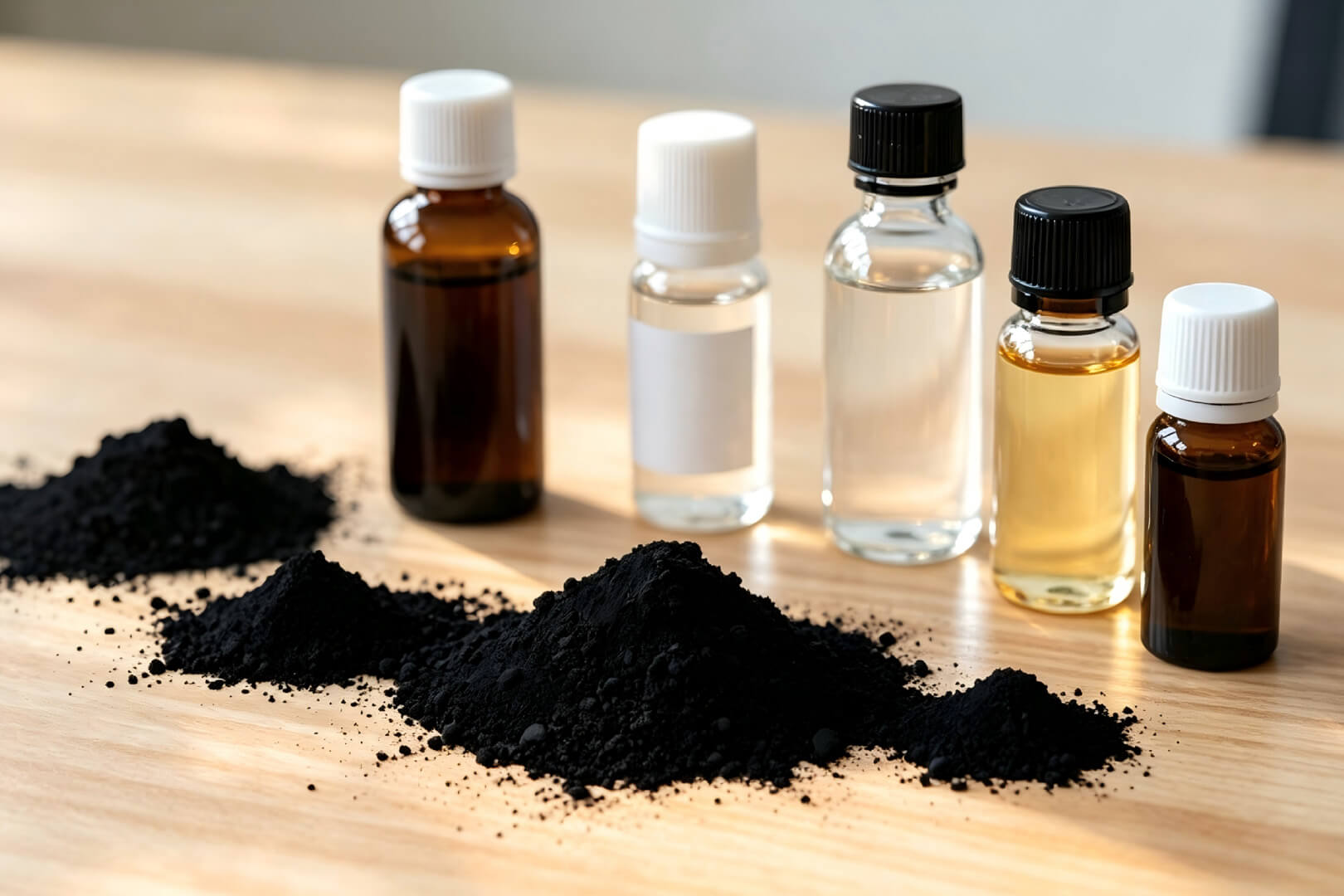
Textile wear rarely begins as a dramatic failure. It starts at the outermost surface, where repeated rubbing can raise fuzz, polish a topcoat, catch a printed layer or leave visible scuff marks. Silicone abrasion-resistant finishing agents are used to tune that interface. Depending on molecular architecture and delivery form, they can lower surface friction, improve slip, support anti-mar and anti-blocking performance, and help finished materials retain a cleaner feel and appearance under repeated contact.
Eata Silicon supplies silicone raw-material directions for textile topcoats, printed and coated fabrics, technical textiles and adjacent surface-finishing systems. Selection begins with the actual failure mode—not with a generic "silicone additive" label—because rub resistance, scratch visibility, blocking, tactile feel and binder compatibility do not always point to the same chemistry.
Durability Is a Surface-Engineering Problem
Abrasion resistance in a finished textile is influenced by more than the strength of the base fabric. The chemistry and continuity of the outer coating or finishing layer, surface friction, binder cohesion, silicone distribution, add-on, drying or cure conditions and the chosen test method all shape the result. That is why a low-friction finish may reduce one type of scuffing without automatically solving every wear mechanism.
High-molecular-weight silicone dispersions and silanol-functional silicone gum emulsions are used in water-based PU and acrylic topcoats to improve slip, anti-blocking and resistance to abrasion, scuff, scratch and mar. Selection should still be framed around the surface behavior that must change and the secondary properties that must remain intact.
 A consistent surface finish gives abrasion comparisons a reliable starting point.
Raw-Material Families
| Material direction |
Typical form |
Performance emphasis |
Common system fit |
Keywords |
| Ultra-high-molecular-weight silicone dispersion |
Waterborne dispersion or emulsion |
Low COF; slip; abrasion, scuff, scratch, mar and block resistance |
Waterborne PU / acrylic textile or leather topcoats |
high molecular weight silicone dispersion; anti-mar silicone emulsion |
| Silanol-functional silicone gum emulsion |
Concentrated water-based emulsion |
Persistent surface lubrication and abrasion-focused durability |
Water-based coated textile and topcoat formulations |
silanol-functional silicone gum; rub-resistance additive |
| Silicone polyether / organomodified fluid |
100% active fluid or dispersible modifier |
Slip, leveling, anti-blocking and mar control; grade-specific abrasion benefit |
PU topcoats; waterborne or solventborne systems depending on grade |
silicone slip additive for PU topcoat; silicone polyether surface modifier |
| Specialty textile silicone emulsion |
Water-based silicone emulsion |
Soft, lubricious hand; reduced tack; improved rubbing performance in selected print/topcoat systems |
Textile print paste, coated fabric and selected leather finishes |
silicone softener for print paste; textile surface modifier |
| Silicone gum / resin finishing system |
Emulsion, dispersion or formulated modifier |
Film durability, mar/abrasion support and surface feel, depending on composition |
Coated textiles, leather finishes and high-contact surfaces |
silicone gum abrasion additive; silicone resin finishing agent |
 Dense technical constructions place repeated-contact performance at the outermost fiber interface.
Build the Finish Around the Failure Mode
| Observed issue |
What it may mean |
What to screen |
| Dry rub / scuffing |
Visible polishing, whitening, fiber disturbance or topcoat wear after repeated contact. |
Screen abrasion-focused high-MW silicone dispersions or gum emulsions together with the binder and cure. |
| Scratch / mar visibility |
Light contact leaves a mark even when the coating is not worn through. |
Evaluate slip, surface mobility and mar-resistance modifiers; check gloss or matte appearance at the same time. |
| Blocking / tack |
Finished surfaces stick during winding, stacking or storage. |
Screen low-COF and anti-blocking silicone options while confirming printability, adhesion and recoatability where relevant. |
| Harsh or draggy hand |
A technically durable finish feels dry, resistant or unpleasant to touch. |
Consider a surface modifier that balances abrasion performance with soft, smooth or dry-slip tactile targets. |
| Poor compatibility |
Cratering, instability, foam, loss of adhesion or uneven coating appears after additive incorporation. |
Re-check silicone structure, surfactant package, carrier, binder polarity, order of addition and application level. |
 Low-drag surface control can improve wear behavior while preserving a clean visual finish.
Where Silicone Abrasion-Resistant Finishing Agents Fit
- Printed textiles and pigment-print systems — improve lubricity, non-tacky feel and rubbing performance when a compatible silicone emulsion is used with the print-binder package.
- Coated technical fabrics — target slip, scuff, scratch, mar and anti-blocking behavior in the outer coating while preserving the required surface appearance.
- PU-coated textiles and synthetic leather — balance wet/dry rub performance, smooth hand, anti-blocking and compatibility with polyurethane topcoats.
- Upholstery and other high-contact surfaces — use abrasion-focused finishing where repeated contact can polish, mark or roughen the surface over time.
- Industrial and protective fabrics — consider silicone surface modifiers when the finish needs controlled friction and visible-wear resistance in addition to the base fabric’s mechanical strength.
The same chemistry should not be assumed to perform identically across a woven fabric, knitted construction, pigment print, coated textile or synthetic leather. Surface porosity, binder choice and finishing route can change silicone orientation and therefore the final balance of slip, hand and durability.
 Durable finishing is a system property: surface structure, binder and silicone modification work together.
Frequently Asked Questions
Does a lower coefficient of friction automatically mean better abrasion resistance?
No. Lower friction can reduce drag and some types of visible marking, but abrasion resistance also depends on the binder, silicone molecular structure, coating integrity, cure and the selected wear mechanism. Both should be measured if both matter.
Can one silicone finishing agent work in both waterborne and solventborne systems?
Some organomodified silicones are compatible with more than one carrier route, while concentrated emulsions are designed primarily for water-based formulations. Compatibility is grade-specific and should be checked in the complete binder package.
Will an abrasion-resistant silicone always make the surface very slippery?
Not necessarily. High-molecular-weight dispersions, gum emulsions and specialty surface modifiers can produce different friction profiles. The target should be defined as a measurable wear requirement plus the desired hand or slip level.
What information helps Eata Silicon recommend a starting material?
Send the fabric or coated substrate, binder chemistry, waterborne or solventborne route, finishing method, current failure mode, benchmark product if available, target hand or COF, and the rub/abrasion test used for qualification.
 The complete coating stack should be qualified for compatibility, adhesion and wear—not the additive alone.
A standard grade is not always the best fit when abrasion, hand feel, anti-blocking and binder compatibility must be optimized together. Eata Silicon can support customized silicone raw-material development around molecular functionality, physical form, solids window, viscosity, dispersibility, ionic character and the balance of slip, tactile response and wear performance required by the application.
For a focused development discussion, share the substrate, binder or finishing bath, application method, current additive or benchmark, failure mode and acceptance test. This gives the project a practical specification from the beginning and makes it easier to compare a standard raw-material direction with a tailored option.
For Research or Industrial Raw Materials, Not For Personal Medical Use!