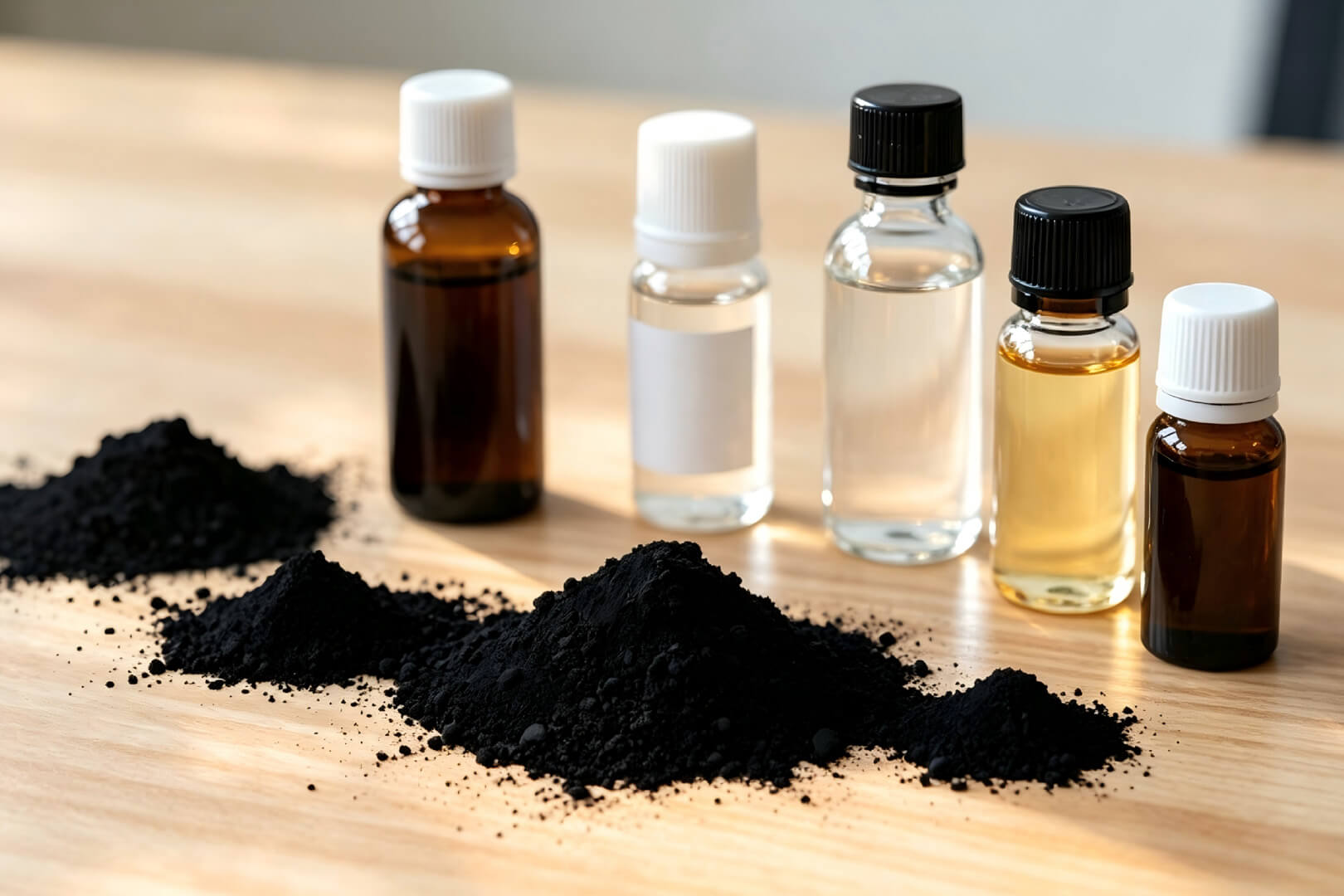
Liquid silicone rubber (LSR) is a pumpable, two-component silicone elastomer technology built around addition curing. In a typical LSR system, long polysiloxane chains are reinforced with treated silica; the catalyst is separated from the hydrogen-functional crosslinker until the two components are metered and mixed. This architecture supports controlled processing and fast heat curing into durable elastomeric parts.
Eata Silicon supports industrial LSR development with silicone raw materials that can be matched to formulation targets, including vinyl-terminated PDMS, hydrogen-functional silicone fluids, reinforcing fumed silica and related silicone elastomer materials. For product developers, the practical advantage is flexibility: viscosity, reactive-group content, reinforcement level and cure behavior can be selected around the molding process and the final part requirements.
Why LSR Works So Well in Precision Manufacturing
Compared with high-consistency silicone rubber, LSR is formulated to remain flowable enough for automated metering and liquid injection molding. The A and B components are combined immediately before processing, then transferred into a heated mold where the addition-cure reaction forms an elastic silicone network. Commercial LSR technologies are also used in coating and dispensing processes when a liquid feed is advantageous.
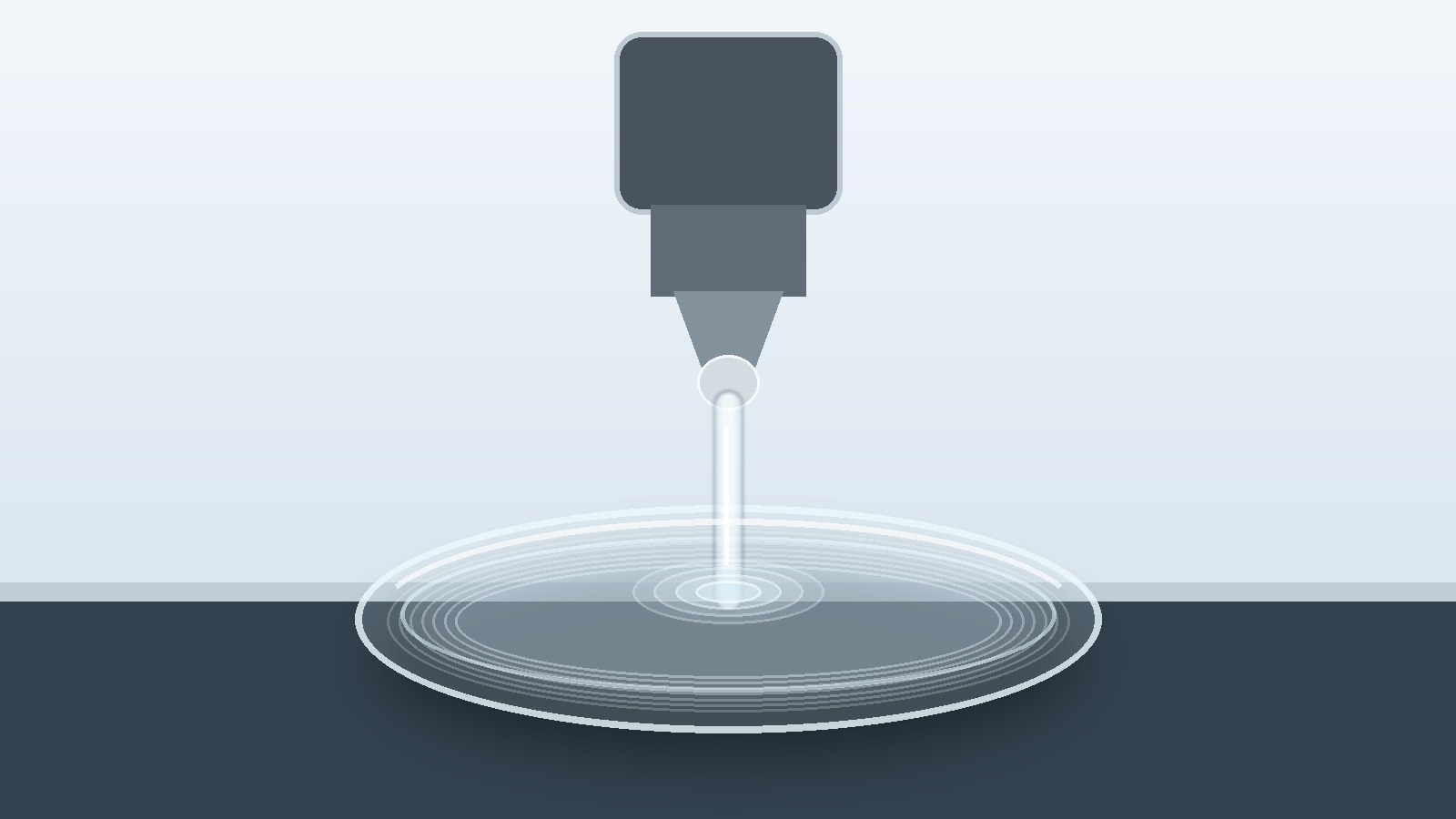 Controlled dispensing of a flowable silicone elastomer feed.
That processing route is especially valuable when a design includes thin sections, complex cavities or repeatable sealing geometry. The final property profile depends on the formulation and grade, but LSR technologies are widely selected for combinations of elasticity, tear resistance, long-term thermal stability, weathering resistance and electrical performance.
- Flow into detailed mold features for precision gaskets, membranes and connector seals.
- Addition-cure chemistry that can provide rapid heat curing without peroxide decomposition by-products.
- Stable elastomeric performance across demanding temperature and outdoor environments, depending on grade.
- Strong fit for electrical and energy-system components where insulation, sealing and dimensional consistency matter.
- Multiple formulation directions, including self-bonding, self-lubricating, low-viscosity and electrically functional LSR technologies.
The Core Raw Materials in an Addition-Cure LSR Formulation
A useful way to select LSR raw materials is to look at the role each component plays in the network. Polymer viscosity sets the starting flow profile; reactive vinyl and Si-H groups determine the available crosslinking sites; silica reinforces the cured elastomer and changes rheology; and the catalyst/inhibitor balance controls when cure begins.
| Formulation component |
Primary role |
What formulators typically evaluate |
| Vinyl-terminated PDMS |
Main silicone polymer and source of vinyl groups for hydrosilylation. |
Viscosity, molecular weight, vinyl content, volatility and compatibility with filler. |
| Hydrogen-functional silicone fluid |
Crosslinking component that supplies Si-H groups for reaction with vinyl functionality. |
Si-H content, viscosity, functionality distribution and the target Si-H:vinyl balance. |
| Treated fumed silica |
Reinforcing filler and rheology-control component. |
Surface area, surface treatment, dispersibility, thickening effect, transparency and reinforcement. |
| Platinum catalyst package |
Drives the addition-cure reaction between vinyl and Si-H groups. |
Activity, dispersion, catalyst concentration and compatibility with the rest of the formulation. |
| Cure inhibitor / process-control additive |
Delays reaction at handling temperature so mixing and molding can occur before heat-activated cure. |
Working window, cure onset, mold temperature and potential interactions with other additives. |
| Optional modifiers |
Adjust adhesion, color, heat resistance, lubrication, electrical behavior or other targeted properties. |
Compatibility, effect on cure, migration, mechanical properties and end-use requirements. |
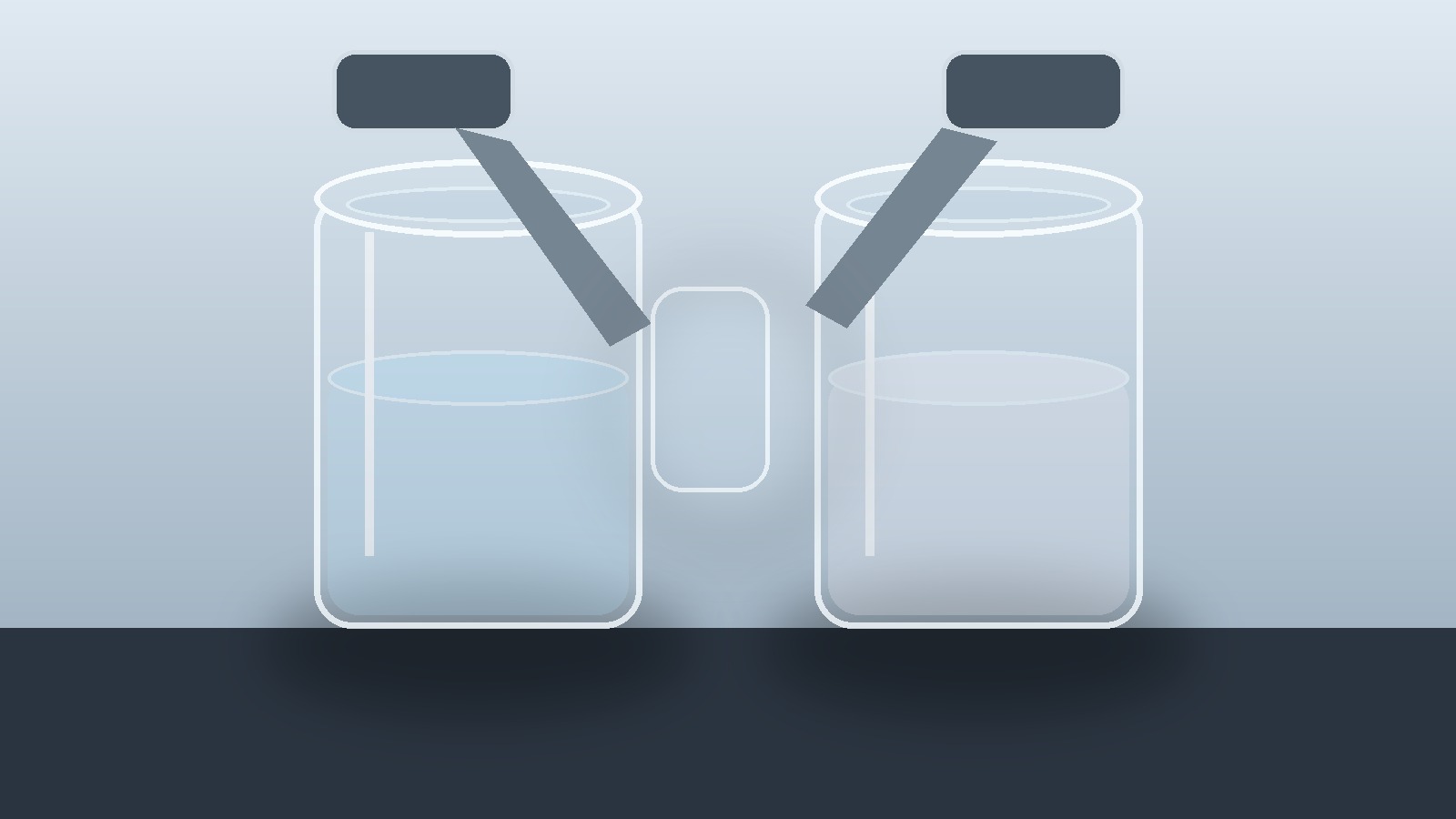 Two-component silicone raw materials prepared for metering and mixing.
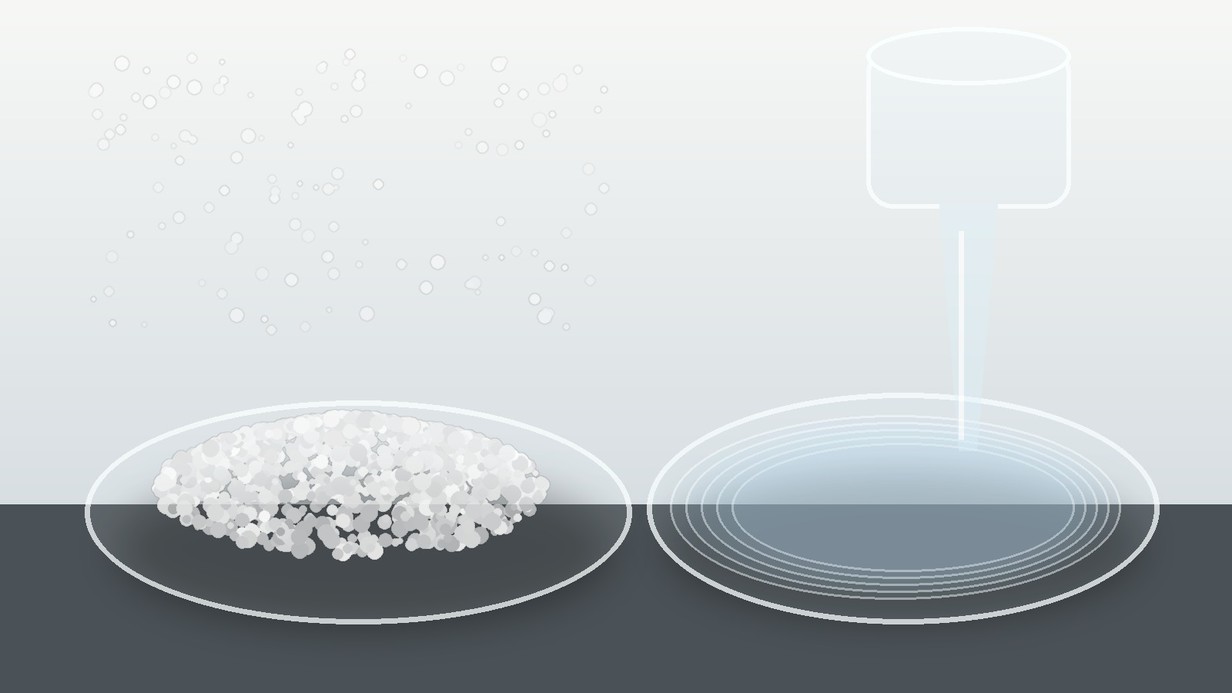 Reinforcing silica and silicone polymer represent the core formulation balance.
Related Eata Silicon Material Families
| Related material |
Selected catalog information |
Relevance to LSR and silicone elastomers |
| Vinyl-Terminated PDMS Reactive Fluid Family |
CAS 68083-19-2; listed viscosity range 0.7 to 165,000 mPa.s; grade-dependent vinyl content. |
Reactive silicone base polymer or modifier for addition-cure systems; useful for adjusting viscosity, vinyl functionality and polymer backbone characteristics. |
| Low-Hydrogen Silicone Reactive Fluid |
Listed Si-H levels: 0.18%, 0.36%, 0.50% and 0.75%; viscosity 80 to 120 mm2/s at 25 C. |
Hydrogen-functional raw material for controlled crosslinking and silicone modification; stoichiometry should be matched to the selected vinyl polymer. |
| High-Hydrogen Silicone Reactive Fluid |
Cataloged as a methyl hydrogen silicone fluid with >=1.55% Si-H; viscosity 15 to 40 mm2/s at 25 C. |
Higher Si-H functionality for crosslinking and surface-treatment chemistry; formula-specific evaluation is important for LSR use. |
| High-Purity Fumed Silica |
CAS 7631-86-9; SiO2 >=99.8%; available surface-area ranges from 150 to 405 m2/g. |
Reinforcement, bodying, thixotropy and rheology control for silicone rubber and other polymer systems. |
Where Liquid Silicone Rubber Adds Value
LSR is not limited to one kind of molded part. The same two-component processing concept can be tuned for different hardness, flow, adhesion and functional targets, making it useful across industrial systems where repeatability and elastomeric sealing are important.
| Application area |
Why LSR is considered |
Typical part directions |
| Electrical insulation and power accessories |
Commercial LSR grades can combine dielectric behavior, tracking resistance, weatherability and moldability. |
Insulator components, cable accessories, protective boots, connector interfaces and molded insulation. |
| Energy equipment sealing |
Elastic recovery and dimensional consistency support repeated sealing cycles and temperature changes. |
Gaskets, O-rings, diaphragms, valve elements and enclosure seals. |
| Power electronics and battery assemblies |
Precision molding can place compliant sealing features around complex housings and interfaces. |
Grommets, connector seals, vibration-isolating parts and environmental barriers. |
| Industrial overmolding |
Selected self-bonding LSR technologies can be designed to adhere to compatible thermoplastic or metal substrates. |
Insert-molded seals, sensor protection, connector bodies and multi-material assemblies. |
| Technical coating and dispensing |
Low-viscosity or coating-oriented LSR systems can be processed as a liquid before heat cure. |
Coated technical fabrics, cure-in-place gasketing and specialized functional coatings. |
 Precision-molded silicone seals for demanding industrial assemblies.
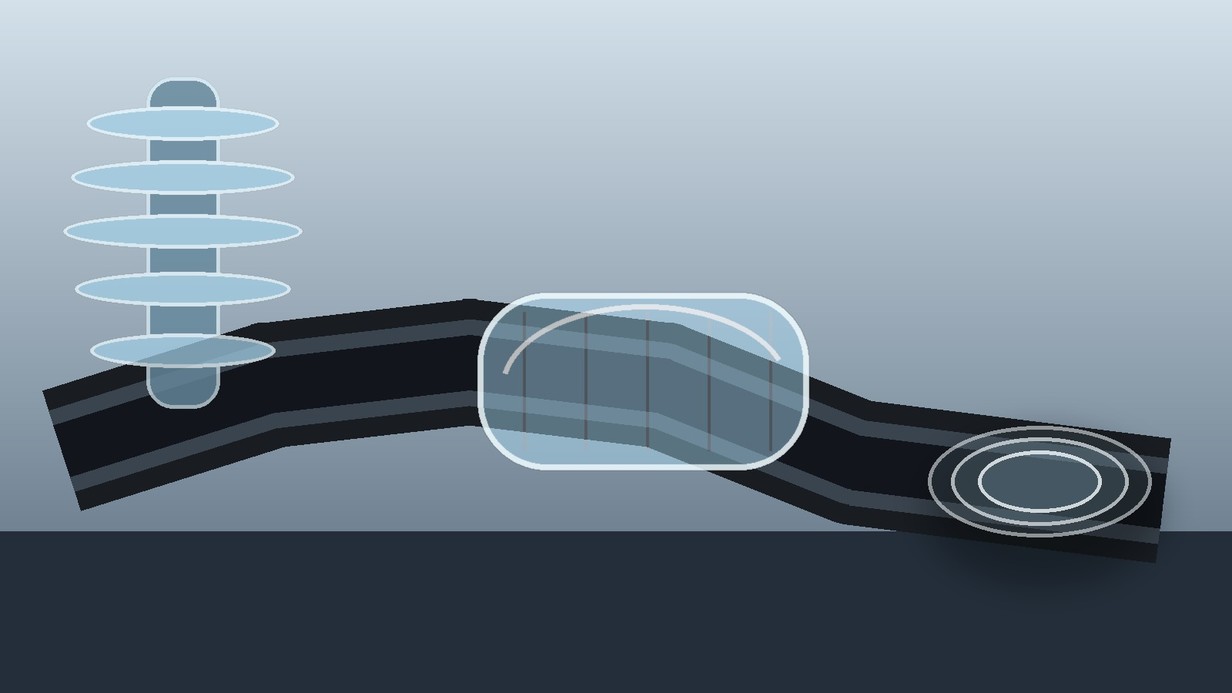 Silicone elastomer parts used around electrical insulation and cable systems.
How to Specify Raw Materials for an LSR Project
A good LSR formulation brief starts with the process, not just the final hardness. The polymer and crosslinker must meter cleanly, the filler must reinforce without creating unacceptable flow resistance, and the cure system must stay controllable before the material reaches the heated mold.
| Selection parameter |
Why it matters |
| Base-polymer viscosity |
Controls pumping, mixing, filler wet-out and cavity filling. Blending viscosities can be used to tune the processing window. |
| Vinyl content |
Changes the number of reactive sites available to the addition-cure network and therefore influences crosslink density. |
| Si-H content and functionality |
Determines crosslinker reactivity and must be balanced against available vinyl groups and the desired network structure. |
| Filler surface area and treatment |
Strongly affects reinforcement, viscosity build, transparency, dispersion behavior and storage stability. |
| Cure profile |
Working time, mold temperature and cure rate need to match the metering and molding equipment. |
| Mechanical targets |
Hardness, tensile strength, tear strength, elongation and compression set should be defined around the part geometry and loading mode. |
| Electrical / environmental targets |
For energy and electrical parts, consider dielectric properties, tracking resistance, weathering and long-term temperature exposure. |
| Adhesion and surface behavior |
Overmolding, self-bonding or self-lubricating designs require dedicated chemistry and substrate compatibility testing. |
Processing Notes for Platinum-Cured Systems
Addition-cure silicone systems are sensitive to certain contaminants. Nitrogen-, sulfur-, tin- and phosphorus-containing compounds can inhibit platinum-catalyzed cure, and some substrate additives or residual chemicals can have the same effect. Compatibility checks on the actual substrate and processing aids are therefore a practical part of formulation validation.
- Keep catalyst-containing and Si-H-rich components segregated before controlled mixing.
- Evaluate the complete formulation on the real substrate, especially when primers, adhesives, coatings or plastic additives are present.
- Use controlled metering and mixing to minimize ratio variation and trapped air.
- Confirm cure behavior at the intended mold temperature rather than extrapolating only from room-temperature handling properties.
Different projects call for different balances of flow, reactivity and reinforcement. Eata Silicon can support custom material selection and specification development around parameters such as silicone-fluid viscosity, vinyl content, Si-H content, fumed-silica surface area, formulation compatibility and packaging format. We can also help align related silicone raw materials to the direction of your injection-molding, sealing, coating or electrical-insulation project.
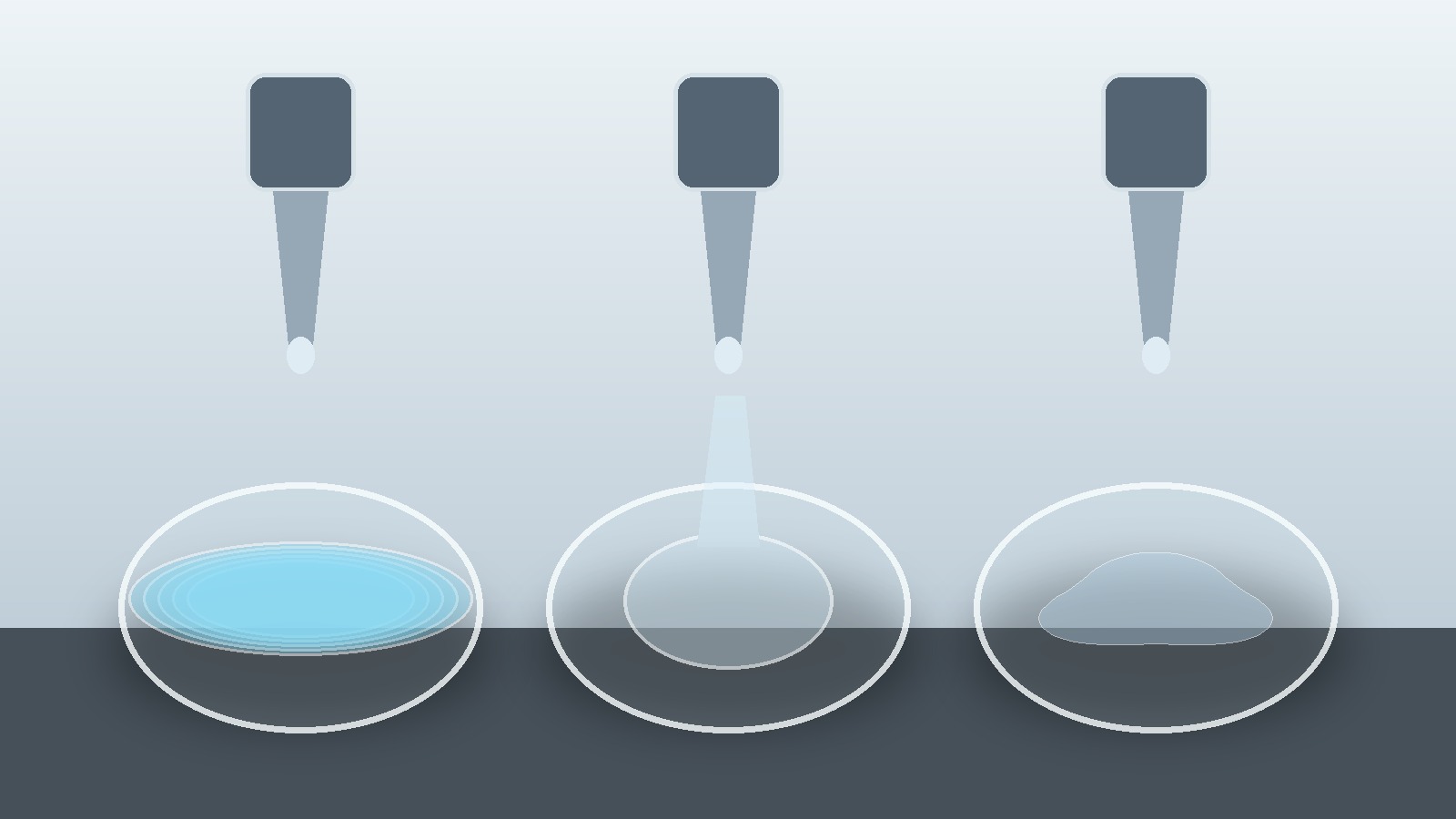 Custom viscosity and formulation screening for application-specific performance.
Planning an LSR formulation or looking for a specific silicone raw material? Share your target viscosity, reactive-group range, process method and key performance requirements with Eata Silicon to discuss a material option tailored to your project.
For Research or Industrial Raw Materials, Not For Personal Medical Use!