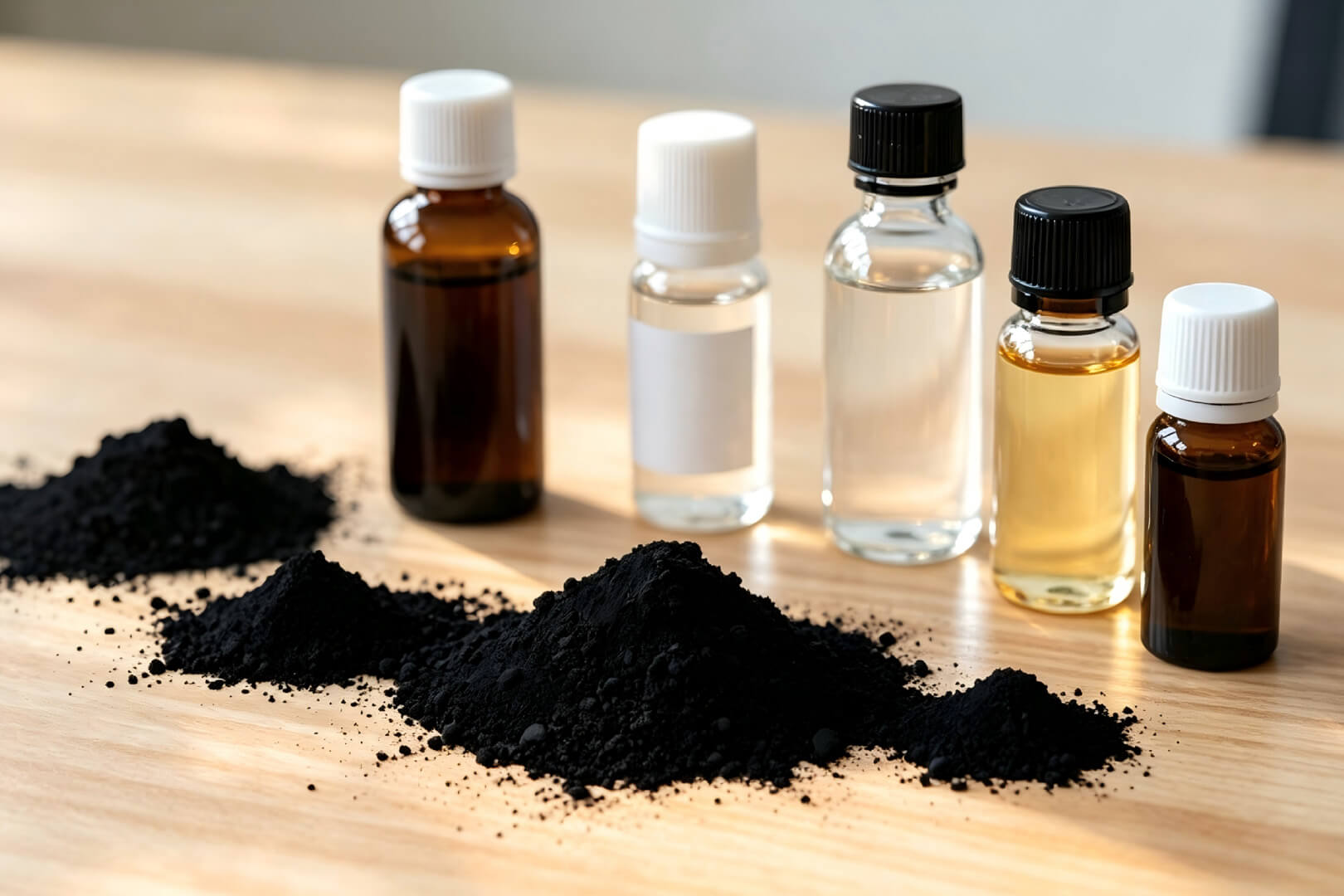
Silicone fluids are a broad family of liquid siloxane polymers and functional silicone materials selected when a process or formulation needs controlled viscosity, low surface tension, lubrication, damping, release behavior, electrical performance or a specific reactive handle. The best-known family is polydimethylsiloxane (PDMS), while phenyl, vinyl, hydride, amino, epoxy, polyether, alkyl and other functional groups can be used to shift compatibility, reactivity and end-use performance.
Eata Silicon organizes silicone fluid sourcing around the chemistry that matters to the buyer: base polymer, viscosity, functional group, volatility profile, active content and final application. That makes it easier to move from a broad search such as silicone oil or PDMS fluid to a product family that fits an energy-material, industrial, formulation or R&D program.
Find the Right Silicone Fluid by Chemistry and Function
Silicone fluid is not a single product. Commercial portfolios cover straight silicone fluids, functional or reactive polymers, modified fluids, low-viscosity materials, personal-care oriented grades and formulated blends. The category is useful because it lets formulators match molecular structure to what the fluid must do in the next processing or formulation step.
| Product Category |
Representative Products |
Selection / Application Direction |
| General-Purpose Silicone Fluids |
PDMS silicone fluid; dimethyl silicone fluid; methyl silicone oil; trimethylsiloxy-terminated PDMS; low-, medium- and high-viscosity silicone oil |
Viscosity-driven selection for damping, lubrication, dielectric use, release, surface control and process media. |
| Reactive Silicone Fluids |
vinyl-terminated PDMS; hydride-terminated PDMS; methylhydrogen silicone fluid; silanol / hydroxy-terminated PDMS; carbinol-functional and methacryloxy-functional silicone fluids |
Chosen when the fluid must participate in addition, condensation or downstream functionalization chemistry. |
| Modified Silicone Fluids |
amino silicone fluid; epoxy-functional silicone fluid; polyether-modified silicone; silicone polyether copolymer; phenyl silicone oil; alkyl-modified silicone fluid |
Used to tune compatibility, wetting, emulsification, release, lubricity, surface affinity, resin modification or specialty formulation behavior. |
| Volatile and Low-Viscosity Silicone Fluids |
low-viscosity dimethicone; 1 cSt, 1.5 cSt, 2 cSt, 5 cSt and 10 cSt silicone fluid search terms; short-chain linear silicone fluid; volatile silicone carrier |
Useful where fast spreading, low drag, thin films, rapid leveling or a lighter fluid profile is required. |
| Personal Care-Grade Silicone Fluids |
dimethicone; dimethiconol; amodimethicone; phenyl-modified silicone; ethyl methicone; PEG-modified silicone; caprylyl methicone |
Selected by sensory profile, spreadability, compatibility, gloss, conditioning effect and formulation architecture. |
| Formulated Silicone Fluid Blends |
silicone fluid emulsion; PDMS emulsion; silicone-polyether blend; silicone fluid/resin blend; custom-viscosity silicone blend |
Formulated options can combine fluid chemistry with carrier, emulsion or co-component choices to reach a target handling or performance window. |
General-Purpose Silicone Fluids: PDMS as the Core Platform
General-purpose silicone fluids are usually built around dimethyl silicone chemistry, especially PDMS. Their molecular weight and degree of polymerization determine much of the viscosity range, which is why buyers often search by nominal kinematic viscosity as well as by the name silicone oil. Across the broader market, dimethyl silicone fluids are available from very low viscosities through extremely high-viscosity liquids; the exact Eata Silicon offering should be selected from the product list and inquiry specification.
- Common search terms: PDMS silicone oil, dimethyl silicone fluid, methyl silicone oil, trimethylsiloxy-terminated PDMS, silicone fluid 5 cSt, silicone oil 10 cSt, 50 cSt silicone fluid, 100 cSt PDMS, 350 cSt silicone oil, 1,000 cSt silicone fluid and high-viscosity PDMS.
- Typical decision factors: viscosity at 25°C, volatility profile, clarity, specific gravity, refractive index, flash point where relevant, and compatibility with the intended substrate or formulation.
- Typical use directions include damping liquids, lubricating media, dielectric or electrical-fluid applications, release and anti-stick systems, pump/process fluids and formulation bases.
 Figure 1. Silicone-fluid selection often starts with how viscosity changes flow, film build and damping behavior.
Reactive Silicone Fluids: Build Reactivity into the Polymer
Reactive silicone fluids carry functional groups that allow the polymer to take part in a later reaction rather than serving only as an inert liquid. Vinyl-terminated PDMS is widely associated with addition-cure silicone systems. Hydride-terminated PDMS provides Si-H functionality for vinyl-addition chemistry and further functionalization. Silanol-terminated or hydroxy-terminated PDMS is used in condensation chemistry and as an intermediate for other silicone materials. Additional reactive families include carbinol-, epoxy-, amino- and methacryloxy-functional silicones, depending on the route being developed.
- Vinyl-terminated PDMS / vinyl silicone fluid: specify viscosity, vinyl content or equivalent, and required volatile/impurity profile.
- Hydride-terminated PDMS / hydrogen silicone fluid: specify viscosity and Si-H or hydride content, together with the downstream addition chemistry.
- Silanol-terminated PDMS / hydroxyl-terminated silicone fluid: specify viscosity and terminal OH content where it is critical to cure or further derivatization.
- Other reactive silicone fluids: amino-, epoxy-, carbinol- and methacrylate/methacryloxy functionality can be considered when the project needs a different organic reaction handle or interface behavior.
Modified Silicone Fluids: Change Compatibility, Surface Activity and Function
Replacing or supplementing methyl groups with other organic functionality can shift the way a silicone fluid interacts with water, organic resins, pigments, fibers, coatings and other formulation components. This is the logic behind amino-modified, epoxy-modified, polyether-modified, phenyl-modified and alkyl-modified silicone fluids. The right option depends on whether the buyer needs reactivity, emulsification, wetting, compatibility, lubricity, release, softening or a specific refractive or thermal profile.
- Amino-functional silicone fluid / amino silicone oil: commonly evaluated for surface affinity, softening, lubricity and reactive modification.
- Polyether-modified silicone fluid / silicone polyether copolymer: used where water dispersibility, wetting, emulsification or interfacial-tension control is important.
- Phenyl-modified silicone fluid / methyl phenyl silicone oil: considered when formulators need a phenyl-containing silicone with a different refractive, low-temperature or thermal profile from standard dimethyl fluid.
- Epoxy- or alkyl-modified silicone fluid: useful search families for resin modification, compatibility, release, coating and surface-control projects.
How Silicone Fluids Translate into Industrial Performance
Selecting the chemistry is only the first step. The same silicone backbone can behave very differently when viscosity, end groups, organic modification, active content and formulation form change. For an industrial buyer, the most useful question is not simply "Which silicone fluid is best?" but "Which fluid architecture fits the movement, interface, reaction or thermal/electrical environment in this process?"
Damping, Lubrication and Precision Motion
Silicone fluids are established materials for damper oils, sliding components, lubrication and other precision-motion applications. Viscosity is especially important here: lower-viscosity fluids move readily through narrow clearances, while higher-viscosity grades can provide stronger viscous resistance and more persistent films. Mechanical design, seal compatibility and operating temperature still determine the final choice.
 Figure 2. Silicone fluids are widely associated with damping and controlled-motion applications where viscosity is a design variable.
Release, Coating and Surface-Control Processes
Silicone fluids are used across release, anti-stick, coating, leveling, wetting and process-aid applications. Straight PDMS can provide low surface tension and lubricity, while modified fluids add compatibility or surface activity. In roll-to-roll, molding, film, paper, composite and coating development, the fluid is selected around substrate, carrier system, cure route, desired film behavior and downstream cleanliness requirements.
- Substrate and carrier system: identify whether the fluid will contact polymer film, metal, paper, composite, elastomer or a liquid coating formulation.
- Surface objective: define whether the priority is release, lubrication, wetting, leveling, slip, anti-stick behavior or compatibility with another resin.
- Process constraints: include application temperature, cure or drying route, acceptable residue/volatility and any cleanliness limits that matter downstream.
 Figure 3. Surface-control applications may use silicone fluids as release media, lubricants, wetting modifiers or components of formulated coating systems.
Energy, Electrical and Power-Conversion Contexts
Silicone-fluid chemistry also intersects with energy and electrical materials. Industry references list silicone fluids for transformer, cable, condenser and damper-oil applications, while specialized phenyl-containing fluids are used as heat- or pressure-transfer media. More recently, electrically insulating silicone cooling fluids have been developed for selected charging and electrical equipment. Reactive silicone fluids are also upstream components for elastomers, gels, coatings and encapsulation systems used around power electronics and other energy-conversion hardware.
- Electrical fluid applications: transformer oil, cable oil, condenser oil and dielectric or insulation-oriented fluid systems, depending on grade and design requirements.
- Energy equipment: damping and lubrication in rotating or precision assemblies, including renewable-energy equipment where silicone fluids are used alongside greases and other silicone materials.
- Cooling and heat/pressure transfer: only use a silicone chemistry designed for the target temperature, electrical and equipment conditions; phenyl-containing and specialty silicone fluids are common technical search directions.
- Upstream reactive materials: vinyl, hydride and silanol silicone fluids can be selected as starting polymers or reactive components for silicone elastomers, coatings, gels and protective systems.
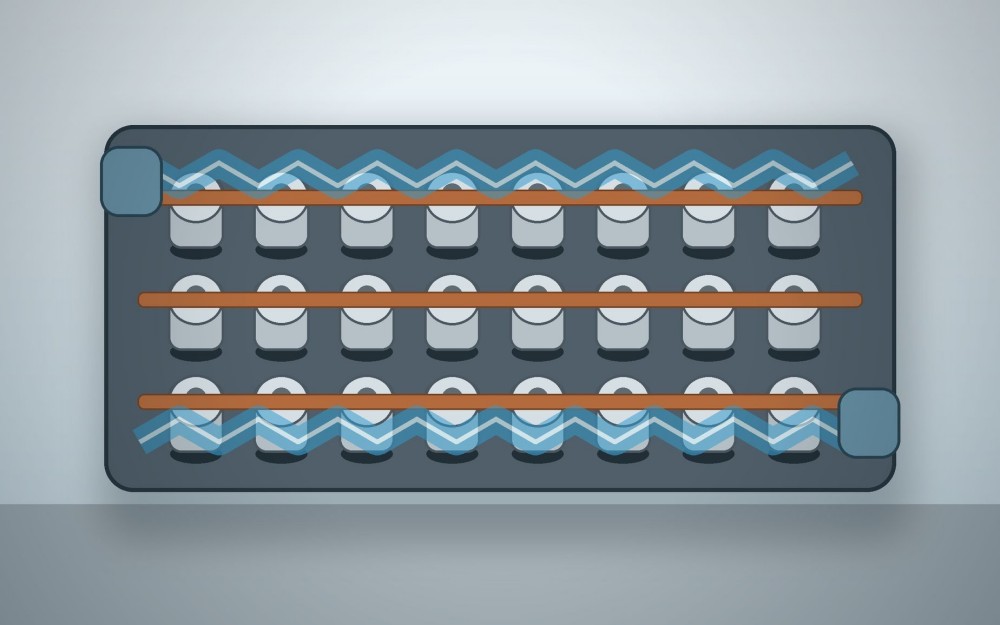 Figure 4. Specialized electrically insulating silicone fluids can be considered in selected cooling and power-equipment concepts where stable fluid behavior is required.
Volatile and Low-Viscosity Silicone Fluids
Low-viscosity silicone fluids are sought when a process needs rapid spreading, thin films, low drag or easier incorporation into another formulation. Commercial product literature includes very low-viscosity dimethicone and other volatile silicone fluids as distinct subfamilies. For sourcing, it is important to distinguish low viscosity from volatility: a fluid can be low in viscosity without being intended as a rapidly evaporating carrier, so both properties should be stated separately in the inquiry.
- Useful search phrases: low-viscosity dimethicone, 1 cSt silicone fluid, 1.5 cSt dimethicone, 2 cSt silicone fluid, 5 cSt silicone oil, 10 cSt dimethicone, short-chain linear silicone fluid, volatile silicone fluid.
- Specify the priority clearly: viscosity, evaporation rate or residue profile, flash point where relevant, compatibility, spreadability and target use.
Personal Care-Grade Silicone Fluids
Personal care formulators use several silicone-fluid families to adjust slip, spreadability, conditioning, gloss, compatibility and sensory profile. Common ingredient and search names include dimethicone, dimethiconol, amodimethicone, phenyl-modified silicones, ethyl methicone, PEG-modified silicones and low-viscosity silicone fluids. The correct choice depends on the complete formulation rather than on a single headline property.
For inquiries in this category, it is useful to send the intended formulation type, desired sensory direction, viscosity range, compatibility constraints, INCI or closest reference chemistry when known, and any critical limits that need to be included in the product specification.
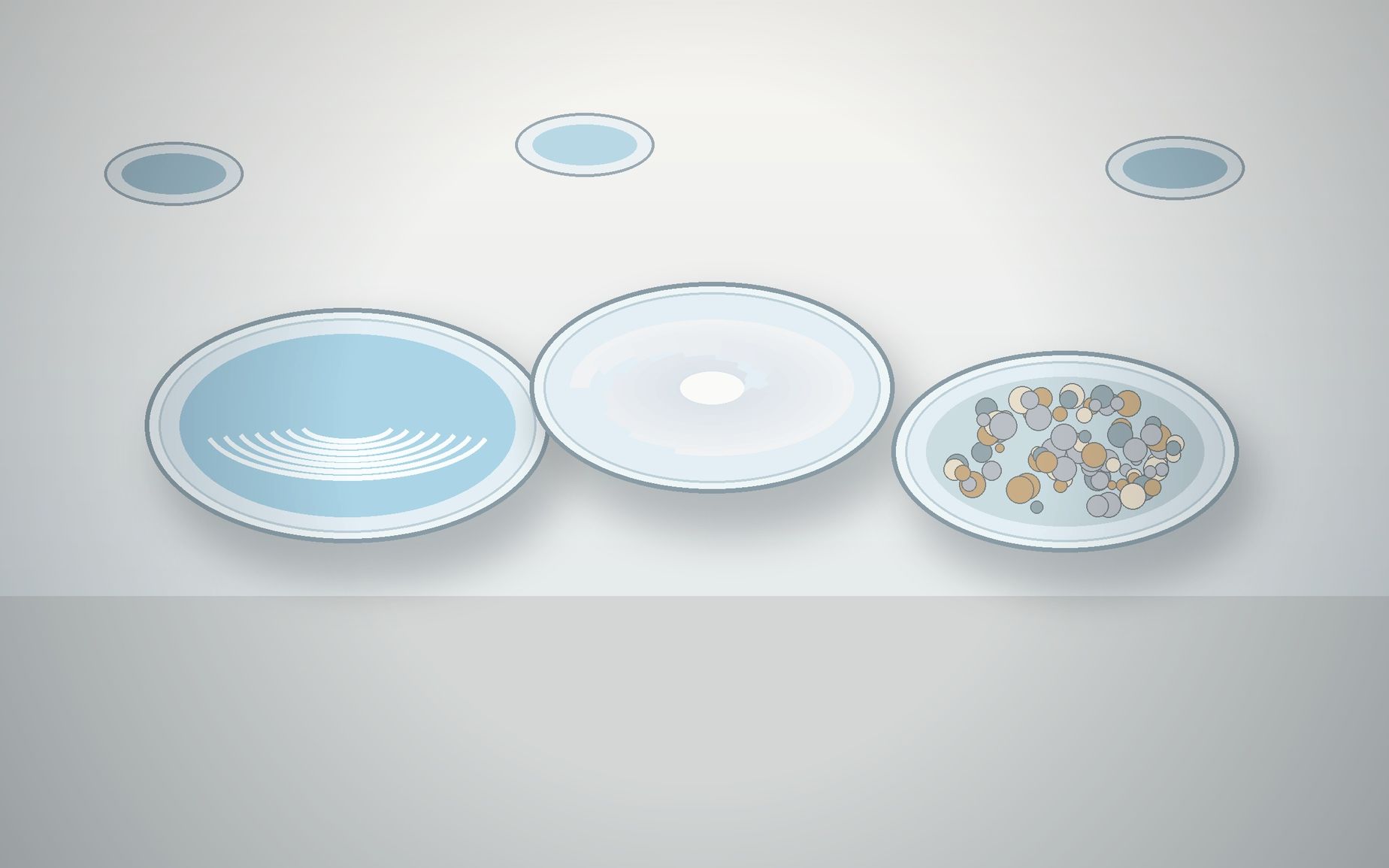 Figure 5. Personal care formulation work often compares silicone-fluid families for slip, spread, gloss, compatibility and sensory tuning.
Formulated Silicone Fluid Blends
Some projects are easier to qualify as a formulated silicone fluid rather than as a single neat polymer. Examples include silicone fluid emulsions, PDMS dispersions, silicone-polyether blends, silicone fluid/resin blends and viscosity-adjusted mixtures. A formulated blend can simplify incorporation or create a different handling window, but its specification must define the active components and the performance target clearly.
- For an emulsion or dispersion: identify active silicone chemistry, active content, carrier system, emulsion type if relevant, viscosity and stability expectations.
- For a multi-fluid blend: identify the target viscosity, component restrictions, volatility profile and any required functional group content.
- For a fluid/resin or functional blend: describe the downstream coating, release, wetting, lubrication or formulation objective so the blend can be evaluated as a system rather than by one ingredient alone.
Key Parameters to Include in a Silicone Fluid RFQ
| Parameter |
What to Send |
Why It Matters |
| Base chemistry |
PDMS / dimethyl, phenyl-modified, polyether-modified, amino, epoxy or other functional family |
Prevents confusion between fluids with similar viscosity but different compatibility or behavior. |
| Viscosity |
Target cSt or mm²/s at a stated temperature |
Controls flow, damping, spread, film thickness, pumping and handling. |
| Functional group |
Vinyl, Si-H, OH, amino, epoxy, carbinol or other group; include target content if known |
Defines reactivity and downstream cure or modification route. |
| Volatility profile |
Low-volatility requirement, evaporation behavior, residue or volatile-content target |
Separates low-viscosity needs from true volatile-carrier requirements. |
| Physical properties |
Appearance, color, refractive index, specific gravity or flash point where relevant |
Supports identity, optical, process and handling requirements. |
| Active content / blend ratio |
Neat fluid, emulsion, dispersion or blend composition |
Essential for formulated fluid comparisons and dosage calculations. |
| Impurities / analytical limits |
Water, residual catalyst, ionic impurities, volatile cyclics or other project-specific limits |
Critical in sensitive reactions, electronics and high-specification formulations. |
| Application context |
Substrate, resin, catalyst, temperature range, equipment or formulation type |
Lets the supplier evaluate chemistry in the real operating window rather than in isolation. |
Custom Silicone Fluid Solutions
When the standard product list does not match your process window, Eata Silicon can review a custom silicone fluid or project-specific blend. Share the closest chemistry, target viscosity, functional group, formulation form and critical specification points, and we can evaluate a tailored material route.
Send your silicone fluid requirement to Eata Silicon to discuss a standard, equivalent or customized option for your project.
For Research or Industrial Raw Materials, Not For Personal Medical Use!