Between the lump and the powder sits a form factor with its own logic: the granule. Small enough to dissolve quickly and pour like a liquid, coarse enough to handle without dust, silicon granules do things the other formats cannot. They charge furnaces in seconds instead of minutes, pack crucibles tighter than chunks ever will, and flow through automated feeding systems without bridging or clogging.
Eata Silicon supplies silicon granules in two families — crushed and screened metallurgical granules for alloying and chemistry, and fluidized-bed granular polysilicon for solar crystal growth. Current availability sits in the product list below; the rest of this page explains how the two families differ and where each one earns its place.
Browse Our Products
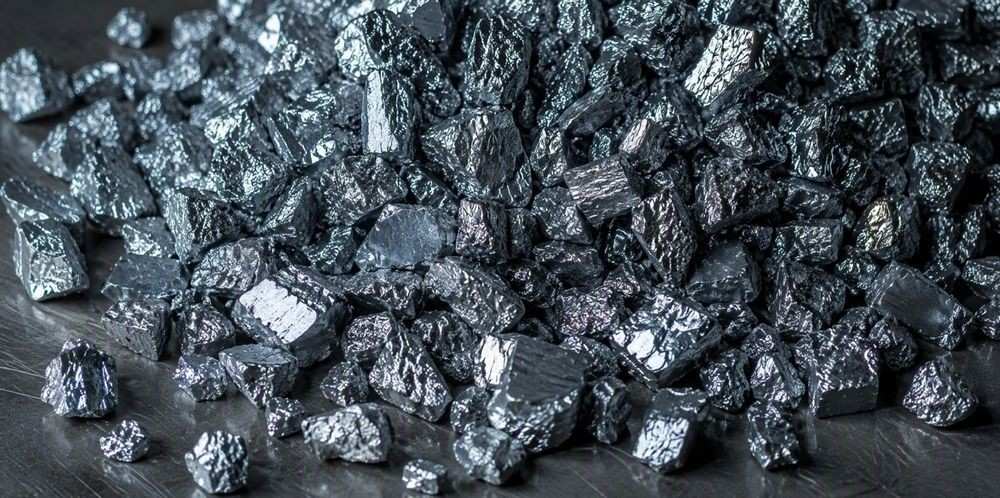 Metallurgical silicon granules, crushed and screened to size.
What Are Silicon Granules?
Silicon granules are sized particles of elemental silicon, typically between 0.5 and 10 mm across, that keep the metallic luster and high melting point of bulk silicon while gaining the handling character of a bulk solid that flows. Two very different production routes deliver this format, and buyers should know which one they are getting.
Two Routes to Granular Form
Crushed and screened granules start as silicon metal lumps — grades 553, 441, 3303, or 2202 — that pass through crushers and vibrating screens until only the target size window remains. The angular, faceted particles that result inherit the lump's chemistry exactly, making this the straightforward choice for aluminum alloying, deoxidation, and chemical feedstock.
FBR granular polysilicon grows from gas instead. Inside a fluidized bed reactor, silane decomposes onto tiny seed particles, building small round beads layer by layer. The process runs continuously, needs no crushing step, and consumes roughly 70 to 90 percent less electricity per kilogram than the classic Siemens route — which is why granular polysilicon has become the low-carbon feedstock of choice for solar ingot production.
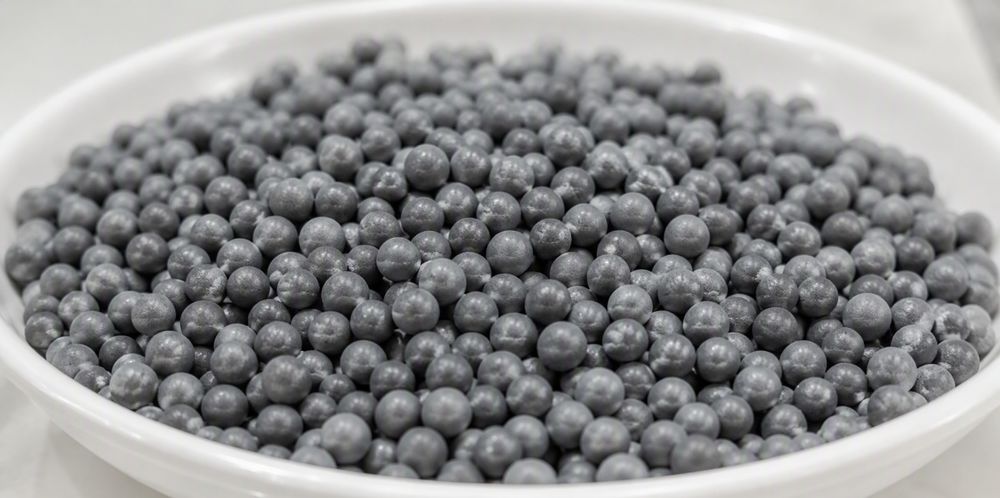 FBR granular polysilicon: small, round, and free-flowing.
Why Buyers Switch to Granules
- Faster dissolution: in aluminum melts above 740 °C, fast-melting granules integrate within minutes and routinely achieve casting yields above 90%, where lump additions can burn off before they dissolve.
- Automation-ready: free-flowing granules move through pneumatic transport, automated crucible loading, top-off, and recharge systems that chunk material simply cannot feed.
- Denser crucible packing: blending granular polysilicon between chunk pieces has raised initial crucible charge weights by up to 29% and cut loading time by roughly 40% in published ingot plant trials.
- Continuous crystal growth: granular feed makes recharge and continuous Czochralski (CCz) pulling practical, raising the yieldable ingot per production cycle.
- Less dust than powder: granules meter cleanly without the housekeeping and containment overhead that fine powders demand.
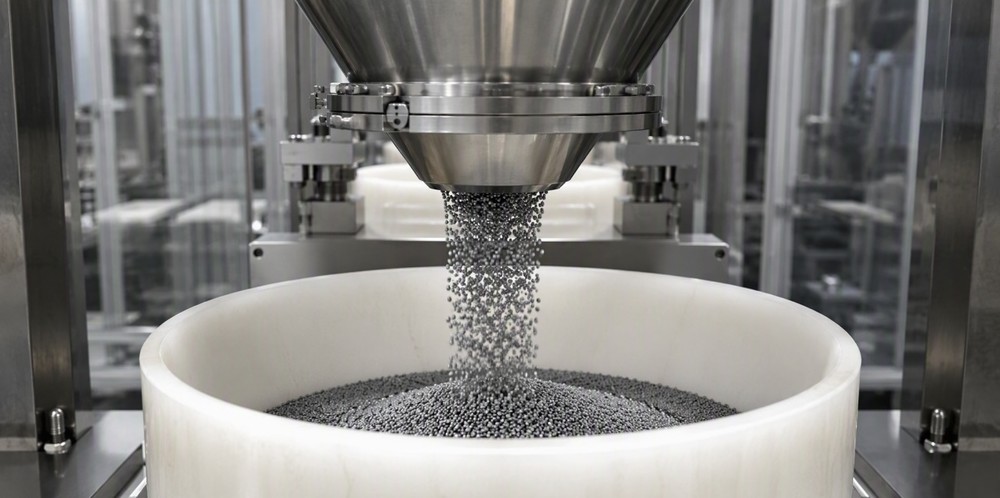 Automated crucible charging with granular feedstock.
Where Silicon Granules Go to Work
- Aluminum casting and alloying: fast-melting granules adjust silicon content directly in the melt for Al-Si alloys, with predictable recovery and easy weighing per addition.
- Solar ingot production: FBR granular polysilicon fills crucibles for CZ pulling and enables top-off, recharge, and CCz strategies that lift furnace throughput.
- Silicone and silane chemistry: sized granules in chemical grades feed fluid-bed direct-process reactors with steady, uniform reaction surfaces.
- Steelmaking: granular additions deoxidize and alloy specialty steels where lump dissolution time would slow the tap-to-tap cycle.
- Research and pilot lines: small, precisely weighed granules suit crucible trials, powder-metallurgy blends, and materials development work.
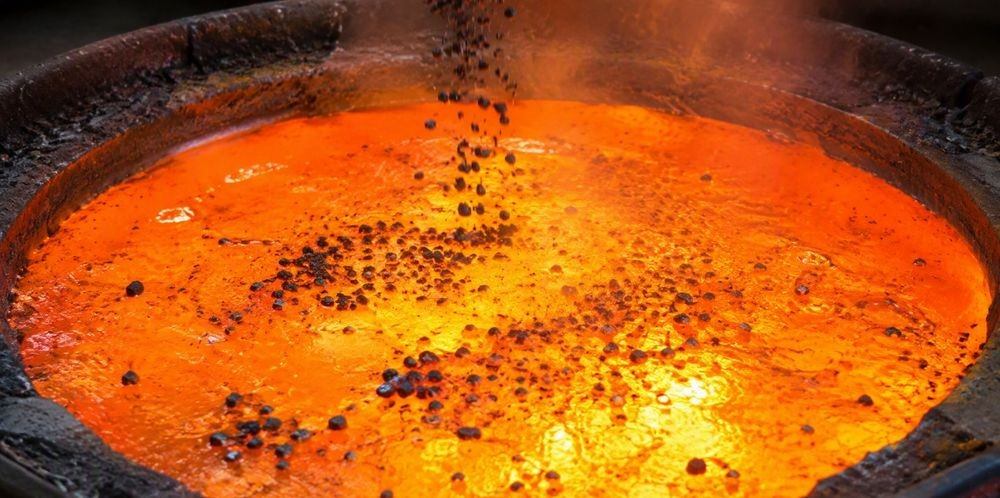 Fast-melting granules going into an aluminum melt.
Representative Products at a Glance
The granules below cover the requests we see most often. Size windows and chemistries beyond this list can be screened or sourced to order.
| Product |
Origin |
Typical Specification |
Main Applications |
| Fast-Melting Silicon Granules |
Crushed & screened |
≥95% Si, sized granules |
Direct additions to aluminum melts |
| Silicon Metal Granules 553 |
Crushed & screened |
≥98.5% Si, 3–10 mm |
Alloying, steel deoxidation |
| Silicon Metal Granules 441 / 3303 |
Crushed & screened |
99–99.3% Si, 3–10 mm |
Silicones, chemical synthesis |
| High-Purity Silicon Granules 2202 |
Crushed & screened |
≥99.5% Si |
Polysilicon blending, specialty alloys |
| FBR Granular Polysilicon |
Fluidized bed |
≥6N, round beads |
CZ crucible charging, recharge |
| n-type FBR Granular Silicon |
Fluidized bed |
≥6N, low B and P |
TOPCon / HJT feedstock |
| Fine Silicon Grit |
Crushed & screened |
0.5–3 mm |
Rapid-dissolve additions, R&D |
Sizes, Grades, and Packaging
- Size windows: standard cuts cover 0.5–3 mm, 1–3 mm, 3–10 mm, and 10–30 mm, held on both the top and bottom of the range by double screening.
- Chemistry: metallurgical granules carry the same 553, 441, 3303, and 2202 grade definitions as lump silicon; FBR material ships at 6N purity and above, with boron- and phosphorus-controlled lots available for n-type programs.
- Packaging: 25 kg cartons and sealed steel drums for small and medium volumes, 1,000–1,200 kg flexible bulk containers for plant-scale consumption, with moisture-barrier liners where the application calls for them.
- Documentation: every lot includes a certificate of analysis; sieve reports and flow-rate data can accompany granule shipments on request.
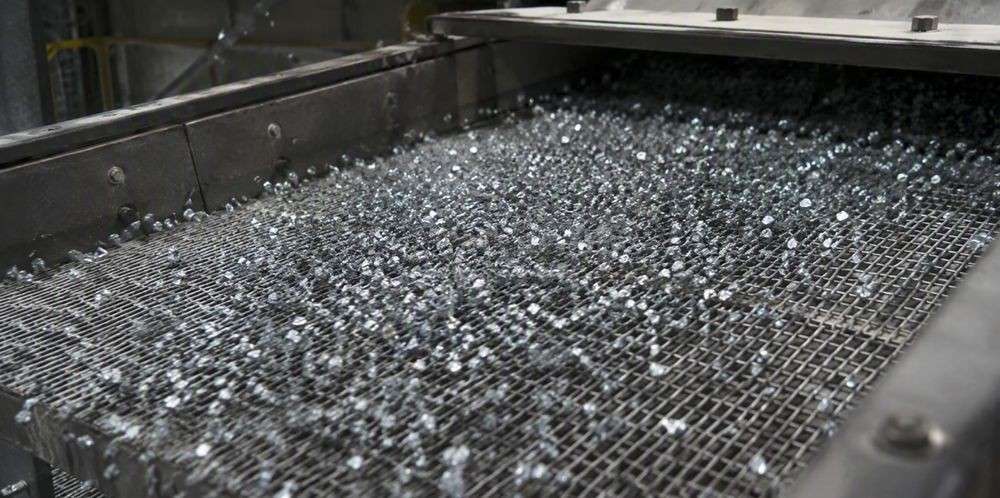 Vibrating screens hold every cut inside its size window.
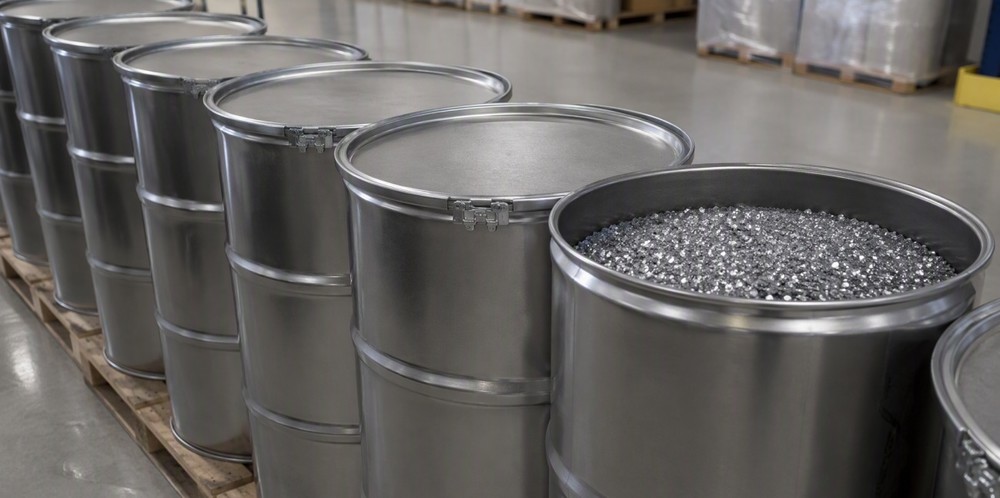 Granules packed and sealed for shipment.
Choosing the Right Silicon Granule
- Adjusting aluminum melt chemistry? Choose fast-melting granules, add above 740 °C, let the charge sit briefly, then stir — recovery stays high and weighing is trivial.
- Charging CZ furnaces? FBR granular polysilicon, alone or blended with chunk, raises charge weight and shortens loading; tell us your crucible size and we will suggest a blend ratio.
- Running n-type cell programs? Specify boron and phosphorus ceilings up front so we can reserve qualifying lots.
- Feeding chemical reactors? Match the grade to your impurity budget — 441 or 3303 for most silicone work — and keep the size window narrow for stable fluidization.
Custom Silicon Granule Services
Off-the-shelf cuts solve most problems — for the rest, we screen to order. Eata Silicon can produce non-standard size windows with tight top and bottom cuts, blend granular and chunk polysilicon to your furnace recipe, reserve low-boron and low-phosphorus FBR lots, and package from kilogram-scale research packs to bulk-container plant supply. Bring us the specification your process actually needs, not the closest catalog entry.
Send us your size window, chemistry limits, and application — we will configure a granule that runs right the first time.
For Research or Industrial Raw Materials, Not For Personal Medical Use!