Siloxane intermediates are compact silicon-oxygen building blocks used to introduce defined reactivity before a final silicone, hybrid polymer, coating or functional material is formed. The Si-O-Si backbone provides a chemically distinctive platform, while hydride, vinyl, epoxy, amino, hydroxyl and other attached groups determine what the molecule can do in the next synthesis or formulation step.
Eata Silicon supports specification-led sourcing of low-molecular-weight siloxanes for synthesis, formulation development and advanced materials programs. Instead of treating every siloxane as interchangeable, we help buyers compare functionality, molecular architecture, purity requirements, volatility, critical impurities and downstream reaction conditions.
Why Siloxane Intermediates Matter in Material Design
The value of a siloxane intermediate is not simply that it contains silicon. It is that a short, well-defined Si-O-Si segment can carry reactive groups into a later material without starting from a full silicone polymer. This makes disiloxanes and related low-molecular-weight siloxanes useful when formulators need precise functionality, lower molecular size or a controlled route to a more complex organosilicon structure.
A functional siloxane can be used as a synthetic building block, a reactive modifier, a crosslinking component, a surface-chemistry precursor or a route to more highly functional silicone materials. The correct choice depends on the reaction pathway rather than on a generic "silicone" label.
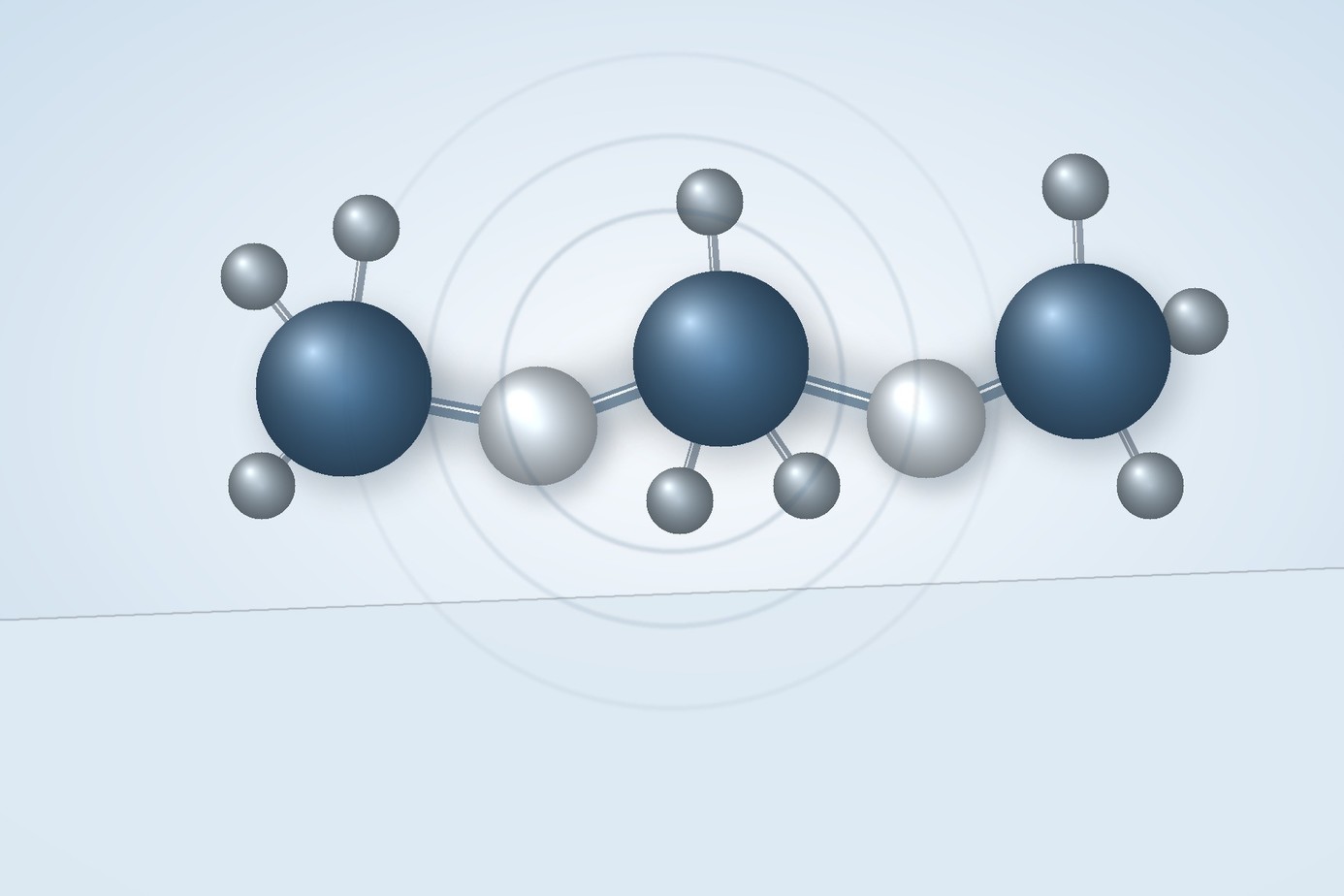 Figure 1. A short siloxane segment provides a compact Si-O-Si framework that can be tailored with different reactive groups.
Functionality Changes the Reaction Path
Two siloxanes with similar molecular size can behave very differently when the attached groups change. For sourcing, the functional group is usually the fastest way to narrow the candidate list.
Hydride-functional siloxanes
Si-H functionality is commonly selected for hydrosilylation and further organosilicon functionalization. TMDSO and pentamethyldisiloxane are widely recognized search terms in this family. |
Vinyl / allyl siloxanes
Unsaturated groups provide handles for addition reactions, cross-coupling routes and the preparation of new functional silicone structures. |
Epoxy-functional siloxanes
Glycidoxy-containing disiloxanes combine a compact siloxane segment with epoxy reactivity for resin modification, reactive diluent concepts and additional derivatization. |
Amino-functional siloxanes
Primary amines provide nucleophilic organic functionality for further synthesis, reactive modification and interface-oriented formulation work. |
Hydroxyl-functional siloxanes
Hydroxyalkyl groups give formulators an additional route to downstream derivatization where a terminal hydroxyl is required. |
Nonfunctional / specialty siloxanes
Low-molecular-weight siloxanes such as HMDSO are important as defined organosilicon feedstocks and precursor materials even when they are not designed around a strongly reactive organic end group. |
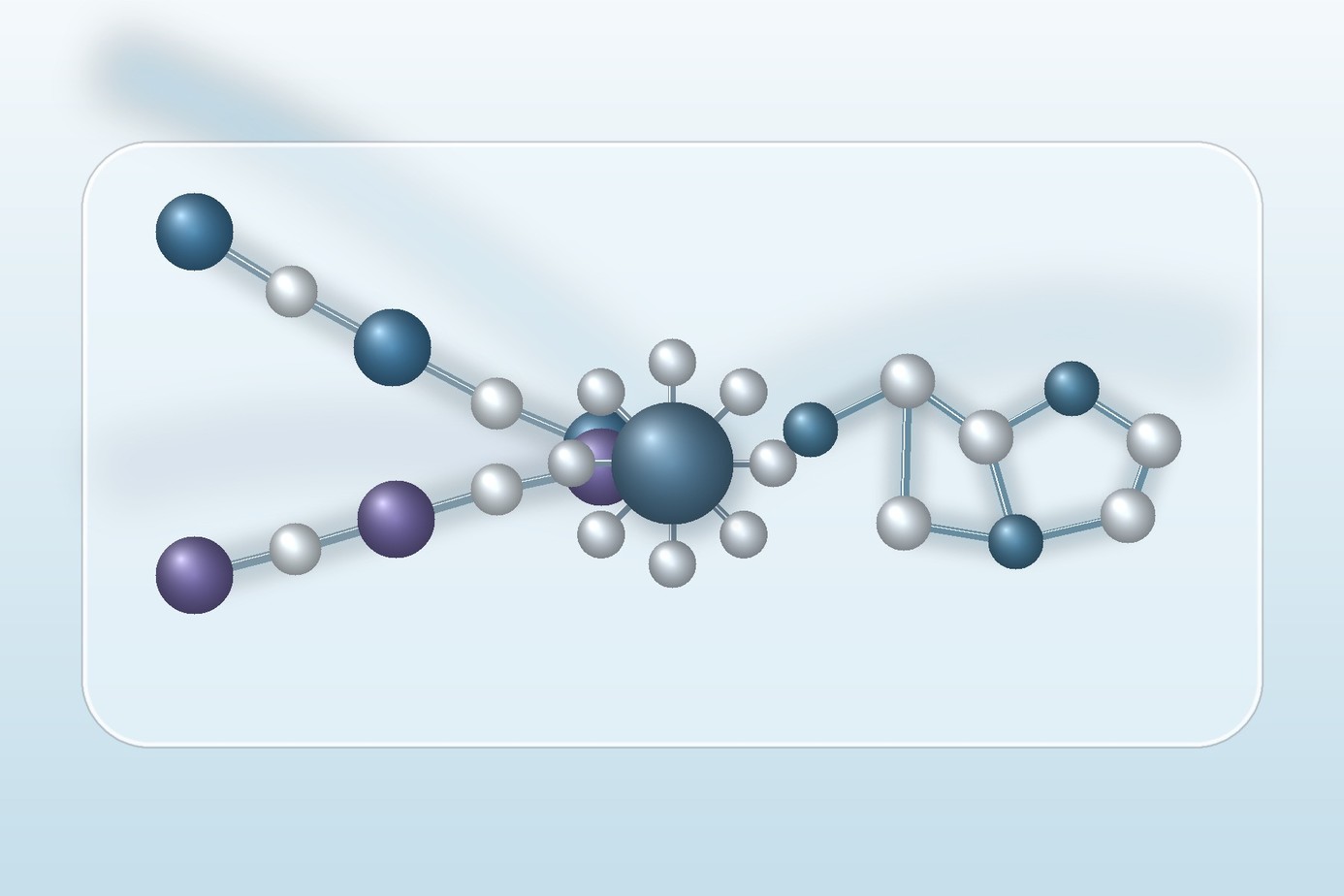 Figure 2. Different functional siloxanes open distinct routes for coupling, addition reactions and downstream network design.
Representative Siloxane Intermediate Products
| Functionality |
Representative product / keyword |
CAS No. |
Technical context |
| Nonfunctional |
Hexamethyldisiloxane (HMDSO) |
107-46-0 |
Low-molecular-weight organosilicon feedstock; used in plasma-coating precursor chemistry and synthesis workflows. |
| Hydride |
1,1,3,3-Tetramethyldisiloxane (TMDS / TMDSO) |
3277-26-7 |
Hydride-bearing disiloxane used as a synthetic intermediate and hydrosilylation reagent. |
| Hydride |
Pentamethyldisiloxane |
1438-82-0 |
Monohydride siloxane building block for further functionalization and specialty synthesis. |
| Vinyl |
1,3-Divinyltetramethyldisiloxane |
2627-95-4 |
Vinyl-functional disiloxane used in hydrosilylation-related chemistry and as a vinyl donor in synthetic work. |
| Vinyl |
Vinylpentamethyldisiloxane |
1438-79-5 |
Mono-vinyl low-molecular-weight siloxane for additional functionalization routes. |
| Epoxy |
1,3-Bis(glycidoxypropyl)tetramethyldisiloxane |
126-80-7 |
Difunctional epoxy-bearing disiloxane for reactive resin and organosilicon development. |
| Epoxy |
(3-Glycidoxypropyl)pentamethyldisiloxane |
18044-44-5 |
Mono-epoxy siloxane used in epoxy-resin modifier and low-surface-tension chemistry. |
| Amine |
1,3-Bis(3-aminopropyl)tetramethyldisiloxane |
2469-55-8 |
Amine-functional disiloxane building block for further synthesis and reactive modification. |
| Hydroxyl |
1,3-Bis(hydroxypropyl)tetramethyldisiloxane |
18001-97-3 |
Hydroxy-functional siloxane intermediate for further derivatization. |
| Cyano |
1,3-Bis(cyanopropyl)tetramethyldisiloxane |
18027-80-0 |
Polar-functional disiloxane used in specialty surface and derivatization chemistry. |
How to Specify a Siloxane Intermediate
| Decision point |
What to specify |
Why it matters |
| Target structure |
Chemical name, CAS number, drawing or closest commercial analogue |
Avoids confusion between similar disiloxanes and isomers. |
| Reactive functionality |
Hydride, vinyl, allyl, epoxy, amino, hydroxyl, cyano or other group |
Defines the intended downstream reaction. |
| Assay and impurities |
Target purity plus water, residual catalyst, chloride, color or other critical limits |
Sensitive synthesis and electronic-material processes may respond strongly to trace components. |
| Physical properties |
Boiling range, density, viscosity or refractive index where relevant |
Useful for identity checks, handling and process design. |
| Process conditions |
Solvent, catalyst, reaction temperature, resin or substrate |
Helps evaluate compatibility before qualification. |
| Analytical package |
Requested GC, NMR, FTIR or other acceptance data |
Aligns the material with your internal qualification method. |
| Packaging needs |
Pack size, moisture protection, inert headspace or container preference |
Matches handling to the chemistry and scale of use. |
From a Small Molecule to an Interface
Functional siloxanes are often selected because they can carry organic reactivity and a silicon-oxygen segment into the same molecule. In coatings, resin modification and surface-oriented systems, this combination gives formulators a route to adjust wetting, compatibility, interfacial chemistry or crosslinking behavior without starting from a high-molecular-weight silicone fluid.
Performance still depends on the full formulation: substrate chemistry, catalyst, moisture, resin functionality, cure conditions and the amount of siloxane used all influence the result. For this reason, Eata Silicon recommends matching the intermediate to the complete process rather than selecting by CAS number alone.
 Figure 3. Functional siloxanes can be evaluated at interfaces where a thin organic-silicon layer meets oxide, ceramic or mineral-rich surfaces.
Where Siloxane Chemistry Connects with Energy Materials
Siloxane intermediates are upstream building blocks, not finished battery or power-electronics materials. Their importance comes from the silicone and hybrid systems they can help create. Commercial silicone technologies are used in encapsulants, gels, adhesives, coatings, seals and thermal-management materials for power modules, inverters, charging equipment, battery systems and renewable-energy electronics.
For buyers developing an energy-material formulation, this makes the intermediate selection question practical: which functionality, chain size and impurity profile best supports the silicone network, surface treatment or hybrid resin you want to build? Hydride and vinyl siloxanes may be relevant to addition-type chemistry, while epoxy or amino structures can be considered when organic resin compatibility or additional reactive handles are required.
 Figure 4. Silicone-based encapsulation and protective materials are widely used around power electronics and energy-conversion components.
Why Buyers Source Siloxane Intermediates from Eata Silicon
- Chemistry-first matching: compare the actual reactive group and molecular architecture before narrowing the product name.
- Specification-driven discussion: define the purity, critical impurities and analytical requirements that matter to the downstream process.
- Application-aware sourcing: connect the intermediate to silicone synthesis, coating, resin, surface or energy-material development instead of treating it as a commodity liquid.
- Flexible qualification support: review standard catalog-type structures together with related analogues when the first candidate does not fit.
- Custom project options: discuss alternative functionality, molecular symmetry, assay targets, impurity limits or a project-specific siloxane structure when a standard material is not enough.
When the required reaction window cannot be reached with a standard structure, Eata Silicon can review a custom siloxane intermediate or a project-specific specification. A program may start from a different end group, asymmetric functionality, a defined disiloxane or short-chain architecture, a tighter impurity target, or an analogue selected around the downstream resin and catalyst system.
For the most focused discussion, share the target structure or closest known product, the reaction you intend to run, any required CAS or molecular features, target assay, critical impurity limits, expected quantity and the analytical methods used for acceptance. We can then evaluate a suitable standard option, related analogue or custom development pathway.
 Figure 5. Custom siloxane programs can begin from a target functionality and controlled synthesis route rather than a catalog name alone.
Discuss Your Siloxane Intermediate Requirement
Send Eata Silicon the structure, functionality, specification and downstream process you need, and we will review a suitable standard or customized material route.
| Catalog Number |
Product Name |
Order |
Quantity |
|
ORM-0041 |
1,1,1,3,3,3-Hexachloro Disiloxane CAS 14986-21-1
|
Inquiry
|
|
|
ORM-0077 |
Tetramethyldisiloxane Hydride-Functional Intermediate
|
Inquiry
|
|
|
ORM-0078 |
Dimethylcyclosiloxane Mixture, 2.1–2.5 mm²/s
|
Inquiry
|
|
|
ORM-0079 |
Crystalline Hexamethylcyclotrisiloxane (D3) Intermediate
|
Inquiry
|
|
|
ORM-0080 |
Octamethylcyclotetrasiloxane (D4), ≥99.0% Content
|
Inquiry
|
|
|
ORM-0081 |
Decamethylcyclopentasiloxane (D5) Personal-Care Intermediate
|
Inquiry
|
|
|
ORM-0082 |
1,3-Dichloro-1,1,3,3-tetraisopropyldisiloxane, CAS 69304-37-6
|
Inquiry
|
|
|
ORM-0083 |
1,3-Dichloro-1,1,3,3-tetramethyldisiloxane, CAS 2401-73-2
|
Inquiry
|
|
|
ORM-0084 |
Octachlorotrisiloxane, CAS 31323-44-1
|
Inquiry
|
|
|
ORM-0085 |
Hexamethyldisiloxane Purity Series, ≥99–99.999%
|
Inquiry
|
|
For Research or Industrial Raw Materials, Not For Personal Medical Use!