Epoxy-functional silicone resins introduce epoxy reactivity into siloxane-rich structures, giving formulators a practical route to combine epoxy cure chemistry with performance associated with silicone. Depending on the architecture, these materials can be used to tune adhesion, thermal performance, weather resistance, crack resistance, electrical insulation, surface wetting or low-stress behavior without treating every "silicone epoxy" as the same chemistry.
Eata Silicon supports specification-led sourcing for epoxy-functional silicone oligomers, epoxy-modified silicone resin binders, glycidyl- and alicyclic-epoxy siloxanes, epoxy-functional PDMS derivatives, and related coupling or interface modifiers. For productive grade matching, the most useful inputs are functional-group type, epoxy equivalent, backbone architecture, viscosity, cure route, compatible resin or substrate, and the property you need to improve.
What "Epoxy-Functional Silicone Resin" Can Mean
| Raw-material family |
Chemistry / architecture |
Typical formulation role |
Key data to define |
| Epoxy + alkoxysilyl silicone oligomer |
Epoxy groups combined with hydrolyzable alkoxy-silane functionality on an oligomeric silicon-containing structure. |
Resin modifier, coupling agent, adhesion and organic/inorganic interface control. |
Epoxy equivalent; methoxy/ethoxy content; viscosity; active content; target resin and substrate. |
| Alicyclic epoxy-functional silicone oligomer |
Cyclic or linear siloxane structures carrying two or more alicyclic epoxy groups. |
Main resin or reactive modifier in heat-, UV- or cationic-curable epoxy systems; low-shrink or crack-resistant designs depending on architecture. |
Epoxy functionality; epoxy equivalent; cyclic vs linear structure; viscosity; cure package. |
| Glycidyl-functional siloxane oligomer |
Glycidyl epoxy groups attached to a silicone oligomer, including cyclic structures. |
Epoxy resin modification, reactive network incorporation and crack-resistance tuning. |
Epoxy equivalent; number and placement of epoxy groups; viscosity; compatibility. |
| Epoxy-functional PDMS / siloxane polymer |
Terminal or pendant epoxy functionality on a flexible polysiloxane chain. |
Low-stress epoxy modification, adhesives, coatings, encapsulation and hybrid polymer design. |
Terminal vs pendant structure; molecular range; epoxy level; viscosity; cure chemistry. |
| Epoxy-modified silicone resin |
Hybrid binder in which silicone resin and organic epoxy resin chemistries are combined. |
Heat-resistant, corrosion-resistant, water-resistant and electrically insulating coating systems. |
Resin solids; solvent system; epoxy functionality; curing agent; film requirements. |
| Epoxy-functional silane or silane oligomer |
Glycidoxy or related epoxy functionality paired with alkoxy-silane groups. |
Adhesion promotion, filler treatment, glass/metal/mineral coupling, reinforced composites and filled epoxies. |
Silane structure; hydrolysis conditions; dosage; filler/substrate; moisture control. |
Why Formulators Use Epoxy-Silicone Chemistry
A conventional epoxy system is usually chosen for rigidity, adhesion, chemical resistance and established cure options. A siloxane segment changes the design space. Commercial technical literature shows that epoxy-functional silicones can be structured for low-stress behavior, dielectric performance, controlled surface properties, low cure shrinkage, improved wetting, crack resistance or enhanced compatibility with epoxy resins. Which benefit dominates is governed by molecular architecture rather than by the word "silicone" alone.
- Reactive epoxy functionality: selected silicone oligomers contain glycidyl or alicyclic epoxy groups that participate directly in epoxy cure chemistry instead of remaining as a non-reactive additive.
- Architecture-dependent cure behavior: commercial epoxy-only siloxane oligomers may be designed for acid-anhydride, thermal-cationic or photo-cationic curing, while epoxy-modified silicone resin binders can use conventional epoxy coating hardeners when the formulation supports them.
- Low-shrink and crack-resistant options: cyclic siloxane structures are used where cure shrinkage matters, and bifunctional structures are available when crack resistance or flexibility is a priority.
- Interface control: epoxy/alkoxy-silane oligomers and epoxy-functional silanes can couple organic resin chemistry to glass, silica, ceramics, metal oxides and mineral fillers.
- Electrical and protective-coating performance: epoxy-modified silicone resins are used in heat-resistant, corrosion-resistant and electrical-insulating coating systems.
- Processing options: some linear epoxy-siloxane oligomers are comparatively low in viscosity and can improve wetting or function as reactive diluents in compatible epoxy formulations.
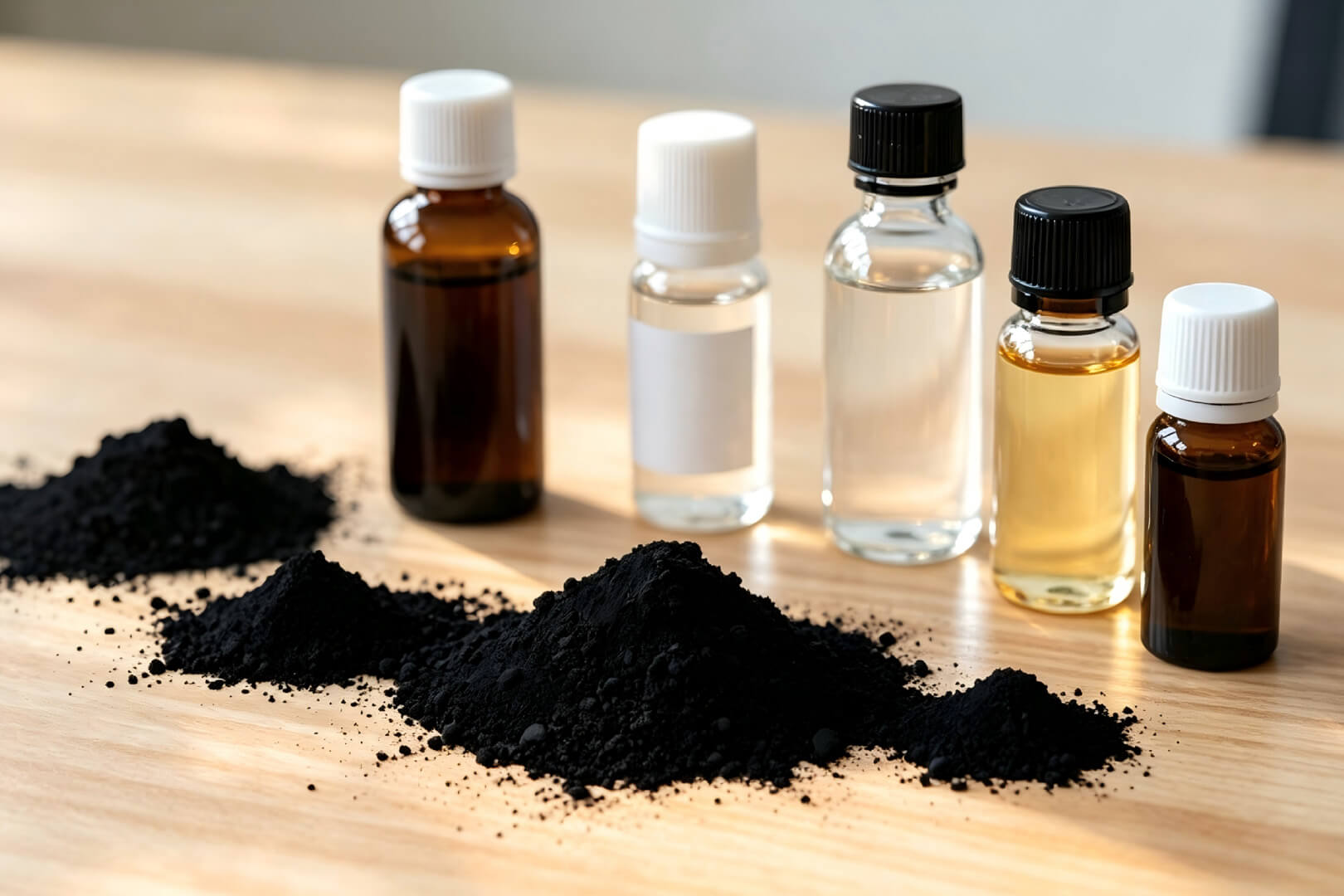
 Fig. 1. A reactive epoxy-silicone liquid phase can be selected as a resin modifier, coupling component or curable building block depending on its architecture.
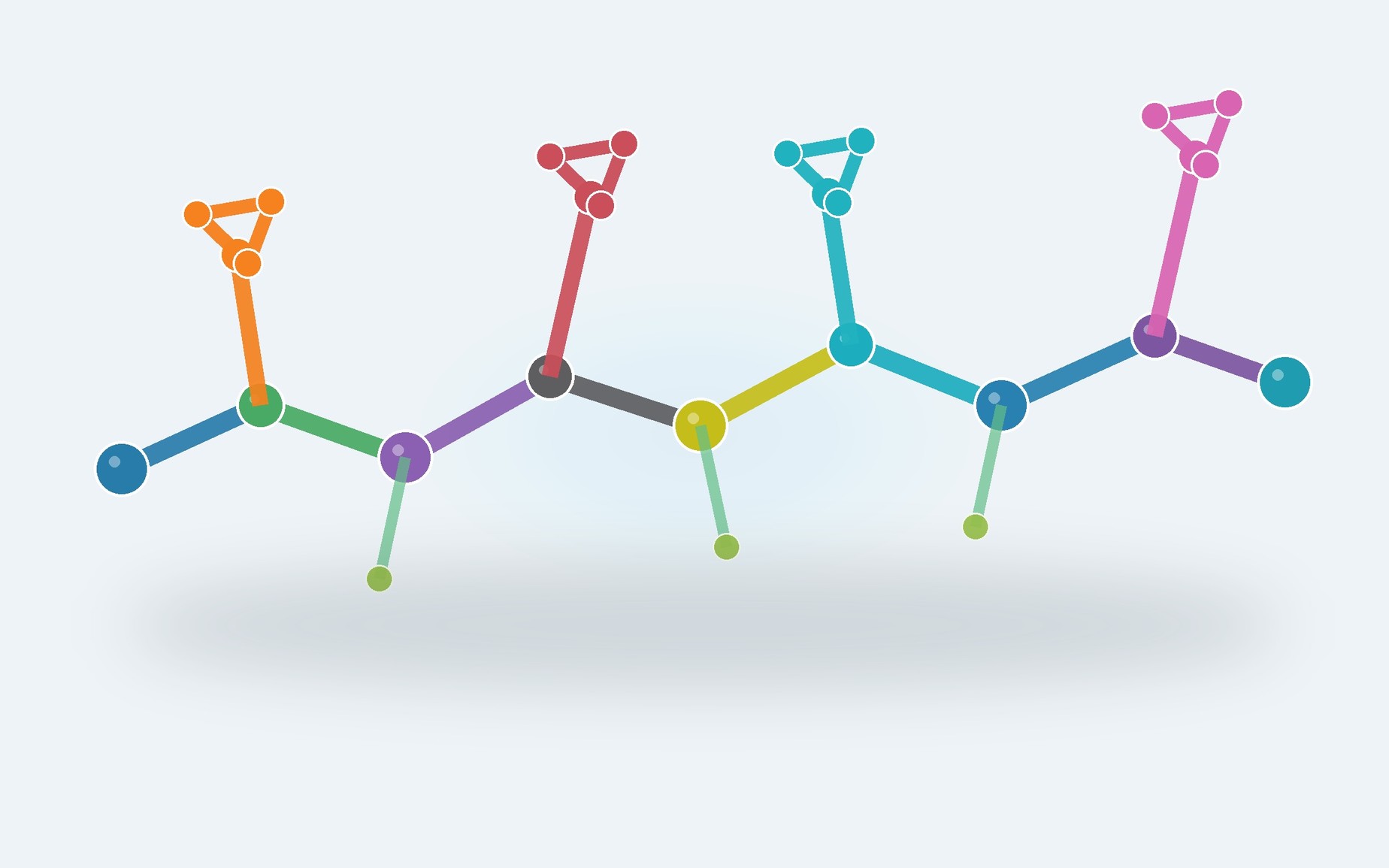 Fig. 2. Conceptual epoxy-functional siloxane architecture showing how reactive sites can be distributed along a silicone-rich molecular framework.
Related Products
| Related Products |
What it may mean in a formulation |
| epoxy-functional silicone resin / epoxy silicone resin |
Broad category; confirm whether the need is a directly epoxy-functional siloxane or an epoxy-resin-modified silicone binder. |
| epoxy-modified silicone resin / silicone-modified epoxy resin |
Hybrid binder or resin-modification route combining epoxy and silicone characteristics. |
| glycidyl-functional silicone oligomer |
Siloxane oligomer carrying glycidyl epoxy groups; often requested for epoxy compatibility and reactive network design. |
| alicyclic epoxy siloxane / cycloaliphatic epoxy silicone |
Epoxy-only reactive silicone oligomer family used in heat or cationic UV-curable systems. |
| epoxy-functional PDMS / epoxy-terminated silicone |
Flexible polysiloxane with terminal or pendant epoxy groups for epoxy modification. |
| epoxy silane oligomer / glycidoxy silane |
Coupling and adhesion chemistry for glass, minerals, metal oxides, fillers and organic resin systems. |
| reactive silicone resin modifier for epoxy |
Procurement term used when the silicone is intended to become part of the cured resin network. |
| low-viscosity silicone epoxy reactive diluent |
Linear epoxy-siloxane structures selected where viscosity reduction, wetting and reactivity are all relevant. |
| heat-resistant silicone epoxy coating resin |
Hybrid binder search term for protective industrial coatings and electrical-insulation formulations. |
| epoxy-functional silicone for electronic encapsulation |
Reactive silicone-containing material sought for filled epoxy, potting or component-protection development. |
Application Areas
Heat-Resistant and Corrosion-Resistant Coatings
Epoxy-modified silicone resin binders are commercially used in heat-resistant and corrosion-protective paints because silicone resin contributes heat and weathering performance while the epoxy component supports adhesion, water resistance and corrosion protection. Depending on grade and hardener choice, systems may be designed for room-temperature or heat curing.
Electrical Insulation and Electronic Protection
Silicone-epoxy chemistry is relevant where a coating, encapsulant or filled resin must combine electrical performance with durable adhesion to inorganic or metallic surfaces. Published supplier literature includes electrical-insulating paints as well as epoxy silane use in electronic encapsulation and packaging systems.
Adhesives, Sealants and Interface Promotion
Epoxy-functional silanes and oligomeric silanes can react with organic resin chemistry while hydrolyzable silane groups interact with inorganic surfaces. That dual affinity is useful in primers, adhesives, sealants and filled resin systems where wet and dry adhesion, filler bonding or interfacial durability is important.
Composites and Mineral-Filled Epoxy Systems
Silane coupling chemistry can improve the connection between epoxy matrices and glass, silica or mineral fillers. In filled formulations, better interface quality can support dispersion, mechanical performance, water resistance and electrical behavior, although the correct silane level and hydrolysis conditions must be established for the specific filler and resin.
UV / Thermal Reactive Coatings and High-Solids Formulations
Selected alicyclic-epoxy and glycidyl-functional silicone oligomers are available as solvent-free reactive materials for heat or cationic UV curing. Linear low-viscosity structures can also serve as reactive diluents where wetting, leveling and lower processing viscosity are part of the formulation target.
 Fig. 3. Thin epoxy-silicone hybrid protection across copper and ceramic interfaces illustrates the adhesion and barrier demands found in electrical material assemblies.
Select the Architecture Before Comparing Viscosity
Viscosity is useful for processing, but it is not a chemical identity. Two epoxy-functional silicone materials at similar viscosity can have different epoxy equivalents, numbers of reactive groups, backbones and cure mechanisms. Start with structure, then use viscosity and form to narrow the practical grade.
| Architecture |
What the structure changes |
Where it fits |
| Cyclic, tetrafunctional alicyclic epoxy siloxane |
High crosslink functionality; cyclic siloxane backbone; commercial references emphasize low cure shrinkage. |
High-crosslink resin or modifier; heat/cationic cure programs. |
| Cyclic, bifunctional alicyclic epoxy siloxane |
Two epoxy functions with cyclic siloxane structure. |
Crack-resistant epoxy modification with low-shrink design. |
| Linear, bifunctional alicyclic epoxy siloxane |
Straight-chain siloxane with two epoxy functions; lower-viscosity examples are commercially available. |
Reactive dilution, wetting and leveling in compatible epoxy systems. |
| Cyclic, bifunctional glycidyl siloxane |
Glycidyl epoxy chemistry on a cyclic siloxane structure. |
Epoxy compatibility and crack-resistance tuning. |
| Epoxy + alkoxysilyl oligomer |
Epoxy group plus hydrolyzable Si-OR groups. |
Coupling / resin modification at organic-inorganic interfaces. |
| Terminal or pendant epoxy PDMS |
Flexible polysiloxane chain carrying epoxy groups at ends or along the chain. |
Low-stress modification, adhesives, coatings and encapsulation. |
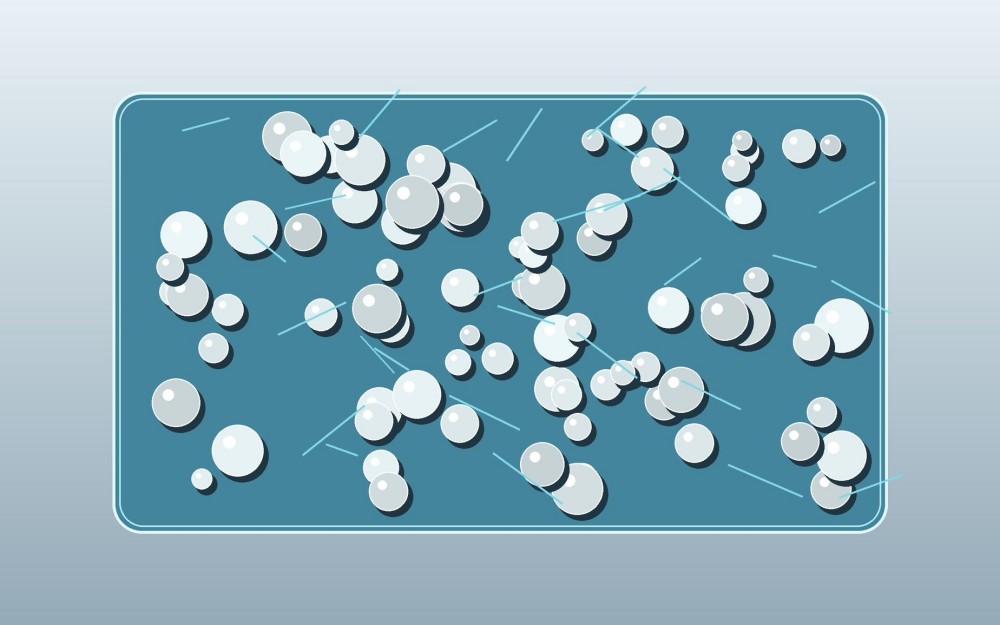 Fig. 4. Dispersed ceramic particles inside an epoxy-silicone matrix represent filled formulations where resin-filler adhesion and electrical-material performance are evaluated together.
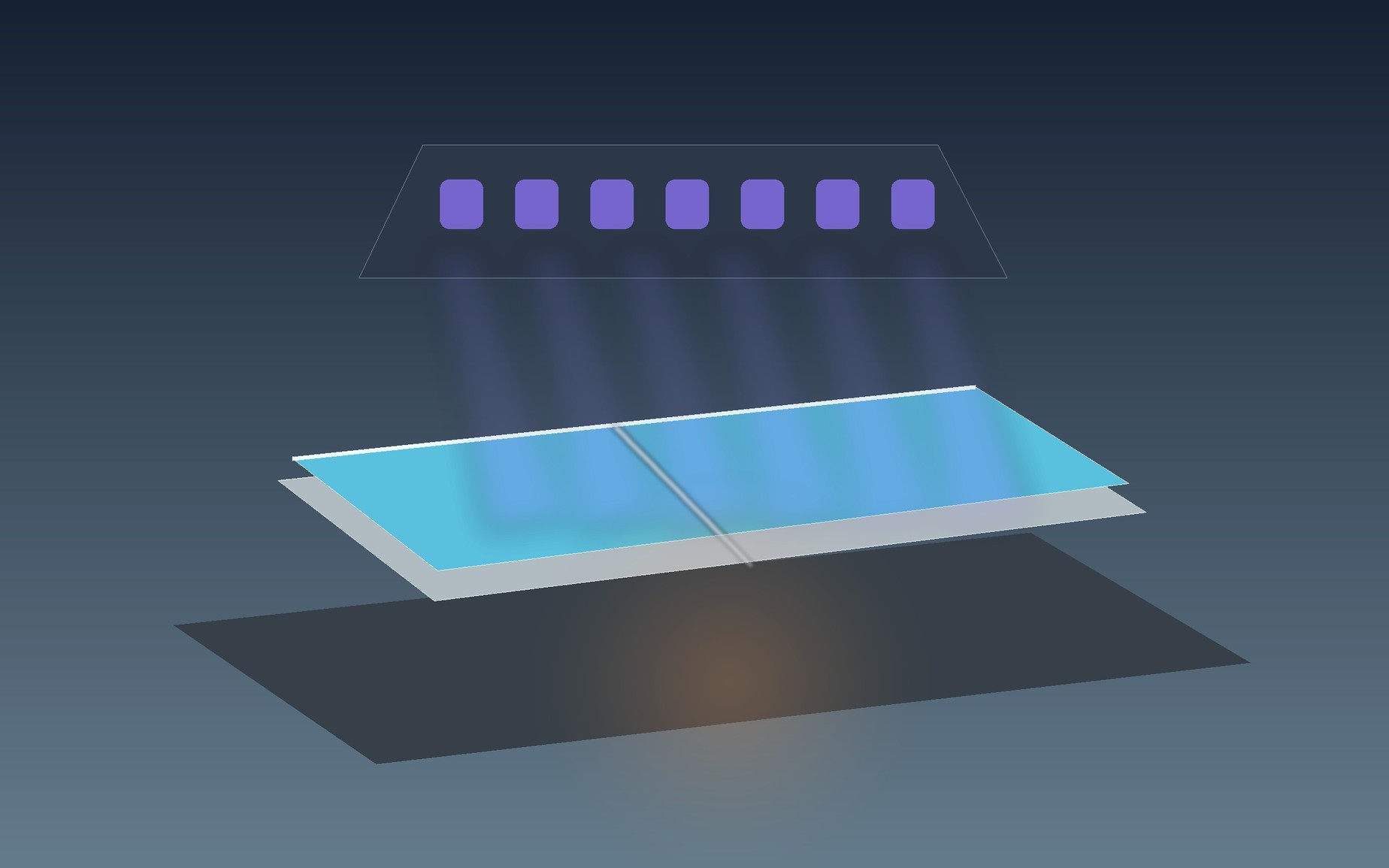 Fig. 5. Controlled UV or thermal curing is one processing route for reactive epoxy-siloxane coatings when the functional group and catalyst package are designed for that mechanism.
Standard grades are useful starting points, but silicone-epoxy projects often need tighter control of structure and compatibility. Eata Silicon can discuss customized targets for epoxy equivalent, glycidyl or alicyclic functionality, cyclic or linear siloxane architecture, terminal or pendant functionality, alkoxy co-functionality, viscosity, active content, solution format, water/color limits and other project-specific analytical requirements.
Share the epoxy resin or coating platform, intended cure mechanism, filler or substrate, process window and the performance property you want to move. We can review a standard chemistry, a close analogue or a custom raw-material route suited to the formulation objective.
Build the formulation around the chemistry you actually need.
Contact Eata Silicon to discuss epoxy-functional silicone resin selection or a custom specification.
For Research or Industrial Raw Materials, Not For Personal Medical Use!