Silicone gum is the high-molecular-weight polymer foundation behind many high-consistency silicone rubber systems. Instead of behaving like a conventional low-viscosity silicone fluid, it has a gum-like, highly viscous or non-flowing character that makes it suitable as a base polymer for compounding, curing and downstream modification.
Eata Silicon supports buyers who need silicone gum selected around the real formulation target: polymer chemistry, functional group content, molecular-weight or plasticity window, volatile profile, cure route, carrier resin or end-use process. That specification-first approach helps narrow the material family before detailed grade qualification begins.
What Is Silicone Gum?
At the molecular level, silicone gum is a very high molecular weight polysiloxane, commonly based on a silicon-oxygen backbone with organic groups such as methyl and, in reactive grades, vinyl. The gum itself is an uncured polymer. In HCR or HTV formulations, it is compounded with reinforcing fillers such as silica, processing aids and other additives, then converted into an elastomer through an appropriate cure system.
One widely used commercial family is dimethylsiloxane/methyl vinyl silicone gum. Vinyl functionality creates reactive sites that can participate in crosslinking, while the high molecular weight gives the material the consistency needed for solid-rubber compounding. Ultra-high-molecular-weight silicone gum is also used in polymer-additive and masterbatch technologies for plastics and composites.
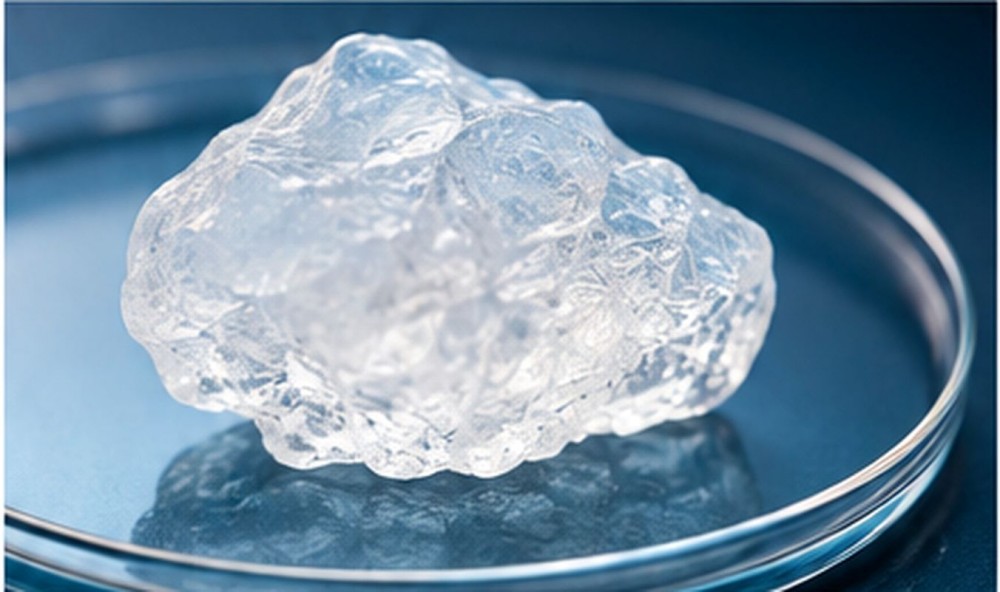
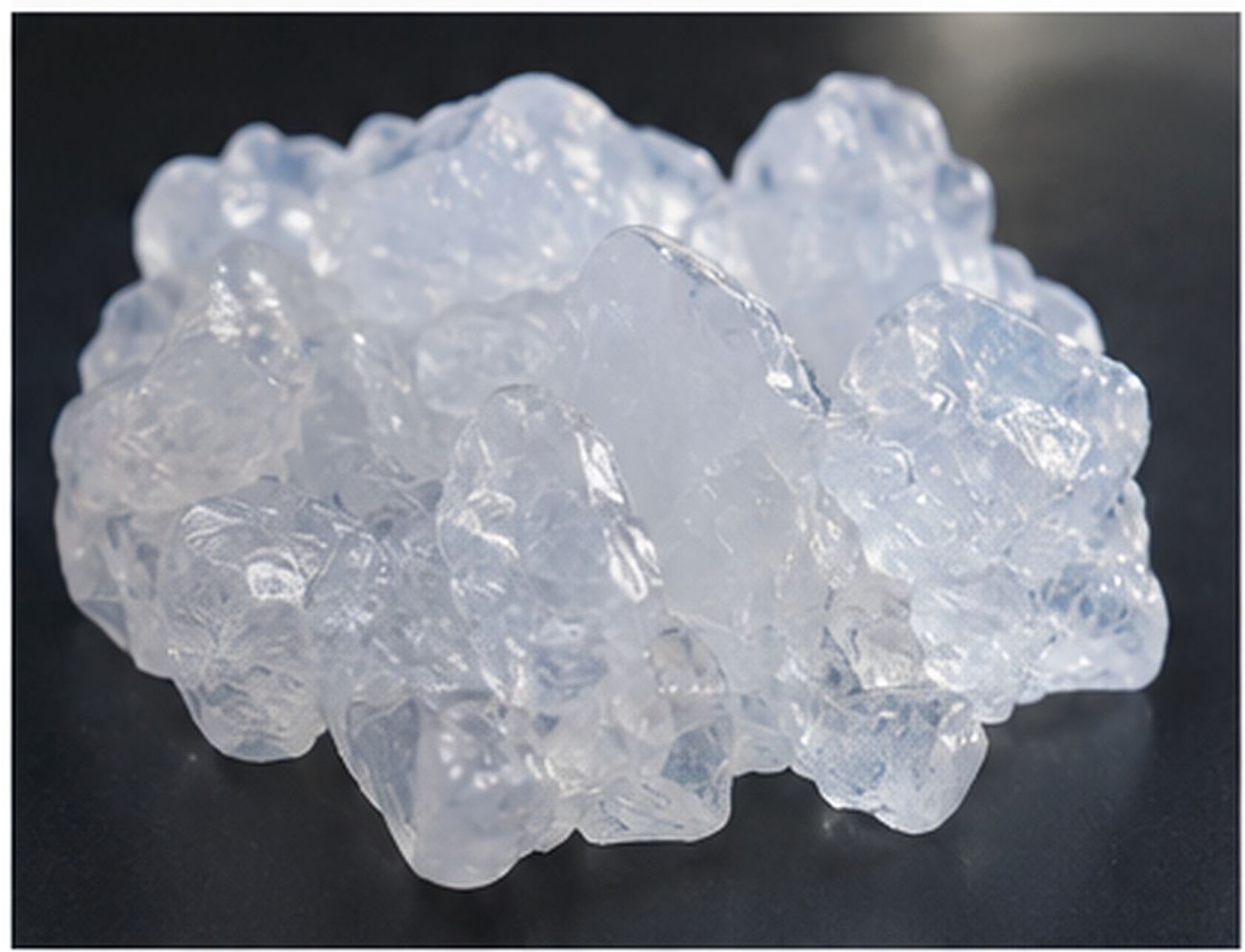 Representative visual of a translucent high-consistency silicone raw material.
Why High Molecular Weight Matters
Molecular architecture changes both processing and the behavior of the final cured network. A high-molecular-weight silicone backbone provides the polymer framework that can be reinforced, pigmented, modified and crosslinked. For buyers, the useful question is not simply "Is this silicone gum?" but "Which gum chemistry and molecular profile fit the formulation?"
Selection starts with the polymer, not the finished rubber.
Silicone gum is a raw polymer ingredient. Finished HCR/HTV performance depends on the entire compound, including silica, additives, cure package and processing conditions. For that reason, grade selection should be tied to the intended formulation rather than to a single generic property claim.
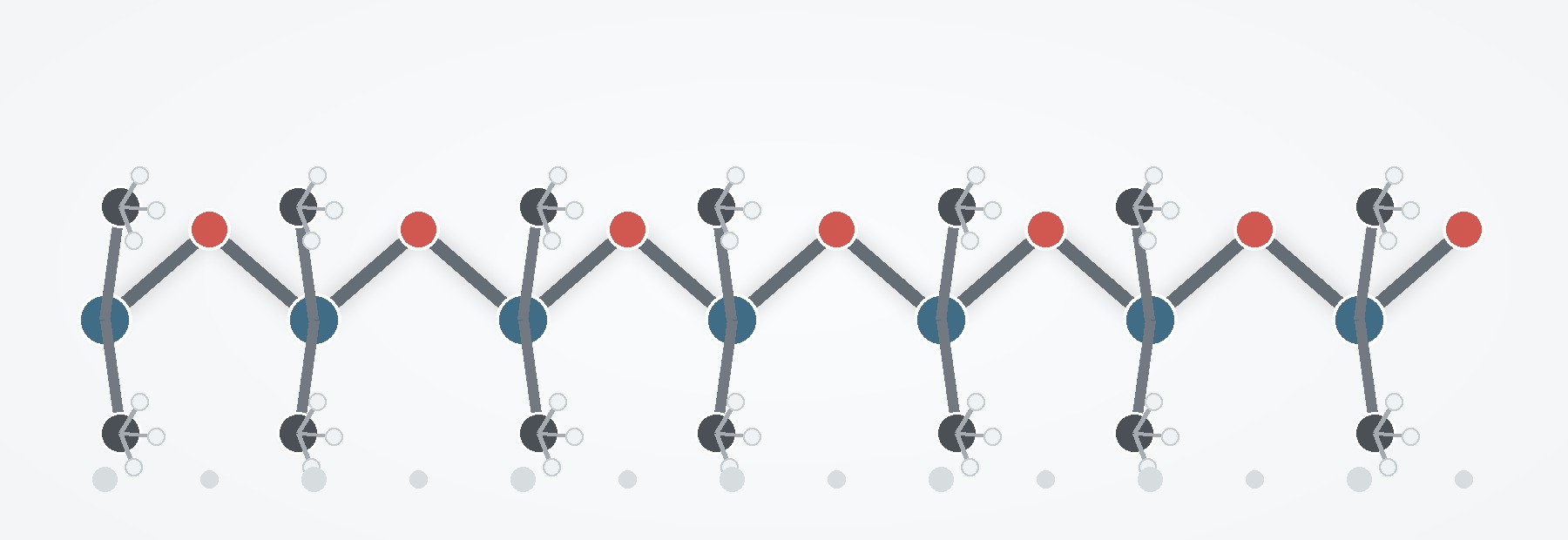 Conceptual view of the alternating siloxane backbone that defines silicone polymers.
Key Buying Variables for Silicone Gum
| Selection Parameter |
Why It Matters |
| Polymer family / functionality |
Dimethyl, methyl-vinyl or another specified polysiloxane architecture; identify the functional groups required for the cure or modification route. |
| Vinyl or reactive-group content |
Important for network design and cure behavior in reactive silicone systems; specify a target range when it is a critical formulation variable. |
| Molecular weight / plasticity |
Defines the high-consistency character and influences mixing, filler incorporation and processing. Use the supplier test method or agreed specification. |
| Volatile profile |
Low-molecular siloxanes and total volatile matter may be controlled when they affect processing, cleanliness or final-material requirements. |
| Appearance and cleanliness |
Color, visible contamination and handling condition can matter for transparent, light-colored or tightly controlled formulations. |
| Cure-system compatibility |
Peroxide-cured and platinum-catalyzed systems place different demands on polymer functionality, formulation components and contamination control. |
| Downstream process |
Kneader mixing, two-roll milling, extrusion, calendering, molding, masterbatch compounding or polymer blending should be identified during material matching. |
Related Silicone Gum Products
| Common Search Term |
Technical Context |
| Methyl Vinyl Silicone Gum / VMQ Gum |
High-molecular-weight silicone gum containing methyl groups and vinyl functionality; a common raw-polymer family for HCR/HTV compounding. |
| Dimethylsiloxane-Methyl Vinyl Gum |
Another technical description for methyl-vinyl silicone gum used in silicone rubber masterbatches and compounded elastomers. |
| High-Molecular-Weight PDMS Gum |
Search term for very high molecular weight polysiloxane materials with a gum-like consistency. |
| Ultra-High-Molecular-Weight Silicone Gum |
Terminology frequently used for silicone gum technologies incorporated into plastics and composite masterbatches. |
| Silicone Raw Gum for HCR / HTV |
Base polymer terminology used when the gum will be compounded into high-consistency or heat-cured silicone rubber. |
| Vinyl-Functional Silicone Gum |
Useful search term when vinyl content is a key variable for the intended crosslinking or compound design. |
| Silicone Gum Masterbatch Feedstock |
High-molecular-weight polysiloxane used directly or through a carrier-based masterbatch route for polymer processing or surface modification. |
| Silicone Elastomer Base Polymer |
Broader buyer term for reactive high-molecular-weight silicone polymers that become part of a cured elastomer network. |
| Silicone Gum for Wire and Cable Compounds |
Application-led search term for silicone rubber raw materials intended for electrical insulation and cable-related formulations. |
Where Silicone Gum Is Used
HCR and HTV Silicone Rubber Compounding
High-consistency silicone rubber is built from reactive silicone gums with very high molecular weight. The gum is mixed with reinforcing silica and selected additives to create a compound that can later be cured. Depending on the polymer and formulation, peroxide or platinum-catalyzed cure routes may be used. This makes silicone gum a starting material for extruded profiles, molded technical parts, tubing, gaskets, cable components and other solid silicone rubber products.
 HCR and HTV compounding turns silicone gum into formulated rubber for extrusion and molding.
Polymer Modification and Silicone Gum Masterbatches
Ultra-high-molecular-weight silicone gum can also be introduced into thermoplastic or elastomer formulations through a carrier-based masterbatch. Commercial examples show this approach in plastics and composites, where silicone gum can modify processing behavior, lubricity and surface performance. The right carrier resin and silicone-gum loading depend on the host polymer and the intended fabrication method.
- Plastics and composite compounding
- Extrusion-based fabrication, including wire, cable and pipe
- Injection and compression molding
- Film and specialty polymer processing
Electrical, Power and Energy-Related Material Systems
Silicone rubber formulations are widely selected where electrical insulation, flexibility and thermal aging performance matter. For energy and power applications, the silicone gum is not the final insulation by itself; it is the polymer base that becomes part of a formulated and cured elastomer. Relevant downstream areas can include cable insulation, electrical connectors, insulators, protective components and other high-consistency rubber parts used around power systems.
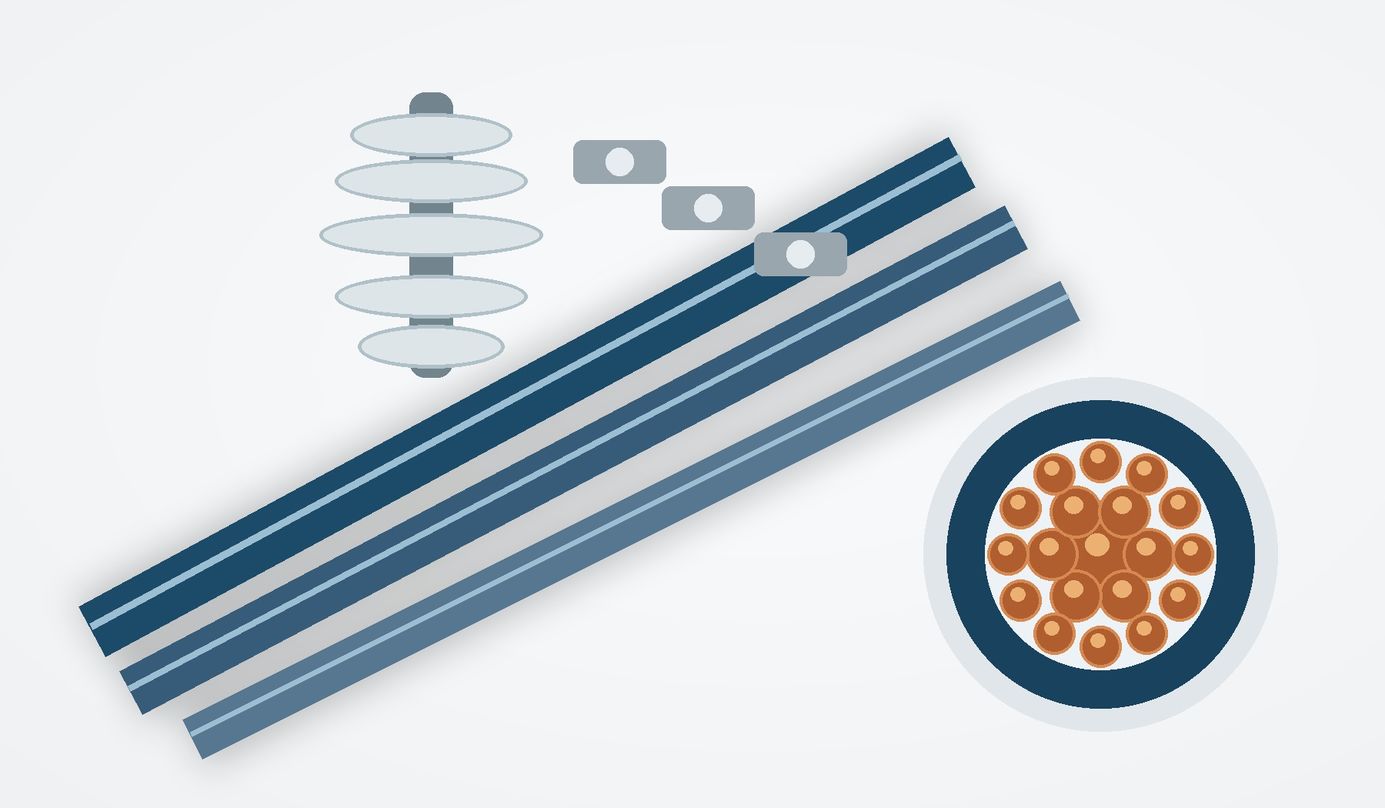 Electrical and power systems often use formulated silicone rubber for cable and insulation components.
Pigment, Additive and Specialty Masterbatch Preparation
High-molecular-weight silicone gum is also used as a matrix or processing component in silicone-rubber masterbatches. A commercial dimethylsiloxane/methyl vinyl gum, for example, is marketed for HCR masterbatches, pigment masterbatches and process additives in plastics and organic elastomers. This is a useful route when formulators need to pre-disperse color, processing aids or other ingredients before final compounding.
 Material selection starts with polymer architecture, functionality and a clear analytical target.
Silicone gum projects are often application-specific. Eata Silicon can discuss customized targets around polymer family, vinyl or other functionality, molecular-weight or plasticity window, volatile profile, cleanliness requirements, material form, packaging and project-specific analytical criteria. Customization is evaluated against the requested chemistry and process requirements.
For a new project, send your target application, formulation route and the specifications that are truly critical. We can use that information to evaluate a suitable standard grade, a related material option or a custom silicone gum specification for further qualification.
Discuss your silicone gum requirements with Eata Silicon.
Share the intended HCR/HTV compound, plastics or composite system, electrical application, masterbatch route or research formulation together with the key polymer specifications you need. A clear technical brief is the fastest way to begin material matching and quotation.
For Research or Industrial Raw Materials, Not For Personal Medical Use!