Blocking occurs when two film or coating surfaces develop unwanted adhesion during winding, stacking, storage or downstream converting. The result can be difficult unwinding, surface marking, inconsistent release, damaged gloss, or slower handling. Eata Silicon supplies silicone-based anti-blocking and surface-control raw-material directions for formulators who need to reduce this contact adhesion while preserving the appearance and function of the finished surface.
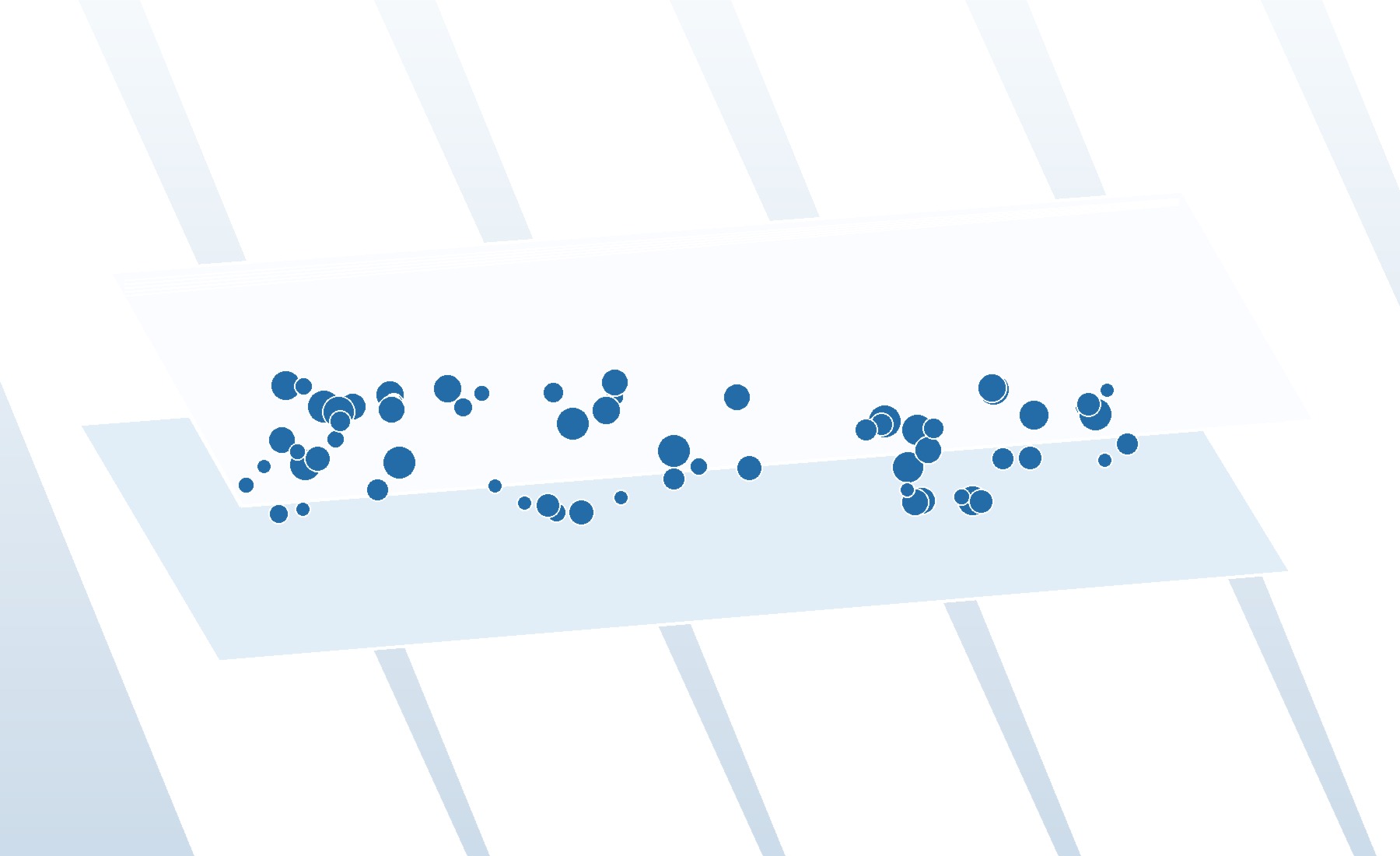 Figure 1. Microscopic spacer effect between adjacent polymer films.
What "Anti-Blocking" Means in a Formulation
Anti-blocking describes resistance to unwanted face-to-face sticking. In a coated film, painted panel, printed layer or stacked surface, blocking can increase when the surfaces are relatively soft, warm, smooth, tacky or held under pressure. Silicone-based surface modifiers can help by lowering interfacial adhesion, reducing coefficient of friction, creating a more mobile low-energy surface, or introducing a durable silicone-rich boundary layer.
| Performance Term |
What It Controls |
| Block resistance |
Reduces unwanted adhesion when two finished surfaces are pressed together during storage, winding or stacking. |
| Slip / low COF |
Reduces friction during sliding or unwinding; useful for handling, converting and surface feel. |
| Mar / abrasion resistance |
Helps the surface tolerate rubbing and contact without visible damage; often improved by high-molecular-weight silicone technologies. |
| Release |
Controls separation from another surface, liner or process interface; related to anti-blocking but selected around a different test and end use. |
How Silicone Chemistry Delivers the Effect
Commercial coating-additive literature shows several silicone routes to anti-blocking. Silicone polyether copolymers can combine surface-tension control with slip and anti-blocking across waterborne, solventborne and UV-curable systems. Ultra-high-molecular-weight silicone dispersions are used when low friction, abrasion resistance, scratch resistance and block resistance need to be built into waterborne coatings and inks. Silicone-containing surface additives can add slip and anti-blocking in solventborne systems, while reactive silicone acrylates are used when the modifier should become more strongly integrated into a radiation-cured film.
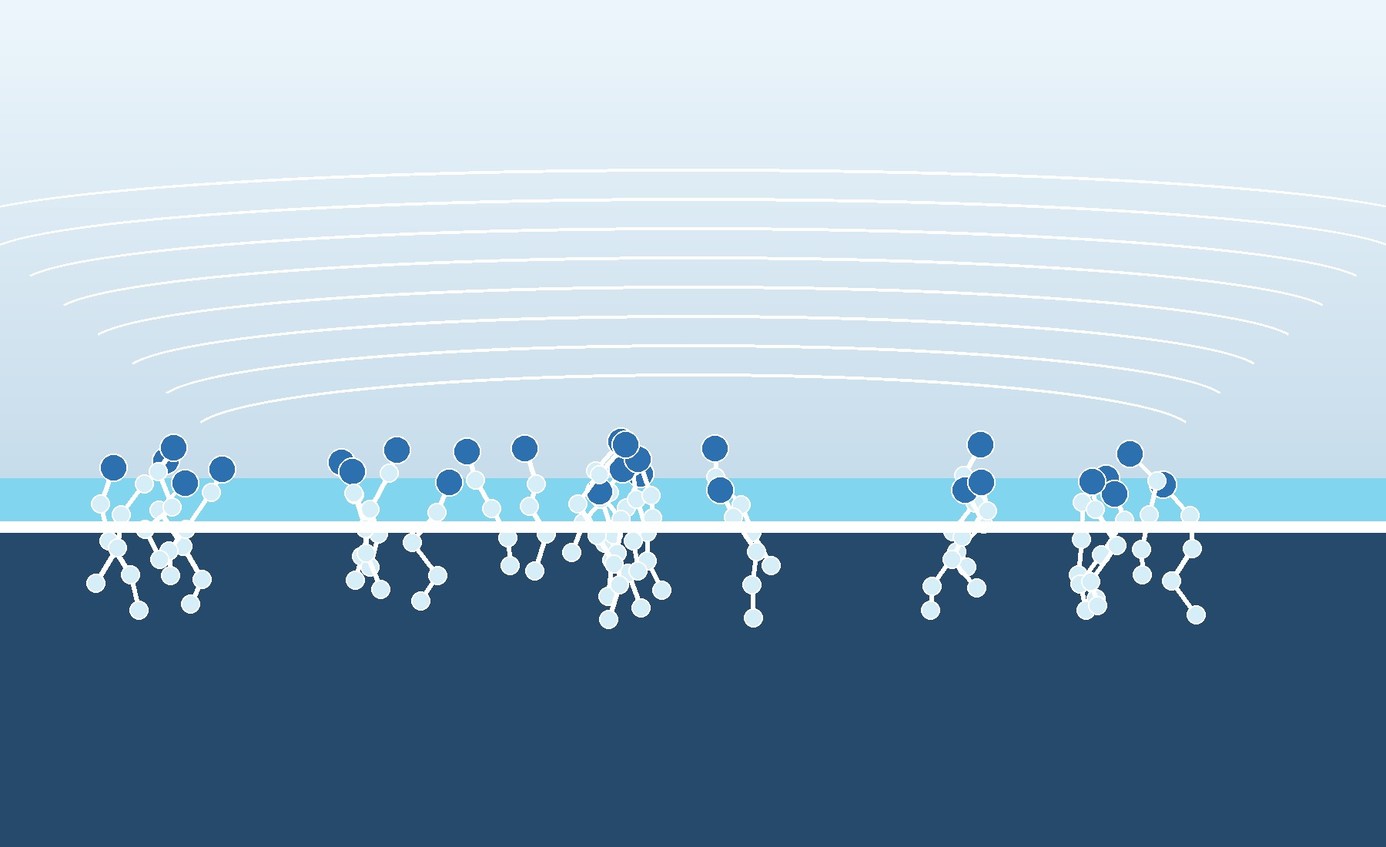 Figure 2. Silicone-rich interfacial layer supporting slip and block resistance.
Product Directions
| Raw Material Direction |
Chemistry Route |
Typical Formulation Direction |
Keywords |
| Silicone Polyether Anti-Blocking Additive |
Organically modified polysiloxane / silicone polyether |
Waterborne, solventborne and UV coatings; inks; overprint varnishes |
anti-blocking silicone polyether; coating slip additive; silicone leveling and anti-blocking additive |
| Ultra-High-Molecular-Weight Silicone Dispersion |
High-MW silicone dispersed in water |
Waterborne wood coatings, paints, inks and OPV systems requiring persistent slip and wear control |
silicone dispersion for anti-blocking; low COF additive; waterborne slip and abrasion additive |
| Silanol-Functional Silicone Dispersion |
Silanol-functional high-MW silicone dispersion |
Waterborne paints, inks and coatings where slip, scratch resistance and anti-blocking are screened together |
silanol silicone dispersion; anti-blocking coating additive; scratch resistant silicone additive |
| Silicone-Containing Surface Additive |
Organomodified silicone surface modifier |
Solventborne coatings and specialty finishes requiring surface-tension reduction and slip |
silicone surface additive; anti-blocking surface modifier; low surface tension slip additive |
| Reactive Silicone Acrylate Surface Modifier |
Crosslinkable silicone-acrylate functionality |
Radiation-curable varnishes, inks and coatings requiring slip, release and controlled migration |
reactive silicone acrylate; UV coating slip additive; radiation cure release modifier |
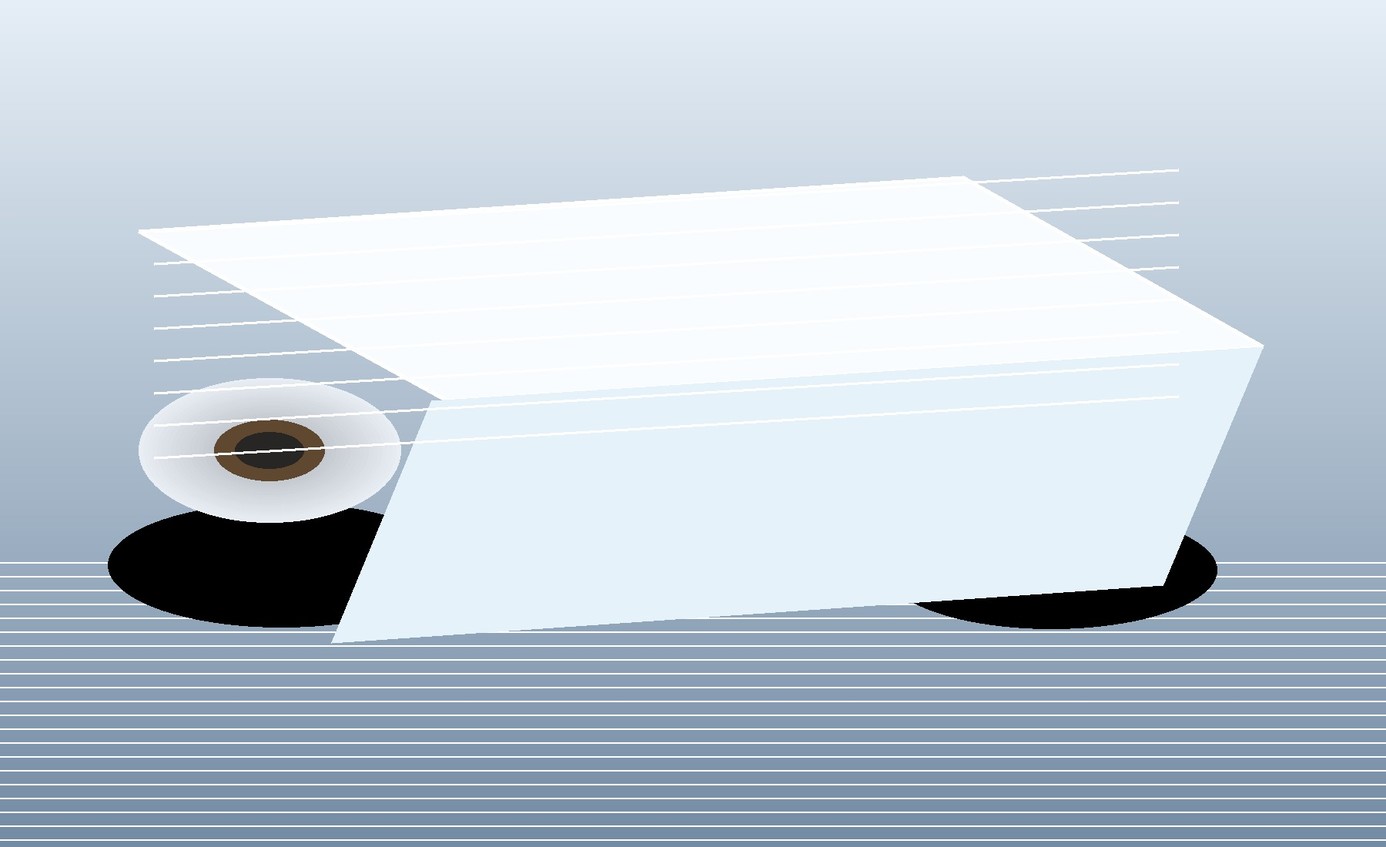 Figure 3. Roll-to-roll film surfaces requiring low-friction anti-blocking control.
Where Anti-Blocking Performance Matters
| Application Area |
Why Surface Separation Matters |
| Waterborne wood and industrial coatings |
Reduce sticking between stacked or contacted coated surfaces while maintaining slip, appearance and recoatability. |
| Printing inks and overprint varnishes |
Improve surface slip and reduce face-to-face blocking during winding, stacking and converting. |
| Polymer and coated films |
Support cleaner unwinding and handling where low-friction surface behavior is required. |
| Radiation-curable coatings and varnishes |
Combine surface wetting, slip or release with reactive structures that can become integrated during cure. |
| Synthetic leather and flexible coated materials |
Reduce tack and sticking while tuning hand feel, abrasion response and surface smoothness. |
| Energy and advanced industrial materials |
Useful in roll-to-roll functional films, coated metal or polymer surfaces, release layers and other converted materials where repeatable surface handling affects manufacturing quality. |
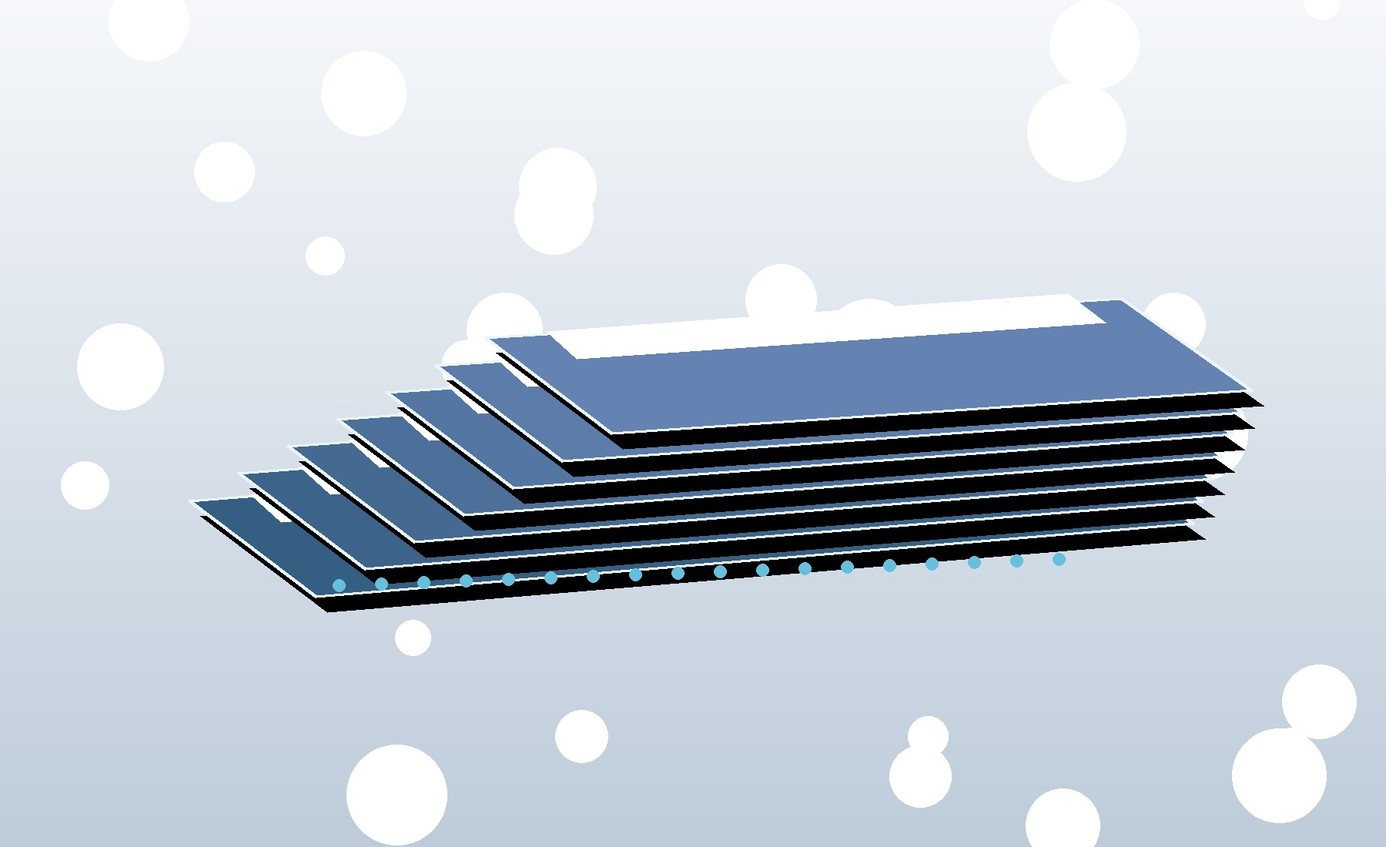 Figure 4. Waterborne coating layers designed for lower tack during stacking.
Practical Formulation and Qualification Points
- Check compatibility before maximizing slip. Excessive surface enrichment can create craters, haze, intercoat adhesion changes or printing/bonding issues in some formulations.
- Evaluate anti-blocking under the real pressure and temperature conditions expected during stacking, winding or storage rather than relying only on a room-temperature touch test.
- Measure coefficient of friction separately from block resistance. A lower COF can support handling, but the two tests describe different failure mechanisms.
- For waterborne systems, compare dispersion stability, crater tendency and film appearance alongside anti-blocking and abrasion results.
- For UV and other radiation-cured systems, consider reactive silicone structures when persistent surface performance and controlled migration are important.
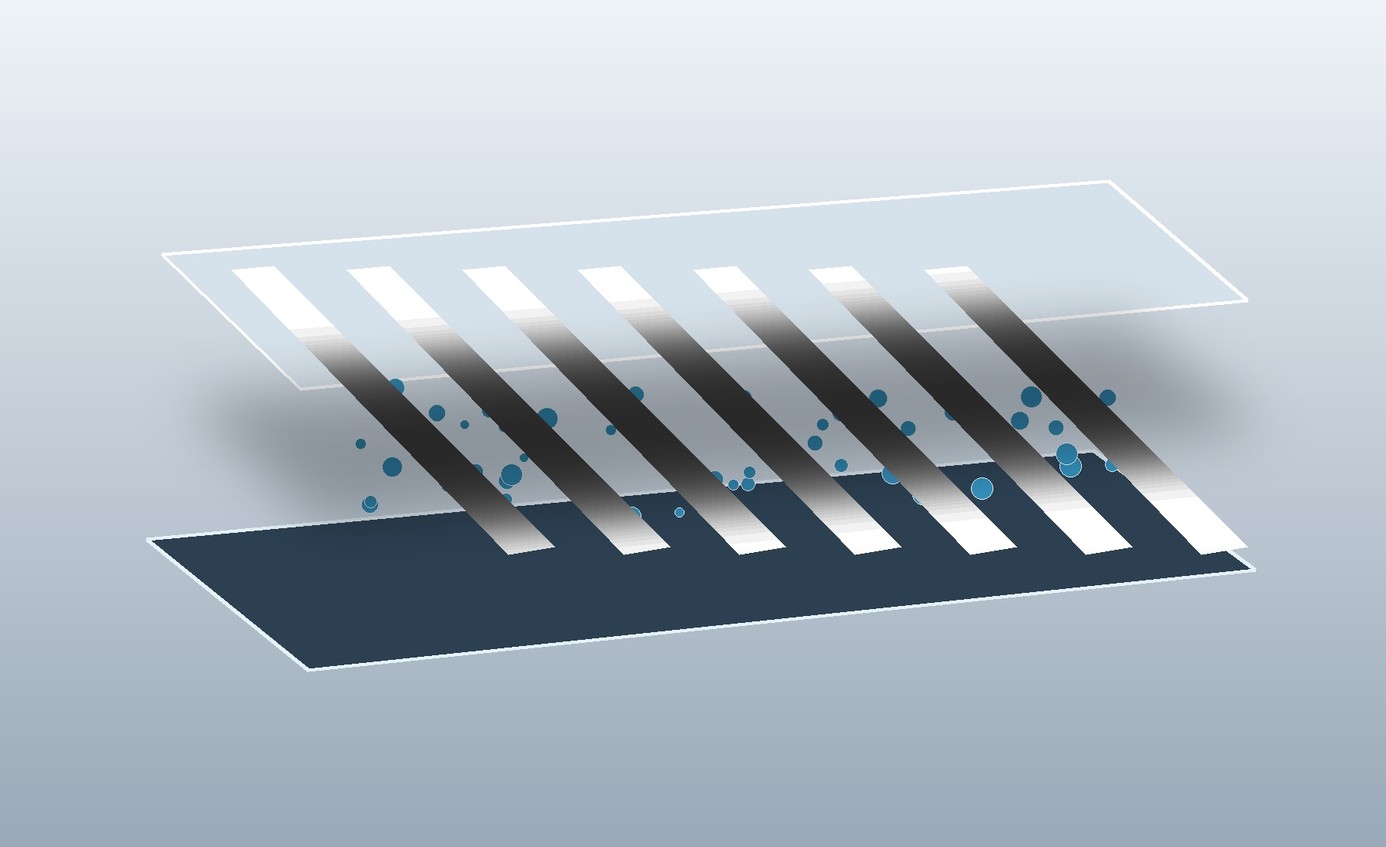 Figure 5. Smooth low-friction surface behavior for coated industrial materials.
Frequently Asked Questions
Is an anti-blocking additive the same as a slip additive?
Not exactly. Slip additives are selected mainly to reduce friction, while anti-blocking additives are evaluated for resistance to unwanted sticking between two surfaces. Silicone technologies often improve both, but they should be measured separately.
Can silicone anti-blocking agents be used in waterborne coatings?
Yes. Commercial high-molecular-weight silicone dispersions and silicone-polyether technologies are widely used in waterborne coatings and inks. Compatibility, crater tendency and the required downstream adhesion should still be checked in the complete formulation.
What is the difference between a silicone dispersion and a silicone polyether additive?
A high-molecular-weight silicone dispersion is often selected for persistent slip, abrasion, scratch and block resistance. A silicone polyether can provide stronger interfacial activity and may combine wetting, leveling, slip, anti-blocking or defoaming depending on molecular design.
Will silicone anti-blocking additives affect printing, recoating or bonding?
They can. Surface-active additives change the chemistry of the outermost film layer, so printability, recoatability and bonding should be included in qualification whenever these downstream steps matter.
How should I choose a grade for a new formulation?
Start with the binder chemistry, carrier phase, cure route, substrate, target block-resistance test and any required secondary properties such as low COF, abrasion resistance, gloss, recoatability or printability. This narrows the chemistry before dose optimization begins.
Why Work with Eata Silicon
Function-first material matching
Discuss the actual blocking, slip, abrasion or release problem before narrowing the silicone architecture.
Specification-focused sourcing
Define practical controls such as active or solids content, viscosity, carrier, functionality and compatibility targets.
Application-aware screening
Evaluate the additive together with binder chemistry, substrate, cure route and downstream printing, bonding or recoating.
Custom formulation support
When a standard profile does not fit, Eata Silicon can discuss tailored silicone chemistry, physical form and specification targets for the project.
Anti-blocking is highly formulation-dependent, so a standard surface additive is not always the best fit. Eata Silicon can work with customers on tailored silicone-based solutions around molecular functionality, active content, carrier system, viscosity or solids window, compatibility and the required balance of block resistance, slip, wear performance and downstream processability. Share the host resin, application method, cure conditions, substrate, target test and secondary surface requirements to define a practical evaluation profile.
If your project needs cleaner separation without sacrificing surface quality, contact Eata Silicon to discuss a silicone-based anti-blocking raw material or a customized formulation direction for your coating, ink, film or advanced industrial material system.
For Research or Industrial Raw Materials, Not For Personal Medical Use!