A mold-release system does its best work when nobody notices it. The part separates cleanly, fine details remain intact, the mold stays easier to maintain, and the next processing step is not complicated by excessive residue. Silicone chemistry is widely used for this job because its low surface tension, thermal stability and broad compatibility with molding materials can create an effective separation layer at the mold-part interface.
Eata Silicon supplies silicone raw materials for formulators and industrial users developing mold-release agents for rubber, thermoplastics, thermosets, polyurethane, composites, cast resins and selected metal-forming processes. Depending on the application, the starting point may be a standard PDMS fluid, a water-dilutable silicone emulsion, an organomodified silicone, a silicone-resin-containing system or a specialty film-forming silicone designed for more durable release behavior.
Design the Release Layer Around the Process
Silicone mold-release agents work at an interface rather than in the bulk of the molded part. A thin, well-distributed film reduces adhesion and can add a useful slip effect, lowering the force required to remove a part from the tool. That matters most on deep cavities, textured surfaces, sharp ribs and other geometries where mechanical extraction can damage edges or distort the part.
The right chemistry is not always the most slippery one. A release film must also spread across the mold, tolerate the process temperature, resist excessive build-up, and fit any downstream painting, bonding, printing or coating step. This is why silicone fluid viscosity, organic modification, emulsion design, resin content and film durability should be selected as a package rather than as isolated specifications.
 A low-surface-energy silicone film at the tool interface helps separate a molded part without heavy mechanical force.
Silicone Raw-Material Families Used in Mold-Release Formulations
| Raw-material family |
What it contributes |
Common formulation direction |
Keywords |
| Standard PDMS silicone fluids |
Low surface tension, lubrication and easy spreading; viscosity can be selected to tune film persistence. |
General rubber, plastic, resin and industrial mold release; neat or formulated systems. |
PDMS mold release; dimethyl silicone fluid; silicone release oil |
| High-temperature silicone fluids |
Improved resistance to thermal oxidation for hotter molds and repeated thermal exposure. |
Rubber molding, heated tooling and selected high-temperature release processes. |
high-temperature silicone release fluid; heat-resistant silicone mold release |
| Silicone release emulsions |
Disperse silicone in water for easy dilution, spray application and uniform mold coverage. |
Water-based mold-release formulations for plastics, polyurethane, rubber and general industrial molding. |
silicone release emulsion; water-based silicone mold release; PDMS emulsion |
| Alkyl / alkyl-aryl modified silicones |
Adjust lubricity, organic compatibility and, in selected systems, paintability after molding. |
Applications where post-mold coating or bonding sensitivity must be considered. |
paintable silicone release agent; alkyl modified silicone; alkyl aryl siloxane |
| Silicone resin / fluid combinations |
Build a more durable, heat-stable parting film than a low-viscosity fluid alone. |
Multiple-release or longer-lasting external release layers; demanding resin and rubber molding. |
silicone resin release agent; silicone resin PDMS blend; durable mold release |
| Film-forming / bake-on silicone systems |
Create a persistent release layer on the tool surface with lower transfer when correctly formulated. |
Processes seeking repeated release before reapplication or more controlled migration. |
film-forming silicone release; bake-on silicone mold release; multi-release silicone |
| Water-dispersible organomodified silicones |
Combine silicone surface activity with improved dispersion or solubility in polar carrier systems. |
Water-based or alcohol-compatible release formulations and specialty processing. |
water-soluble silicone release; organomodified silicone mold release |
| Silicone polyether wetting aids |
Lower surface tension of aqueous formulations to improve coverage of detailed or difficult mold surfaces. |
Formulation aid for water-based release systems rather than the sole release film former. |
silicone polyether wetting agent; mold release surfactant; silicone spreading additive |
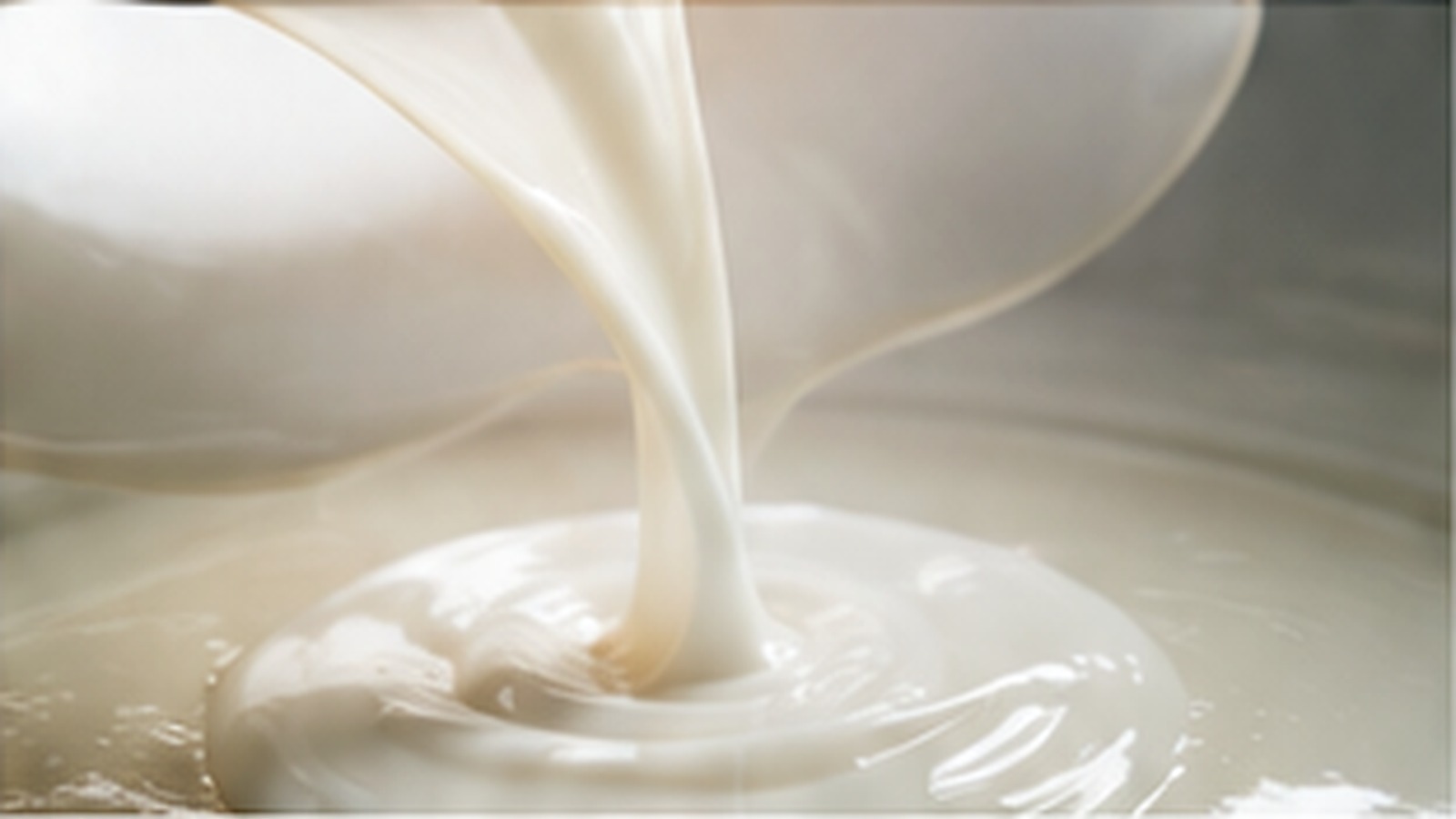 Concentrated silicone fluids and emulsions give formulators flexibility when building water-based or solvent-compatible release packages.
What Changes When the Chemistry Changes?
Silicone mold-release raw materials can look similar in a container while behaving very differently on a hot tool. The following formulation variables usually make the biggest difference during screening:
- Silicone fluid viscosity - lower-viscosity fluids spread readily and can give very thin coverage; higher-viscosity fluids tend to leave a more persistent lubricating film.
- Organic modification - alkyl, aryl, amino or polyether functionality changes polarity, compatibility, film behavior and interaction with post-mold finishing steps.
- Carrier system - water-based emulsions simplify water dilution and can reduce reliance on organic solvent carriers; solvent-compatible or neat systems may be preferred where fast wetting or water exclusion is important.
- Film-forming character - resin-containing or reactive/bake-on systems can increase durability and reduce the need for apply-every-cycle lubrication in appropriate processes.
- Thermal requirement - mold temperature and residence time determine whether a general-purpose PDMS fluid is sufficient or a more heat-resistant silicone structure should be evaluated.
- Transfer tolerance - when molded parts will be painted, bonded, coated or printed, low transfer and post-processing compatibility should be treated as primary selection criteria.
Application Map for Energy and Industrial Manufacturing
For an energy-materials supplier, mold release is relevant wherever polymer, elastomer, composite or metal components are repeatedly shaped in tooling. The silicone release chemistry does not replace the functional material itself; it helps the forming step produce clean, repeatable parts.
| Molding application |
Typical parts or materials |
Release priorities |
Chemistry directions to screen |
| Epoxy and thermoset casting |
Electrical housings, molded insulation components, resin castings and structural parts |
Clean cavity release, low surface transfer, detail reproduction, post-bonding considerations |
PDMS fluids, resin-containing silicone release systems, durable external release films |
| Polyurethane molding |
Elastomeric pads, foams, rollers, protective or structural molded PU parts |
Uniform film, low release force, water-dilutable application, low mold build-up |
Silicone release emulsions, concentrated silicone polymers, organomodified systems |
| Rubber and elastomer molding |
Seals, gaskets, boots, vibration-control parts and cable-related elastomer components |
Heat resistance, release from texture and undercuts, film durability, mold cleanliness |
PDMS emulsions, heat-resistant fluids, film-forming or semi-durable silicone systems |
| Thermoplastic molding |
Connectors, covers, housings, clips and molded technical components |
Easy ejection, thin coverage, low residue, downstream printing or bonding compatibility |
Low- to medium-viscosity silicone fluids, paintable organomodified silicones, emulsions |
| Composite molding |
FRP enclosures, covers, structural panels and molded composite accessories |
Release from large surfaces, repeatability, limited transfer, consistent surface finish |
Film-forming silicone systems, resin-modified release layers, compatible emulsions |
| Die casting / metal forming |
Aluminum or magnesium housings and other cast metal components |
High-temperature release, lubrication, cavity coverage and paintability where required |
High-temperature silicone emulsions, alkyl/aryl-modified silicones, specialty release fluids |
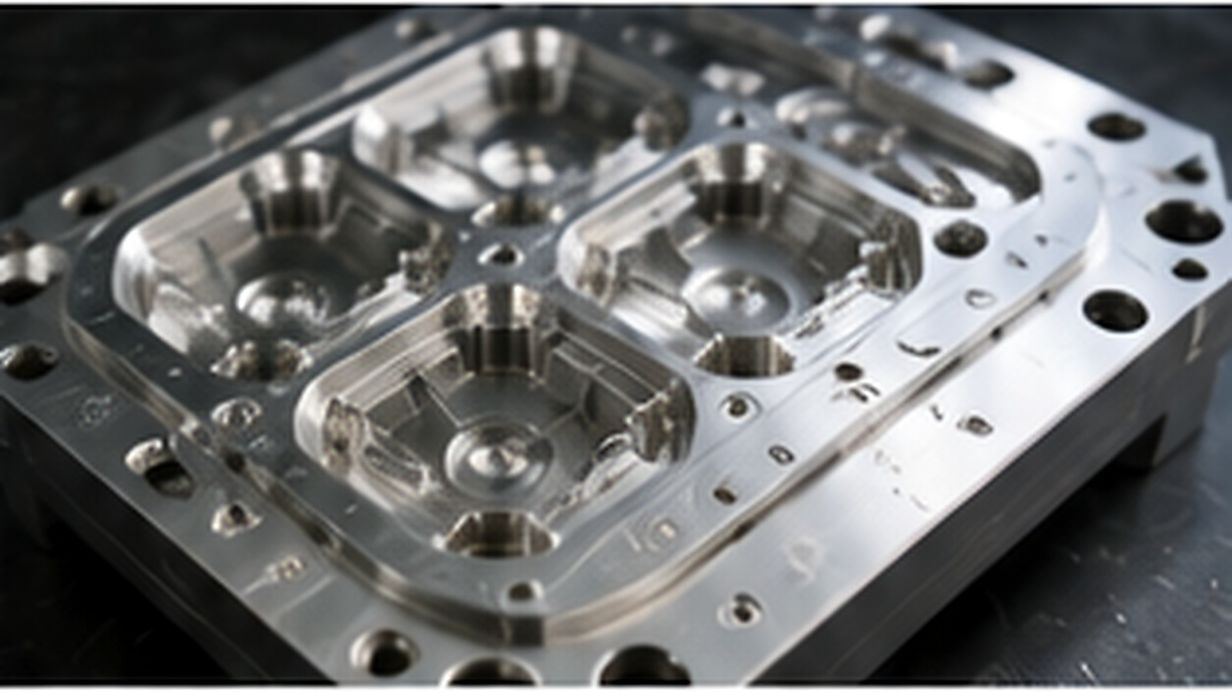 Uniform wetting of machined cavities matters when release performance must reach ribs, corners and deep details.
Release Performance Is More Than Low Friction
Coverage on fine geometry. Silicone has naturally low surface tension, which helps release formulations wet detailed mold surfaces. In water-based systems, silicone-polyether surfactants can be used as spreading aids to help the formulation reach corners and textured areas more uniformly.
Film durability versus transfer. A more persistent silicone film can support multiple releases, but durability must be balanced against unwanted transfer to the molded surface. Resin-containing, film-forming and bake-on technologies are used when a longer-lasting tool-side film is required.
Thermal stability. Commercial silicone portfolios include general-purpose dimethyl fluids as well as more heat-resistant fluids and emulsions for hotter molding or die-casting conditions. The correct choice depends on actual mold temperature, exposure time and whether oxidation or film breakdown becomes visible over repeated cycles.
Mold build-up and cleanliness. Too much deposited material can gradually alter dimensions, surface texture or appearance. A well-matched release system should deliver enough film for separation without excessive accumulation, and its dilution and application rate should be controlled consistently.
Paintability and bonding. Traditional silicone release films can interfere with coating or adhesive operations if too much silicone transfers to the part. Alkyl-modified, resin-modified or otherwise optimized silicone release chemistries are available for applications where post-mold finishing matters, but compatibility should always be validated on the actual part and finishing process.
Water-based versus solvent-based formulation. Water-based silicone emulsions are widely used when easy dilution and aqueous processing are preferred. Neat or solvent-compatible silicone materials remain useful where the application requires a different drying profile, film character or carrier compatibility. The release-active silicone and the carrier should be selected together.
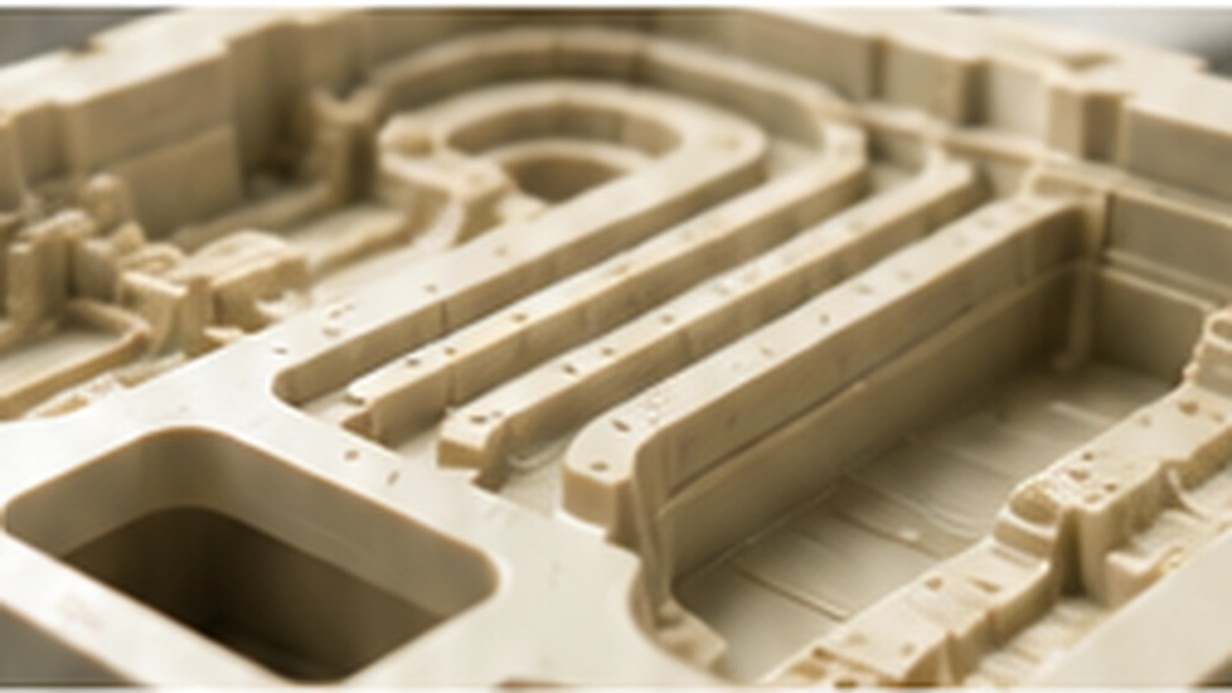 Complex geometry increases the value of a release layer that spreads evenly without excessive accumulation.
External, Semi-Durable and Internal Release Approaches
Not every release system is applied in the same way. Conventional external release agents are placed on the mold surface and may be reapplied frequently. Semi-durable or multi-release technologies are designed to remain on the tool for several cycles before renewal. Internal release agents are blended into the molding compound and must migrate sufficiently toward the interface during processing to create a separating effect. These approaches are not interchangeable: the molded resin, mold surface, cure chemistry, temperature and downstream finish determine which strategy is practical.
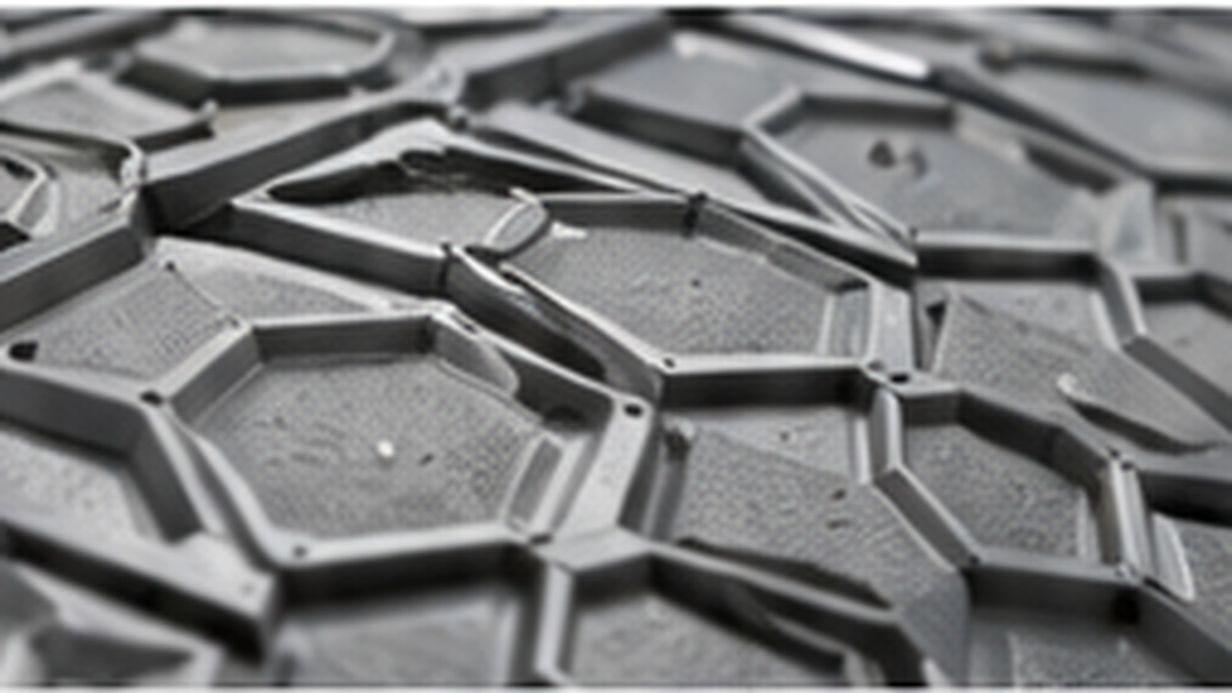 Rubber molding often combines texture, heat and repeated cycles, making film durability and build-up control important.
Frequently Asked Questions
Is a silicone mold-release agent the same as ordinary silicone oil?
Not necessarily. Standard PDMS fluids are widely used as release raw materials, but commercial release systems also include emulsions, organomodified silicones, silicone-resin combinations, film-forming systems and specialty high-temperature fluids. The formulation should be matched to the mold, molded material and finishing requirements.
When should I consider a water-based silicone release emulsion?
A water-based emulsion is a practical starting point when the process benefits from water dilution, sprayable coverage and an aqueous carrier. Concentrated emulsions can be diluted to an application level appropriate for the mold and process, provided dilution stability and wetting remain acceptable.
Can silicone release agents be used on hot molds?
Yes, but temperature capability varies by chemistry. Silicone suppliers offer heat-resistant fluids and emulsions for higher-temperature molding and die-casting. Actual mold temperature and exposure time should be included in the material request.
Will silicone mold release affect painting or adhesive bonding?
It can if silicone transfers to the molded surface in an amount that changes surface energy. When painting, printing, coating or bonding is planned, specify that requirement early so paintable, lower-transfer or specially modified silicone options can be screened and validated.
What is the best raw material for multiple-release performance?
There is no universal answer. More durable release typically comes from film-forming, resin-containing, bake-on or other semi-durable systems, but the optimum choice depends on mold surface, resin chemistry, temperature, required cycle count and acceptable transfer.
Can Eata Silicon tailor a silicone release raw material around an existing formulation?
Yes. A development brief can start from a target viscosity, silicone structure, active concentration, carrier preference, dilution behavior, heat resistance, wetting level, film durability or a benchmark material used in the current process.
A release formulation often needs a narrower performance window than a catalog description can capture. Eata Silicon can support customized silicone raw-material development around silicone fluid viscosity, functional modification, emulsion type, active concentration, carrier compatibility, wetting and spreading behavior, thermal resistance, film persistence, mold build-up control and post-mold finishing requirements.
For a focused recommendation, send the molded material, mold substrate, mold temperature, application method, current release problem and any painting or bonding requirements. We can help identify a suitable standard chemistry direction or define a custom silicone mold-release raw-material specification for formulation and industrial evaluation.
For Research or Industrial Raw Materials, Not For Personal Medical Use!