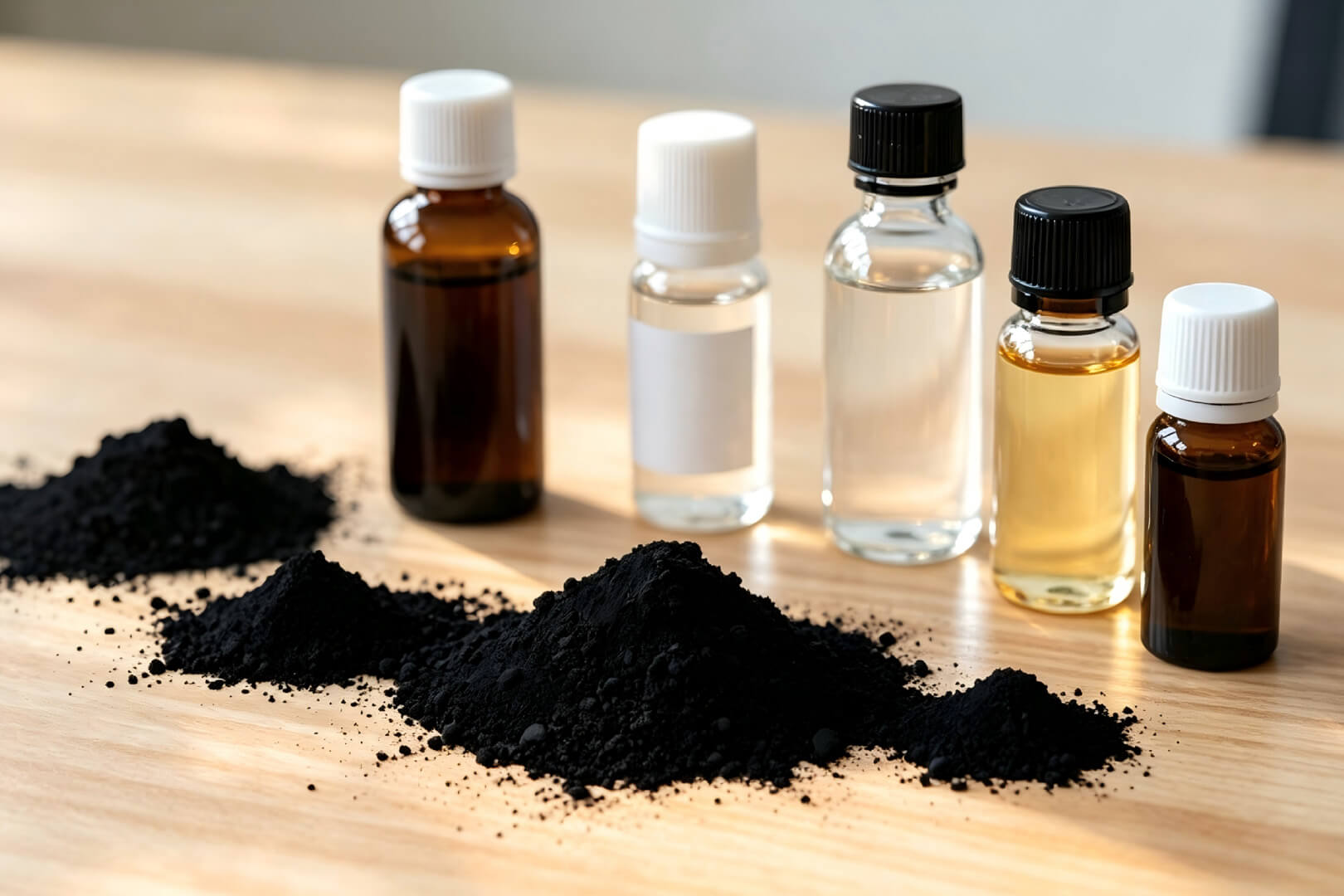
Foam becomes expensive long before it becomes dramatic. Air entrained during mixing can cut usable vessel volume, interfere with pumping and filtration, distort coating appearance, or remain trapped as microbubbles that show up only after application. A well-chosen foam-control additive is therefore part of process design, not simply a last-minute correction.
Eata Silicon supplies and develops silicone-based raw-material solutions for formulators who need fast foam knockdown, longer-term suppression, or a controlled balance of both. Selection can be matched to the formulation medium, resin or surfactant package, shear conditions, temperature, pH, surface-quality requirements and the way the additive will be introduced into the process.
Foam-Control Additives Product Range
| Product Category |
Customer Selection Focus |
Keywords |
| Silicone-Based Defoamers |
Rapid destruction of existing surface foam and control of entrained microfoam, while maintaining acceptable compatibility and film appearance. |
silicone defoamer; siloxane defoamer; silicone emulsion defoamer; waterborne defoamer |
| Silicone-Based Antifoaming Agents |
Preventive or persistent foam suppression for processes that foam continuously during circulation, mixing, pumping or filling. |
silicone antifoam; silicone antifoaming agent; PDMS antifoam; silicone antifoam emulsion |
Why Silicone Chemistry Is So Effective Against Foam
Stable foam is created when surface-active substances reinforce the thin liquid films between gas bubbles. Silicone defoamers work because selected polysiloxane structures have very low surface tension and are intentionally only partly compatible with the medium they must defoam. That controlled incompatibility helps the active migrate to a foam lamella instead of remaining uniformly dissolved throughout the bulk liquid.
Once a suitable defoamer reaches the bubble film, it can penetrate and spread at the interface, displacing stabilizing surfactants and weakening the lamella until it ruptures. Hydrophobic particles, including hydrophobic silica in many established defoamer technologies, can further intensify this destabilization. The formulation challenge is to obtain enough incompatibility for strong foam control without creating craters, haze, gloss loss or other surface defects.
 A defoamer droplet disrupts a stabilized foam film, allowing bubbles to collapse rather than persist.
Silicone Foam-Control Raw-Material Directions
| Raw-Material Family |
Typical Chemistry / Form |
Where It Fits |
Selection Priority |
Keywords |
| Silicone antifoam emulsions |
Hydrophobic silicone active dispersed in water; often nonionic or water-dilutable |
Waterborne coatings and inks, process water, industrial cleaning, paper and aqueous chemical systems |
Easy addition, dilution behavior, compatibility, persistence |
silicone antifoam emulsion |
| Silicone antifoam compounds |
Silicone oil / polysiloxane concentrate, commonly combined with hydrophobic particles |
High-foam industrial processes, pulp and paper, recirculating process systems, custom emulsion manufacture |
Knockdown, persistence, dispersion under process shear |
silicone antifoam compound |
| Modified polysiloxane defoamers |
Organomodified siloxane; compatibility tuned through organic or polyether modification |
Waterborne and selected solventborne coatings, inks and formulated chemical systems |
Balance of activity with film appearance and incorporation |
modified polysiloxane defoamer |
| Polyether-siloxane concentrates |
Polyethersiloxane-based high-active concentrate |
Difficult waterborne coating systems and other formulations requiring high efficiency at controlled compatibility |
High-shear persistence, ease of incorporation, microfoam control |
polyether siloxane defoamer |
| Fluorosilicone defoamers |
Fluorinated silicone / fluorosilicone fluid |
Selected solventborne or high-solids coating systems where very strong surface activity is required |
Low use level, crater risk, recoatability and compatibility |
fluorosilicone defoamer |
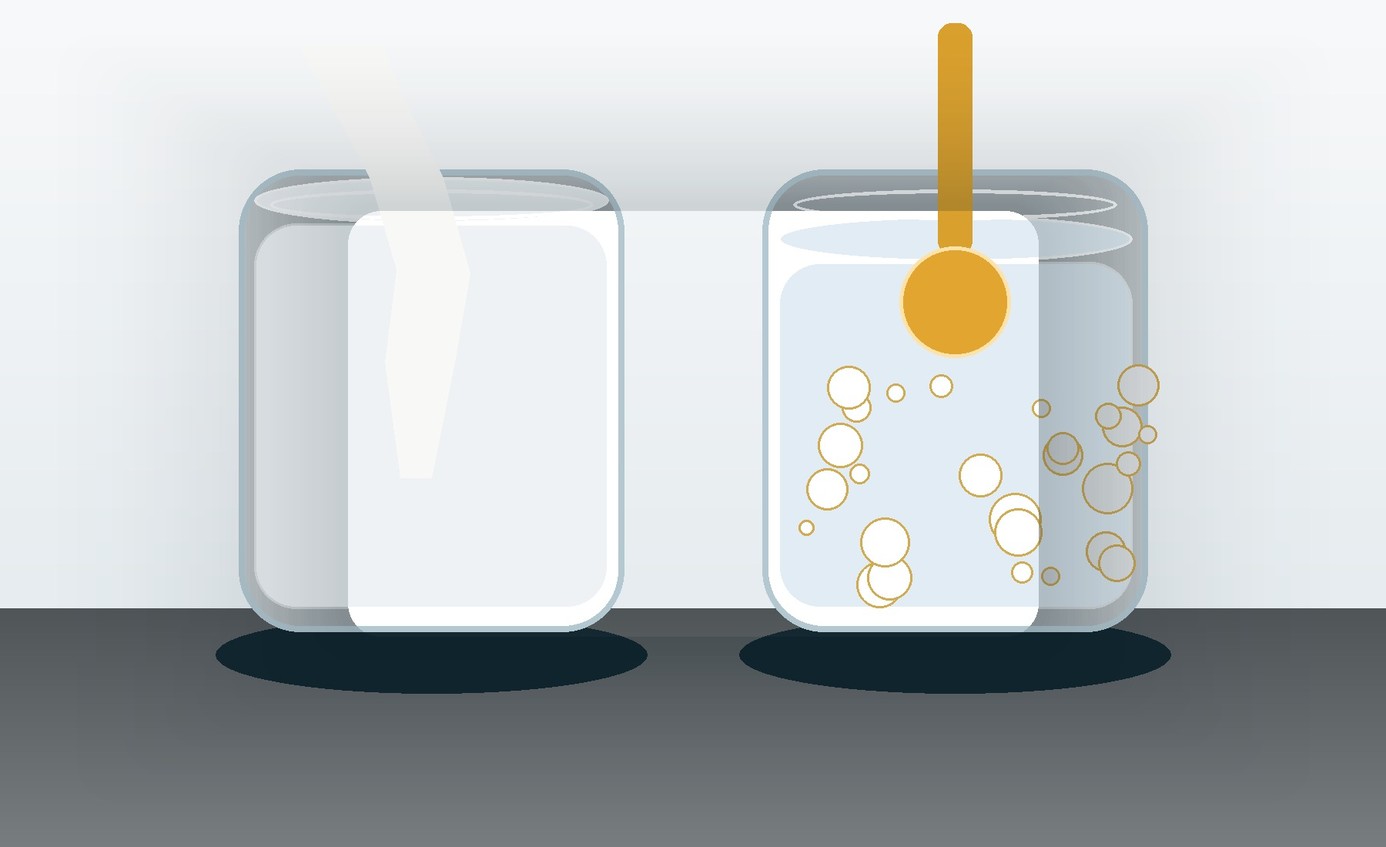 Silicone foam-control materials can be supplied as water-dilutable emulsions or concentrated silicone-rich liquids, depending on the system.
Foam Control Under Real Mixing Conditions
Foam performance should be evaluated under the same mixing and air-entrainment conditions that create the problem in production. A defoamer that looks excellent in a lightly shaken laboratory sample may behave differently in a dissolver, recirculation loop, high-viscosity coating or pumping system. Comparative testing under repeatable shear, followed by a finished-formulation check after storage, gives a far more useful picture than a single visual observation.
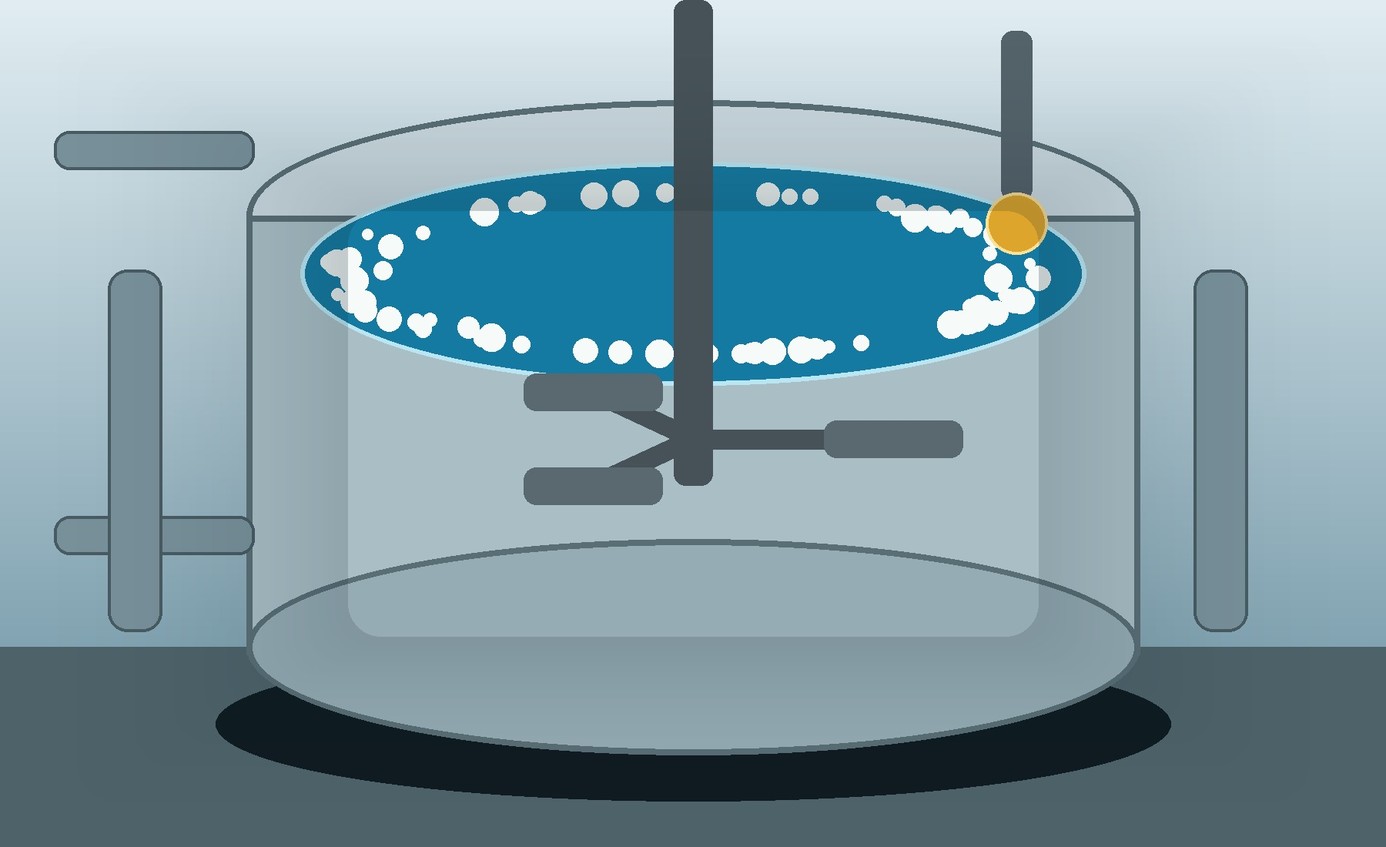 Foam control is evaluated under the same shear and mixing conditions that generate air in the real process.
Industrial and Energy-Related Application Areas
Waterborne Coatings, Inks and Adhesive Systems
Waterborne formulations often contain surfactants, wetting agents, dispersants and resin emulsions that can stabilize foam. Silicone defoamer emulsions and modified siloxane concentrates are widely used to control macroscopic foam and, with the right formulation fit, reduce microfoam without creating unacceptable surface defects. Typical search requirements include antifoam for acrylic coatings, silicone defoamer for waterborne ink, defoamer for overprint varnish, defoamer for wood coatings and silicone antifoam for adhesive dispersions.
Process Water, Wastewater and Recirculating Systems
Pumping, aeration, surfactants and dissolved contaminants can create persistent foam in water-treatment and plant-process loops. Water-dilutable silicone antifoam emulsions are commonly considered because they can be dispersed into aqueous systems and metered at the point where foam is generated. The right material should be selected for knockdown, persistence, dilution stability and the actual pH and temperature of the loop.
 Process-water foam can be managed by pairing fast knockdown with enough persistence for recirculating systems.
Chemical Processing, Gas Treatment and Energy Process Fluids
Foam can limit capacity in scrubbers, separators, glycol systems, circulating process fluids and other gas-liquid operations. Silicone antifoam emulsions and silicone-rich compounds are used in many industrial chemical environments because their activity can be tailored through concentration, delivery form and compatibility. When the process includes high temperature, high alkalinity, hydrocarbon-rich media or strong shear, the selection should be based on the real process fluid rather than on a generic "industrial antifoam" description.
Pulp, Paper and Fiber Processing
Pulp washing, screening, circulation and wastewater stages can generate large volumes of persistent process foam. Silicone antifoam compounds and emulsions are established options where both initial knockdown and continuing suppression are important. Dispersion quality is especially relevant for concentrated products, because the active must reach the foam interface efficiently without being over-dispersed into ineffective droplets.
Metalworking Fluids and Industrial Coolants
Recirculation, high-pressure pumping and detergent-like additives can drive foam formation in metalworking and cooling systems. Silicone-based foam-control materials may be used where an economical dosage and strong surface activity are needed, but compatibility, filtration behavior, fluid clarity and long-term stability should be evaluated in the actual coolant or lubricant package.
High-Quality Coating Films and Microfoam Control
For a coating formulator, a low foam height in the mixing vessel is not the only target. Small bubbles can remain in a viscous film and become pinholes, pits or gloss disturbances after application. The best silicone defoamer therefore combines sufficient incompatibility to destroy foam with enough compatibility to avoid cratering or other film defects. In many systems, dosage, incorporation shear and point of addition matter as much as the nominal chemistry.
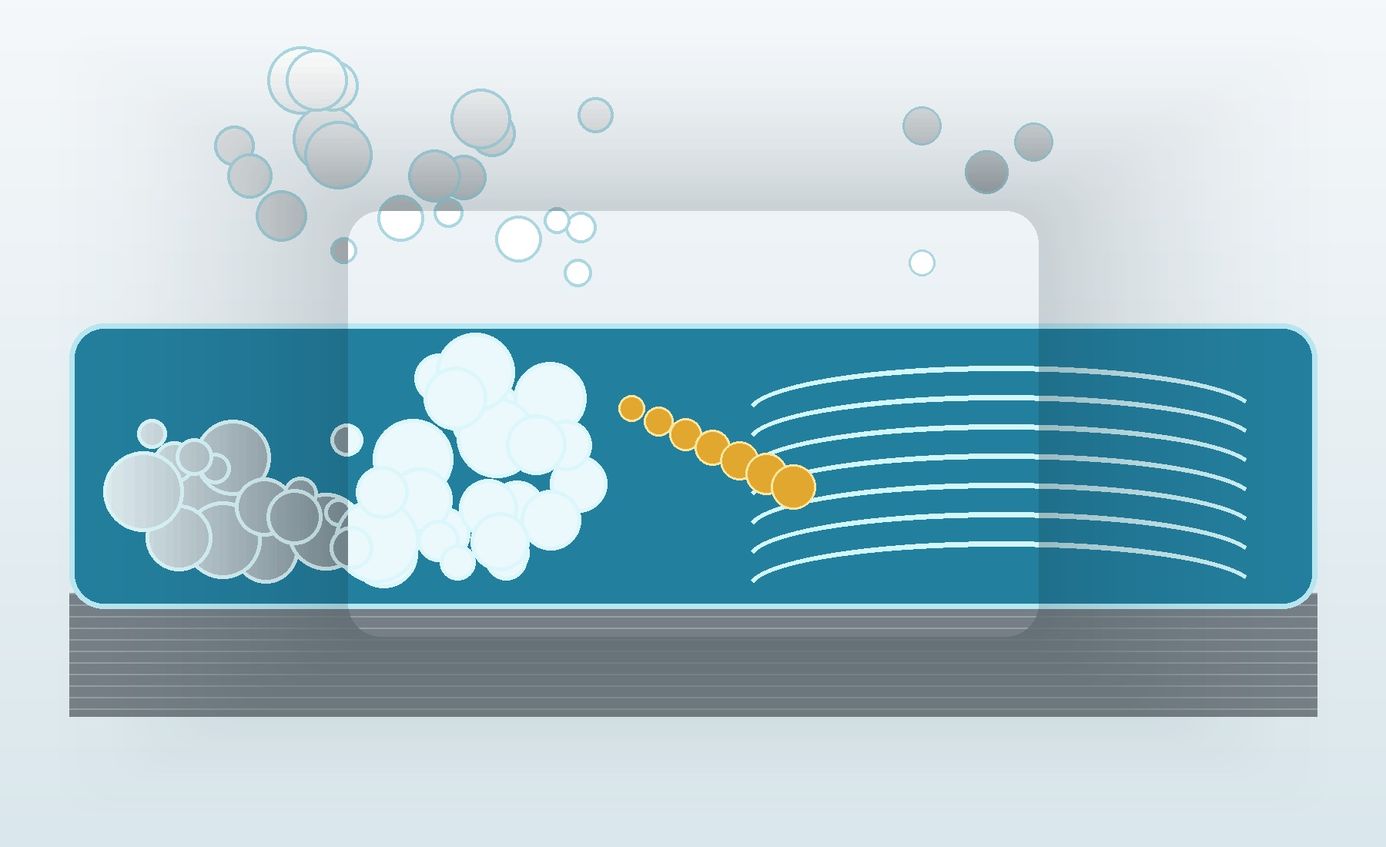 In coating films, the target is not merely less surface foam but fewer entrained microbubbles and cleaner film formation.
A Practical Matching Guide for Silicone Defoamers and Antifoams
| Process Need |
Raw-Material Direction to Screen |
What to Verify |
Keywords |
| Fast collapse of visible foam |
Silicone defoamer fluid or high-active modified siloxane |
Compatibility, droplet size under shear, surface defects |
fast knockdown silicone defoamer |
| Persistent aqueous foam prevention |
Silicone antifoam emulsion |
Dilution stability, pH/temperature fit, persistence |
water-dilutable silicone antifoam |
| Difficult waterborne coating microfoam |
Polyether-siloxane or silicone emulsion defoamer |
Microfoam, gloss, cratering, storage stability |
waterborne coating defoamer |
| Aggressive process foam |
Silicone antifoam compound with hydrophobic particle technology |
Dispersion, persistence, process compatibility |
silicone antifoam compound |
| Solventborne / high-solids coating |
Modified silicone or fluorosilicone defoamer |
Cratering, recoatability, low-dose efficiency |
fluorosilicone defoamer |
| Recirculating process water |
Ready-to-use silicone antifoam emulsion |
Metering point, persistence, dilution and system chemistry |
industrial water antifoam |
Why Formulators Work with Eata Silicon
Foam control is unusually sensitive to formulation details, so grade matching is more useful than relying on a single "universal" defoamer. Eata Silicon can support technical discussions around silicone chemistry, delivery form and the compatibility window that fits the customer’s process.
- Chemistry-focused matching for silicone antifoam emulsions, silicone defoamer concentrates, modified polysiloxanes and silicone antifoam compounds.
- Application-driven comparison for waterborne coatings and inks, process water, chemical production, pulp and paper, metalworking and energy-related process fluids.
- Specification discussions can be built around active concentration, carrier or emulsion format, viscosity window, silicone modification and the balance between efficiency and compatibility.
- Reference-product and performance-target inquiries can be evaluated by the functional requirements that matter in the finished system rather than by product name alone.
When a standard raw material does not match the required foam profile, Eata Silicon can evaluate customized foam-control solutions. Customization may focus on active concentration, silicone architecture, carrier or emulsion format, viscosity, dispersibility and the desired balance between initial knockdown, antifoam persistence and formulation compatibility.
For the most useful technical discussion, share the liquid medium or resin system, major surfactants or other foam-stabilizing components, process temperature and pH, mixing or circulation conditions, current additive and dosage if available, the type of foam observed, and any limits on surface appearance or downstream processing. This information helps narrow the raw-material route before laboratory screening begins.
Talk to Eata Silicon about your foam-control target.
Send the application, base formulation and the performance problem you need to solve. We can discuss a standard silicone defoamer or antifoaming-agent direction, a closer functional match, or a customized raw-material specification for your development program.
Frequently Asked Questions
What is the difference between a silicone defoamer and a silicone antifoaming agent?
The emphasis is different: defoamers are used to destroy foam that is already present, while antifoaming agents are used to prevent or suppress foam formation. Many silicone actives can perform both roles to some degree, so selection should be based on the process profile required.
Are silicone defoamers suitable for waterborne coatings?
Yes. Silicone antifoam emulsions and modified siloxane defoamers are widely used in waterborne paints, inks and related formulations. The key is to balance foam-control efficiency with compatibility, gloss, cratering risk and the chosen incorporation method.
Why is hydrophobic silica used in some antifoam formulations?
Hydrophobic particles can intensify foam-film destabilization and improve the efficiency of an oil- or silicone-based defoamer system. The exact particle technology and loading depend on the formulation.
Can too much defoamer create problems?
Yes. Because effective defoamers rely on controlled incompatibility, excessive dosage or poor incorporation can increase the risk of cratering, haze, gloss change or other defects. Formulation trials should therefore compare both foam reduction and final-product quality.
When should a defoamer be added?
That depends on the grade. Some concentrated and highly incompatible defoamers benefit from earlier, higher-shear incorporation, while pre-emulsified products are often designed for easier addition at lower shear. The product specification and application testing should guide the point of addition.
Can Eata Silicon customize silicone foam-control additives?
Yes. Custom options can be discussed around active concentration, silicone modification, delivery form, viscosity, dispersibility and the required balance of rapid defoaming, persistent antifoam performance and compatibility.
For Research or Industrial Raw Materials, Not For Personal Medical Use!