Silicone-modified polyester resins combine two useful design directions in one coating system: the heat and weathering contribution associated with silicone chemistry, and the gloss, flex resistance and chemical resistance valued in polyester binders. Public commercial examples are used in heat-resistant paints, industrial finishes and electrical-insulation applications, while silicone resin intermediates are also used to modify organic binders before the final coating is formulated.
Eata Silicon supports chemistry-led sourcing for silicone-polyester systems, from reactive methyl/phenyl silicone oligomers and silicone resin intermediates to finished or customized silicone-modified polyester binder concepts. Selection starts with the processing route and performance target - liquid or powder coating, cold blend or pre-reaction, cure window, substrate, pigment package and the balance required between hardness, flexibility, gloss retention, adhesion and thermal durability.
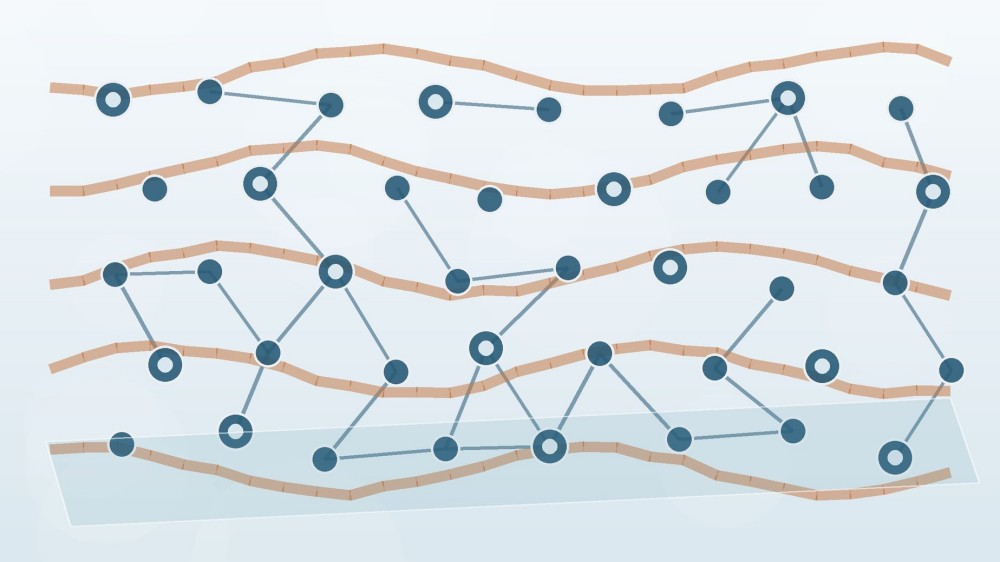 Fig. 1. Conceptual silicone-polyester network showing how siloxane-rich structures can be combined with an organic polyester phase to tune coating behavior.
Why Silicone Modification Changes Polyester Performance
- Heat and weathering performance: silicone-rich structures are used to raise thermal and outdoor durability relative to an unmodified organic binder.
- Gloss and appearance retention: polyester-modified silicone systems are used where a high-quality cured film must retain visual performance under elevated temperature.
- Flexibility and crack resistance: methyl/phenyl silicone oligomers and polyester hybridization can be selected when hard, brittle high-temperature films are not acceptable.
- Chemical, solvent and water resistance: published silicone-polyester binders are positioned for demanding industrial finishes where resistance must be balanced with adhesion and film integrity.
- Compatibility-driven formulation: phenyl-containing silicone intermediates are widely used because compatibility with organic binders is critical to producing a uniform, stable coating.
Raw Materials and Product Families for Silicone-Polyester Systems
| Products |
Reactive Chemistry |
Typical Form |
Where It Fits |
| Methoxy-Functional Methyl/Phenyl Silicone Oligomer |
Methoxy-reactive methyl/phenyl siloxane |
Solvent-free liquid |
Reactive modifier or pre-reaction component for polyester and other organic resins |
| Ethoxy-Functional Methyl/Phenyl Silicone Resin |
Ethoxy-functional phenyl/methyl resin |
Solventless liquid |
Solventless modification of powder-form polyester resin |
| Silanol-Functional Methyl/Phenyl Silicone Resin Intermediate |
Silanol-functional silicone resin |
Solid/flakes or solution |
Chemically bound silicone modification of polyester and other binders; coil and industrial coating development |
| Phenyl Silicone Flake Resin for Powder Coatings |
Phenyl-containing hydroxyl-functional silicone resin |
Flakes / solid |
Co-binder or modifier in heat-resistant powder coatings using organic binders |
| Heat-Cure Silicone-Modified Polyester Binder |
Polyester-modified silicone hybrid |
Solvent-borne or high-solids liquid |
High-temperature metal coatings, industrial finishes and electrically insulating coating concepts |
| Fast-Cure Silicone-Polyester Binder |
Polyester-silicone hybrid optimized for faster bake response |
Liquid resin |
High-throughput bake coating and coated-metal development |
| Silicone-Polyester Binder for Electrical Insulation |
Silicone-modified polyester network |
Liquid or coating-ready binder concept |
Motor, coil and electrical-component insulation coating development |
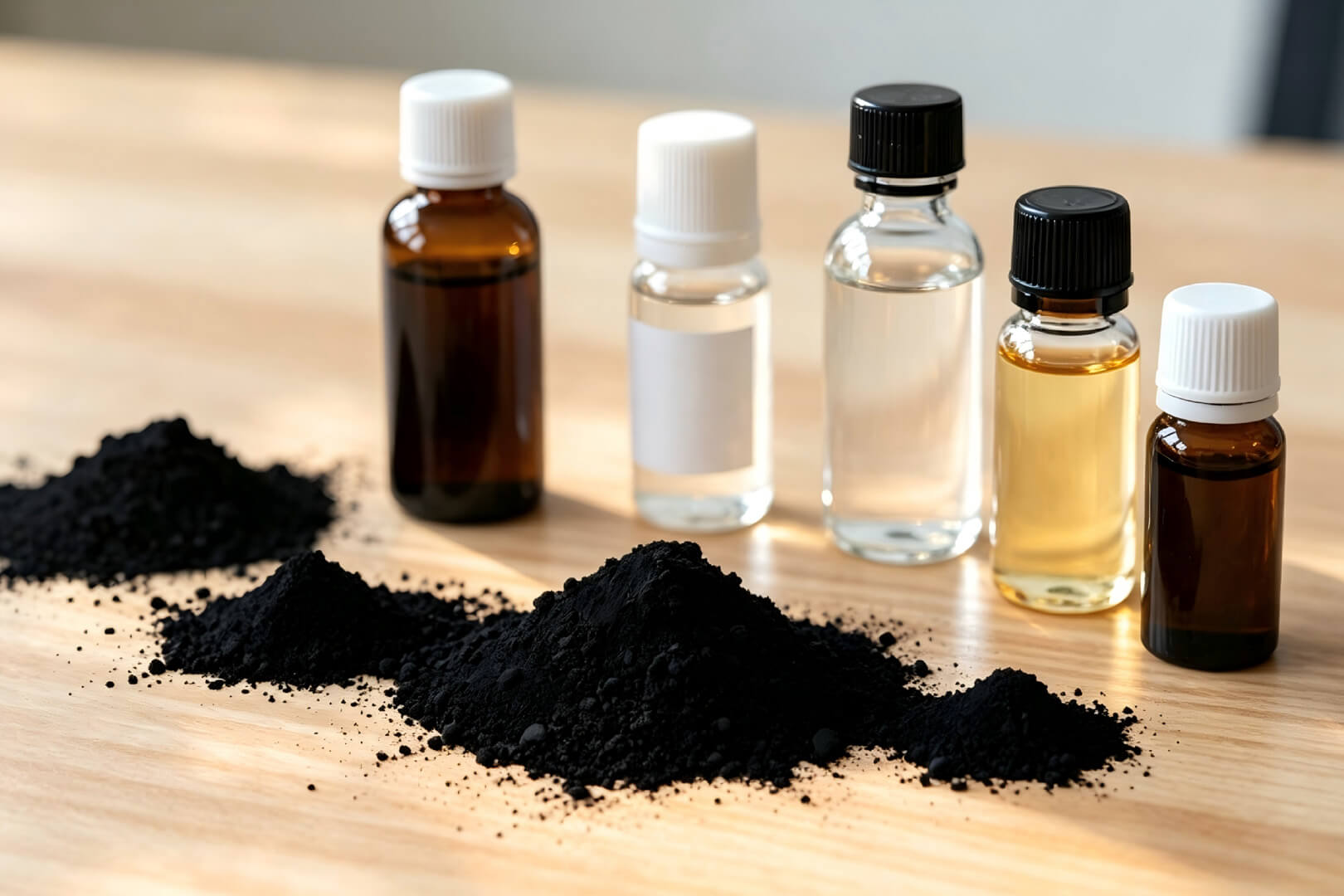
 Fig. 2. Material-form concept illustrating liquid silicone resin intermediates and solid flake resins used in different modification and coating routes.
Liquid, Powder and Pre-Reaction Routes
1. Reactive oligomer modification
Methoxy-functional methyl/phenyl silicone oligomers are useful when the goal is to chemically introduce siloxane structure into an organic resin. Published Shin-Etsu guidance notes that such oligomers can be mixed with organic resins carrying compatible reactive groups or reacted through demethanol chemistry. The same source shows polyester weatherability improvement as a direct application example.
2. Cold blend or pre-reaction with a silicone resin intermediate
A silicone resin intermediate can be used more flexibly in formulation development. Dow's 3074C is positioned for either cold blending or pre-reaction with organic resins to improve heat and weathering performance, and for coil coatings, appliance finishes, protective coatings, OEM finishes and other high-temperature applications. This route is valuable when the formulator wants to tune silicone content and compatibility without starting from a finished silicone-polyester binder.
3. Solventless modification for powder polyester
For powder coatings, the processing constraints are different. Dow's 2080 resin is an ethoxy-functional phenyl/methyl silicone resin designed specifically for modifying powder-form polyester resin through a solventless process. WACKER's SILRES 603 represents another powder-coating approach: a phenyl-containing solid silicone resin with good compatibility with organic powder-coating resins, used to improve heat, water and weather resistance.
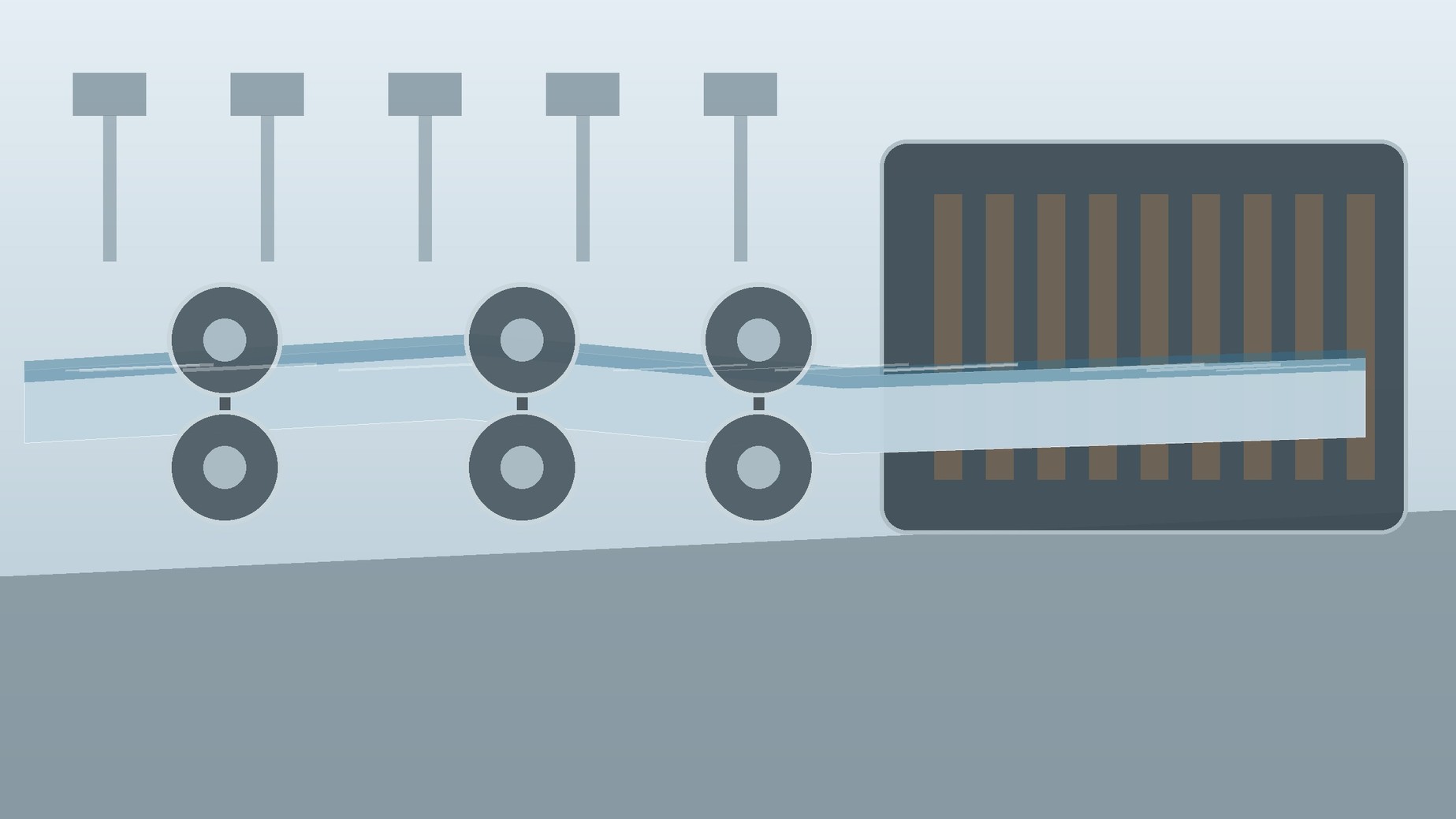 Fig. 3. Continuous coated-metal concept showing a polyester-based strip passing through modification, application and thermal-curing stages.
How to Specify the Right Silicone-Modified Polyester Resin
| Decision Point |
What to Define |
Why It Matters |
| Coating route |
Liquid solvent-borne, high-solids, coil coating, bake enamel, powder coating or pre-reaction route |
Determines resin form, volatility, processing temperature and compatibility requirements. |
| Silicone functionality |
Methoxy, ethoxy, silanol/OH or finished hybrid binder |
Controls whether the silicone phase acts mainly as a modifier, reactive intermediate or finished binder component. |
| Organic resin partner |
Saturated polyester, powder polyester or another hydroxyl/reactive organic resin |
Reactive-group compatibility and miscibility are central to a uniform silicone-modified network. |
| Silicone level / compatibility |
Target modification level and phenyl/methyl balance |
Higher silicone contribution may support heat/weathering performance, while compatibility and film flexibility still have to be managed. |
| Physical properties |
Active content, non-volatile content, viscosity, softening point, color and solvent system |
These parameters determine mixing, pumping, melt processing, coating flow and final appearance. |
| Cure window |
Peak metal temperature or oven schedule, catalyst strategy if used, target film thickness |
Cure conditions directly affect conversion, hardness, solvent resistance, adhesion and production throughput. |
| Performance targets |
Heat aging, thermal cycling, gloss/color retention, adhesion, bend, impact, solvent/chemical resistance, moisture and corrosion |
A resin should be qualified against the actual service environment rather than a generic temperature claim. |
| Electrical requirements |
Insulation target, thermal aging, moisture resistance and dielectric testing if applicable |
Electrical and energy equipment requires performance to be validated under the relevant insulating system and test method. |
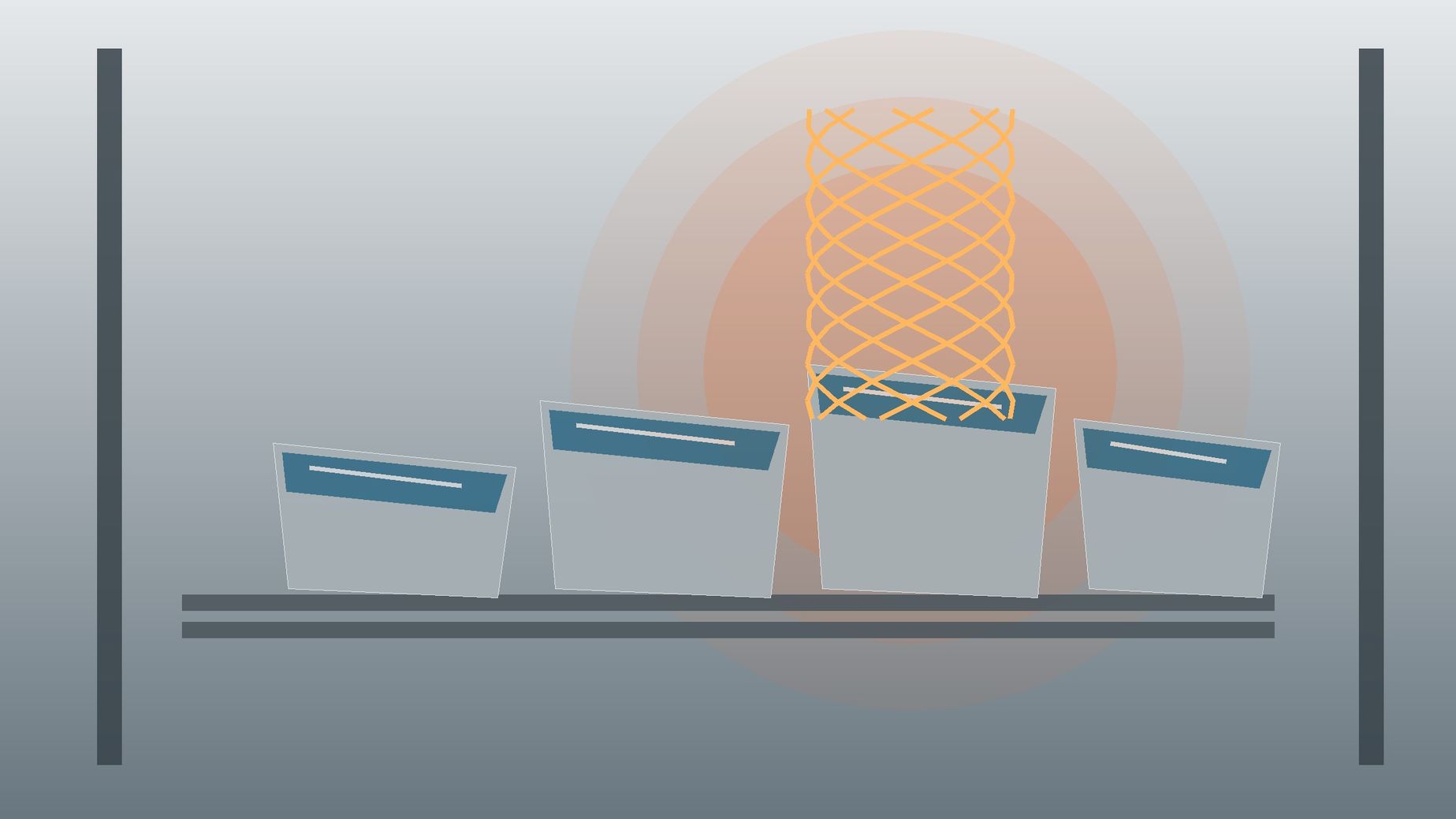 Fig. 4. Heat-exposure concept for coated metal panels, emphasizing the need to balance thermal resistance with film adhesion, flexibility and surface retention.
Applications in Energy, Electrical and Industrial Materials
Heat-resistant protective coatings
Silicone-modified polyester binders are a strong fit for metal surfaces that need a harder, glossier and more chemically resistant finish than a simple high-temperature silicone coating, while still requiring a meaningful silicone contribution to thermal and weathering performance. Typical development targets include housings, process equipment, heating hardware, exhaust-adjacent metal parts and other coated components exposed to elevated temperature.
Electrical insulation coatings
Commercial silicone-polyester resin references are explicitly positioned for electrical-insulation applications as well as heat-resistant paints. For energy and electrical equipment, the important question is not only temperature resistance: the coating must also be considered as part of an insulating system, with adhesion, moisture resistance, mechanical flexibility and dielectric performance validated together.
Coil and pre-coated metal
Silicone resin intermediates are used in coil-coating development because they can be introduced into organic binders through blending or pre-reaction. This gives formulators a route to combine industrial coating processability with improved high-temperature and weathering behavior in coated sheet and pre-finished metal systems.
Powder coatings
Powder-polyester modification is another established route. Solventless ethoxy-functional silicone resins can react with or modify powder-form polyester, while compatible solid phenyl silicone resins can be used as co-binders. These approaches are particularly relevant to high-temperature powder coatings where gloss retention, film appearance and long-term durability matter alongside thermal performance.
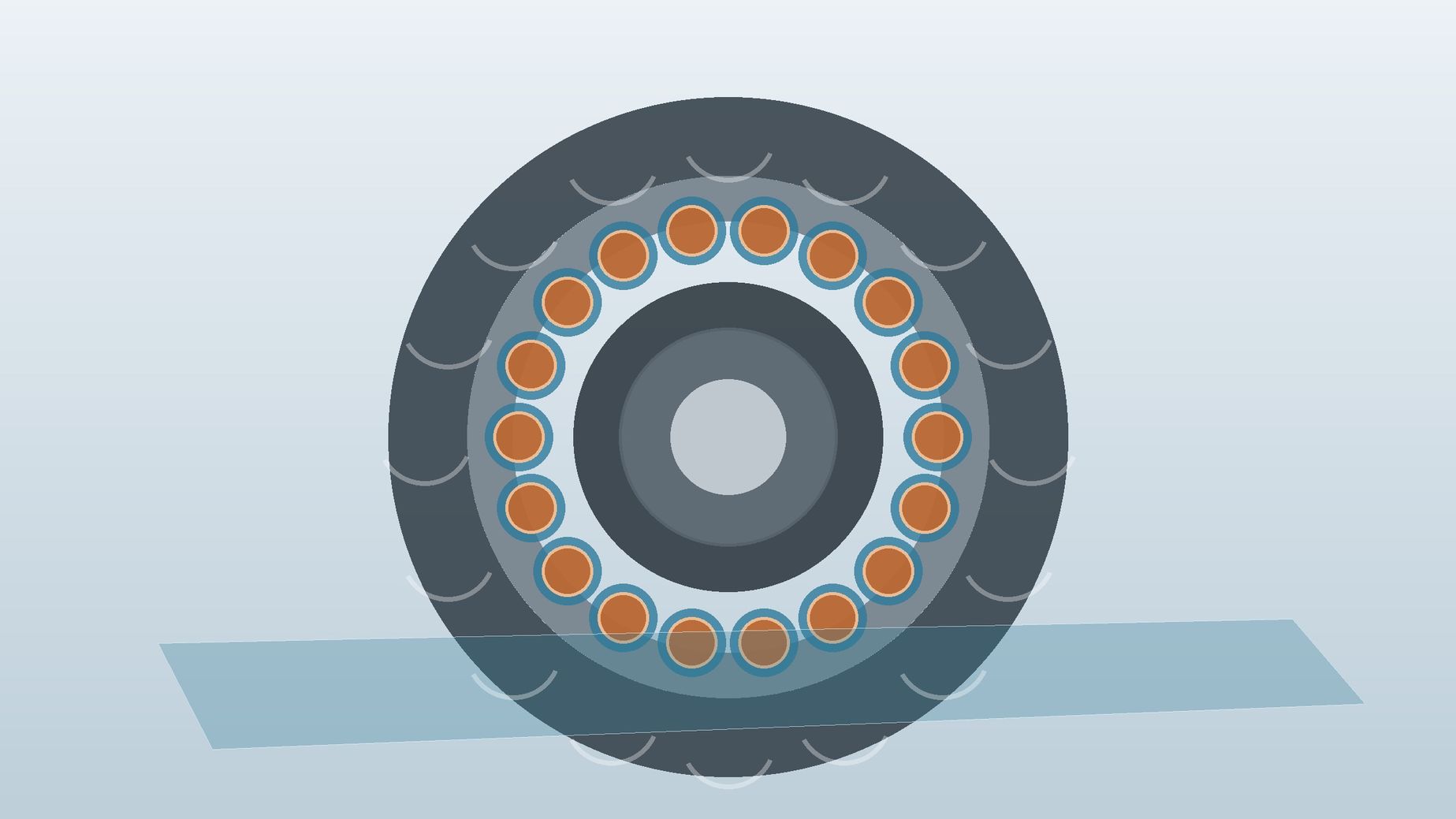 Fig. 5. Electrical-insulation concept showing coated winding areas in a motor-like stator geometry, where thermal, mechanical and moisture performance must work together.
resin modification for durable, high-temperature metal finishes.
Why Source Silicone-Polyester Materials from Eata Silicon?
- Chemistry-first matching: evaluate reactive functionality, phenyl/methyl balance, form and compatibility before choosing a material route.
- Application-aware sourcing: align resin selection with liquid, coil, bake or powder-coating processing rather than treating every silicone modifier the same.
- Specification-driven discussion: viscosity, active or non-volatile content, reactive-group level, softening point, solvent system, color and critical impurity limits can be reviewed around the process.
- Energy and industrial focus: coating, insulation and thermal-management interfaces can be discussed from the actual service environment backward.
- Custom development path: when a standard silicone resin intermediate or hybrid binder does not fit, Eata Silicon can discuss a tailored chemistry or specification window.
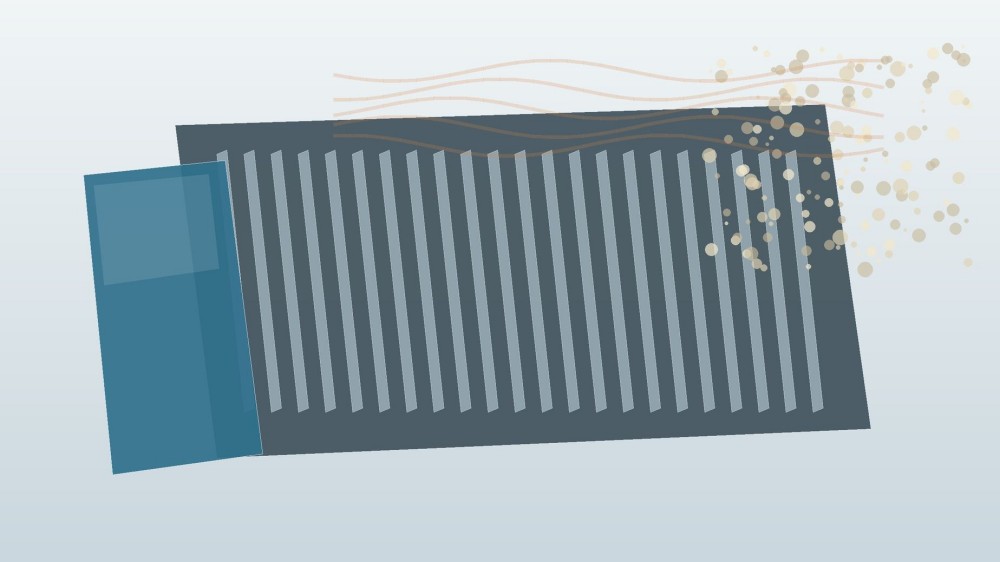 Fig. 6. Powder-coating and energy-hardware concept highlighting solventless
If a standard material does not fit the target process, Eata Silicon can discuss customized silicone-polyester materials and resin intermediates. Development can focus on silicone functionality, phenyl/methyl balance, reactive-group content, active or non-volatile content, viscosity or softening point, solvent or solventless form, compatibility with the selected polyester, cure response, color and application-specific performance targets.
Discuss your Silicone-Modified Polyester Resin requirement with Eata Silicon
Send the target chemistry, coating route and qualification criteria so we can review a standard option, a close analogue or a customized specification.
For Research or Industrial Raw Materials, Not For Personal Medical Use!