Sulfur-containing silane monomers bring sulfur reactivity and hydrolyzable silane chemistry into the same molecule. That combination makes them practical building blocks for formulators who need stronger interfaces between mineral or metallic surfaces and organic polymers, or who need sulfur functionality for crosslinking, coupling and surface engineering.
Eata Silicon supplies mercapto-functional silanes and related organosilicon raw materials for demanding material-development programs. Depending on the structure, these monomers can be evaluated in adhesives, sealants, filled polymers, elastomers, coatings, composites, primers and specialty surface-treatment systems.
Why Sulfur Functionality Changes the Interface
Organofunctional silanes are often described as molecular bridges because one end can interact with an inorganic surface while the organic end is selected for compatibility or reactivity with the surrounding resin or polymer. For mercapto silanes such as 3-mercaptopropyltrimethoxysilane, the alkoxysilyl groups can hydrolyze to silanols and condense with hydroxylated surfaces, while the thiol functionality provides a separate reactive handle. Evonik and Momentive describe this dual reactivity as the basis for adhesion promotion, filler treatment, polymer modification and crosslinking in appropriate systems.
Sulfur functionality is not limited to one architecture. Commercial silane families include mercapto trialkoxysilanes, mercapto dialkoxysilanes, thiocyanato silanes and dipodal disulfide or polysulfide silanes. Selecting among them changes the number of hydrolyzable groups, sulfur functionality, steric environment and compatibility with the target formulation.
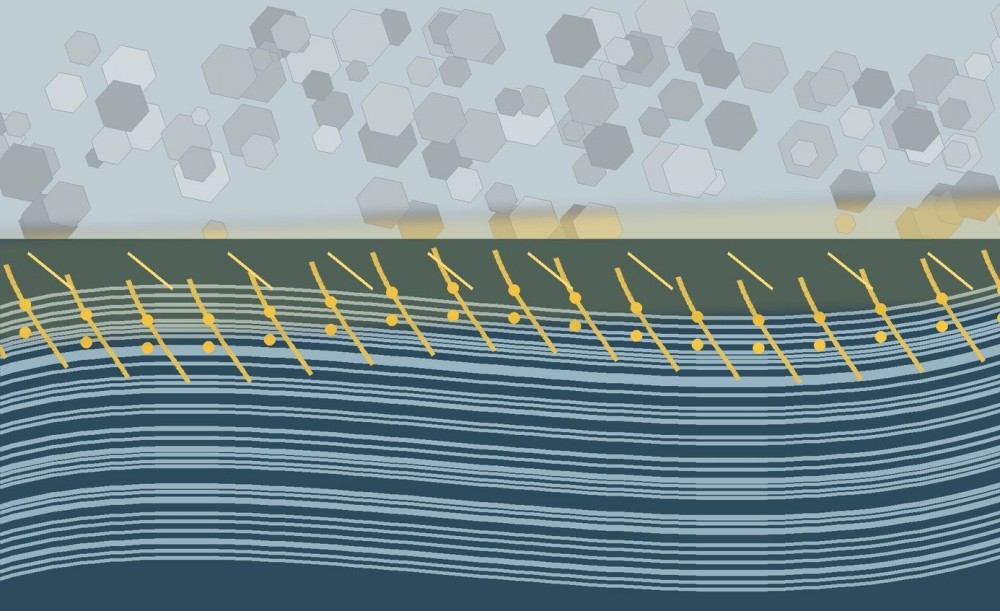 Fig. 1. A sulfur-silane coupling layer illustrated at an inorganic filler-polymer interface.
Representative Products
| Product |
CAS No. |
Functional Motif |
Portfolio Note |
Typical Technical Context |
| 3-Mercaptopropyltrimethoxysilane (MPTMS) |
4420-74-0 |
Mercapto / trimethoxy |
Eata Silicon listed grade: ≥98% |
Adhesion promotion; filler and pigment treatment; polymer modification; crosslinking |
| 3-Mercaptopropyltriethoxysilane |
14814-09-6 |
Mercapto / triethoxy |
Eata Silicon listed grade: ≥98% |
Sulfur-functional coupling; surface treatment; polymer and elastomer formulation |
| 3-Mercaptopropylmethyldimethoxysilane |
31001-77-1 |
Mercapto / dialkoxy |
Eata Silicon listed grade: ≥98% |
Sealant adhesion; thiol-ene intermediates; organosilica preparation |
| Bis[3-(triethoxysilyl)propyl]tetrasulfide (TESPT) |
40372-72-3 |
Polysulfide / dipodal |
Industry reference chemistry |
Silica-rubber coupling; reinforced elastomers; tire and rubber compounds |
| Bis[3-(triethoxysilyl)propyl]disulfide / disulfane |
— |
Disulfide / dipodal |
Industry reference chemistry |
Silica-filled rubber coupling; higher-temperature mixing windows in rubber processing |
| 3-Thiocyanatopropyltriethoxysilane |
34708-08-2 |
Thiocyanate / triethoxy |
Industry reference chemistry |
Sulfur-functional coupling; metal-surface and specialty interface chemistry |
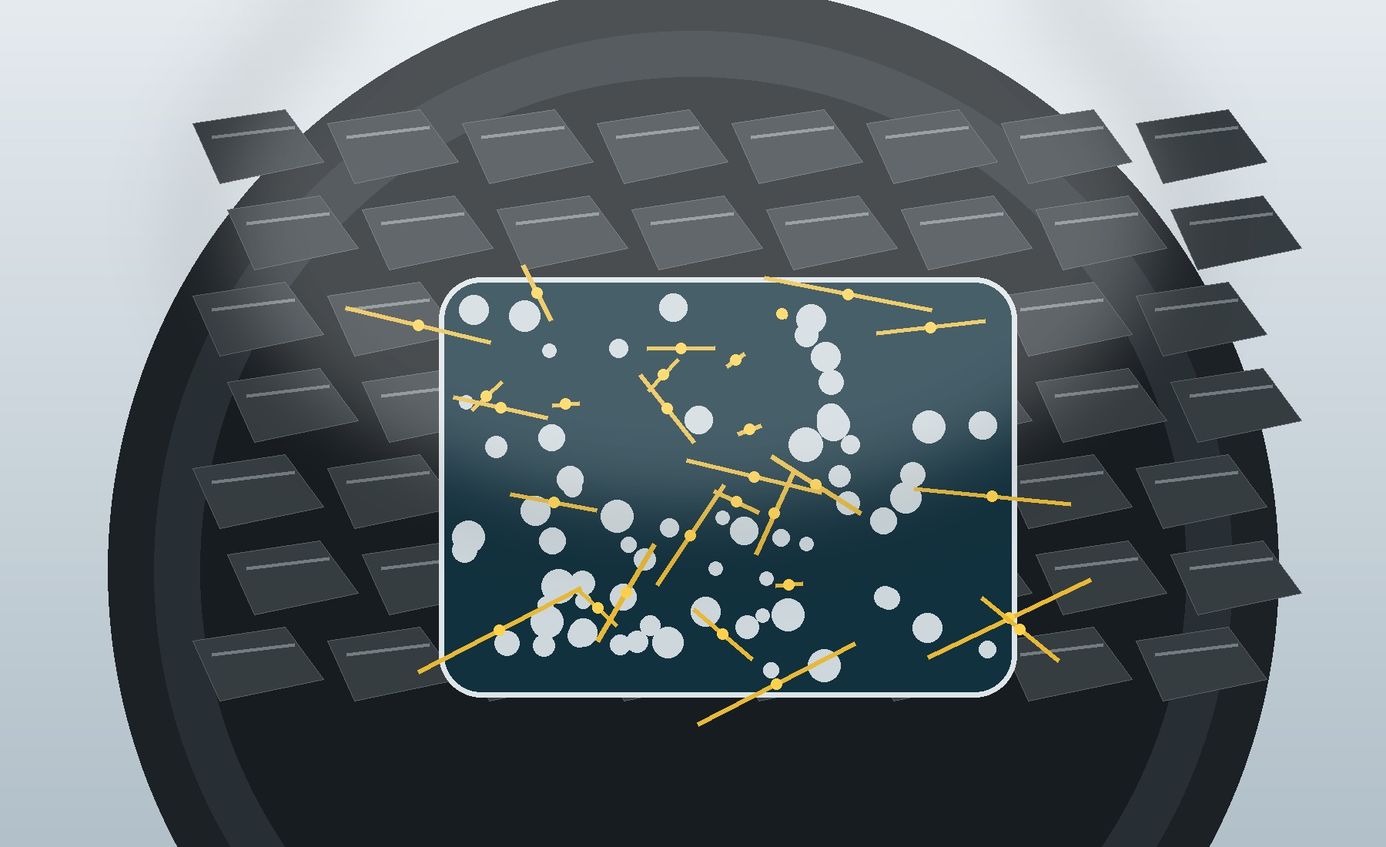 Fig. 2. Silica-reinforced elastomer concept for high-performance rubber compounds.
Performance Roles in Formulation
Adhesion and surface coupling
Mercapto-functional silanes are commonly considered when a formulation must bond an organic matrix to glass, metal, silica, clay, mica, talc or other hydroxylated mineral surfaces. Published supplier data describes their use as primers, additives and filler-treatment agents, with the objective of building a more durable interface rather than relying on physical wetting alone.
Filler dispersion and reinforced polymers
Treating mineral fillers with a suitable silane can change surface compatibility and help reduce the mismatch between an inorganic filler and an organic polymer. In filled elastomers and composites, better interfacial coupling can support dispersion, mechanical-property retention and formulation consistency when the silane is matched to the polymer and cure chemistry.
Crosslinking and reactive modification
The thiol group in a mercapto silane provides a route to sulfur-sensitive or thiol-reactive chemistry, while the silane end can participate in hydrolysis and condensation. This makes selected mercapto silanes useful as reactive intermediates, crosslinking components or polymer-modification tools. Gelest also lists 3-mercaptopropylmethyldimethoxysilane as an intermediate for thiol-ene UV-cure silicone chemistry.
Application Areas
Silica-filled elastomers and rubber compounds: Dipodal sulfur silanes such as TESPT and disulfane-type silanes are established coupling chemistries for hydroxyl-bearing white fillers and unsaturated polymers. Supplier literature emphasizes reinforced rubber, low-rolling-resistance tire tread and mechanical rubber applications.
Adhesives and sealants: Mercapto silanes can be used as adhesion promoters, primers or reactive additives where bonding to glass, metals or mineral-rich substrates is required. They are especially relevant when the resin chemistry can make productive use of the sulfur-functional organic group.
Coatings and protective systems: Sulfur-functional silanes are used in selected epoxy, polyurethane and related coating systems as crosslinking or adhesion-promoting components. The main design target is a stronger, more chemically integrated interface between coating and substrate or filler.
Composite and filler surface treatment: Glass fibers, mineral fillers and pigments can be pretreated or modified with organofunctional silanes. The sulfur-functional family expands the available organic reactivity compared with amino, epoxy, vinyl or methacrylate silanes.
Metal and specialty surface interfaces: Gelest reports sulfur-functional silanes for precious-metal adhesion and thiocyanate silanes for Ag, Au, Pd and Pt complexing or interface studies. This makes sulfur-bearing silanes useful candidates for carefully designed metal-surface functionalization projects.
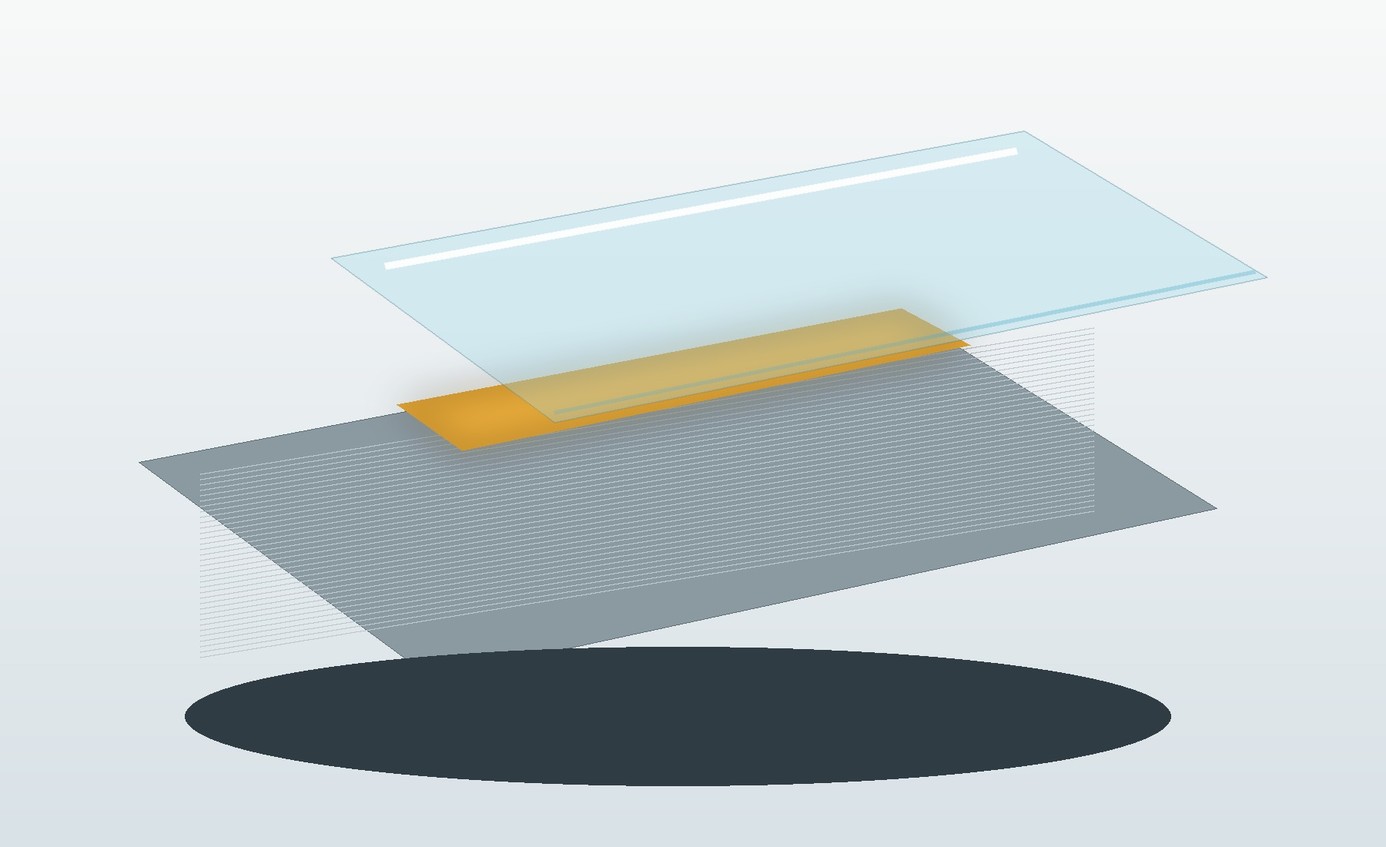 Fig. 3. Silane-assisted bonding concept at a transparent glass-to-metal joint.
Selecting the Right Sulfur-Containing Silane
- Target substrate: silica, glass, metal oxide, mineral filler, pigment, fiber surface or metal.
- Organic-side reactivity: mercapto, disulfide, polysulfide, thiocyanate or another sulfur-bearing group.
- Hydrolyzable group: methoxy versus ethoxy, and trialkoxy versus dialkoxy architecture.
- Polymer or resin system: elastomer, epoxy, polyurethane, silicone, acrylic or another reactive matrix.
- Use mode: filler pretreatment, primer, formulation additive, reactive intermediate or crosslinking component.
- Assay and impurity requirements, including project-specific control of water, color or other critical parameters.
- Packaging format and evaluation quantity appropriate for process development or scale-up.
A practical rule: the best silane is the one whose inorganic-side chemistry, sulfur functionality and processing window all match the actual substrate and polymer system. Eata Silicon can help narrow the choice when you provide the substrate, resin or elastomer, cure route, target property and preferred specification range.
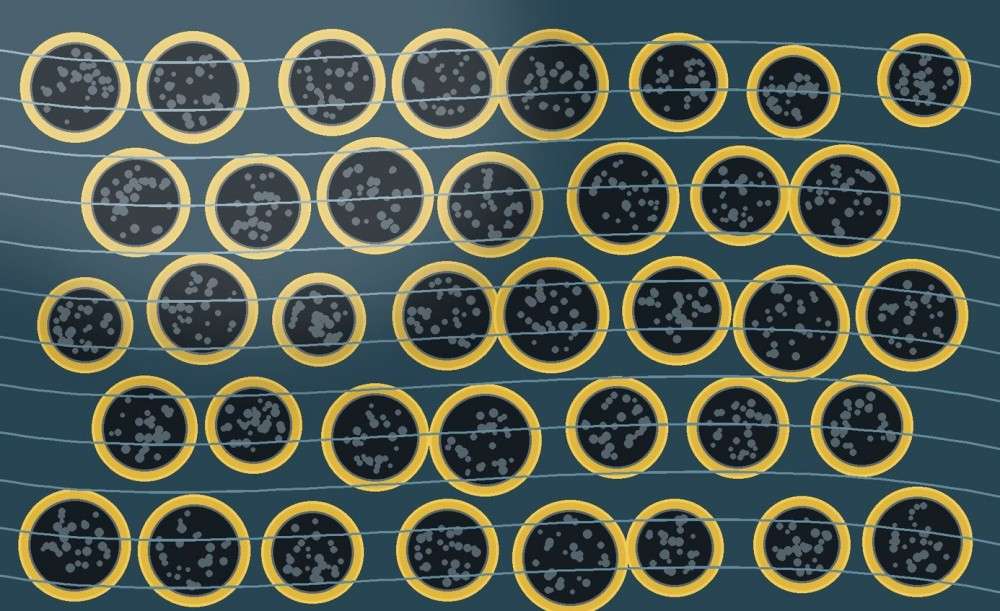 Fig. 4. Functionalized interphase within a fiber-reinforced composite microstructure.
Where These Silanes Can Support Energy-Material Manufacturing
Energy-material production increasingly depends on interfaces: polymer-to-metal bonding, mineral-filled insulation, coated metal surfaces, structural composites and protective encapsulation all require careful control of adhesion and compatibility. Sulfur-containing silanes are not universal additives, but the same coupling principles used in industrial adhesives, reinforced polymers and surface treatment can be evaluated where energy-related components present similar inorganic-organic interfaces.
Relevant development themes can include metal or oxide surface primers, filled sealing materials, mechanically reinforced composites, protective coatings and specialty interfacial treatments. The correct chemistry should be validated against the actual substrate, binder, temperature profile and electrical or mechanical performance targets of the final system.
 Fig. 5. Continuous surface-treatment concept for metallic foil and engineered substrates.
Why Buyers Work with Eata Silicon
- Focused organosilicon raw-material sourcing with sulfur-functional silanes positioned alongside other functional silane families.
- Product selection by CAS number, functional group, hydrolyzable group and intended material interface.
- Specification discussions that can cover assay, functional structure, packaging and other project-defined quality requirements.
- Technical communication oriented around the customer's substrate, polymer system and processing route rather than a one-size-fits-all recommendation.
If your target structure or specification is not represented in the standard portfolio, Eata Silicon can review a custom request. Projects may involve an alternative alkoxy pattern, sulfur-functional architecture, assay range, impurity target, packaging format or a related organosilicon intermediate. Share the desired chemical name or structure, CAS number when available, target purity, expected application and quantity so the request can be assessed against technical feasibility.
For a quotation or product-matching discussion, send us your target sulfur-containing silane, end-use system and critical specification points. We will help identify a suitable standard material or evaluate a customized option for your development program.
For Research or Industrial Raw Materials, Not For Personal Medical Use!