The surface is where a formulation meets the real world. A coating may have excellent adhesion and hardness, yet still feel draggy, block during stacking or show visible scuffing after repeated contact. A textile finish may be durable, but miss the smooth or resilient hand that defines the customer's quality target. Silicone hand-feel and abrasion-resistance agents are used to tune these final surface properties without treating every system as the same problem.
Eata Silicon supplies silicone-based raw-material options for tactile modification, slip, abrasion and scratch resistance, anti-blocking and resilient textile finishing. The range spans resin-modified silicone textile fluids, hydroxyl-functional silicone polyethers, high-molecular-weight silicone dispersions and crosslinkable surface modifiers. Selection is based on the substrate, binder or fiber, application method and the specific balance of feel, friction and durability required.
Feel and Durability Start with the Same Surface
Surface slip and wear resistance are related, but they are not interchangeable. A silicone modifier can reduce friction so a surface is less prone to drag, blocking and some types of mar; a higher-molecular-weight or reactive structure can also make the surface effect more persistent. The right choice is the additive that reaches the target feel while preserving adhesion, recoating, gloss or matte appearance, and the mechanical properties of the complete formulation.
 Figure 1. Woven textile surface rendered to emphasize a smooth, even finish and resilient fabric structure.
Two Application Routes, Different Selection Logic
| Selection Route |
What the Additive Must Do |
Typical Screening Questions |
| Textile finishing |
Build a smooth, fluffy or elastic hand; support film formation and rebound; allow practical dilution and bath application. |
Fiber type; desired hand; exhaust or padding route; dilution method; pH; compatibility with other softeners; yellowing sensitivity. |
| Coatings, inks & leather finishes |
Lower friction; improve slip, hand feel, abrasion, scratch or anti-blocking; retain compatibility and surface quality. |
Binder chemistry; waterborne or solventborne route; gloss/matte target; COF or rub test; recoatability; cure schedule; substrate. |
 Figure 2. Layered synthetic-leather surfaces illustrate tactile finishing where softness, slip and wear behavior are judged together.
Representative Eata Silicon Material Directions
| Material Direction |
Verified Form / Key Data |
Performance Focus |
Typical Use |
| Resin-Modified Smooth Elastic Silicone Textile Fluid |
Colorless to pale-yellow transparent liquid; 800–1,200 mPa·s; 59–61% solids; pH 6.0–7.0. |
Smooth hand, strong film formation and high rebound; direct water dilution at 1:3. |
Polyester, cotton, T/C and T/R textile finishing. |
| Resin-Modified Fluffy Elastic Silicone Textile Fluid |
Pale-yellow transparent liquid; 59–61% solids; direct 1:3 water dilution. |
Fluffy hand, elastic rebound and resin-like film formation. |
Polyester, cotton, T/C and T/R; may be blended with other silicone fluids. |
| Hydroxyl-Functional Polyether-Modified Silicone Slip Additive |
Hydroxyl-functional silicone polyether copolymer. |
Slip, abrasion resistance, hand feel and leveling. |
High-viscosity inks and PU synthetic leather. |
| Ultra-High-Molecular-Weight Silicone Hand-Feel Dispersion |
Modified ultra-high-molecular-weight polysiloxane dispersion. |
Very high slip, smooth hand and abrasion resistance. |
Synthetic leather and leather finishes, high-viscosity inks, epoxy flooring and waterborne overprint varnish. |
| Crosslinkable Silicone Soft-Touch Surface Additive |
Crosslinkable organo-modified PDMS; 1,000–5,000 cP at 25°C. |
Durable soft feel, anti-blocking, release and gloss support. |
Waterborne and solventborne PU and baking-coating systems. |
| High-Solids Waterborne Abrasion-Resistance Dispersion |
Modified silicone-oil dispersion; 78.0 ± 3.0% solids. |
Smooth hand, abrasion resistance, resin compatibility and dilution stability. |
Waterborne coatings, printing inks and surface treatments. |
Why Silicone Architecture Matters
Silicone surface modifiers are not simply interchangeable "slip agents." Molecular weight, organic modification, reactive groups, dispersion form and compatibility determine whether a product mainly improves tactile feel, lowers coefficient of friction, increases leveling, adds anti-blocking, or maintains a more persistent effect after cure. High-molecular-weight silicone dispersions are widely used when abrasion and blocking resistance are central targets, while reactive or crosslinkable modifiers are valuable when the surface effect must be anchored more strongly into the cured system.
 Figure 3. Uniform waterborne dispersion concept highlighting the importance of stable distribution and practical dilution behavior.
What Performance Can Be Tuned?
- Hand feel: silky, smooth, fluffy, elastic, dry-slip or softer tactile response depending on chemistry and application.
- Friction: lower surface drag and coefficient of friction where slip is required for handling, stacking or converting.
- Abrasion and mar resistance: reduced visible wear or scuffing under the customer's defined test method.
- Scratch and anti-blocking behavior: improved resistance to surface damage or unwanted sticking between coated surfaces.
- Film behavior: leveling, gloss, release, recoatability and adhesion must be checked alongside slip and tactile targets.
- Processing fit: water dilution, dispersion stability, viscosity and compatibility with the resin, ink, textile bath or leather-finish system.
From Low Friction to Measurable Wear Resistance
 Low-friction coated-film concept
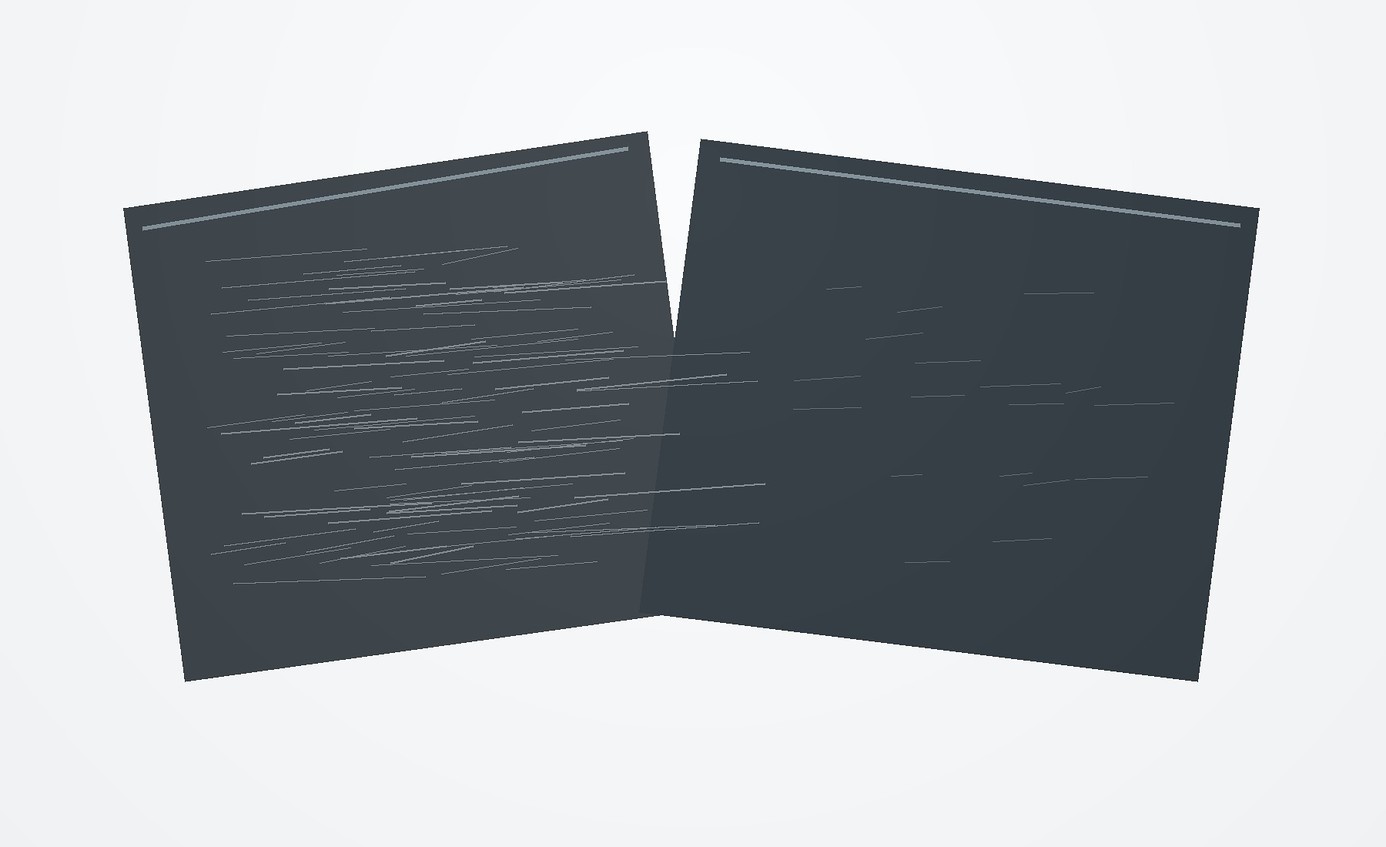 Controlled abrasion comparison concept
For technical qualification, "abrasion resistant" should always be tied to the actual resin, substrate, cure and test method. Silicone additives can reduce friction and improve resistance to scratching, blocking or visible wear, but the magnitude of improvement is formulation-dependent. The most reliable purchasing discussion therefore includes the existing benchmark and the test used to judge success.
Product Application
Waterborne coatings and overprint varnishes: waterborne silicone abrasion-resistance additive; silicone slip additive for coatings; anti-blocking silicone dispersion
Printing inks: silicone slip additive for high-viscosity ink; abrasion-resistant ink additive; silicone surface modifier for printing ink
PU synthetic leather and leather topcoats: silicone hand-feel agent for synthetic leather; PU leather slip additive; soft-touch silicone surface additive
Textile finishing: resin-modified silicone textile fluid; elastic silicone softener; smooth hand textile silicone; fluffy silicone finishing agent
Industrial protective surfaces: low coefficient of friction additive; scratch-resistance silicone additive; mar-resistance surface modifier
Functional polymer and energy-material coatings: silicone surface-control additive for coated films, housings and printed functional layers where handling wear and surface consistency are qualification factors.
 Figure 6. Layered surface concept showing a functional top layer integrated with the coating architecture rather than treated as a stand-alone property.
Frequently Asked Questions
Is a silicone hand-feel agent the same as a silicone softener?
Not always. Textile softeners are selected around fiber hand, bath stability and finishing conditions, while coating hand-feel additives are usually screened around friction, tactile response, binder compatibility and cured-film properties.
Does a lower coefficient of friction automatically mean higher abrasion resistance?
No. Lower friction can reduce drag and some mar mechanisms, but abrasion resistance also depends on molecular weight, film formation, binder strength, additive anchoring, cure and the test method.
Can one additive work in both waterborne and solventborne coatings?
Some silicone surface modifiers can be used across more than one system, but compatibility is grade-specific. Water dilution, solvent polarity, resin type and recoatability should be confirmed before scale-up.
How should a textile hand-feel product be qualified?
Compare the treated fabric against a reference using the real exhaust or padding route. Evaluate smoothness or fluffiness together with rebound, shade or yellowing, hydrophilicity if relevant, bath stability and wash durability.
What information helps Eata Silicon recommend a grade?
Send the binder or fiber type, carrier system, application method, target hand feel, abrasion or scratch test, current additive or benchmark, required solids or viscosity window, and any compatibility constraints.
When a standard grade does not reach the required balance, Eata Silicon can discuss a project-specific material specification. Customization may focus on silicone architecture, molecular-weight profile, functional-group configuration, active or solids content, viscosity, water dispersibility, carrier system, compatibility, friction level, tactile character, film persistence, abrasion or scratch performance, anti-blocking behavior and other agreed analytical targets.
For the fastest technical review, provide a reference formulation or benchmark together with the substrate, binder or fiber, application process, cure conditions, target surface feel and the test method used to approve wear performance. This allows the selection process to compare a suitable standard material, a related analogue or a custom route without relying on generic claims.
For Research or Industrial Raw Materials, Not For Personal Medical Use!