Silicone elastomers are crosslinked polysiloxane materials valued for a rare combination of elastic recovery, thermal stability, electrical performance and resistance to outdoor aging. Their final behavior depends on far more than the silicone backbone alone: polymer molecular weight, functional groups, crosslink density, reinforcing filler, catalyst package and functional additives all shape how a compound flows, cures and performs after vulcanization.
Eata Silicon supports specification-driven sourcing across liquid silicone rubber, high-consistency silicone rubber, RTV systems and related elastomer formulation building blocks. Whether the target is a molded seal, cable-insulation component, power-electronics encapsulant, thermally conductive interface or weather-resistant electrical part, the most useful starting point is the processing route and the property profile required in the finished system.
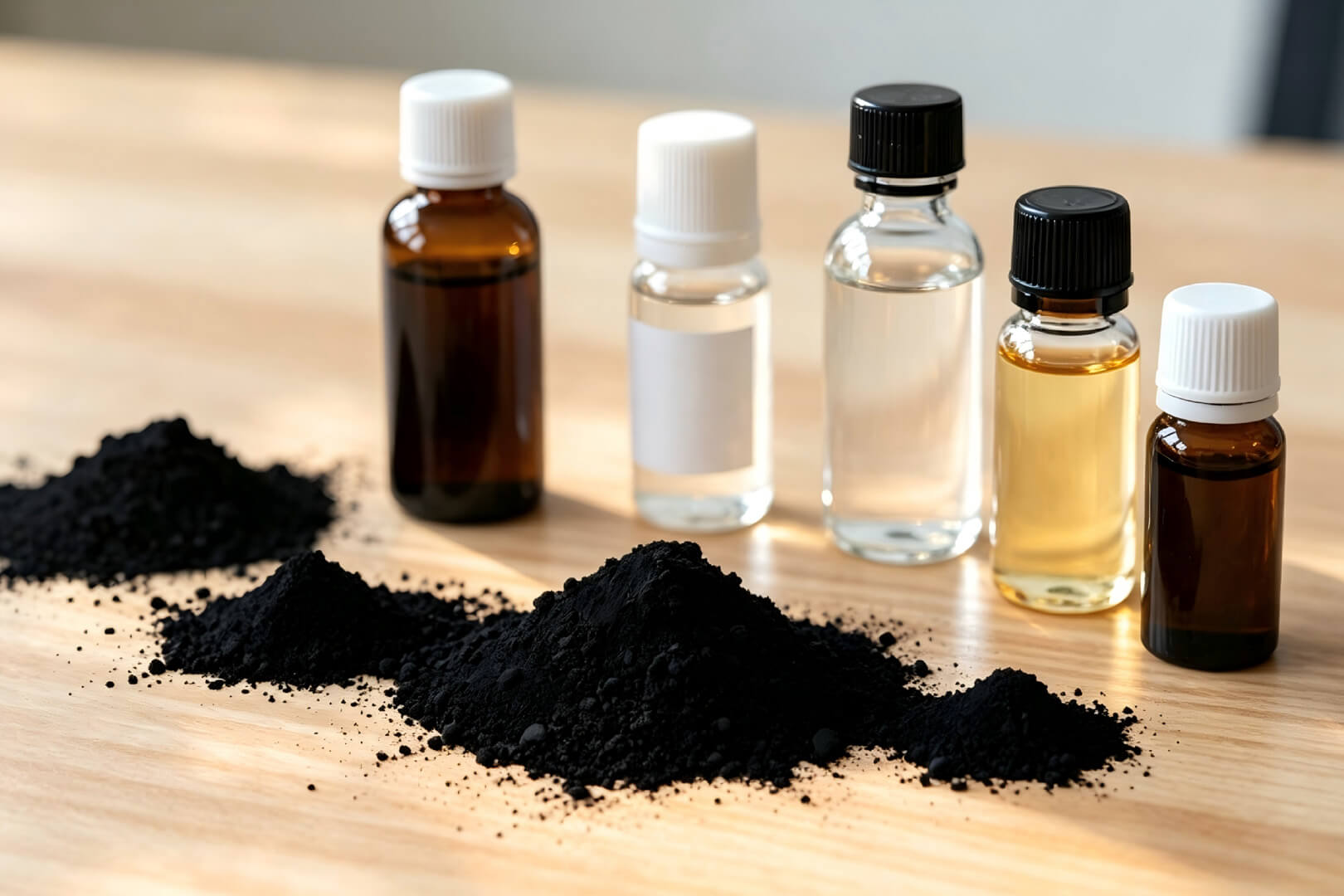
 Fig. 1. Silicone elastomer platforms can be supplied in solid, paste-like and molded formats, depending on the downstream processing route.
Start with the Elastomer Family, Then Narrow the Grade
| Materials |
Chemistry & Form |
Typical Processing Route |
Common Technical Uses |
| Liquid Silicone Rubber (LSR) |
Pumpable or paste-like two-component silicone, commonly addition-cured |
Injection molding, precision molding, automated metering |
Connector seals, grommets, molded electrical parts, flexible technical components |
| High Consistency Rubber (HCR / HTV) |
High-viscosity solid silicone compound; addition- or peroxide-cure routes are used |
Extrusion, compression molding, injection molding, calendering |
Cable profiles, insulation parts, gaskets, sheets, molded seals |
| RTV-1 Silicone Rubber |
One-component material that cures after application, commonly through moisture-reactive chemistry |
Dispensing, bead sealing, bonding and local protection |
Enclosure sealing, component fixation, joint sealing, assembly protection |
| RTV-2 Addition-Cure Silicone |
Two-component platinum-cure system based on vinyl and hydride reactivity |
Casting, potting, encapsulation, molded or poured parts |
Electrical insulation, stress relief, protective encapsulation, precision replicas |
| RTV-2 Condensation-Cure Silicone |
Two-component room-temperature cure based on silanol/crosslinker chemistry |
Casting, sealing and flexible mold or industrial part formation |
Industrial sealing, prototyping, moldmaking and selected protective applications |
| Thermally Conductive Silicone Elastomer |
Silicone network filled to increase heat-transfer performance while retaining compliance |
Dispensing, pad molding, potting or gap filling depending on formulation |
Power modules, inverters, converters, battery systems, heat-generating assemblies |
| Electrically Insulating Silicone Rubber |
Elastomer formulated around dielectric performance, mechanical durability and environmental resistance |
Molding, extrusion, potting or sealing |
Cable accessories, high-voltage components, power electronics and electrical housings |
| Electrically Conductive Silicone Rubber |
Conductive filler is incorporated into the silicone elastomer matrix |
Molding, extrusion, gasket fabrication |
EMI shielding, grounding interfaces, antistatic and conductive sealing |
| High-Voltage Silicone Rubber |
Specialized insulating silicone rubber for transmission and distribution components |
Molding and engineered component fabrication |
Composite insulators, cable accessories, field-control parts and outdoor electrical interfaces |
| Self-Bonding / Self-Adhesive LSR |
LSR designed to develop adhesion to selected substrates during molding |
Multi-material molding and overmolding |
Integrated seals, connector assemblies, plastic/silicone or metal/silicone interfaces |
Silicone Elastomer Formulation Building Blocks
For customers developing or modifying elastomer formulations, the base compound can be broken into a smaller set of chemical decisions. Addition-cure systems commonly combine vinyl-functional silicone with hydride-functional crosslinkers and a platinum catalyst. Condensation-cure systems commonly begin with silanol-functional polymers and a compatible crosslinking package. Reinforcing fillers are then used to move the material from a soft, weak polymer network toward a practical rubber with useful tear strength and dimensional stability.
| Building Block |
Role in the Elastomer System |
| Vinyl-terminated PDMS |
Primary reactive polymer for many addition-cure silicone elastomers |
| Vinyl-functional silicone copolymer |
Introduces additional vinyl sites along the polymer chain |
| Hydride-functional silicone crosslinker |
Provides Si-H groups for hydrosilylation with vinyl-functional silicones |
| Silanol-terminated PDMS |
Reactive base polymer for many condensation-cure RTV systems |
| Treated fumed silica |
Primary reinforcing filler used to improve mechanical strength and rheology |
| Vinyl-functional MQ reinforcing resin |
Alternative or complementary reinforcement where clarity or network design matters |
| Platinum catalyst / cure moderator |
Controls addition-cure initiation and processing window |
| Functional fillers and pigments |
Adds thermal conductivity, electrical conductivity, color or other specialized behavior |
| Adhesion-promoting silanes / modifiers |
Helps tune adhesion between silicone and glass, metals, mineral surfaces or organic substrates |
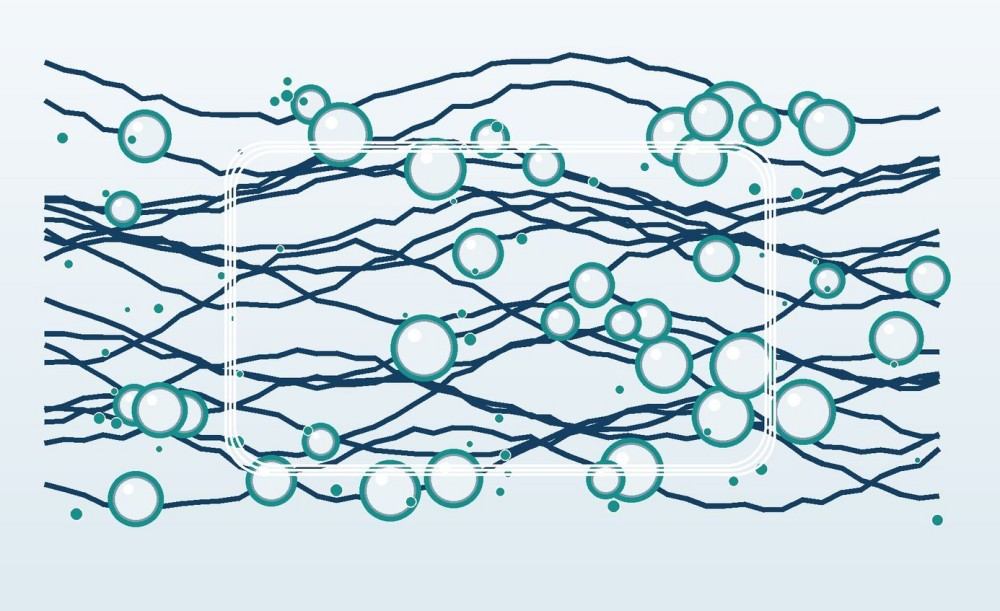 Fig. 2. Reinforced silicone networks use crosslink density and dispersed fillers to tune strength, hardness, tear resistance and rheology.
Addition Cure, Condensation Cure or Heat Cure?
The cure route affects both how a silicone elastomer is processed and which raw materials belong in the formulation. It also changes the questions that should be included in an RFQ. Instead of asking only for a target Shore hardness, define the chemistry that must fit the manufacturing line and the substrate environment.
| Cure Route |
Typical Chemistry |
Where It Fits |
Important Selection Variables |
| Vinyl-addition / platinum cure |
Vinyl-functional silicone + hydride-functional silicone + platinum catalyst |
Two-part LSR, RTV-2, encapsulants, many precision molded elastomers |
Mix ratio, vinyl/hydride balance, catalyst inhibition, pot life, cure temperature, post-cure requirement |
| Condensation cure |
Silanol-functional silicone + hydrolyzable crosslinker + catalyst |
RTV-1 and RTV-2 sealing/casting systems |
Moisture exposure, crosslinker type, byproduct profile, section depth, adhesion and cure-through behavior |
| Peroxide heat cure |
High-consistency silicone rubber + selected peroxide curing agent |
Extruded, compression-molded or calendered HCR parts |
Peroxide selection, compound temperature during mixing, cure schedule, post-cure and final volatile profile |
Why Silicone Elastomers Fit Energy and Electrical Systems
Energy hardware asks elastomers to do several jobs at once. The material may need to insulate electrically, stay flexible through thermal cycling, seal against moisture, maintain compression around a connector, absorb vibration, or move heat away from a power device. Silicone elastomers are useful in this space because these functions can be combined in one crosslinked network and then adjusted through filler, hardness, cure chemistry and part design.
High-Voltage Insulation and Cable Accessories
High-voltage silicone rubber grades are used in molded cable accessories, field-control components and composite insulation systems. In outdoor electrical service, the elastomer must be evaluated as part of the complete insulation design, including dielectric behavior, surface properties, mechanical strength, environmental exposure and interface geometry. HCR and specialized insulating compounds are commonly chosen where molded profiles, sheds, stress-control parts or durable cable components are required.
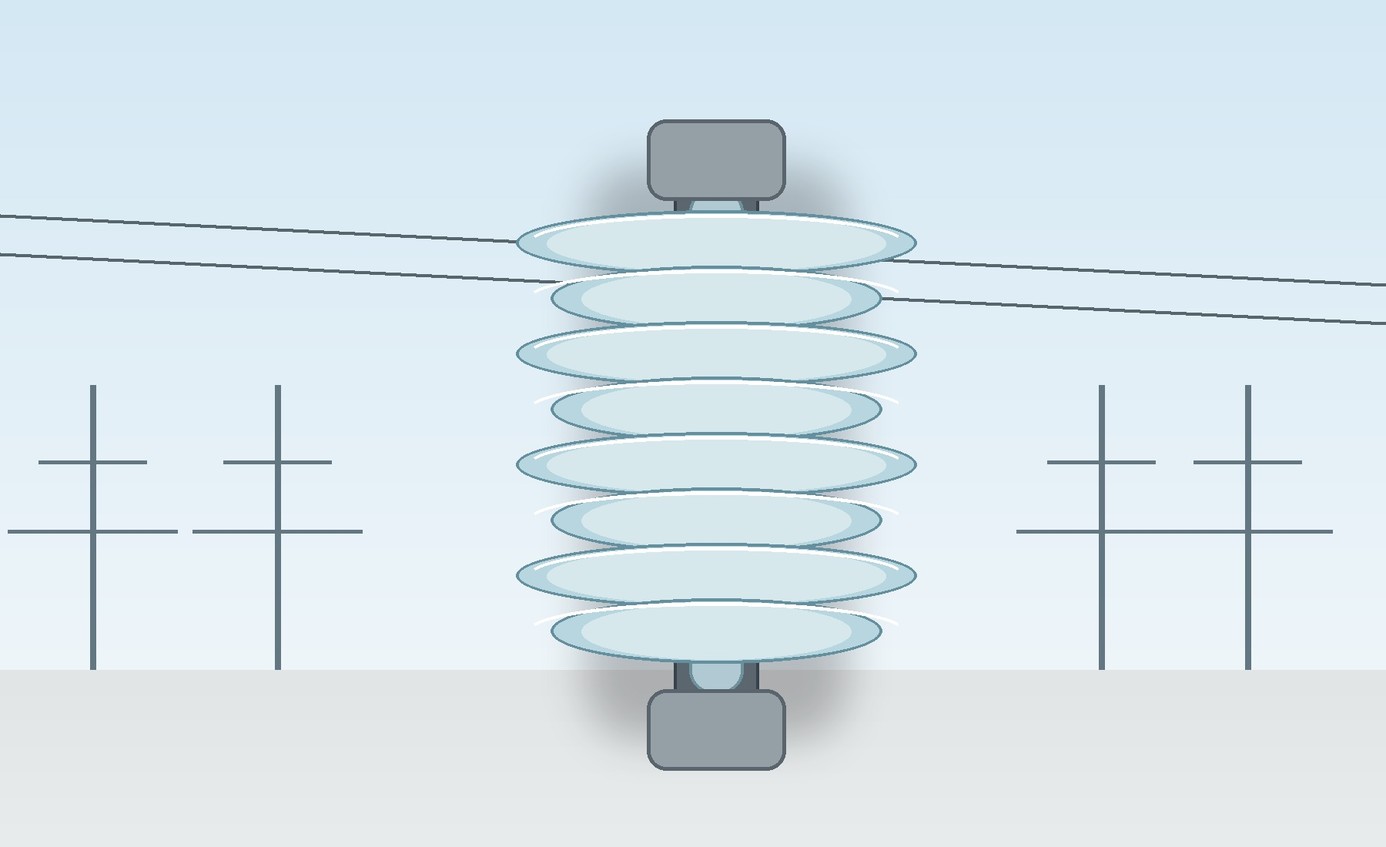 Fig. 3. Silicone rubber is widely used in high-voltage insulation systems where weathering, hydrophobicity and electrical performance matter.
Power Electronics, Inverters and Energy Conversion
Inverters, converters, power supplies and high-power modules use silicone materials for encapsulation, electrical isolation, stress relief, sealing and thermal management. The right elastomer depends on whether the formulation must flow into narrow spaces, form a firm protective body, remain optically clear, carry thermal filler, bond to a substrate or release easily from tooling. For power-electronics projects, thermal conductivity should always be considered together with viscosity, hardness, dielectric behavior and mechanical compliance rather than treated as a single headline number.
Thermal Interface and Gap-Filling Elastomers
Thermally conductive silicone elastomers combine a compliant silicone matrix with high-load functional fillers. The material can be formulated as a cured pad, dispensable gap filler or potting compound, depending on the geometry and assembly process. A softer interface can conform to component tolerances and reduce mechanical stress, while filler choice and loading drive thermal performance and strongly affect viscosity, density and processability.
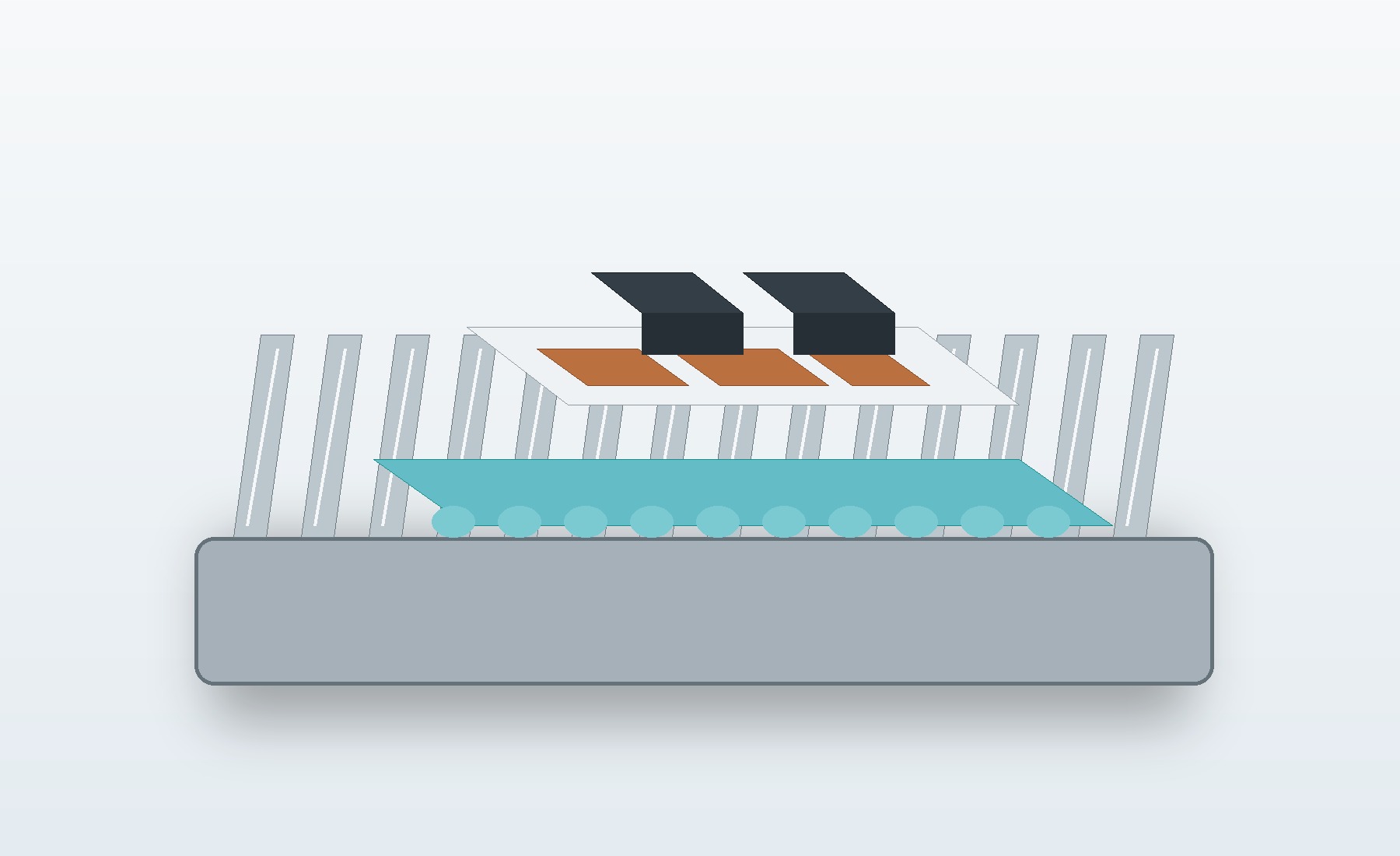 Fig. 4. Thermally conductive silicone elastomers can form compliant interfaces between power devices and heat-dissipation hardware.
Battery, Connector and Enclosure Sealing
Energy-storage and power-distribution assemblies contain many mixed-material interfaces: metal housings, polymer connector bodies, ceramic or composite parts, cable jackets and coated surfaces. Silicone elastomer seals are selected where elastic recovery, compression retention and environmental protection are important. Molded gaskets, cable-entry boots, connector seals and formed-in-place sealing systems should be matched to the exact substrate, compression geometry, cure route and service environment.
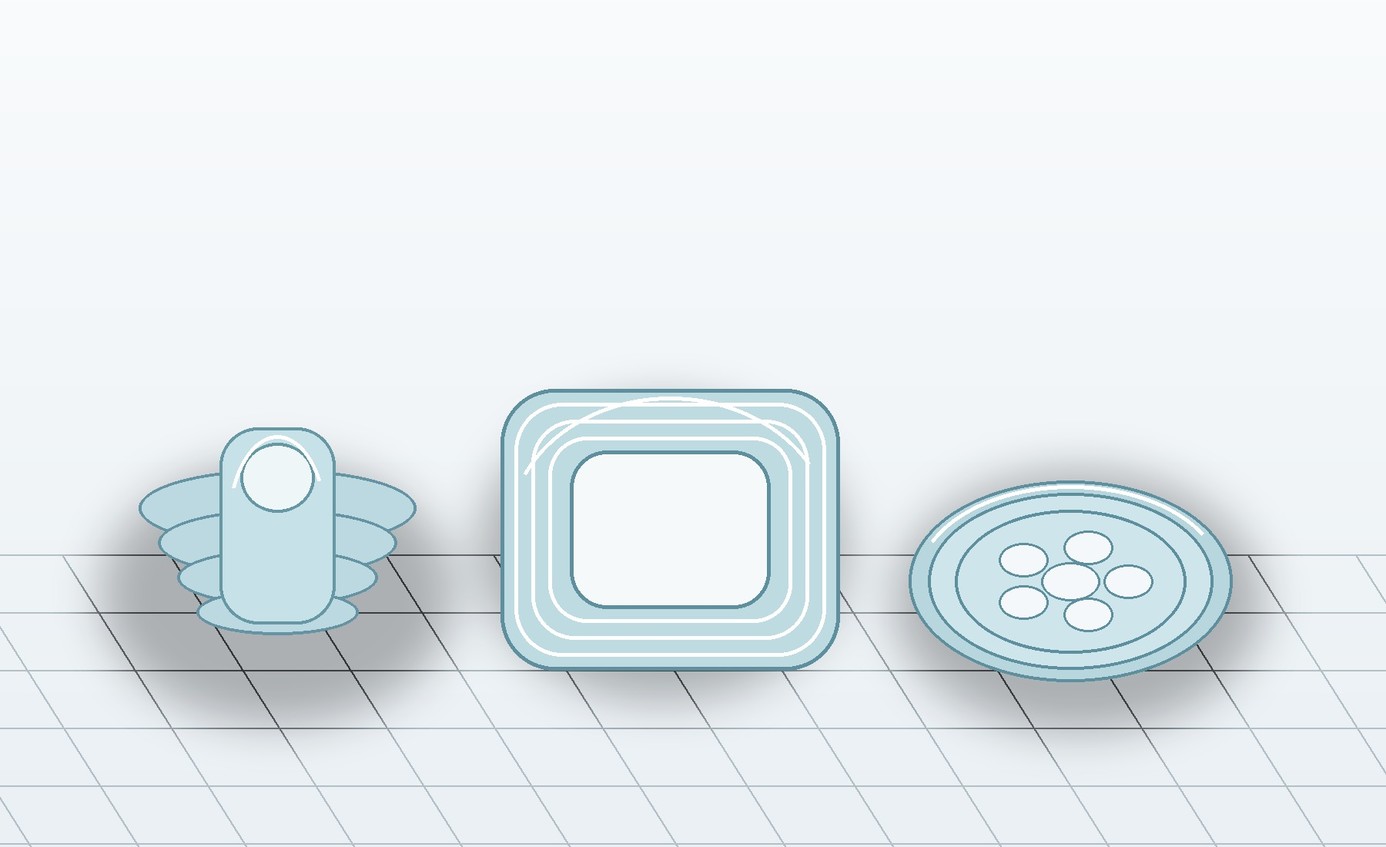 Fig. 5. Precision-molded silicone seals and connector grommets combine elastic recovery with complex geometry for electrical assemblies.
Renewable Energy and Outdoor Electrical Assemblies
Solar power conversion equipment, junction boxes, cable interfaces, outdoor sensors and other renewable-energy assemblies operate through heat, UV exposure, moisture and repeated temperature change. Silicone elastomer materials are commonly considered for seals, encapsulation and protective interfaces in these environments. The grade should be chosen from the actual exposure profile and assembled geometry, not from a general label such as 'weather resistant silicone.'
How to Specify a Silicone Elastomer Raw Material
| Decision Point |
What to Define |
Why It Matters |
| Material family |
LSR, HCR/HTV, RTV-1, RTV-2, thermally conductive, conductive, high-voltage insulating, self-bonding |
Sets the broad process and cure window. |
| Cure chemistry |
Platinum addition cure, condensation cure, peroxide heat cure or another defined route |
Determines compatible polymers, crosslinkers, catalysts and process conditions. |
| Physical form & rheology |
Pumpable liquid, paste, gum, precompound, sheet, dispersion; target viscosity if relevant |
Controls mixing, dispensing, mold filling, extrusion and filler loading. |
| Hardness / modulus |
Target Shore range or required softness after cure |
Affects sealing force, stress relief, dimensional stability and handling. |
| Mechanical performance |
Tensile strength, elongation, tear strength, rebound, compression set |
Important for repeated deformation, molded seals, cable profiles and durable parts. |
| Electrical properties |
Dielectric strength, volume resistivity, permittivity, conductivity or antistatic target |
Separates insulation grades from conductive, shielding or field-control formulations. |
| Thermal behavior |
Thermal conductivity, heat exposure, low-temperature flexibility, thermal cycling |
Critical for power electronics, thermal interfaces and outdoor energy equipment. |
| Adhesion / substrate |
Metal, glass, ceramic, silicone, thermoplastic, composite or coated surface |
Determines whether self-bonding chemistry, primer or adhesion promoter is needed. |
| Filler / reinforcement |
Fumed silica, thermally conductive filler, conductive filler or other functional phase |
Changes rheology, density, strength, thermal and electrical behavior. |
| Volatiles / impurities |
Low-molecular-weight siloxanes, residuals, water, selected ionic or metallic impurities |
Relevant when the formulation is sensitive to contamination, outgassing or reproducibility. |
| Color / appearance |
Transparent, translucent, natural, black, gray or custom pigmentation |
May affect inspection, optical needs, heat absorption and part identification. |
| Packaging / processing context |
Expected quantity, mixing equipment, dispensing method, mold or extrusion process |
Helps match the material to real production handling rather than a laboratory-only data point. |
Why Source Silicone Elastomer Materials from Eata Silicon?
Chemistry-first matching. We start from cure route, functional groups, filler system and processing method instead of treating silicone rubber as one commodity category.
Specification-led discussion. Viscosity, hardness, mechanical properties, dielectric or thermal targets, volatile limits and substrate compatibility can be reviewed around the finished-part requirement.
Energy-application awareness. Cable accessories, power modules, thermal interfaces, enclosures and connector seals impose different demands even when all of them use a silicone elastomer.
Raw materials and formulated systems. Projects can be discussed at the level of a finished elastomer family or at the level of base polymer, crosslinker, reinforcement and functional filler when formulation development is required.
Customization path. When a standard material does not fit the target processing or property window, a related chemistry or project-specific silicone elastomer specification can be evaluated.
A standard grade is not always the right answer for a new energy-material platform. The most useful custom projects begin with the finished assembly: what the elastomer contacts, how it is mixed or molded, how much it must deform, whether it must insulate or conduct heat, and which properties are used for acceptance.
Eata Silicon can discuss customized silicone elastomer targets including LSR or HCR format, vinyl or silanol polymer architecture, crosslinker system, reinforcing filler, thermal or conductive filler loading, hardness, viscosity or rheology, adhesion profile, volatile or impurity limits, color and project-specific analytical requirements. A custom program may begin from an existing reference grade, a known formulation architecture or a property window defined by the application.
Discuss Your Silicone Elastomer Requirement with Eata Silicon
Share the elastomer family, processing route, cure chemistry, substrate, target hardness or viscosity, electrical or thermal requirements, and any critical specification points. We can review a suitable standard option, a related formulation platform or a customized material pathway.
For Research or Industrial Raw Materials, Not For Personal Medical Use!